
Short Answer
The selection of an appropriate potting medium for cactus plants is a pivotal aspect of successful cultivation. Cacti, renowned for their resilience and adaptability, thrive in specific soil conditions that mimic their native arid environments. Proper soil not only supports healthy growth but is integral to preventing root rot and other detrimental issues. In this comprehensive guide, we will explore the myriad factors influencing your choice of potting medium, ensuring your cacti flourish in their designated spaces.
Understanding the Unique Needs of Cacti
Cactus plants exhibit a variety of anatomical adaptations to survive in harsh, dry conditions. One of the most crucial factors in cultivating these plants is understanding their need for well-draining soil. Unlike many other houseplants, cacti do not thrive in dense or hydrophilic substrates. If soil retains excess moisture, it can result in root rot, a common affliction for these plants.
To meet the specific needs of cactus species, a potting medium should consist primarily of components that facilitate quick drainage while providing adequate aeration. This requirement is particularly pronounced considering that many cacti originate from desert landscapes, where water availability is sporadic and ephemeral.
Components of an Ideal Cactus Soil Mix
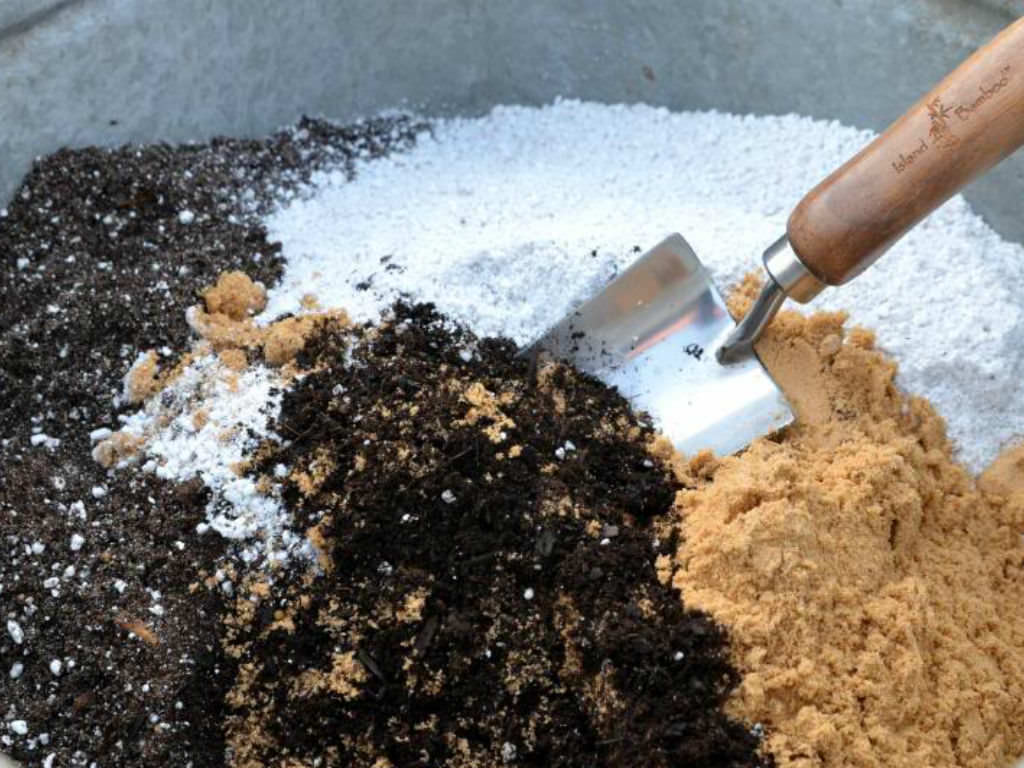
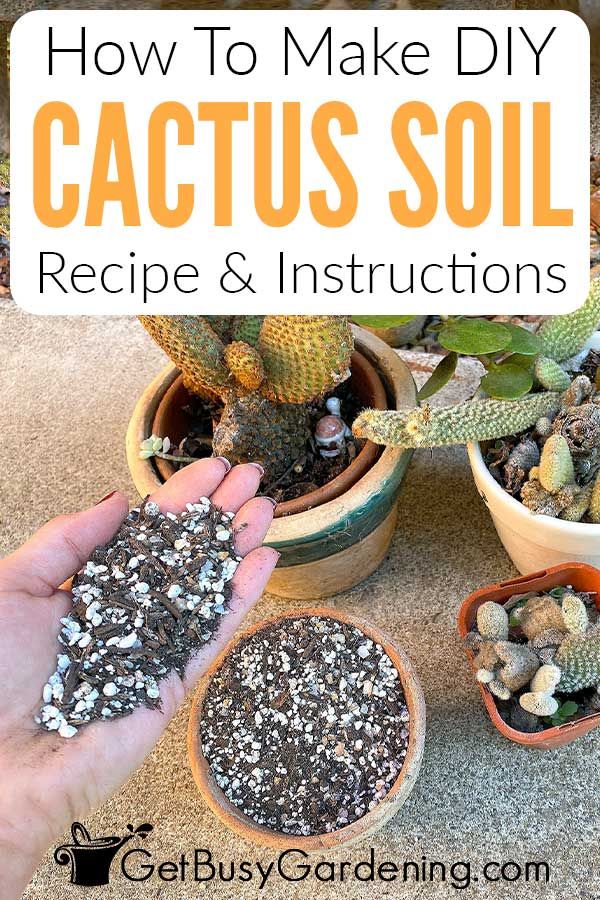
The formulation of an optimal potting medium for cacti typically includes a blend of inorganic and organic materials. Each component serves a unique purpose, contributing to the overall efficacy of the soil. Here are some essential ingredients to consider when crafting or purchasing cactus potting soil:
Perlite: This lightweight, volcanic glass is an excellent amendment for inorganic soil mixtures. Perlite aids in drainage and aeration and prevents compaction over time. By incorporating perlite, you can maintain an open structure that encourages healthy root growth.
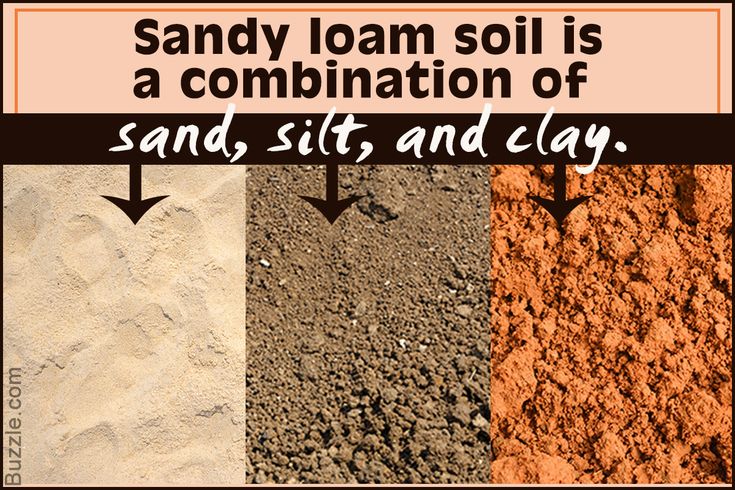
Coarse Sand: Utilizing coarse sand in your potting medium enhances drainage capabilities. Sands with larger granules improve aeration and reduce the overall water retention of the mix. Aim for all-purpose sand or horticultural-grade sand, avoiding fine grains that may create a dense mixture.
Pumice: An excellent alternative to perlite, pumice is a natural, volcanic rock that serves similar drainage and aeration purposes. Its rough texture creates air pockets within the soil, further assisting in moisture evaporation and root respiration.
Organic Materials: While cacti prefer well-draining soils, a modest incorporation of organic matter—like shredded coconut coir or pine bark—can provide essential nutrients. These materials retain minimal moisture without compromising drainage, creating a balanced mixture for healthier plants.
Choosing the Right Potting Medium for Specific Cacti
Different cactus species may exhibit variances in their soil preferences. For example, desert cacti, like the Saguaro or the Pilo cactus, often benefit from exceptionally fast-draining mixtures. In contrast, forest cacti, such as the Easter cactus or the Christmas cactus, may require slightly more moisture retention in their potting medium due to their origins in more humid environments. It’s vital to match your soil mix to the specific needs and characteristics of your cactus variety.
Moreover, consider the pot size and type you utilize. Terracotta pots, with their porous nature, allow for increased air circulation and moisture evaporation, thus complementing well-draining soil mixes. Conversely, non-porous pots can retain moisture for longer durations, necessitating even more attention to soil composition.
Considerations for Repotting Your Cactus
Repotting is pivotal for maintaining the health and vitality of cactus plants. Over time, cacti can outgrow their containers or exhaust the nutrients in their potting medium. When repotting, select a fresh, well-draining mix tailored to your cactus type. Remove any dead or rotting roots, and ensure the new pot is appropriately sized for growth without excessive space, which can trap moisture and encourage rot.
Fertilization Practices for Cacti
Although cacti require minimal fertilization due to their adaptations to nutrient-scarce environments, utilizing a specialized fertilizer can enhance growth, especially during the growing season. A diluted cactus fertilizer, specifically formulated for succulents, can be beneficial. Consider applying it in the spring and summer months when the plants are actively growing, and avoid fertilization during dormant winter months. When combined with an appropriate potting medium, proper fertilization practices can lead to robust, thriving cacti.
Common Mistakes to Avoid When Selecting Cactus Soil
Novice cactus owners often fall prey to certain pitfalls in soil selection. Here are a few critical mistakes to avoid:
Choosing Regular Potting Soil: Standard potting soil retains considerable moisture and is ill-suited for cacti. This choice can lead to disastrous outcomes, including root rot.
Ignoring Drainage Holes: Ensure your pots have sufficient drainage holes to facilitate water movement. Without proper drainage, bountiful watering can lead to unfortunate consequences.
Overwatering: No matter how well your potting medium drains, overwatering is a prevailing concern for cactus owners. Understand the watering needs of your specific cactus species and adjust your care routine accordingly.
Conclusion: Investing in the Right Potting Medium
Choosing the right potting medium for your cacti can profoundly impact their health and vitality. By understanding the unique needs of these plants and incorporating the appropriate components into your soil mix, you can nourish your cacti and allow them to flourish. This deliberation is not merely a gardening detail but rather a crucial step in ensuring that your prickly companions thrive in any setting.
FAQ
What is the best soil mix for cactus plants?
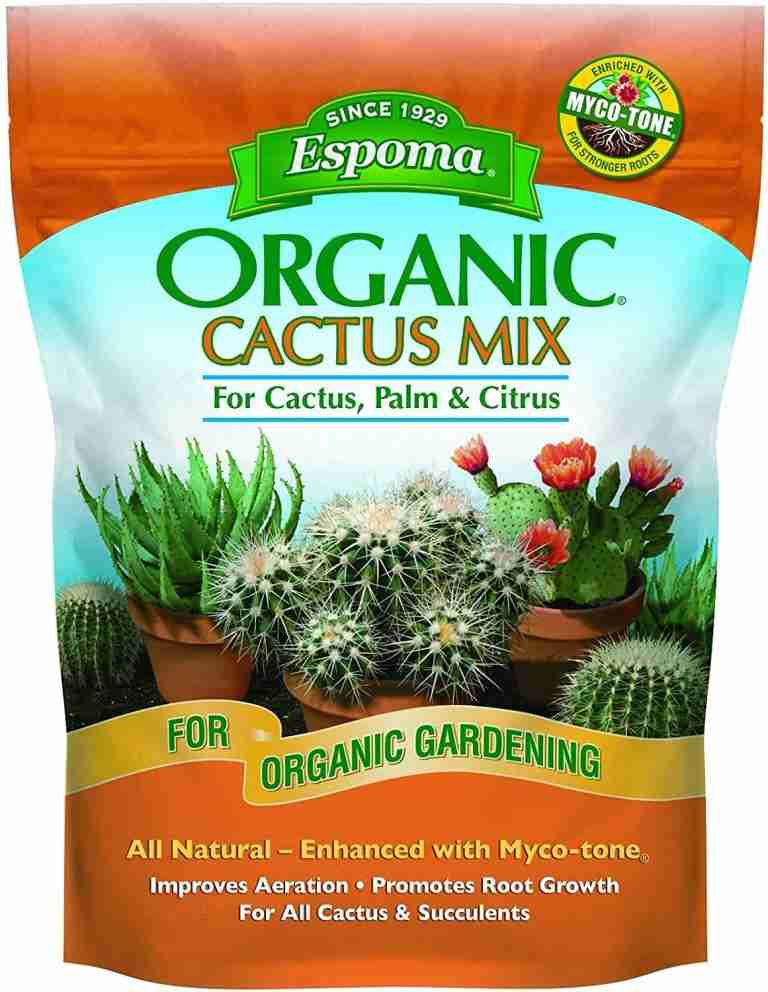
The best soil mix for cacti is a well-draining blend that includes inorganic components such as perlite, coarse sand, and pumice, with a small amount of organic material to retain minimal moisture.
Why is drainage important for cactus soil?
Drainage is crucial because cacti are susceptible to root rot if their soil retains too much moisture. Well-draining soil allows excess water to escape, preventing overwatering issues.
Can I use regular potting soil for my cactus?
No, regular potting soil retains too much moisture and is not suitable for cacti. It can cause root rot and other health problems for these plants.
How often should I repot my cactus?
Cacti should be repotted every 2-3 years or when they outgrow their pots. Repotting refreshes the soil and allows for root inspection to remove any dead or rotting roots.
Do all cactus species require the same soil mix?
No, desert cacti prefer very fast-draining soil, while forest cacti like Christmas cactus require soil that retains slightly more moisture due to their more humid natural habitats.
Leave a Reply