
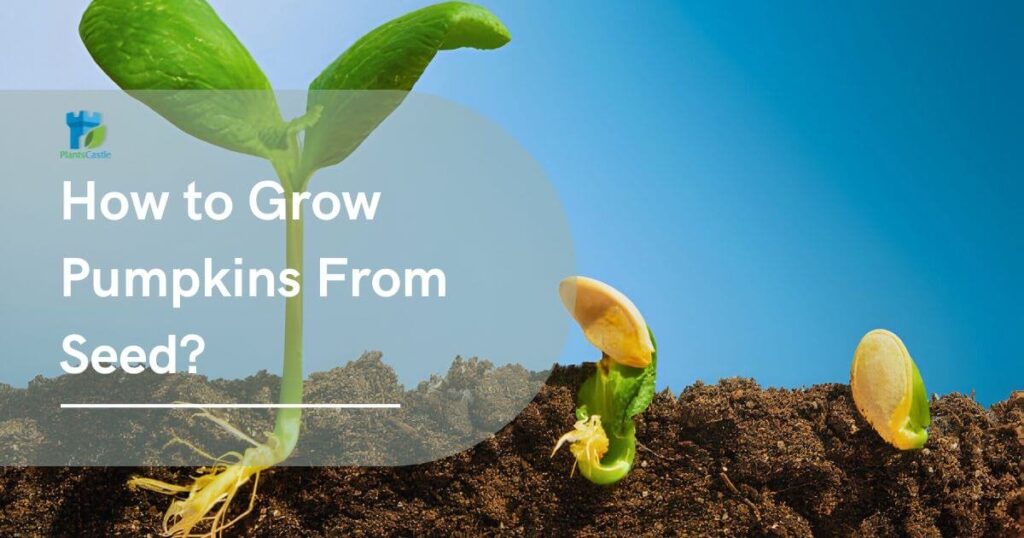
Short Answer
Have you ever wondered if growing a Melocactus from seed is as straightforward as it sounds, or is it a tantalizing challenge that only the most patient and dedicated gardeners can conquer? These extraordinary cacti, with their distinctive cephalium crowning their ribbed bodies, captivate enthusiasts worldwide. Yet, nurturing one from a tiny seed demands more than just a green thumb—it calls for understanding, care, and a sprinkle of botanical magic. Ready to embark on this rewarding journey? Let’s unravel the step-by-step process to cultivate your very own Melocactus from seed, transforming a mere speck into a vibrant desert marvel.
Preparing Your Seeds: The First Crucial Step
Before planting, acquiring high-quality Melocactus seeds is paramount. These seeds are typically small, delicate, and can vary significantly in viability. Imagine them as tiny time capsules holding the potential for a remarkable transformation. To give your seeds the best chance at germination, start by soaking them in warm water for 12 to 24 hours. This softens the seed coat, encouraging the embryonic plant within to awaken from dormancy.
Simultaneously, sterilization is essential to prevent fungal infections and damping-off disease. A mild solution of hydrogen peroxide or chamomile tea rinse can do wonders. Post-soaking, lay the seeds on a clean, dry paper towel to remove excess moisture before sowing.

Crafting the Perfect Soil Mixture
Melocacti thrive in substrates that mimic their natural arid habitats—well-draining, mineral-rich, and slightly acidic. A balanced soil blend can consist of fine-grade pumice, coarse sand, and a touch of organic matter such as coconut coir or peat moss to retain subtle moisture. Avoid heavy garden soils that can suffocate the roots and foster fungal growth.
Disinfection of the growing medium is just as important—bake your soil mix at 180°F (82°C) for 30 minutes or use a commercial compost sterilizer to eradicate lurking pathogens. This sterilization cultivates an environment where your seeds can germinate with little competition or threat.
Sowing Seeds: Precision and Patience in Harmony
When planting, sprinkle the seeds evenly over the surface of the moist soil mixture. Resist the temptation to bury them deeply; Melocactus seeds require light or very shallow covering—about 1 to 2 millimeters—since excessive depth can inhibit sprouting. Gently press the seeds into the substrate to ensure firm contact, which facilitates moisture absorption.
Cover the tray or pot with a transparent dome or plastic wrap to maintain humidity, a vital factor in the germination process. Position it in a warm, brightly lit location, but shielded from direct sunlight to avoid overheating and desiccation. Ideal temperatures hover between 75°F and 85°F (24°C–29°C).

Germination: Watching Patience Blossom
Here’s where nature’s slow dance begins. Germination in Melocactus seeds can be a test of resolve—it typically takes from two weeks to over a month, sometimes even longer. In this critical phase, consistent moisture and warmth are key. Mist the soil surface regularly using a fine spray bottle to keep the substrate evenly damp but never waterlogged.
Be vigilant for signs of mold or fungal appearance, which can rapidly devastate seedlings. If noticed, remove affected areas immediately and increase air circulation by temporarily lifting the humidity cover. The first tiny green specks emerging from the soil surface are nothing short of botanical triumphs.
Transplanting Seedlings: Handling New Life with Care
Once seedlings develop their first true spines and reach about 1 to 2 centimeters tall, the time arrives to separate them gently to prevent overcrowding. Use a small, sharp tool or tweezers to carefully transplant each seedling into a single pot. The new soil should still be well-aerated but slightly richer to support early growth.
Maintain warmth and indirect sunlight, and acclimate the young Melocacti gradually to more light over weeks. This prevents stigmatization from sudden exposure. Observe diligently for signs of stress, adjusting watering and light accordingly. Remember, seedlings are as sensitive as newborns—handle with tenderness and awareness.
Long-Term Care: Nurturing Your Melocactus Through Growth
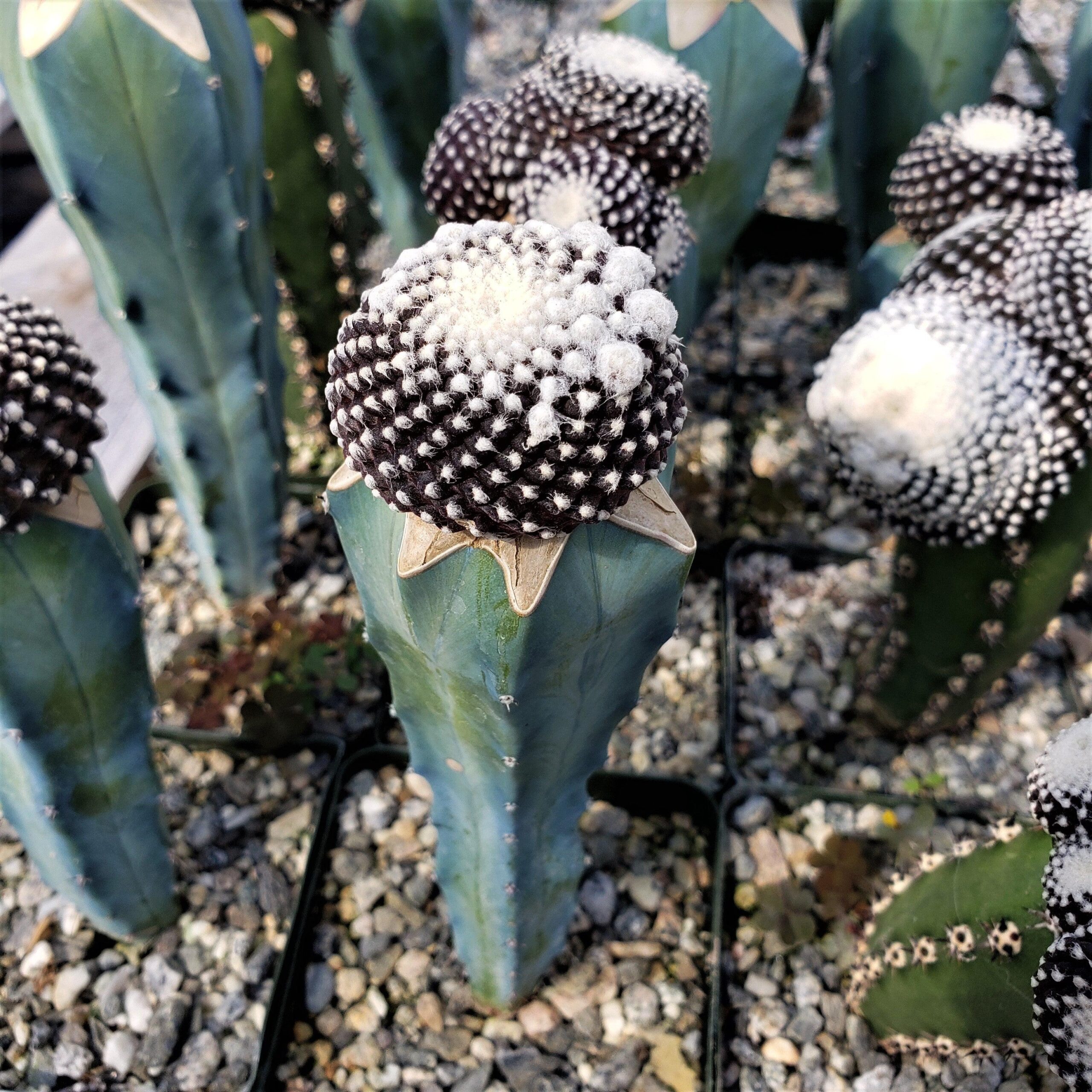
As your Melocactus matures, it will begin to develop the hallmark cephalium, a woolly and spine-covered structure atop the tubercles, usually within 3 to 8 years. This distinctive feature signals sexual maturity and the forthcoming potential to produce flowers and fruits.
Maintain a regimen of moderate watering, allowing the soil to dry between sessions to mimic desert rain cycles. Summer is growth season, so increase watering frequency then, but reduce drastically during winter dormancy. Fertilize sparingly with a cactus-specific formulation every 6 to 8 weeks during the active growing season.
Ensure your Melocactus enjoys ample sunlight—ideally 6 hours of bright, indirect sunlight daily. If growing indoors, a south-facing window or supplemental grow lights can help simulate these conditions. Avoid cold temperatures below 50°F (10°C), as Melocacti are notoriously sensitive to frost.
Tackling Common Challenges: Persistence Pays Off
Growing Melocactus from seed isn’t without its hurdles. Seeds may fail to germinate, seedlings might succumb to damping-off, or young plants could become etiolated (stretching weakly) under insufficient light. Address these challenges by adjusting environmental conditions carefully rather than rushing decisions.
Patience and observation are your allies. Seasonal timing also matters—starting seeds in the early spring or late winter can leverage natural temperature and light increases for enhanced success. Finally, documenting progress through photos or notes can be surprisingly motivating and instructive as you learn your Melocactus’s unique rhythm.
Embarking on this cultivation journey transforms you into a steward of one of nature’s desert wonders. The tiny seed isn’t just a beginning—it’s the prelude to a lifelong dialogue of care, curiosity, and quiet marvel. Will you accept the challenge?
FAQ
How long does it take for Melocactus seeds to germinate?
Germination typically takes from two weeks to over a month, depending on conditions.
What type of soil is best for growing Melocactus?
A well-draining, mineral-rich substrate with slight acidity is ideal.
Leave a Reply