
Short Answer
Have you ever gazed upon the enigmatic ridges and undulating forms of Stenocactus and wondered if such delicate, wave-like structures could thrive outside their native desert realms? These remarkable cacti, often dubbed the Wave or Lace Cacti, captivate with their intricate folds and subtle symmetries, but caring for them can be as much an art as a science. Can one master their finicky nature and coax them into vibrant life? Let’s dive into the exquisite world of Stenocactus cultivation and unravel the secrets to growing these living sculptures with ease and enthusiasm.
Understanding Stenocactus: The Wave and Lace Cacti Unveiled
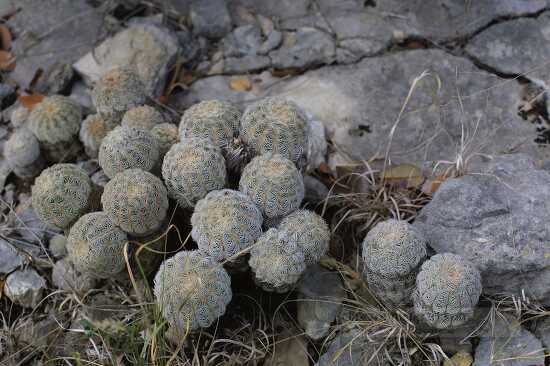
Known for their mesmerizing spiral ridges that resemble waves and the delicate lace-like texture along their surfaces, Stenocactus is a genus of cacti distinguished by its small, globular bodies wrapped in intricate folds. Originating from arid regions of Mexico, these cacti evolved to maximize water retention while exposing minimal surface area to the harsh sun. Their complex anatomy isn’t just for show—it’s a survival strategy hidden in plain sight. This fascinating morphology poses an intriguing horticultural challenge: how to replicate conditions that honor their desert heritage without succumbing to overcare that might drown or suffocate them.
Natural Habitat and Light Requirements: Mimicking Desert Sunlight
In the wild, Stenocactus thrives under blazing daylight tempered by occasional shade from sparse desert shrubs. Their unique ribbed surfaces create elegant shadows, softening the intensity of direct sun exposure. For gardeners, mimicking this subtle sun interplay is crucial. These cacti prefer intense, bright light but detest scorching afternoon rays that can scar their delicate epidermis. A south or east-facing window with filtered sunlight often provides the optimal balance. Sometimes, the challenge is supplying enough UV without causing sunburn—a conundrum that leads many enthusiasts to experiment with sheer curtains or light diffusion panels.
Soil Composition and Drainage: The Fine Line Between Parched and Parched-to-Death
Water retention is a double-edged sword for the Wave and Lace Cacti. Their natural soil is an abrasive blend of gritty sand, fine gravel, and decomposed granite—quick to drain yet capable of holding fleeting moisture. Typical potting mixes doom them to rot. Instead, a custom concoction with at least 50% mineral components is essential. Incorporate pumice, perlite, and coarse sand to replicate their natural substrate mold. Drainage holes are non-negotiable, paired with raised pots or drainage trays to avoid water stagnation. Here lies a silent peril: too dense a medium invites root rot, yet too porous a mix starves the roots of vital moisture. Striking this balance is pivotal.

Watering Strategy: The Art of Subtlety
Watering Stenocactus is an exercise in patience and observation. Unlike thirsty houseplants, these cacti thrive with a sparse watering regimen that mimics seasonal desert rains. During the growing season—spring and summer—water generously but infrequently, allowing the soil to dry thoroughly between sessions. The winter dormancy demands near-complete cessation of watering; a light mist or none at all keeps the plant from shriveling but prevents fungal intrusion. Overwatering remains the prime menace, often hidden in the guise of lushness. Marrying your watering schedule to ambient humidity, temperature fluctuations, and pot size requires a finely tuned awareness often honed through trial and error.
Temperature and Humidity: Embracing Desert Extremes Indoors
Stenocactus flourishes in warm days (70°F to 85°F) and cooler nights (50°F to 60°F), often experiencing dramatic diurnal temperature shifts in its native landscape. Indoor environs can dull these natural fluctuations, challenging plant vigor. Introducing controlled temperature variations — perhaps with a slightly cooler night environment in winter — can stimulate healthier growth and encourage flowering. Humidity, on the other hand, should remain low. The Wave and Lace Cacti despise muggy air that facilitates fungal attacks, so dry, arid indoor conditions or the use of dehumidifiers become surprisingly important in moist climates.
Fertilization: Feeding the Sculpted Marvels
While Stenocactus doesn’t demand copious nutrients, occasional feeding during the growing season enhances overall health and bloom potential. A diluted cactus fertilizer—low in nitrogen but moderate in phosphorus and potassium—helps maintain compact, robust growth. Fertilizing too aggressively can lead to elongated spindly forms that lose their signature undulations. Timing is everything; administer fertilizer bi-monthly from early spring to late summer, then cease entirely during dormancy. This disciplined approach aligns fertilization with the plant’s natural metabolic rhythms.
Pest and Disease Management: Guarding Against Hidden Threats
Despite their tough appearance, Stenocactus are vulnerable to common succulent adversaries like mealybugs, spider mites, and fungal infections. Early detection is critical; mealybug infestations appear as tiny, cotton-like whisps within ribs and folds, exploiting the plant’s crevices. Regular inspection—especially after watering—combined with appropriate organic insecticidal soaps can forestall infestations. Rot diseases stem mainly from overwatering in combination with poor air circulation. Elevating airflow around the plant and adhering to prudent watering is the best prophylactic defense here. Vigilance pays off, preserving these botanical artworks for years to come.
Propagation: Cultivating Future Generations of Wave and Lace Cacti
Unlike many cacti propagated via offshoots or cuttings, Stenocactus primarily reproduces by seed—presenting an intriguing challenge and an opportunity for horticultural experimentation. Seeds require warmth, light, and careful moisture management to germinate successfully. Sowing on a gritty, sterile medium with light surface watering under a clear, ventilated cover can mimic natural desert rains and heat. Patience here is a virtue; seedlings may emerge slowly over weeks, and their first ridges gradually deepen with maturity. For enthusiasts, this propagation journey deepens the connection with these sculptural marvels.
Display and Aesthetic Considerations: Showcasing Natural Artistry
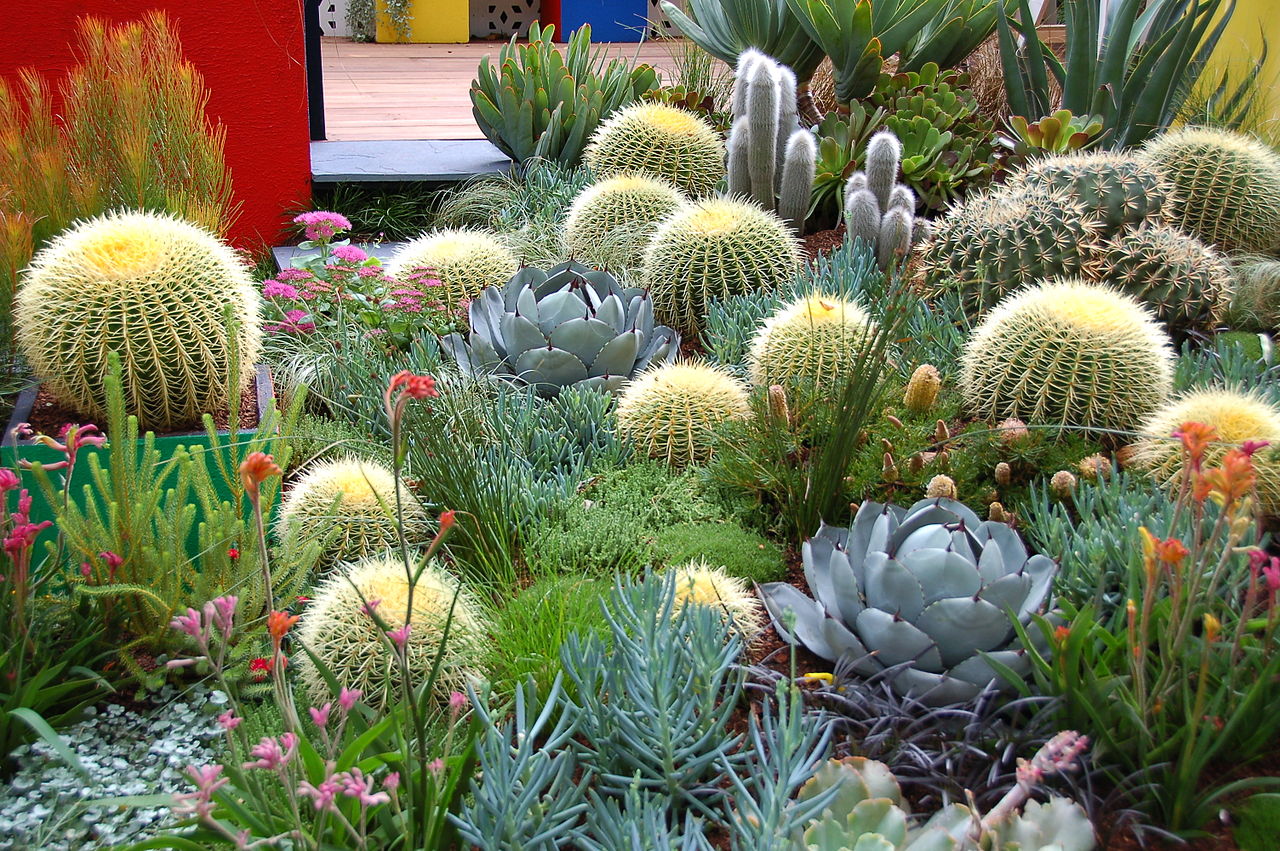
The Wave and Lace Cacti are as much living art as plants. Their intricate ridges and shadow play invite thoughtful display. Grouping with other desert succulents creates a miniature xeriscape tableau, while solitary specimens on sculptural pedestals highlight their unique form. Pair with rustic terracotta pots to echo their arid origins, or use minimalist ceramic containers for a modern aesthetic. Rotating the plant periodically prevents uneven growth towards light and allows full appreciation from every angle. Their slow growth and compact size make them ideal for desks, windowsills, or terrariums designed for low-humidity species.
Mastering the cultivation of Stenocactus—those mesmerizing Wave and Lace Cacti—is a rewarding quest that challenges and delights in equal measure. Their sinuous ridges whisper tales of desert resilience, inviting you not only to care for a plant but to partake in a living tradition of botanical artistry. With mindful attention to light, soil, water, and environment, these cacti will flourish, revealing their exquisite form and hidden depths, transforming any space into a desert gallery of natural wonder.
FAQ
What are the light requirements for Stenocactus?
Stenocactus prefers bright, filtered sunlight, ideally from a south or east-facing window, avoiding direct scorching rays.
How often should I water my Stenocactus?
Water generously but infrequently during the growing season, allowing the soil to dry completely between waterings. Reduce watering significantly during winter dormancy.
What type of soil is best for Stenocactus?
A well-draining soil mix containing at least 50% mineral components like pumice and coarse sand is ideal for Stenocactus.

Leave a Reply