
Short Answer
Across arid landscapes and bustling homes, the cactus holds a unique charm that captivates plant enthusiasts and casual observers alike. These intriguing flora, often perceived as resilient symbols of survival, possess an array of characteristics and varieties that speak to their adaptability and allure. This exploration of the diverse kinds of cacti offers a glimpse into their fascinating world, revealing not only their physical traits but also the deeper reasons behind humanity’s fascination with them.
While one might consider cacti simply as spiny succulents that thrive in deserts, their rich tapestry of forms, colors, and ecological niches invites a more profound appreciation. From the towering giants of the Sonoran Desert to the delicate blooms of indoor varieties, each cactus tells a story of evolution and survival in some of the planet’s most unforgiving environments.
The distinctions among cactus species can enhance our understanding of their adaptations. These variations reflect how life can thrive under extreme conditions. Diverse as they are distinct, cacti provide a window into nature’s ingenuity and resilience.
The numerous varieties of cacti can largely be categorized into two groups: columnar cacti and globular cacti, each representing unique adaptations to their environments.
Columnar cacti, exemplified by the iconic Saguaro (Carnegiea gigantea), dominate the landscapes where they reside. Reaching remarkable heights of up to 40 feet, Saguaros showcase an impressive morphology adapted for both water conservation and reproduction. Their tall, upright structure boasts several arms that extend outward, creating a striking silhouette against the sunset. The Saguaro’s thick, waxy skin minimizes moisture loss, while its ribbed structure allows for expansion and contraction—essential for managing water intake during infrequent rains.
In addition to their impressive size, Saguaros bloom beautifully. Each spring, their elegant white flowers emerge, attracting pollinators such as bats and bees, a relationship deeply rooted in co-evolution. The Saguaro embodies how cacti can thrive alongside other organisms, forming intricate ecosystems that support diverse wildlife.
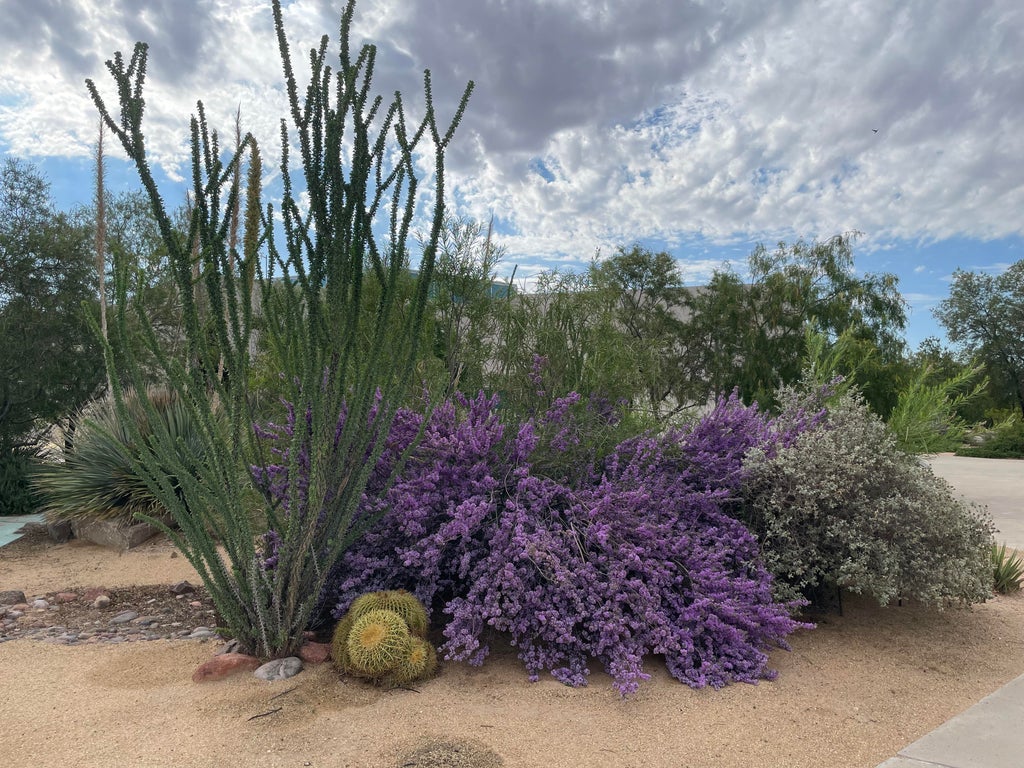
Another remarkable columnar species is the Organ Pipe Cactus (Stenocereus thurberi). Named for its distinctive multiple stems that resemble organ pipes, this cactus flourishes in the Sonoran Desert’s more forgiving microclimates. Organ Pipe Cacti are also known for their beautiful night-blooming flowers, which release a sweet fragrance to attract nocturnal pollinators, further demonstrating the diverse adaptations present within this fascinating family.
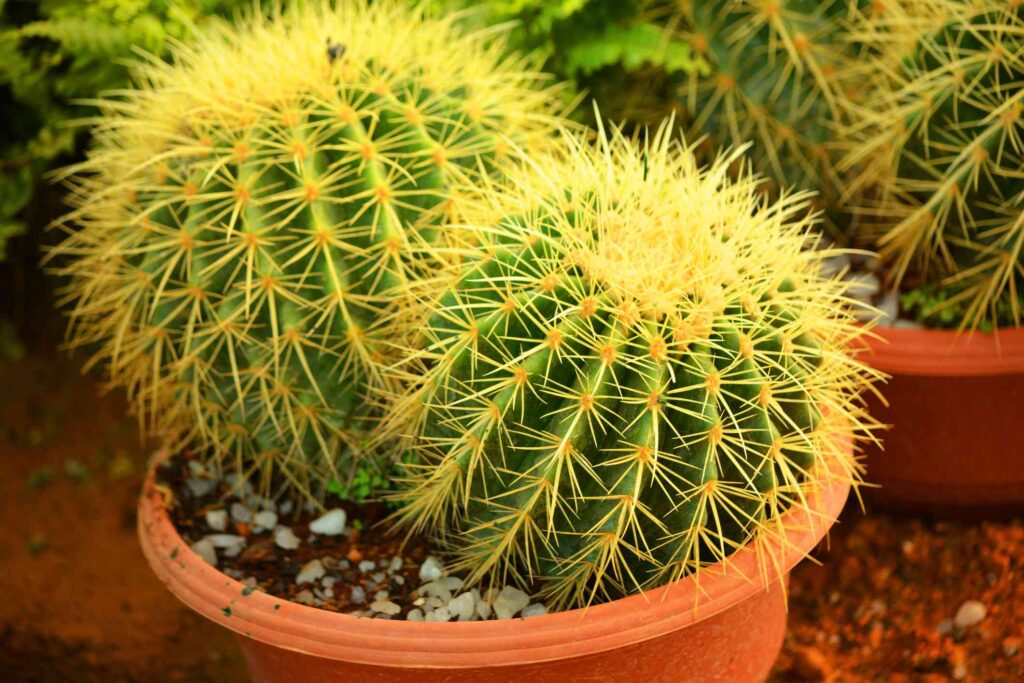
While columnar cacti showcase height and structural complexity, globular cacti exhibit a different charm. The Echinocactus genus, commonly referred to as barrel cacti, is emblematic of this form. With a stout, rounded body, the barrel cactus retains moisture efficiently while presenting a unique aesthetic appeal. The Golden Barrel Cactus (Echinocactus grusoni), for instance, flaunts its vibrant yellow spines and grows in regions where water is a precious commodity, illustrating its capability for survival with minimal resources.
Globular cacti also serve as an excellent example of mutualism with other organisms. Many species exhibit striking flowers that attract bees, hummingbirds, and butterflies, contributing to the ecosystem’s overall health. The interdependence between cacti and their pollinators is a testament to biodiversity’s importance in sustaining life.
As diverse as their external forms are, cacti exhibit an astonishing array of adaptations in response to environmental challenges, leading to their fascinating diversity. Understanding these adaptations offers insights into their evolutionary past and the conditions that shaped them.
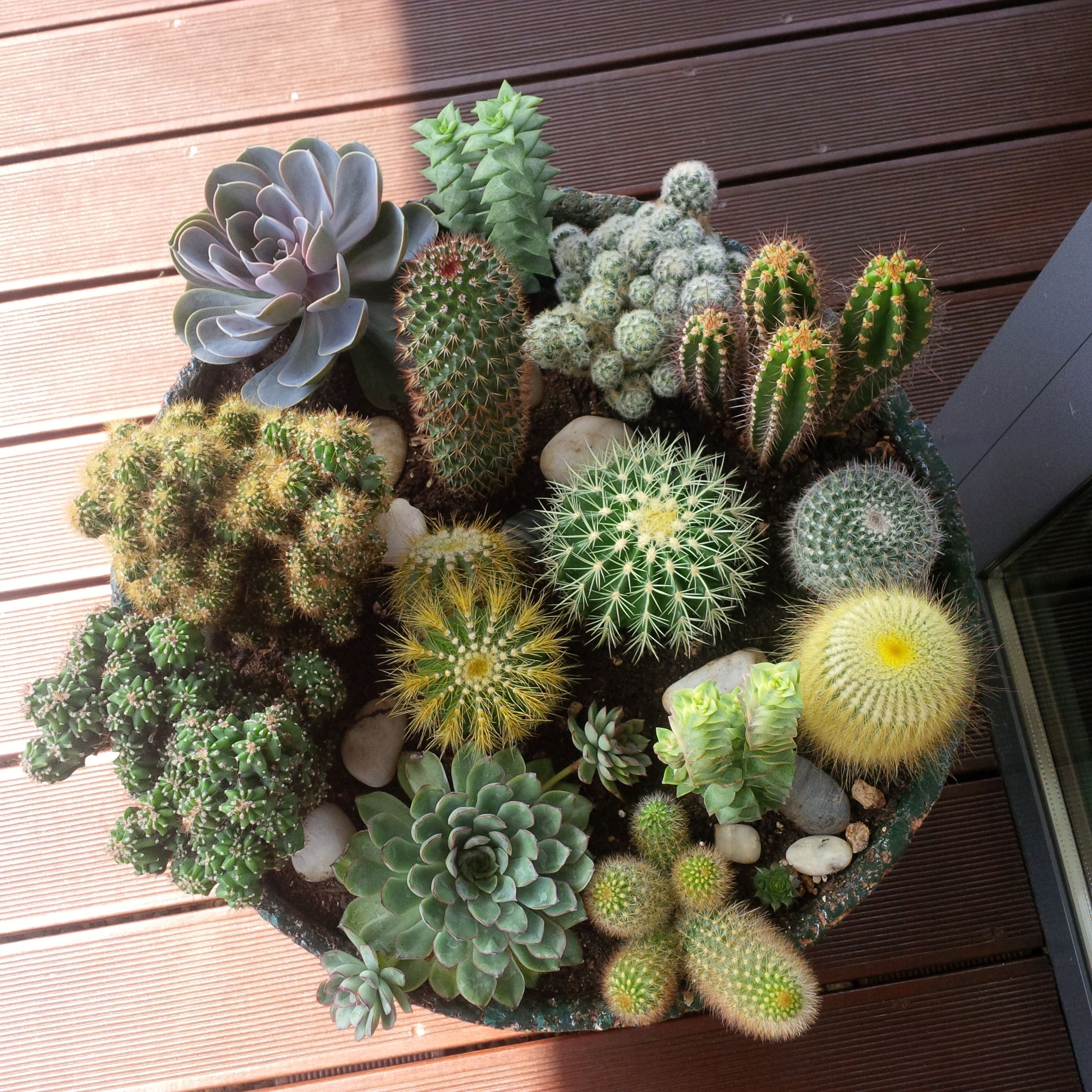
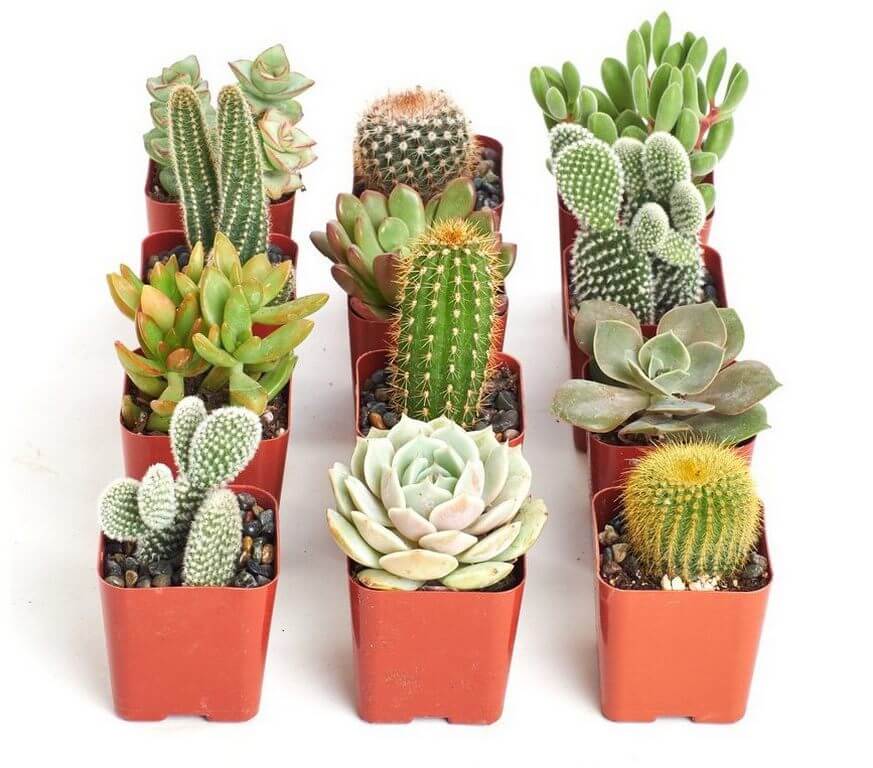
Moreover, even within the confines of our homes, cacti can flourish. The Miniature Cactus (various genera) represents an intriguing subset of cacti cultivated for indoor environments. Often less than a foot tall, these plants offer an accessible entry point for budding succulent enthusiasts.
Thein the indoor gardening scene, the Cleistocactus genus has become increasingly popular for its unique spines and flowers that spring forth in vivid hues. Superbly adapted to pot culture, they require minimal watering and can thrive in artificial lighting conditions, catering perfectly to modern lifestyle demands.
Another household favorite, the Christmas Cactus (Schlumbergera), brings a festive touch to homes during the winter months. Unlike its desert-dwelling cousins, this epiphytic cactus flourishes in humid, tropical conditions, demonstrating the extensive adaptability present within the cactus family. Its colorful, tubular flowers bring joy and vibrancy, often rekindling cherished memories during the holiday season.
Beyond their visual appeal and ease of care, cacti hold symbolic significance across numerous cultures. From ancient Aztecs, who revered the prickly pear (Opuntia) for sustenance, to the modern appreciation for these resilient plants as stress-relievers, cacti have cemented their place in both our landscapes and our hearts.
While the enchanting forms, striking colors, and sturdy nature of cacti are indeed marvelous, the curiosity surrounding their survival adaptations and cultural significance unveils deeper insights into the human experience. With each variety telling a story, cacti, whether towering giants or diminutive companions, invite our intrigue, urging us to reflect on the resilience and beauty of life in even the most challenging environments.
FAQ
What are the main types of cacti?
The main types of cacti are columnar cacti, such as the Saguaro and Organ Pipe, and globular cacti, like barrel cacti. These types differ in shape, size, and adaptation to their environments.
How do cacti adapt to survive in arid environments?
Cacti have adaptations such as thick waxy skin to reduce moisture loss, ribbed bodies for water storage expansion, and spines that protect them and reduce evaporation.
Can cacti be grown indoors?
Yes, many small or miniature cacti, such as those from the Cleistocactus genus and Christmas Cactus, are well-suited to indoor environments and require minimal watering and light.
What is the cultural significance of cacti?
Cacti have been significant in various cultures, such as the Aztecs who valued prickly pear for food and medicine. Today, they are appreciated for their resilience and are often used as stress-relieving houseplants.

Leave a Reply