
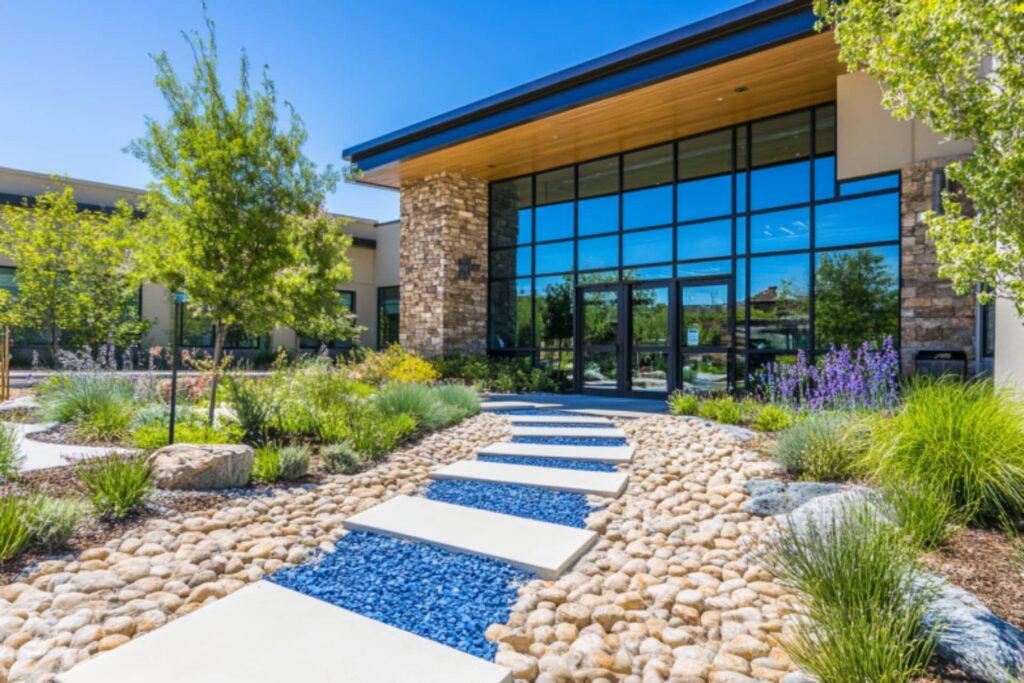
Short Answer
In the arid embrace of a desert sun, where water whispers through the cracks of parched earth, cacti stand as silent sentinels of resilience. These spiky marvels, often dismissed as mere desert curiosities, are the unsung heroes of commercial landscaping—a living tapestry of texture, form, and tenacity. Imagine a corporate plaza transformed into a sculptural oasis, where towering saguaros cast dappled shadows over sleek walkways, and clusters of barrel cacti punctuate the landscape like nature’s own art installations. The secret? Cacti are not just survivors; they are the architects of a new aesthetic, one that thrives on scarcity and dazzles with defiance.
The Allure of the Arid: Why Cacti Are the Ultimate Low-Water Champions
Picture a garden that drinks from the sky but never asks for a drop from the tap. Cacti are the embodiment of this paradox, their fleshy stems and waxy skins evolved to hoard moisture like misers in a gold rush. Unlike their thirsty counterparts, these succulents boast a CAM photosynthesis—a metabolic sleight of hand that lets them open their stomata at night, when evaporation is minimal, and seal them by day to conserve every precious molecule. This evolutionary hack makes them the ideal candidates for commercial landscapes where water conservation isn’t just a trend; it’s a necessity.
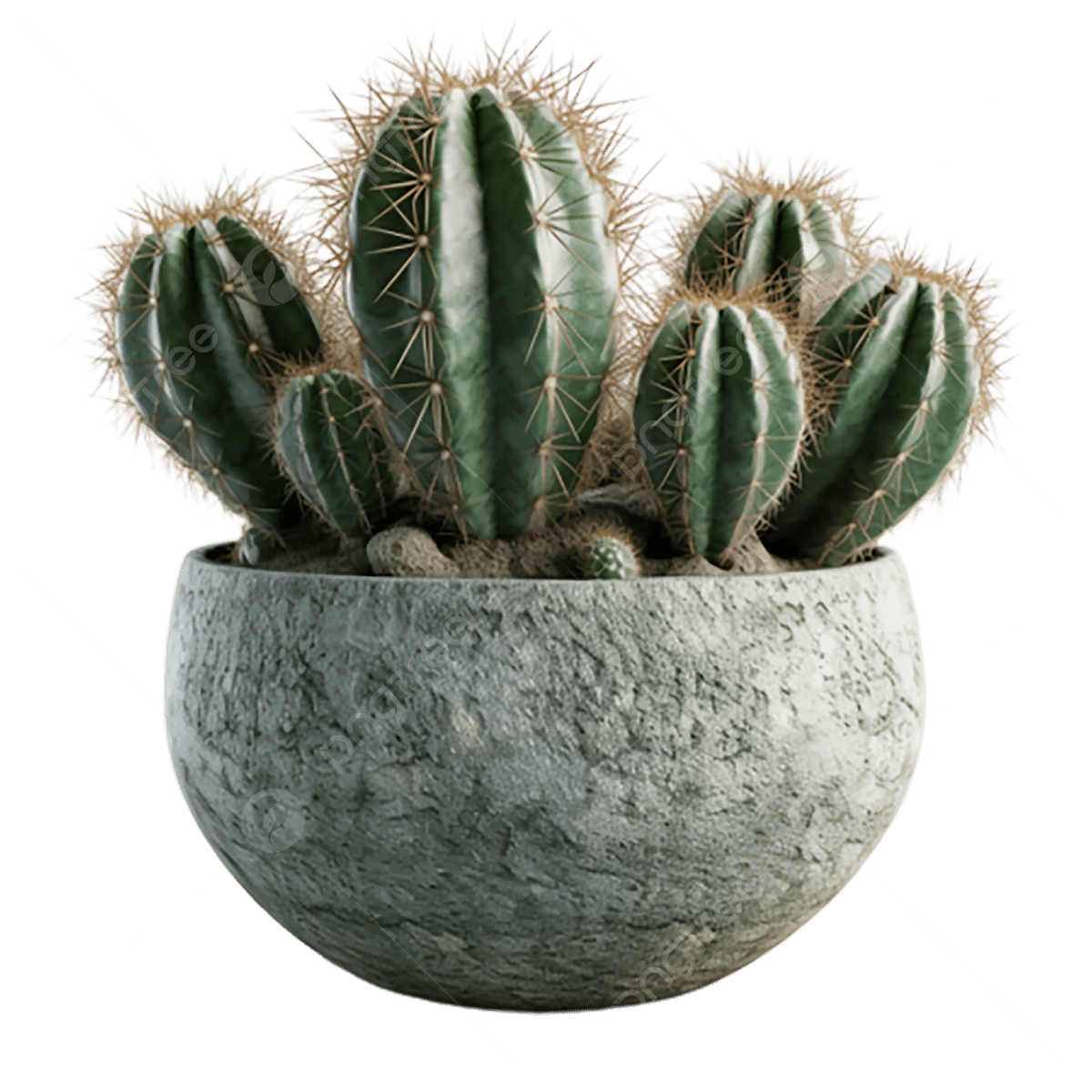
Consider the Opuntia, or prickly pear, with its flat, paddle-like pads that store water like a camel’s hump. Or the Echinocactus grusonii, the golden barrel cactus, whose ribbed, spherical form catches the light like a gilded orb. These aren’t just plants; they’re water-wise sculptures, each one a testament to nature’s ingenuity. By integrating them into commercial designs, businesses can slash irrigation costs while adding a touch of the extraordinary—a juxtaposition of the rugged and the refined.
Designing with Spines: Crafting a Cactus-Centric Commercial Oasis
To wield cacti effectively in a commercial setting, one must think like an artist and a botanist in equal measure. The key lies in layered composition, where height, texture, and color play off one another to create visual depth. Start with the anchor species—towering Carnegiea gigantea (saguaro) for a dramatic focal point, their segmented arms reaching skyward like the limbs of ancient sentinels. Flank them with mid-sized Ferocactus varieties, their bold, geometric forms providing contrast against the saguaros’ organic silhouette.
For ground cover, turn to the Echeveria or Sedum species, their rosette shapes and pastel hues softening the harshness of spines. Interspersed with gravel or decomposed granite, these plants create a desert mosaic that’s as tactile as it is visually striking. And don’t overlook the color play—cacti like the Mammillaria boast vibrant blooms in shades of pink, red, and yellow, injecting bursts of chromatic energy into monochrome urban landscapes.
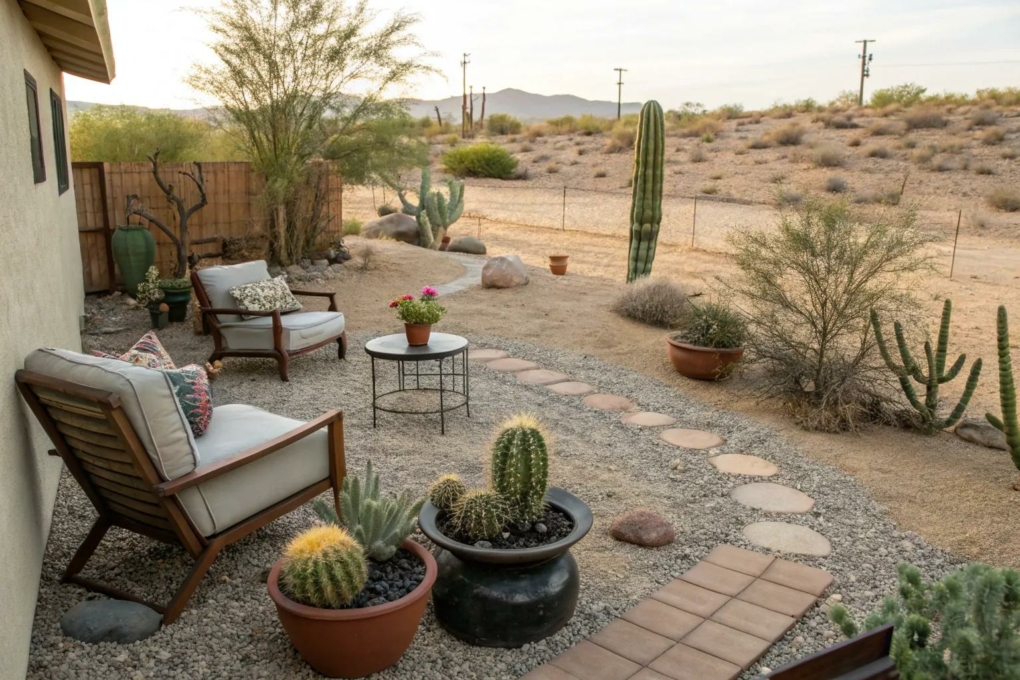
But design isn’t just about aesthetics; it’s about functionality. Cacti excel in xeriscaping, a landscaping philosophy that eliminates the need for supplemental watering. Pair them with native grasses or drought-tolerant shrubs, and you’ve crafted a self-sustaining ecosystem that thrives on neglect. The result? A commercial space that’s not just beautiful but resilient—a place where maintenance costs plummet, and the landscape becomes a living, breathing advertisement for sustainability.
The Urban Desert: Transforming Concrete Jungles into Cactus Havens
Cities are often seen as the antithesis of nature, but with cacti, even the most sterile plaza can be reimagined as a desert sanctuary. Envision a rooftop garden where Agave and Aloe species rise from a bed of crushed volcanic rock, their spiky silhouettes silhouetted against the skyline. Or a corporate courtyard where a Hedgehog cactus (Echinocereus) forms a living barrier, its dense spines offering both privacy and a striking visual barrier.
For businesses with limited space, vertical gardens are a game-changer. Mount Rhipsalis or Schlumbergera (Christmas cactus) on living walls, their trailing stems creating a waterfall of green and red. These installations not only beautify but also improve air quality, filtering pollutants while demanding virtually no upkeep. In an era where green credentials are currency, a cactus-adorned facade is a silent yet potent statement of environmental stewardship.
And let’s not forget the psychological impact. Studies show that exposure to greenery reduces stress and boosts productivity. A commercial space dotted with cacti isn’t just a feast for the eyes; it’s a balm for the soul. In a world of glass and steel, these desert dwellers bring a touch of the wild, the untamed—a reminder that even in the most artificial of environments, nature’s resilience can flourish.
Beyond Beauty: The Practical Perks of Cactus Landscaping
The advantages of cactus-centric commercial landscaping extend far beyond curb appeal. First, there’s the cost savings. Traditional lawns guzzle water, requiring constant irrigation, mowing, and fertilizing. Cacti, by contrast, ask for almost nothing. A single drip irrigation system, set on a timer, can sustain an entire desert garden for months. This translates to lower utility bills, reduced labor costs, and fewer headaches for property managers.
Then there’s the durability factor. Cacti are tough. They shrug off pests, resist disease, and thrive in poor soil. Unlike delicate ornamentals that wilt at the first sign of drought, these plants are built to last. This makes them ideal for high-traffic areas—plazas, parking lot medians, or the edges of sidewalks—where traditional landscaping would quickly succumb to wear and tear.
But perhaps the most compelling argument is their versatility. Cacti can be sculpted into topiary, trained into bonsai, or left to grow wild and untamed. They pair effortlessly with modern minimalism, Mediterranean themes, or even futuristic sci-fi aesthetics. A cluster of Blue Columnar cacti (Pilosocereus pachycladus) can evoke the spires of a lost civilization, while a bed of Pincushion cacti (Mammillaria) might resemble a field of tiny, spiky mushrooms. The possibilities are as limitless as the imagination.
Cultivating a Cactus Culture: Maintenance and Myth-Busting
Some skeptics balk at the idea of cacti in commercial spaces, citing fears of spines, pests, or the need for specialized care. Let’s dispel these myths. Yes, cacti have spines—but these are nature’s own security system, deterring both pests and passersby who might otherwise trample them. As for pests, most cacti are remarkably resistant to the usual garden nuisances like aphids or whiteflies. A quick spray of neem oil or a blast from a hose is often all it takes to keep them in check.
Maintenance is minimal but not nonexistent. While cacti are drought-tolerant, they still need occasional watering—just not the daily soak that traditional plants demand. During the growing season (spring and summer), a deep watering every two to three weeks is sufficient. In winter, they can go months without a drop. And pruning? Rarely needed, unless you’re shaping them for aesthetic purposes. Most cacti are content to grow at their own pace, adding a few inches each year like a slow-motion sculpture.
One final tip: mulch matters. A layer of gravel or decomposed granite around the base of your cacti not only enhances their desert aesthetic but also suppresses weeds and retains soil moisture. It’s the icing on the cake of a low-maintenance, high-impact landscape.
The Future is Spiky: Why Cacti Are the Landscaping Trend That’s Here to Stay
As climate change tightens its grip and water becomes an increasingly precious resource, the landscaping industry is undergoing a quiet revolution. Out are the thirsty lawns and in are the water-smart survivors—plants that ask for less and give more. Cacti are at the vanguard of this movement, their star rising as businesses and municipalities seek sustainable solutions that don’t sacrifice beauty.
But this isn’t just a trend; it’s a paradigm shift. Cacti challenge our perceptions of what a landscape should be. They prove that scarcity can be a canvas, that resilience can be ravishing. In a world obsessed with instant gratification, these plants offer something rarer: patience. They grow slowly, bloom occasionally, and ask for little in return. And in doing so, they teach us a lesson in humility—one that’s sorely needed in an era of excess.
So the next time you see a saguaro standing sentinel in the desert sun, remember: it’s not just a plant. It’s a blueprint. A manifesto. A quiet revolution in a prickly package. And with a little creativity, it could be the future of your commercial landscape.
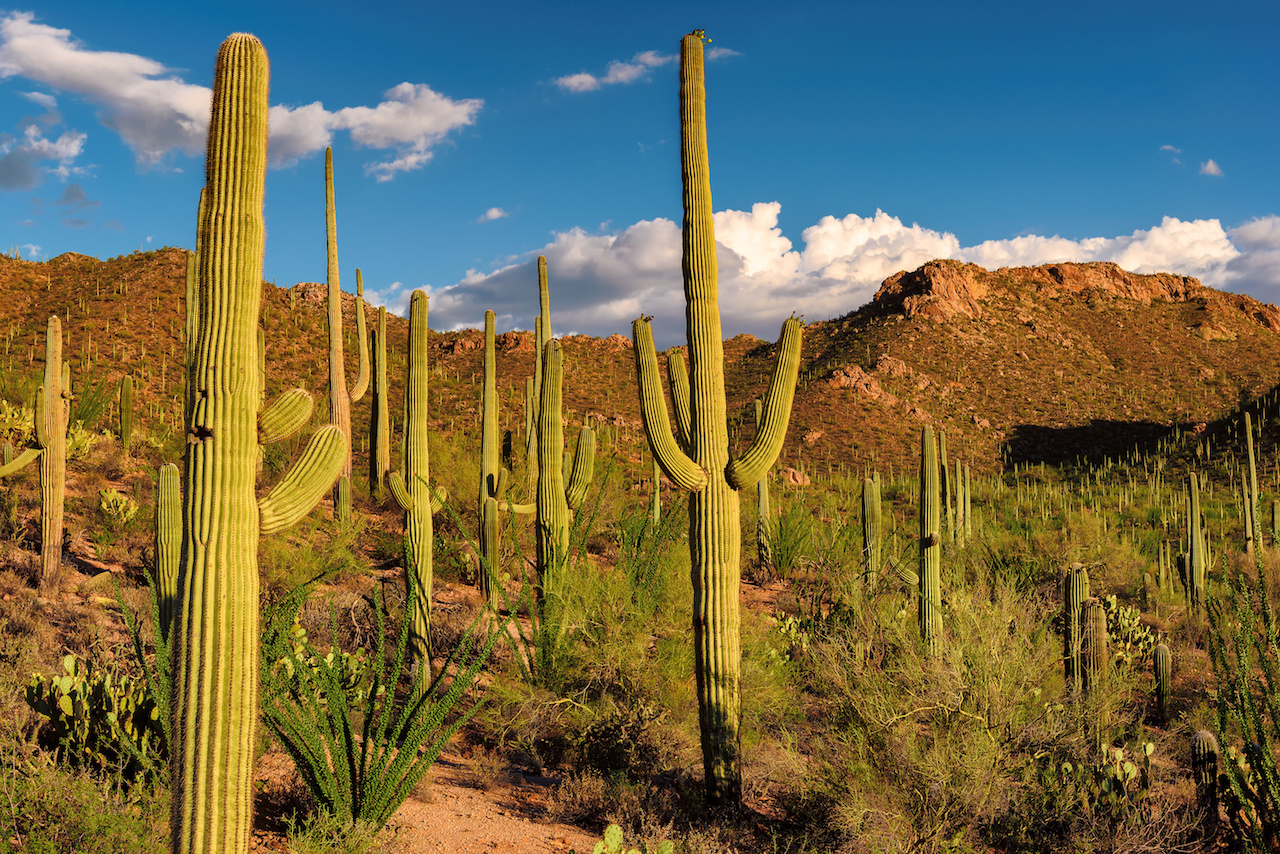
The saguaro, a symbol of the American Southwest, embodies the strength and beauty of desert flora. Its slow growth—just an inch a year—makes it a living testament to patience and resilience, qualities that resonate in both nature and commercial design.
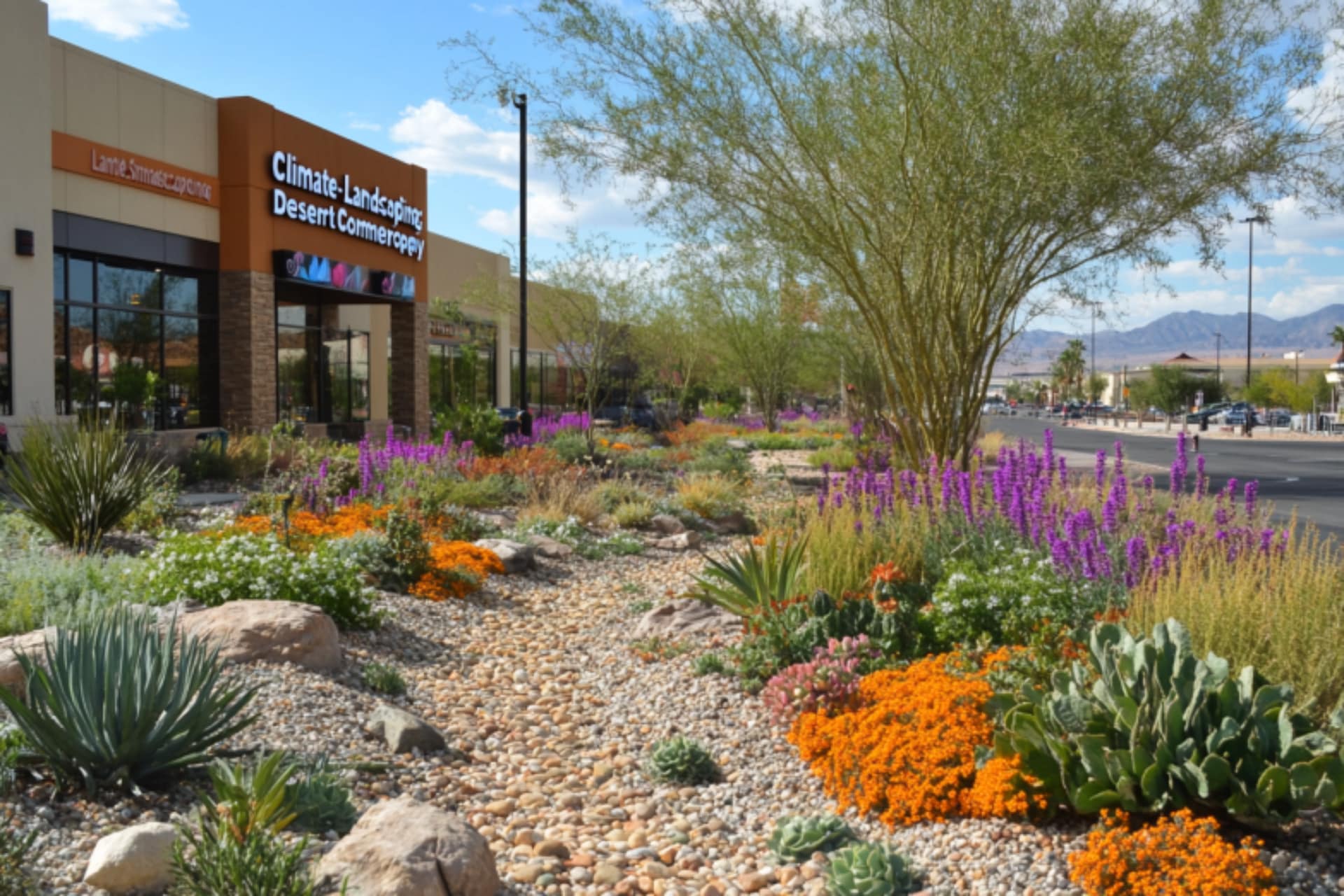
Commercial spaces can be transformed into sustainable oases with the strategic placement of cacti. Here, barrel cacti and native grasses create a low-water landscape that’s both functional and visually stunning, proving that green spaces don’t have to be green in color to thrive.
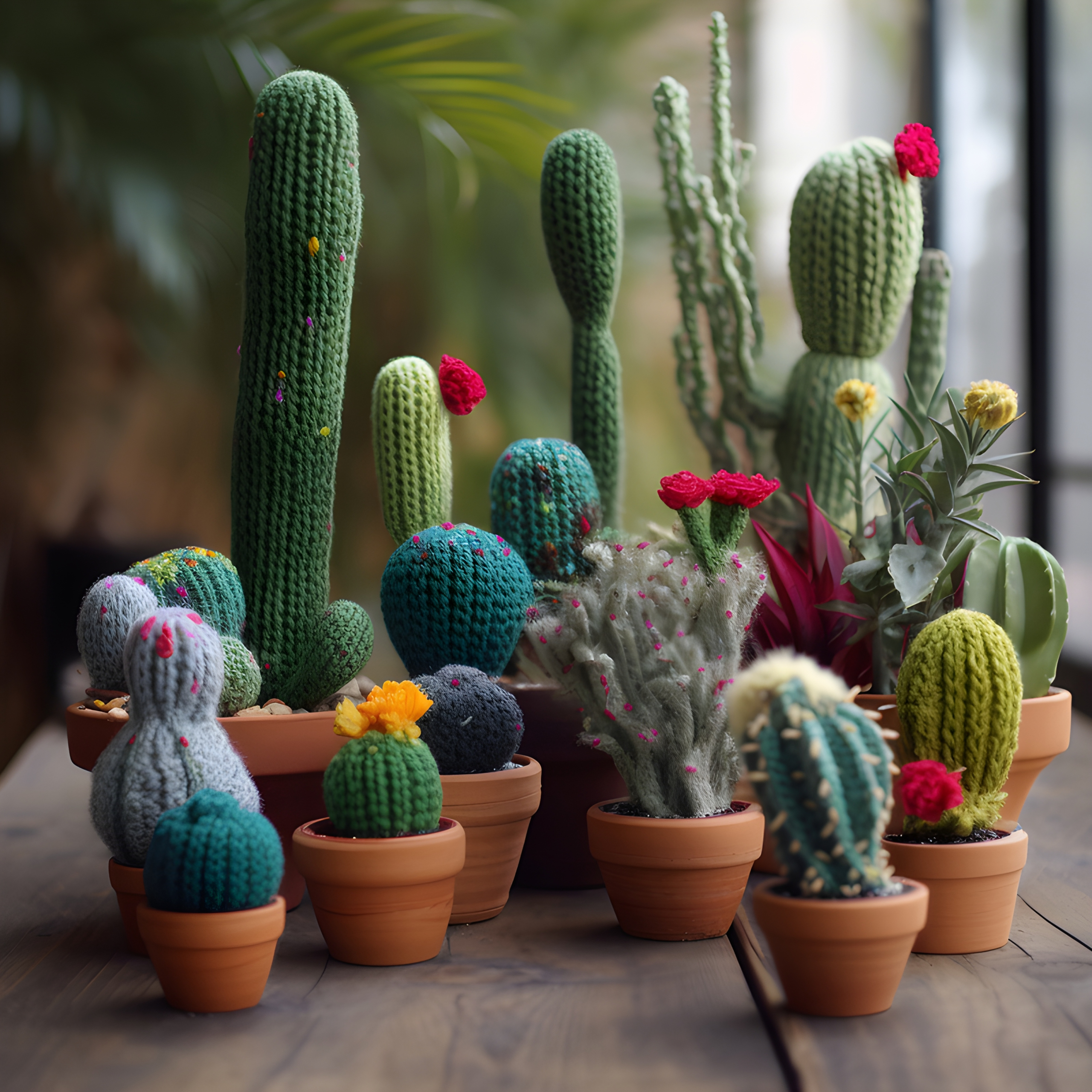
Cacti aren’t just for outdoor landscapes—their striking forms can inspire art and design, as seen in this knitted interpretation. Their geometric precision and tactile surfaces make them a favorite among artists and designers seeking to capture the essence of the desert in unconventional mediums.
FAQ
What types of cacti are best for commercial landscaping?
Popular choices include Saguaro, Prickly Pear, and Barrel cacti due to their resilience and aesthetic qualities.
Can cacti survive in urban environments?
Yes, cacti thrive in urban settings, providing green spaces that require little water and maintenance.

Leave a Reply