
Short Answer
Imagine yourself wandering through a vast desert, the sun beating down fiercely, and the only thing in sight are fascinating shapes of cactus plants seemingly rising from the sandy terrain. Have you ever wondered where these remarkable plants thrive naturally? Let’s embark on a journey to unearth the diverse habitats of cacti across the globe, exploring their resilience and adaptability. Are you ready for a challenge? Try to spot a cactus in a non-desert environment! Spoiler: it’s possible.
The Natural Habitat of Cactus Plants
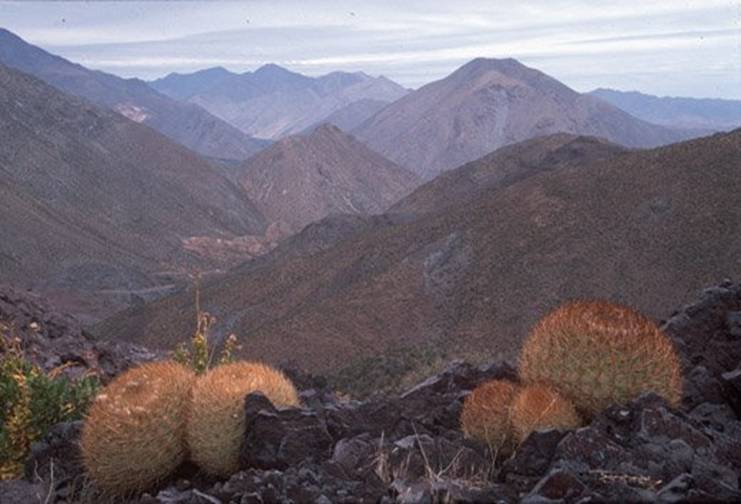
Cacti are synonymous with arid environments; however, their existence is not confined to just parched landscapes. These plants flourish primarily in regions that provide specific ecological conditions conducive to their growth. Cactus species predominantly inhabit North and South America, but their biogeographic distribution extends into some of the world’s driest locales.
From the arid expanses of the southwestern United States to the unique high-altitude environments of the Andes, cacti have adapted to myriad settings. This section delves into these captivating ecosystems, shedding light on how cacti have become emblematic of resilience.
Desert Domains: The Quintessential Cactus Home
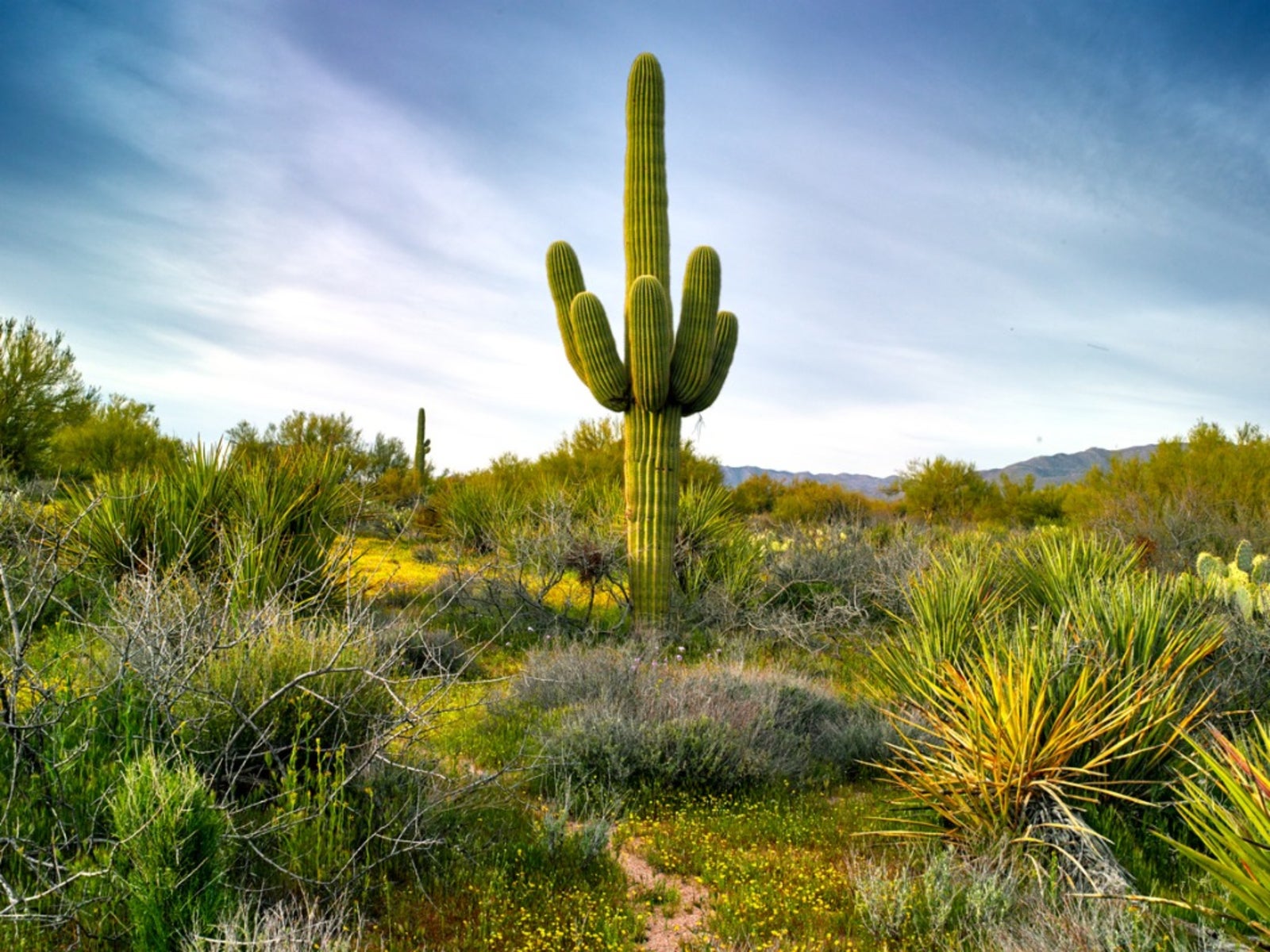
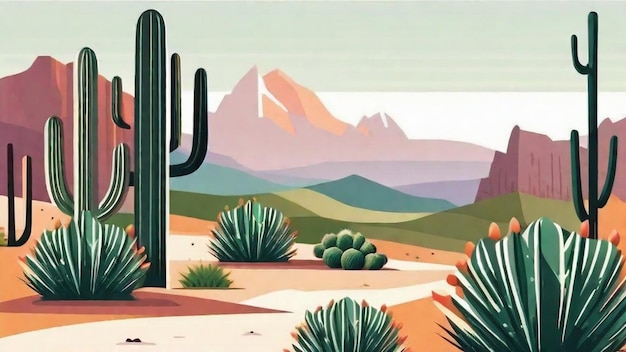
Deserts seem to be the charismatic kingdom of cacti, where both the scorching heat and the limited water supply foster some of the most iconic species. The Sonoran, Mojave, and Chihuahuan Deserts in North America offer exemplary cases. Here, the saguaro cactus stands tall with its majestic silhouette, reaching heights of up to 40 feet. This giant can store substantial amounts of water and has developed a unique ribbed structure to expand when water is available.
The adaptation of cacti in such arid deserts is nothing short of extraordinary. Many have evolved to exhibit thick, waxy skins that minimize water loss, while their spines serve a dual purpose: deterring herbivores and providing some shade. The survival strategy of opening their stomata during cooler nighttime temperatures to conserve moisture showcases an evolutionary marvel, as these plants artfully navigate the harsh desert climate.
High Altitude: Cacti Go Vertical
Can you imagine cacti thriving at staggering altitudes, where temperatures plummet and conditions become extraordinarily unforgiving? The high-altitude regions of the Andes Mountains present an alluring yet challenging habitat for certain species of cacti. Here, among the rugged slopes and rocky outcrops, you will find adaptive species like the Echinopsis terscheckii, commonly known as the Cardón. This resilient plant flourishes at elevations exceeding 3,000 meters (9,800 feet).
These high-altitude cacti display remarkable traits. With a hairy top that traps moisture from the occasional mist and floating clouds, they possess a unique ability to endure extreme cold. Additionally, the bright flowers that bloom during the brief summer months are not only visually stunning, but they also attract the rare pollinators that inhabit these precarious ecosystems. The adaptability of these cacti raises intriguing questions about their evolutionary journey.
Coastal Region: Surprising Cactus Environments
What if I told you that cacti also thrive near coastal areas? Surprised? While often overlooked, some species have adapted to exist in coastal settings, particularly in the Caribbean. The Opuntia (prickly pear) is one notable example. Found in sandy soils, rocky outcrops, and even areas exposed to salt spray, these resilient plants have crafted unique lifestyles in environments that may initially seem inhospitable.
Coastal cacti have adapted to withstand salt-laden winds and occasional flooding from storms, showcasing their splendid versatility. Their ability to thrive alongside other coastal vegetation speaks to their remarkable adaptability. Moreover, when one observes the colorful fruit of the prickly pear, it becomes evident that these cacti have not only survived but have thrived while contributing to the ecosystem’s biodiversity.
Urban Environments: Cacti Among Us
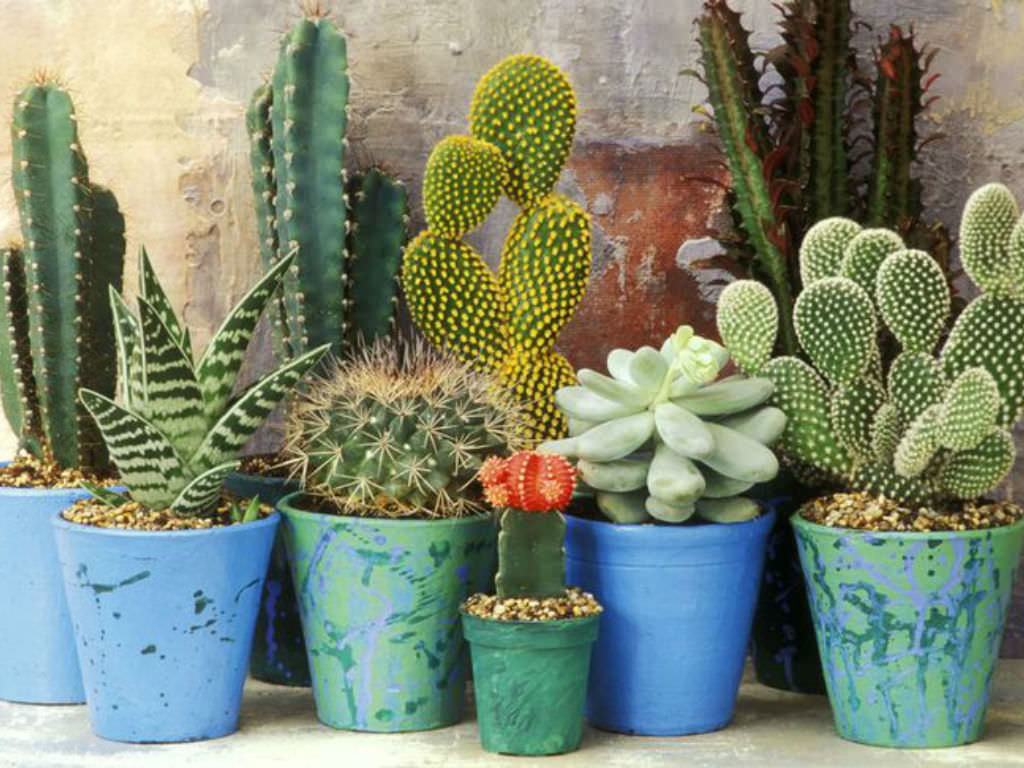
In an urban milieu, one may think that cacti would struggle amidst concrete jungles. Think again! Cacti have found their place alongside urban dwellers. Rooftop gardens and landscaped properties encourage a flourishing coexistence of nature and city life. From small pots on balconies to larger installations in public parks, cacti have successfully adapted, bringing a splash of green and a touch of the exotic to metropolitan landscapes.
As urbanites become increasingly environmentally conscious, cacti have experienced a resurgence in popularity. Their low-water needs and minimal maintenance required make them an appealing choice for various settings. The thriving urban cactus community serves as a reminder of the plant’s resilience and versatility, showcasing how even in the most unexpected environments, life manages to adapt.
The Global Symphony of Cactus Habitats
The diversity of cactus habitats reminds us of the adaptive genius of nature. From the unyielding deserts of North America to the windswept coastlines of the Caribbean and the high-altitude Andes, cacti exemplify resilience and beauty. However, understanding where they can be found not only enriches our appreciation but also highlights the importance of conservation.
As environmental challenges mount, preserving these unique habitats is paramount. The global distribution of cacti serves as a poignant indicator of our planet’s biodiversity. So, the next time you gaze upon a cactus, consider its remarkable journey through time and space. Where will your cactus encounter be? Only time and observation can unveil these captivating secrets.
FAQ
Where are cacti naturally found?
Cacti are native to the Americas, primarily thriving in deserts, high-altitude mountains, coastal areas, and urban environments.
Can cacti grow in environments other than deserts?
Yes, cacti have adapted to survive in various environments including mountainous regions, coastal zones, and urban settings.
What special adaptations help cacti survive in harsh habitats?
Cacti have thick waxy skins to reduce water loss, spines for protection and shade, and open their stomata at night to conserve moisture.
Are cacti found worldwide?
Cacti are native mostly to the Americas, with no natural occurrence on other continents, though they can be cultivated elsewhere.

Leave a Reply