
Short Answer
Fish Emulsion with Kelp: The Dynamic Duo for Cacti Growth
Have you ever marveled at the way a cactus can thrive in arid conditions, standing tall against the unforgiving sun? Cacti have evolved to flourish in hostile environments, making them remarkably resilient. However, even the hardiest of cacti can benefit from the right nutrients. One intriguing option for organic gardeners is fish emulsion combined with kelp. But what makes this aquatic concoction so appealing for our spiky green friends? As we explore the depths of this topic, let’s consider: how can this unique fertilizer challenge conventional gardening wisdom and elevate the care of your cherished cacti?
Understanding Fish Emulsion: A Nutrient-Rich Wonder
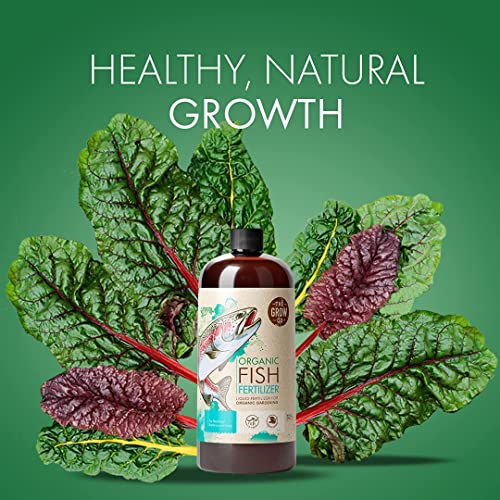
Fish emulsion is derived from whole fish or fish by-products, which are processed to create a nutrient-dense liquid fertilizer. This organic option is replete with vitamins, amino acids, and trace minerals essential for plant health. The decomposition process breaks down fish tissues into a bioavailable form, making it easier for plant roots to absorb the nutrients.
One of the primary benefits of fish emulsion is its rich nitrogen content. Nitrogen promotes vigorous growth and is especially important for cacti during their active growing season. This nutrient acts as a catalyst, igniting healthy shoots and blossoms. Moreover, fish emulsion enhances the soil microbiome, creating a hospitable environment for beneficial microorganisms that assist in nutrient uptake.
While the benefits of fish emulsion are undeniable, it is important to strike a balance. Over-fertilization can result in nutrient burn, characterized by yellowing stems and stunted growth. Hence, understanding the appropriate application method and frequency is crucial to reaping the rewards of this organic fertilizer.
The Role of Kelp: A Seaweed Superfood
Kelp, the oceanic marine algae, adds a plethora of benefits when combined with fish emulsion. It is packed with macro and micronutrients, including potassium, calcium, and magnesium, alongside natural growth hormones like auxins and cytokinins. These compounds stimulate root development, support cellular differentiation, and enhance the overall vigor of plants.
Adding kelp to the mix serves several purposes, particularly in assisting cacti to withstand environmental stressors. During extreme weather conditions—be it excessive heat or cold—kelp’s natural compounds bolster plants’ resilience. Its ability to enhance moisture retention in soil is particularly beneficial, making it easier for cacti to thrive during dry spells.
Moreover, the phytohormones derived from kelp significantly contribute to flowering and fruiting, characteristics many cactus enthusiasts desire. By improving the overall health of the plant, kelp not only complements the benefits of fish emulsion but also elevates the entire growth profile of cacti.
Application Techniques: Mastering the Art of Fertilizing
Now that we understand the remarkable properties of fish emulsion and kelp, how can one effectively apply this organic fertilizer to benefit cacti? Timing and method are paramount. The best time to fertilize cacti is during their growing season, which typically spans from spring to early fall. During this period, cacti are actively developing and can readily utilize the available nutrients.
When preparing the fertilizer, it is advisable to dilute fish emulsion with water according to the instructions on the label. A common ratio is one part fish emulsion to ten parts water; this dilution prevents potential nutrient burn while still providing ample nourishment. Mixing kelp powder into this solution can create a potent elixir. Alternatively, liquid kelp can be used for those preferring a more concentrated application.
Application can be achieved through soil drenching or foliar feeding. Soil drenching involves pouring the diluted solution directly onto the soil, allowing the roots to absorb the nutrients. Foliar feeding is an on-the-go method where the solution is sprayed onto the cactus’ surface. This can result in immediate nutrient absorption through stomata, although care must be taken to avoid excess moisture buildup, which could encourage fungal issues.
Potential Challenges: Striking the Right Balance
In addition, sourcing high-quality fish emulsion and kelp products can pose another challenge. It is essential to select organic options that are free from harmful additives or synthetic components. Reputable brands provide detailed information about their sourcing and production practices, ensuring that you are nurturing your plants ethically and sustainably.
Ultimately, experimentation is key. Each cactus species has its specific nutritional needs and tolerances. By observing individual plant responses to this organic fertilizer, you will develop an intuition for complexity in nurturing these resilient beings. With a little care and consideration, fish emulsion with kelp can revolutionize your approach to cactus care, challenging the boundaries of traditional gardening norms.
In conclusion, incorporating fish emulsion with kelp into your cactus care routine is more than just a trend; it is a commitment to providing optimal nutrition for your plants. By embracing this organic fertilizer, you can not only ensure vivacious growth and flowering but also cultivate a deeper connection with the remarkable world of cacti. So, will you take the plunge and discover the benefits of this aquatic nutrient powerhouse? Your cacti may just reward you with their thriving beauty.
FAQ
What is fish emulsion fertilizer?
Fish emulsion is a liquid organic fertilizer made from decomposed fish that provides nitrogen and essential nutrients for plant growth.
Why add kelp to fish emulsion for cacti?
Kelp adds micronutrients and natural growth hormones that improve root development, stress tolerance, and flowering in cacti.
How often should I fertilize my cactus with fish emulsion and kelp?
Fertilize during the growing season every 4-6 weeks with properly diluted solution to avoid nutrient burn.
Can I use foliar feeding for cacti?
Yes, but apply sparingly to avoid excess moisture which can encourage fungal issues.




Leave a Reply