
Short Answer
In the verdant tapestry of horticulture, few plants command the same mystique and allure as the rare cactus. These botanical marvels, sculpted by millennia of desert evolution, are not merely survivors of arid extremes—they are living sculptures, guardians of resilience, and ambassadors of biodiversity. For enthusiasts and collectors, the pursuit of ethically grown rare cactus genera transcends mere hobbyism; it becomes a pilgrimage to preserve botanical heritage, support sustainable cultivation, and nurture ecosystems one spine at a time. Whether you’re a seasoned connoisseur or a budding succulent savant, the journey to find the perfect cactus nursery is as rewarding as the plants themselves. Let us embark on a curated exploration of the world’s finest nurseries dedicated to ethically grown rare cacti, where passion meets precision, and every specimen tells a story.
The Art of Ethical Cactus Cultivation: Why It Matters
Not all cacti are created equal—especially when it comes to their origins. The global demand for rare and exotic cacti has, in some corners, birthed a shadow industry rife with illegal poaching, habitat destruction, and unsustainable propagation. Ethical cactus cultivation stands as a bulwark against this tide, emphasizing responsible sourcing, conservation-minded breeding, and transparent supply chains. When you purchase from an ethical nursery, you’re not just acquiring a plant; you’re investing in the preservation of species like Turbinicarpus, Aztekium, and Lophophora—genera teetering on the brink of extinction in the wild. These nurseries often collaborate with botanical gardens, conservation programs, and international seed banks to ensure genetic diversity and ecological integrity. Moreover, ethical growers prioritize slow, deliberate propagation over mass cloning, preserving the unique characteristics—those mesmerizing ribs, hypnotic areoles, and jewel-toned blooms—that make each cactus a masterpiece of nature’s design.
Cactus Nursery Ariane, Belgium: A European Haven for Rare Species
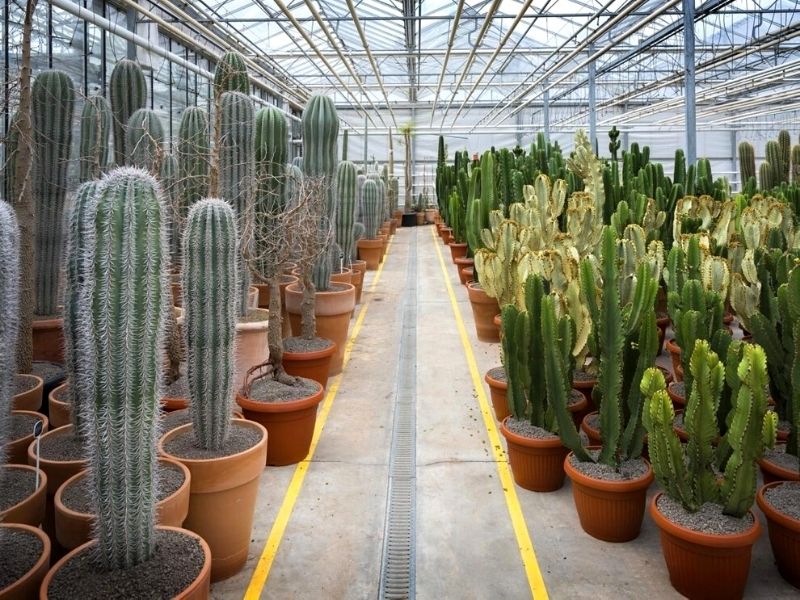
Nestled in the temperate embrace of Belgium, Cactus Nursery Ariane is a sanctuary where Old World charm meets New World botanical wonder. This family-run enterprise has cultivated a reputation as a purveyor of some of Europe’s rarest cacti, with a particular penchant for Gymnocalycium hybrids and Mammillaria species that defy convention. What sets Ariane apart is its dedication to ex-situ conservation—a term that sounds clinical but feels profoundly humane. The nursery’s greenhouse, a cathedral of glass and steel, houses specimens propagated from seeds collected decades ago, ensuring that genetic lines remain unbroken. Visitors to the nursery can expect not just plants, but an education: workshops on grafting techniques, lectures on desert ecosystems, and even guided tours through themed displays that mimic the natural habitats of these spiny treasures. For collectors seeking Echinocactus grusonii ‘Variegatus’ or Copiapoa species with striking blue-gray epidermis, Ariane is a pilgrimage site where rarity and responsibility intertwine.
Sunland Cactus Nursery: Where Desert Dreams Take Root
Venture into the sun-baked expanse of the American Southwest, and you’ll find Sunland Cactus Nursery—a sprawling oasis where the spirit of the Sonoran Desert is bottled into living, breathing form. This nursery is a testament to the tenacity of cacti, with rows upon rows of Ferocactus, Echinocereus, and Escobaria species that thrive under the same relentless sun that forged them. What makes Sunland exceptional is its field-grown philosophy: many of its cacti are cultivated in open-air conditions, allowing them to develop the robust, sun-weathered forms that collectors covet. The nursery also specializes in caudex-forming cacti like Pediocactus and Sclerocactus, plants that store water in swollen stems, creating a sculptural presence that’s as functional as it is beautiful. For those seeking Coryphantha with neon-pink flowers or Neolloydia species that blush in hues of violet, Sunland offers more than plants—it offers a slice of the desert’s soul. Their annual Cactus & Succulent Extravaganza is a must-attend event, blending horticulture with local art, music, and a deep reverence for the arid lands that inspire their work.

Rare Cactus Nursery: The Zen Garden of Spiny Serenity
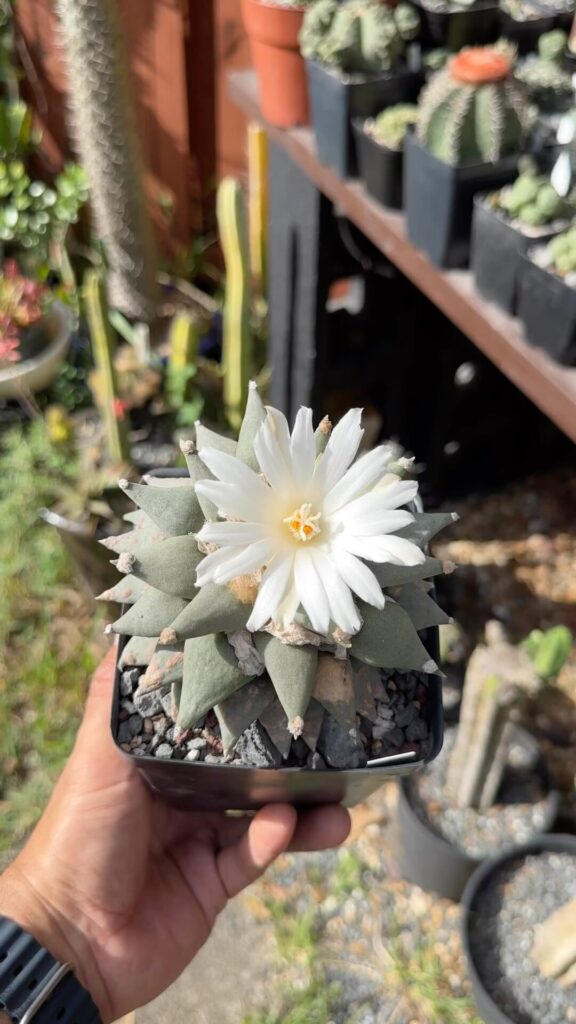
In the quietude of a Pacific Northwest landscape, Rare Cactus Nursery emerges as a paradox—a sanctuary of desert flora thriving in a region synonymous with rain and moss. This nursery is a masterclass in microclimate adaptation, proving that cacti can flourish far beyond their native habitats with the right care. Specializing in epiphytic cacti like Epiphyllum and Hatiora, as well as terrestrial rarities such as Obregonia denegrii and Strombocactus disciformis, Rare Cactus Nursery redefines what it means to grow cacti in non-traditional zones. Their greenhouse is a symphony of humidity, light diffusion, and airflow, mimicking the high-altitude cloud forests where many rare species originate. The nursery’s founder, a former landscape architect, infuses every display with an artistic eye, arranging cacti in compositions that evoke Zen gardens or minimalist sculptures. For collectors seeking Discocactus with luminous white blooms or Uebelmannia species with a waxy, almost porcelain-like texture, Rare Cactus Nursery offers not just plants, but a meditative horticultural experience. Their online catalog is a treasure trove of information, with detailed care sheets and propagation tips that empower growers to nurture these botanical gems with confidence.
Beyond the Greenhouse: What to Expect When Visiting a Cactus Nursery
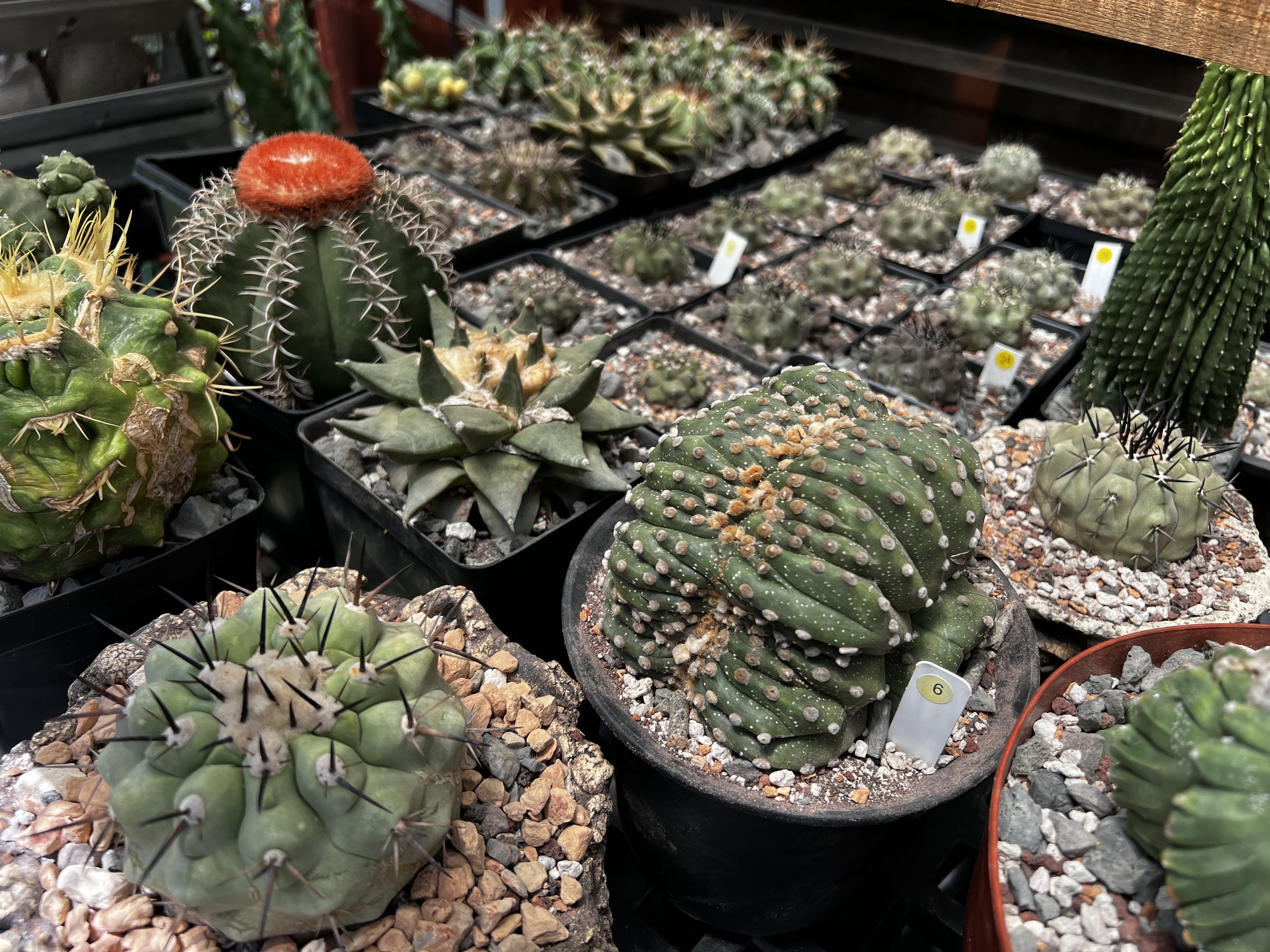
Stepping into a cactus nursery is akin to entering a parallel universe where time moves differently. The air hums with the quiet rustle of spines, the scent of soil and sun-warmed stone fills your lungs, and the sheer diversity of forms—from the globular perfection of Astrophytum to the columnar grandeur of Pachycereus—can leave even seasoned collectors breathless. Most ethical nurseries offer more than just a transaction; they provide an immersive experience. Expect hands-on workshops where you can learn the art of grafting, demonstrations on identifying pests without chemicals, and even opportunities to propagate your own cuttings under expert guidance. Many nurseries host “Cactus Clinics”, where specialists diagnose ailments, recommend soil mixes, and troubleshoot issues like etiolation or rot. Some, like Sunland, offer guided field tours to nearby deserts, where you can see wild cacti in their natural habitat and understand the ecological role these plants play. For those unable to visit in person, virtual tours and live Q&A sessions with growers provide a window into their world. Whether you’re there to purchase a Lophophora williamsii or simply to marvel at the “living fossils” of the plant kingdom, a cactus nursery visit is an expedition into the extraordinary.
Cultivating Ethics: How to Choose a Responsible Cactus Nursery
With the rise of online marketplaces, the line between ethical and exploitative cactus sales has blurred. How can you ensure your purchase supports conservation rather than contributes to ecological harm? Start by scrutinizing the nursery’s propagation methods. Reputable growers will openly discuss whether their plants are seed-grown, tissue-cultured, or wild-collected (the latter being a red flag unless it’s from a licensed, sustainable source). Look for certifications or affiliations with organizations like the Cactus and Succulent Society of America or the International Organization for Succulent Plant Study. Transparency is key: ethical nurseries will provide detailed information about a plant’s origin, age, and care requirements. Avoid sellers who offer “instant gratification” plants at suspiciously low prices—these are often wild-harvested specimens plucked from fragile ecosystems. Instead, seek out nurseries that prioritize slow growth, where a single Mammillaria might take years to reach maturity. Finally, consider the nursery’s broader impact: Do they donate a portion of profits to conservation? Do they participate in seed exchanges or reintroduction programs? By voting with your wallet, you become a steward of the spiny kingdom.
The Future of Rare Cactus Cultivation: Innovation and Conservation
The world of rare cactus cultivation is on the cusp of a revolution, driven by technology, conservation science, and a growing global consciousness. Innovations like tissue culture propagation are allowing nurseries to produce disease-free, genetically identical clones of endangered species, reducing pressure on wild populations. Drones and satellite imaging are being used to monitor illegal poaching hotspots, while blockchain technology is being trialed to create tamper-proof records of a plant’s journey from seed to shelf. Meanwhile, citizen science projects are empowering hobbyists to contribute data on cactus blooming cycles, helping researchers track the impacts of climate change. The future also holds promise for hybridization—artificial crosses that combine the resilience of common species with the rarity of their wild cousins, creating plants that are both stunning and sustainable. As collectors, our role is to champion these advancements, support nurseries that embrace them, and advocate for policies that protect cacti not just as commodities, but as vital components of our planet’s biodiversity. The spiny treasures of the desert are not ours to hoard; they are ours to nurture, celebrate, and pass on to the next generation of enthusiasts.
FAQ
What is ethical cactus cultivation?
Ethical cactus cultivation focuses on responsible sourcing and sustainable practices to protect endangered species from poaching and habitat destruction.
How can I find a reliable cactus nursery?
Look for nurseries that provide transparency about their propagation methods and have affiliations with conservation organizations.

Leave a Reply