
Short Answer
When discussing succulents, a common point of confusion arises regarding the classification of Aloe plants in relation to cacti. Many people frequently interchange the terms “cactus” and “aloe,” but they represent distinct botanical categories. This article will delve into the intricacies of both aloe and cactus plants, drilling down into their essential characteristics, evolutionary backgrounds, and care requirements.
Understanding their botanical classification is vital for gardeners, plant enthusiasts, and anyone seeking to expand their knowledge of these remarkable plants. With vibrant appearances and numerous therapeutic uses, distinguishing between them can significantly influence gardening choices and care strategies.
To comprehend why aloe and cactus are often conflated, it helps to first understand their respective taxonomies. Both belong to the broader category of succulents but diverge significantly in their classifications, morphological characteristics, and species diversity.
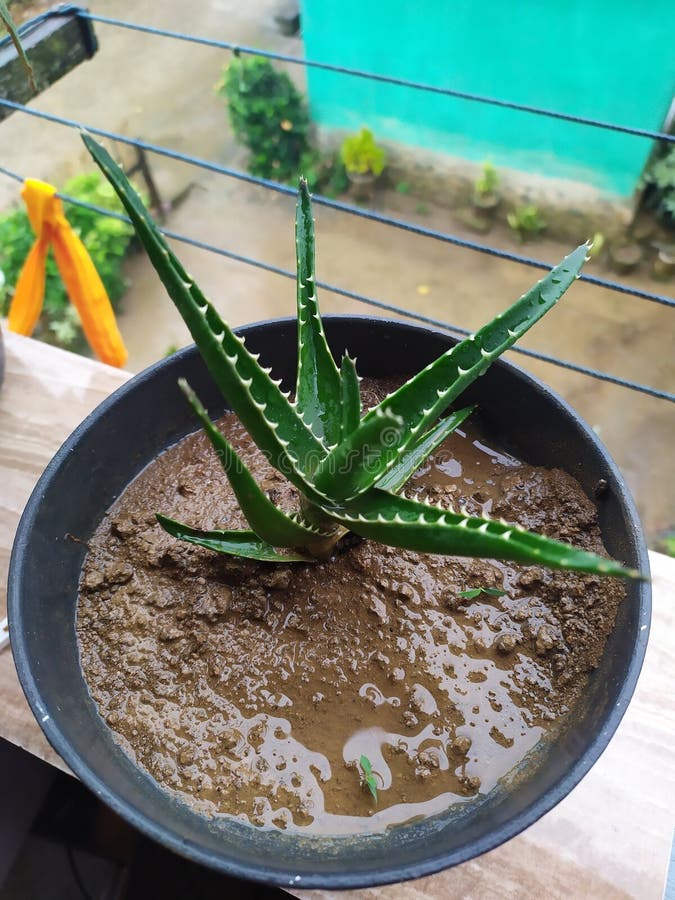
Aloe plants belong to the genus Aloe, which consists of over 500 species. Most notably, the succulent Aloe vera is celebrated for its medicinal properties, ranging from skin treatments to digestive aids. These plants predominantly thrive in arid regions of Africa and the Arabian Peninsula, showcasing a fascinating evolutionary adaptation to conserve water. Aloe plants exhibit thick fleshy leaves that store moisture, a raspy texture, and sometimes even spines, though they lack the classic stylings associated with cacti. This unique leaf structure allows them to survive in harsh conditions while also producing flowers in a diverse array of colors.
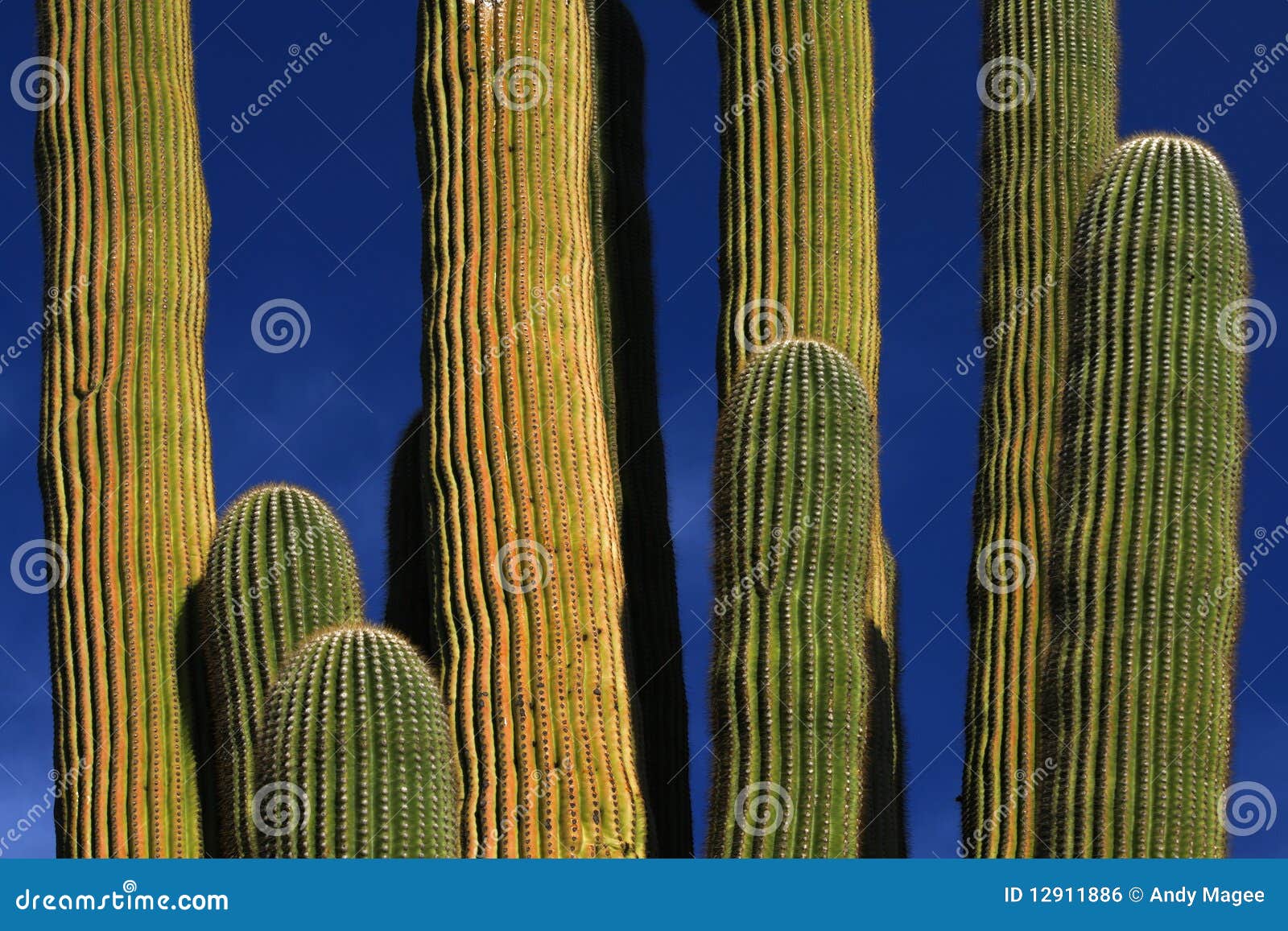
On the other hand, cacti represent a distinct family known scientifically as Cactaceae, which encompasses over 2,000 species. Widely popular in deserts of North and South America, cacti have developed unique adaptations for survival, most notably their spiny exteriors. Cactus plants possess specialized structures called areoles, which are small bumps on their surfaces where spines, flowers, and new shoots emerge. This adaptation not only serves as protection against herbivores but also minimizes water loss. Furthermore, both aloe and cacti exhibit photosynthetic techniques that help them thrive in extreme environments, such as CAM (Crassulacean Acid Metabolism) photosynthesis, which allows them to absorb carbon dioxide during the night to reduce water loss during the day.
Examining their physical characteristics further highlights their differences. While both plants are known for their thick, fleshy structures, the leaf morphology varies significantly. Aloe plants produce rosettes of leaves that can spread wide and are often adorned with serrated edges or soft spines. In contrast, cacti tend to exhibit a cylindrical or spherical shape with ridges and grooves to facilitate expansion and contraction as water is stored and consumed. This difference in morphology often plays a significant role in the plants’ environmental adaptations.
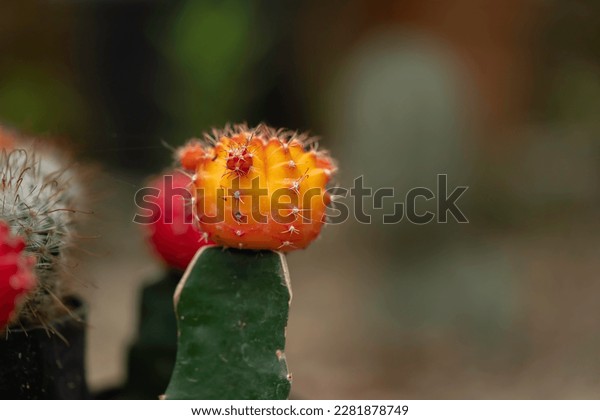
In terms of flowers, aloe plants produce tubular flowers that bloom on tall inflorescences, usually attracting a variety of pollinators such as hummingbirds and insects. Conversely, cacti can showcase a diverse range of flower shapes and colors, often with stunning blooms that can appear at the ends of their spines or at the top of their pads. An observation of flowering habits indicates that while both plants yield interesting aesthetic displays, their reproductive strategies differ substantially.
Care requirements for both aloe and cactus show some overlap yet maintain distinct differences. For instance, both thrive under similar conditions of bright light, but their watering regimens diverge. Aloe plants usually prefer more moisture and can tolerate a little more watering than cacti. Overwatering an aloe—despite its drought resistance—can lead to root rot, while cacti demand a more “less-is-more” approach owing to their profound drought adaptation. It’s essential to consider soil types as well; aloe flourishes in well-drained potting mixes laden with organic matter, while cacti prefer a gritty, sandy mix that promotes drainage.
When it comes to propagation, both aloe and cacti offer enthusiasts multiple avenues. Aloe can be propagated easily through offsets, known as pups, which sprout around the base of the mother plant. Cacti often require grafting techniques or can be grown from seeds, with several species showing impressive capabilities to root from a single cutting.
Beyond aesthetics and care, both aloe and cacti have a plethora of uses. Aloe vera, in particular, is renowned for its health benefits. Its gel-like sap is widely used in skincare products, soothing sunburns, aiding digestion, and even contributing to immune system support. The hydrating qualities make it a fundamental product in holistic and natural health sectors. In comparison, cacti are recognized for their edible fruits, such as prickly pear, which is celebrated for its rich nutritional profile, particularly in vitamins and minerals. Furthermore, the spines and fibrous texture of some cactus species lead to the creative use of the plant in niche applications, including construction materials and sustainable resources.
In conclusion, while aloe and cacti share common ground as succulents, they embody unique attributes and complexities. Understanding the differences in their taxonomy, morphology, and care requirements allows enthusiasts and gardeners to appreciate their distinctive merits. Each plant, with its fascinating evolutionary backstory and myriad applications, expands the fascinating world of succulents, ensuring that they will continue to intrigue plant lovers for generations to come.
FAQ
Is aloe a cactus?
No, aloe is a succulent plant from the genus Aloe, distinct from cacti which belong to the family Cactaceae.
What are the main differences between aloe and cactus plants?
Aloe plants have fleshy leaves in rosettes with serrated edges, while cacti have spines growing from areoles on their stems.
How should I care for aloe compared to cacti?
Aloe requires more frequent watering and organic-rich soil, whereas cacti prefer less water and sandy, well-draining soil.
Can aloe and cactus plants be propagated the same way?
Aloe is commonly propagated via offsets or pups, while cacti can be propagated through grafting, cuttings, or seeds.
What are the uses of aloe and cactus plants?
Aloe is widely used for its medicinal gel, and cacti produce edible fruits and can be used in sustainable construction materials.



Leave a Reply