
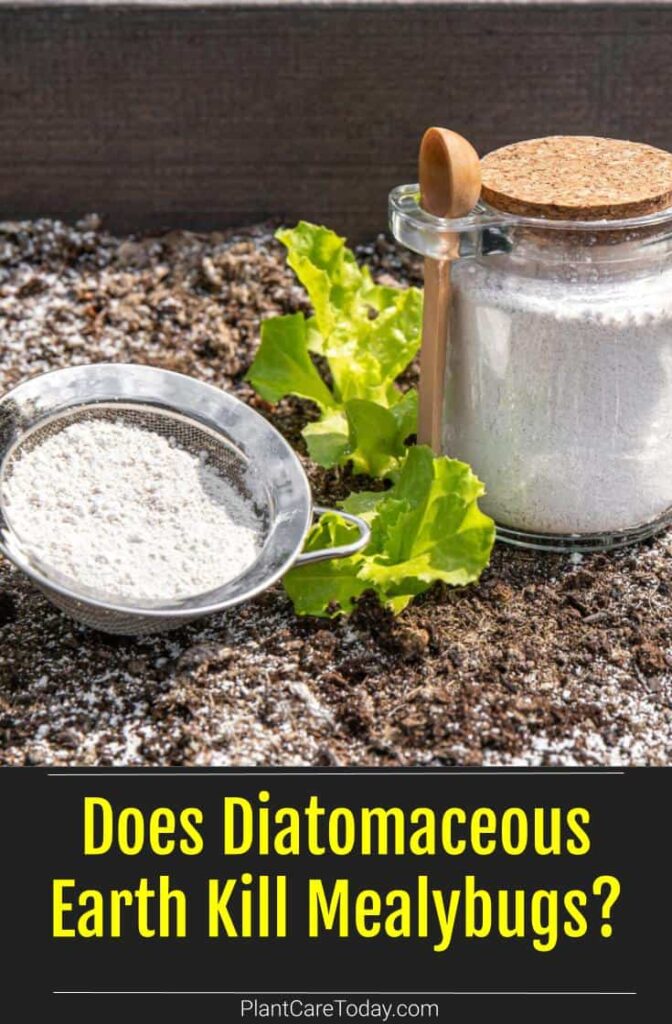
Short Answer
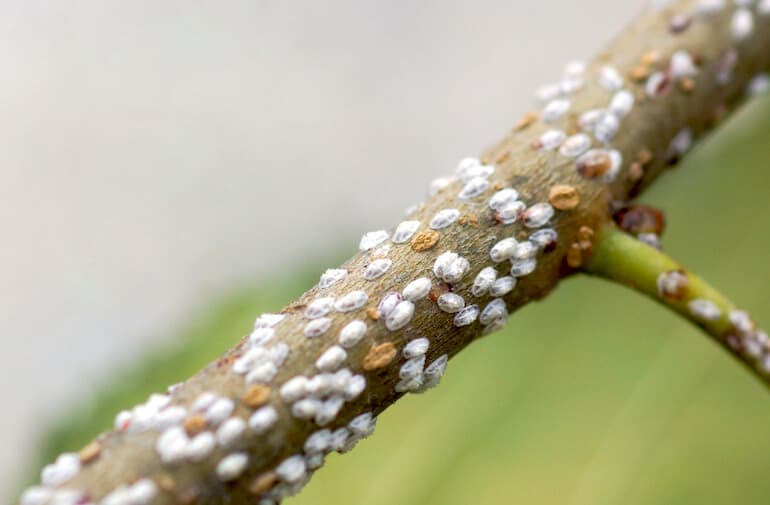
Mealybugs are a notorious pest that can wreak havoc on cactus plants, with their cotton-like appearance and penchant for sucking the sap from healthy stems and leaves. While many gardeners might resort to chemical pesticides that can be harsh on the environment, there exists a viable alternative: diatomaceous earth (DE). This natural solution not only serves as a means of pest control but also piques the curiosity of enthusiasts and experts alike, as it elicits questions about the balance of nature and the intricate relationship between plants and pests.
Understanding mealybugs and recognizing the need for intervention is pivotal. These pests often cluster in groups, protected by waxy secretions that make them somewhat resilient to common insecticides. Fortunately, diatomaceous earth presents a fascinating, eco-friendly alternative that deserves exploration. Its efficacy in managing not only mealybugs but a host of other pests consolidates its status as a favorite among organic gardeners.
The Origin and Composition of Diatomaceous Earth
Diatomaceous earth is a powdery substance made from the fossilized remains of diatoms, a type of algae. These microscopic creatures thrive in aquatic environments, and their silica-rich cell walls accumulate on the ocean floor over millennia. When harvested and processed, this natural material presents sharp-edged particles that possess remarkable properties. Upon contact with insects, including mealybugs, these particles adhere to their exoskeletons and cause dehydration, leading to fatal outcomes for the pests.
What makes diatomaceous earth particularly compelling is its non-toxic nature. While it effectively functions as an insecticide, it poses minimal risk to humans, pets, and beneficial insects. This duality beckons a deeper examination of the interconnected ecosystems that thrive in thoughtfully maintained gardens. The environmental footprint of using DE is considerably lighter than that of synthetic alternatives, allowing gardeners to cultivate with a conscious mind and a responsible heart.
The Mechanism of Action Against Mealybugs
Mealybugs harbor a profound resilience, thanks largely to the waxy coating that protects them. Traditional insecticides may struggle to penetrate this barrier, prompting a search for more innovative solutions. Diatomaceous earth bypasses such limitations by embracing a multifaceted approach to pest eradication. When dispersed onto infested areas, the fine powder clings to mealybugs, embedding itself in their waxy surfaces, which disrupts their protective barrier.
The effects are twofold: first, the abrasive nature of DE physically damages the insect’s protective layer, while simultaneously absorbing moisture from their bodies. This combination leads to dehydration, ultimately resulting in death. Moreover, the residual potency of diatomaceous earth means that it continues to act against future infestations, offering proactive pest management rather than reactive measures.
Application Techniques That Maximize Effectiveness
The application of diatomaceous earth must be methodical to render optimal results. For cacti owners confronted with mealybug infestations, a few pivotal techniques can enhance the effectiveness of DE:
1. Ensuring Proper Concentration
Using a fine, food-grade diatomaceous earth is crucial, as this type is specifically designed for pest control and contains a purer silica content. Dust the affected areas thoroughly, making sure to cover all visible mealybugs and their potential hiding spots. This concentration ensures that the pests come into direct contact with the DE, allowing its effects to manifest rapidly.
2. Timing of Application
Applying diatomaceous earth in the cooler hours of the day, either early morning or late evening, can be particularly advantageous. During these times, cacti and their delicate flowers are often less stressed by heat, enabling effective treatment without exacerbating plant agony. Additionally, fewer wind currents will ensure that the powder adheres to the intended surfaces effectively.
3. Reapplication Is Key
Mealybugs can be notoriously persistent. Regularly reapplying DE every few days, especially after rain or watering, maintains a protective barrier. Consistency in pest control not only eradicates existing infestations but also prevents new ones from taking root.
Cautions and Considerations
While diatomaceous earth is an exceptional alternative to harsh chemicals, caution should still be exercised. Differentiating between types of DE is pivotal; always choose food-grade DE when planning to use it in gardens. Additionally, it is essential to keep in mind that while DE is safe for most pets and humans, inhaling fine particles can cause respiratory distress. Therefore, wearing a mask during application is advisable.
Ultimately, the allure of diatomaceous earth as a solution for mealybugs extends beyond its practical application. It embodies a harmonious blend of science and nature, inviting gardeners to witness and engage with the delicate balance in which all living things coexist. For cactus enthusiasts, embracing eco-friendly alternatives like diatomaceous earth not only promotes healthy plants but also fosters an appreciation for the natural systems at play. Mealybugs may pose a challenge, yet through understanding and innovative practices, the divine art of gardening continues to flourish.
FAQ
What is diatomaceous earth and how does it work against mealybugs?
Diatomaceous earth is a powder made from fossilized diatoms that works by physically damaging and dehydrating mealybugs when it adheres to their protective waxy coating.
Is diatomaceous earth safe to use on cacti and around pets?
Yes, food-grade diatomaceous earth is generally safe for cacti, humans, and pets, but it is advisable to avoid inhaling the powder by wearing a mask during application.
How often should diatomaceous earth be applied to control mealybugs?
Diatomaceous earth should be reapplied every few days, especially after watering or rain, to maintain an effective protective barrier against mealybugs.
Can diatomaceous earth be used as a preventive measure for mealybugs?
Yes, its residual effect allows it to act proactively by preventing future infestations in addition to treating existing ones.
What is the best time to apply diatomaceous earth to cacti?
The best time to apply diatomaceous earth is during the cooler parts of the day, such as early morning or late evening, to reduce plant stress and improve powder adherence.
Leave a Reply