
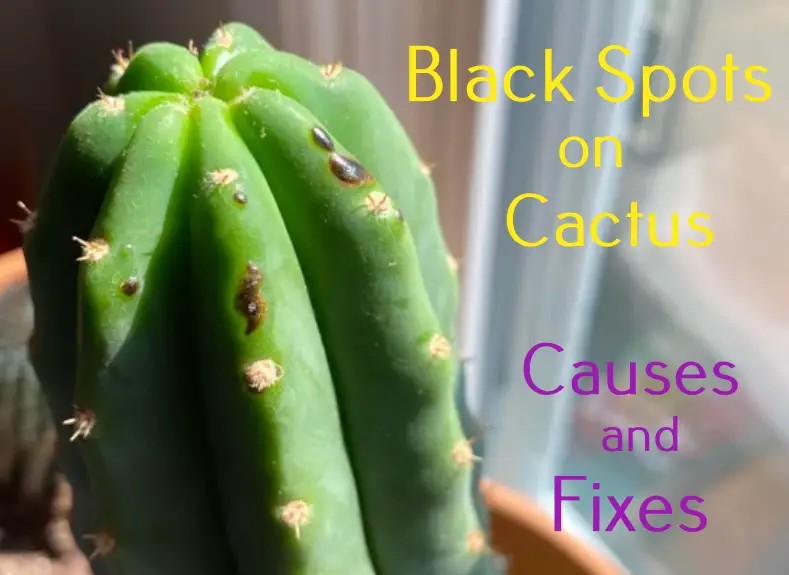
Short Answer
Black spots on cacti can feel like ominous clouds shadowing an otherwise vibrant landscape. These unsightly blemishes, while startling at first glance, tell a story that is multifaceted and ripe for exploration. Understanding the underlying causes and employing timely treatment can restore your prickly companion’s health, safeguarding its unique appeal. Below, we unravel the intricate threads that weave together the phenomenon of black spots on cacti.
The enigma of black spots on cacti
To the untrained eye, a cactus may seem like a robust sentinel, impervious to the vexations of the world. Yet, even the most resilient of these succulent warriors are not immune to maladies. Black spots often indicate more than mere superficial blemishes; they are harbingers of environmental stress, pest infestations, or disease. As such, they prompt a closer examination of the cactus’s habitat, treatment regimen, and overall care. Just as a painter considers each stroke on a canvas, caretakers of cacti must be attentive to these small, telling signs.
Taking the first step: Identifying the causes
The journey to remedying black spots begins with proper identification of their origins. Knowledge is your greatest ally in ensuring that your cactus flourishes, filled with life and vigor.
Environmental influences
Cacti thrive in arid environments characterized by lots of sunlight and minimal moisture. Yet, when conditions diverge from their natural habitat, stress can manifest in both physical and aesthetic ways. Overwatering is often the root cause of black spots. When water accumulates in the soil, roots may suffocate, contributing to rot that produces dark lesions on the plant’s surface. Conversely, inadequate sunlight can also lead to a reprieve of color and vitality, resulting in the emergence of unsightly spots as the cactus struggles to adapt.
Pests: The silent marauders
Another dimension to consider is the impact of pests. Cacti are often besieged by various critters, with mealybugs and scale being among the most notorious offenders. These sap-sucking insects penetrate the cactus’s protective coating, introducing toxins that manifest as black spots. Their presence not only mars the exterior but can also impede the plant’s growth, leading to further complications if left unaddressed.
Diseases with dark intent
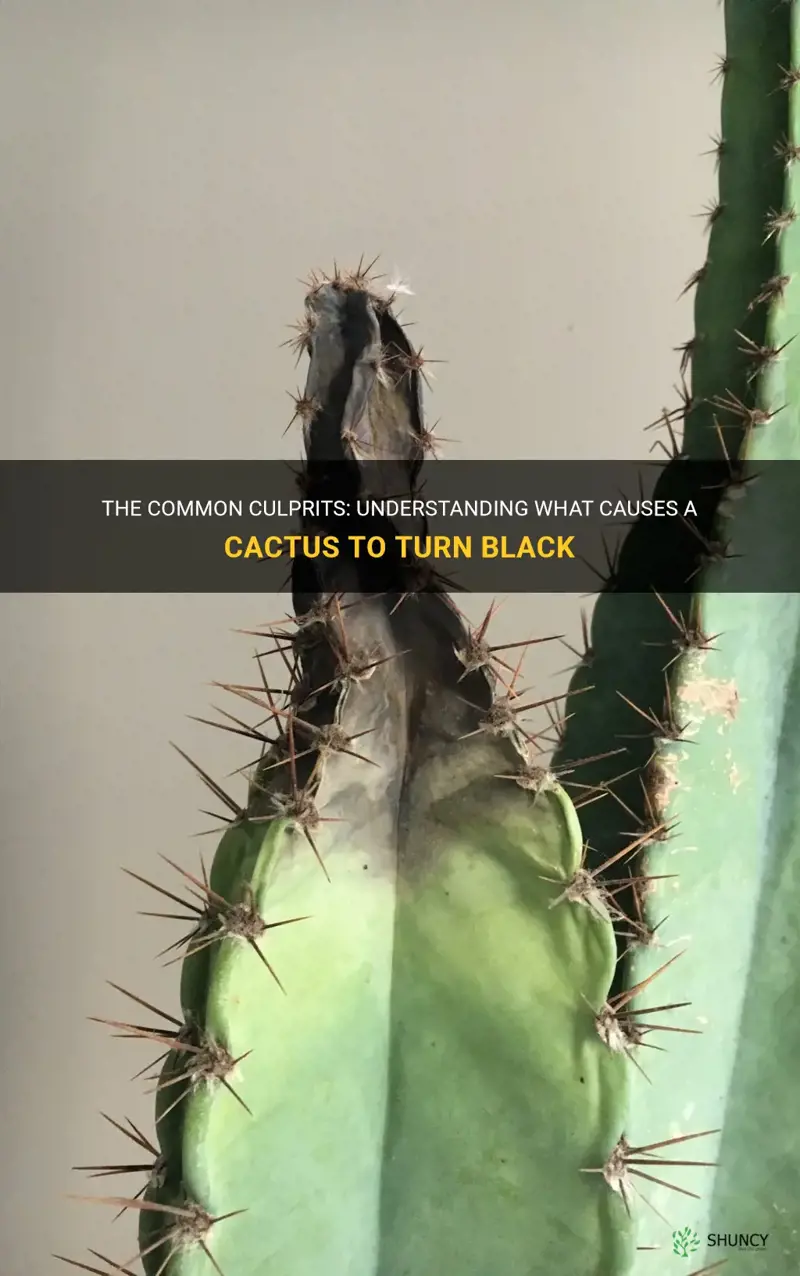
In addition to environmental factors and pests, certain fungal and bacterial infections can lead to the formation of black spots. For instance, the dreaded black rot disease thrives in humid conditions and can spread rapidly if not treated early. The manifestation of these infections can range from small dots to extensive patches that signal the demise of the affected cactus if left untreated. Understanding these potential threats allows for more proactive care, ensuring that your beloved cactus remains in prime condition.
Strategies for treatment: Restoring life to your cactus
Once the culprits behind the black spots have been identified, the focus shifts to treatment strategies aimed at rehabilitating the cactus. Recovery requires a multifaceted approach, ensuring that both immediate actions and future care are addressed for sustained health.
Water management
The first and foremost step in treatment is managing watering practices. It is crucial to allow the soil to dry completely between waterings. Utilize well-draining soil and pots with drainage holes to prevent standing water, which spells disaster for your cactus. Embrace the philosophy of moderation; less is often more in the world of cacti. Adjusting your watering routine may reveal a remarkable transformation in the health and appearance of your plant.
Pest control measures
For infestations, treatment involves both mechanical and chemical strategies. Begin by manually removing visible pests using a soft brush or cotton swab dipped in rubbing alcohol. For substantial infestations, consider using an insecticidal soap or neem oil solution designed specifically for succulents. This dual approach can help manage existing bug populations while preventing future invasions.
Addressing diseases with precision
In cases where fungal or bacterial diseases take hold, swift action is essential. Severely affected areas should be pruned away, ensuring that pruners are sterilized to prevent the spread of pathogens. Depending on the severity of the disease, applying a fungicide may be warranted to safeguard the remaining healthy tissue. In all cases, prioritizing air circulation and light will help to deter future outbreaks.
Prevention: The best medicine for your cactus
Ultimately, the age-old adage holds true: prevention is better than cure. Cultivating an awareness of your cactus’s needs will pave the road for a healthier future. Ensure proper placement in bright, indirect light and monitor the environmental conditions closely. Inspect your cactus regularly for any signs of distress, and be vigilant in maintaining good hygiene practices in your growing environment to ward off pathogens and pests.
Conclusion: Embracing the beauty of resilience
Black spots on cacti, while initially alarming, can become educational stepping stones on the path to mastery in cactus care. Understanding their origins and acting swiftly can preserve the integrity of these fascinating succulents. Armed with knowledge, caretakers can cultivate not only a thriving prickly companion but also a profound appreciation for the intricate interplay between nature and nurture. The journey of healing—from the dark spots to renewed health—mirrors the resilience inherent in these captivating plants, a testament to their ability to thrive against the odds.
FAQ
What are the main causes of black spots on cacti?
Black spots are mainly caused by environmental stress such as overwatering or lack of sunlight, pest infestations like mealybugs and scale insects, and fungal or bacterial diseases.
How do I know if pests are causing black spots on my cactus?
Look for visible insects such as mealybugs and scale on the cactus surface, sticky residue, or damaged tissue near the spots.
What is the best way to treat fungal infections causing black spots on cacti?
Prune affected areas with sterilized tools, improve air circulation, apply an appropriate fungicide, and adjust watering practices.
Can changing watering habits prevent black spots on cacti?
Yes, allowing soil to dry completely between watering and using well-draining soil reduces the risk of root rot and black spots.
Is it possible for black spots to indicate serious disease?
Yes, black spots can be an early sign of serious fungal or bacterial infections like black rot that require prompt treatment.

Leave a Reply