
Short Answer
Sansevieria Cylindrica Plant Care: How to Keep Your Snake Plant Healthy and Thriving
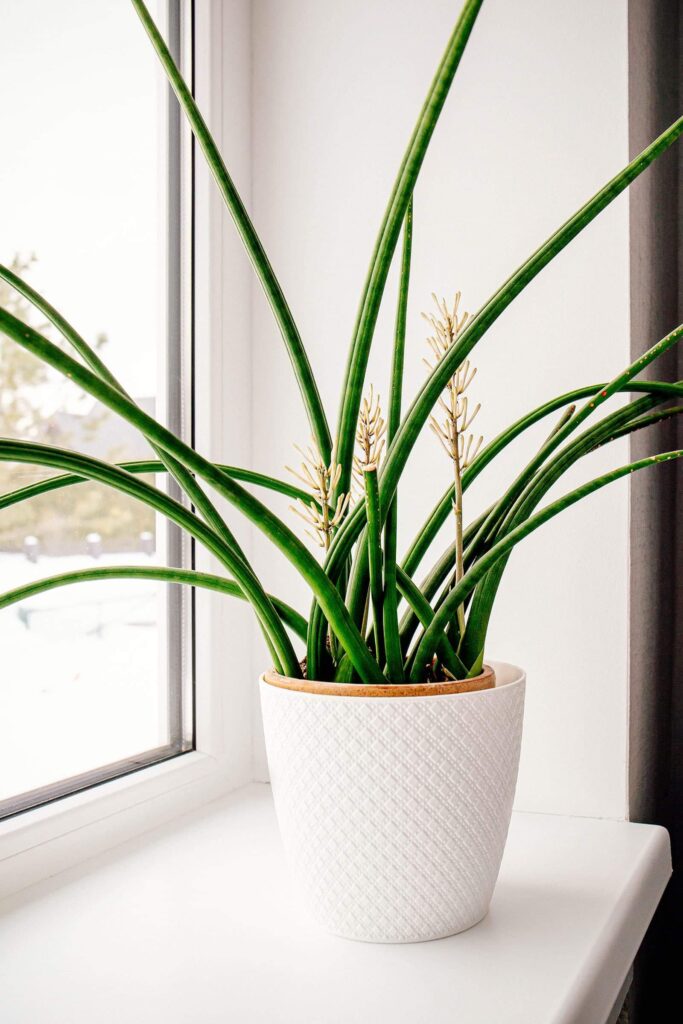
Sansevieria cylindrica, commonly known as the cylindrical snake plant or African spear plant, is a striking succulent renowned for its architectural form and resilience. This hardy plant is favored not only for its aesthetic appeal but also for its low-maintenance care requirements. In this guide, we will delve into the essential practices for nurturing this verdant beauty, ensuring it flourishes in your home.
Understanding the Basics of Sansevieria Cylindrica
Sansevieria cylindrica is a member of the Asparagaceae family, characterized by its tall, cylindrical leaves that can grow up to several feet in height. The leaves are typically green with light banding, creating a visually dynamic effect. This plant thrives in various environments, making it particularly suitable for both novice and seasoned plant enthusiasts.
Optimal Growing Conditions
One of the hallmarks of Sansevieria cylindrica is its adaptability to different light conditions. However, providing optimal light exposure is crucial for achieving healthy growth.
Light Requirements: While this plant can tolerate low light, it flourishes in bright, indirect sunlight. Direct sunlight may scorch the leaves, leading to unsightly brown patches. Hence, a north or east-facing window is ideal, allowing gentle morning rays to nourish it without causing harm.
Temperature and Humidity: Sansevieria cylindrica prefers warm environments, ideally between 60°F to 80°F (15°C to 27°C). This versatile plant tolerates a range of humidity levels, but a drier atmosphere is preferable as it mimics its native habitat. Indoors, it does well in average household conditions.
Soil Composition and Drainage: To replicate the natural conditions of Sansevieria cylindrica, choose a well-draining potting mix. A combination of cactus soil and perlite or sand works exquisitely, providing the aeration and drainage the roots require. Avoid compacted soils that retain moisture, as this can lead to root rot.
Watering Protocol
The cylindrical snake plant is famously drought-tolerant, adapting to infrequent watering. However, understanding the nuances of its watering needs is vital for maintaining its health.
Frequency: Water your Sansevieria cylindrica only when the top inch or two of soil feels dry. This usually translates to about every 2-6 weeks, depending on environmental conditions. Over-watering is the leading cause of plant demise, so err on the side of caution.
Technique: When it is time to water, do so thoroughly, allowing excess water to flow out of the drainage holes. It is crucial to empty any saucers beneath the pot to prevent standing water, which can cause the roots to suffocate and rot.
Fertilization Strategies
While Sansevieria cylindrica does not require heavy feeding, providing periodic nourishment can promote robust growth.
Type of Fertilizer: Use a balanced, water-soluble fertilizer diluted to half strength. A cactus or succulent blend is typically optimal. Fertilize during the growing season, from spring through early autumn, ideally once a month. This practice encourages leaf development without overwhelming the plant.
Timing: It is best to refrain from fertilizing during the winter months when the plant enters dormancy. Fertilizing during this period can stress the plant and lead to undesirable growth patterns.
Pest and Disease Management
Sansevieria cylindrica is relatively pest-resistant, yet vigilance is necessary to ensure its continued health.
Pest Identification: Common pests include mealybugs and spider mites, which may invade the plant under stress or inadequate conditions. Early signs of infestation include tiny webs or cotton-like clusters on the leaves. Quickly address any pest issues using insecticidal soap or neem oil as a natural remedy.
Disease Prevention: Root rot, associated with overwatering, is a significant concern. Keeping the foliage dry and ensuring good drainage will help avert fungal issues. If a leaf begins to sag or turn yellow, it might be indicative of over-saturation. Trim any affected areas promptly to prevent further damage.
Repotting Considerations
As your Sansevieria cylindrica thrives, it may necessitate repotting to accommodate its growth.
Timing: Typically, repotting is performed every 2-3 years, or when it becomes pot-bound. Spring is the optimal time for this endeavor, as the plant is entering its active growth phase.
Technique: When repotting, carefully remove the plant from its current container, gently loosening the roots. Choose a slightly larger pot with adequate drainage holes. Place the plant in fresh potting mix, ensuring it remains at the same soil level it was previously planted.
Enhancing the Indoor Environment
Sansevieria cylindrica serves not just as an ornamental element but also as a natural air purifier. Incorporating it into your living space can enhance aesthetic appeal while contributing to a healthier atmosphere.
Placement: Position your cylindrical snake plant in high-traffic areas where it can showcase its unique silhouette. It pairs beautifully with modern decor styles, and its air-purifying qualities will benefit those spending significant time indoors.
Conclusion
Nurturing a Sansevieria cylindrica is a rewarding endeavor that requires minimal effort and yields significant visual and health benefits. By understanding its specific needs in terms of light, water, and soil conditions, you can ensure that this magnificent snake plant remains a vibrant addition to your home for many years to come. With the right care, the cylindrical snake plant will thrive, showcasing its stunning form and creating an inviting indoor oasis.
FAQ
How often should I water my Sansevieria cylindrica?
Water only when the top inch or two of soil is dry, generally every 2-6 weeks depending on conditions.
What type of soil is best for Sansevieria cylindrica?
Use a well-draining cactus soil mix combined with perlite or sand.
Can this plant survive in low light?
Yes, it tolerates low light but grows best in bright, indirect sunlight.
What pests should I watch for?
Mealybugs and spider mites are the most common pests; treat infestations early with insecticidal soap or neem oil.
When should I repot my Sansevieria cylindrica?
Repot every 2-3 years or when the plant becomes root-bound, ideally in spring.

Leave a Reply