

Short Answer
In the vast, sun-scorched expanse of the desert, where the horizon blurs between sky and sand, a single plant stands defiant—its spines sharp, its presence unyielding. The cactus, a symbol of resilience in arid lands, has long captivated the human imagination. But beyond its ecological tenacity, the cactus has woven itself into the fabric of music, emerging as a metaphor for longing, endurance, and the bittersweet beauty of fleeting moments. Nowhere is this more evident than in the evocative phrase “Desert Rose,” a phrase that has bloomed in the lyrics of countless songs, each interpretation as unique as the artists who sing it.
The Cactus as a Metaphor: More Than Just a Plant
The cactus is not merely a botanical curiosity; it is a living paradox. It thrives where others wither, stores life-giving water in its fleshy body, and yet, its very structure is a defense mechanism—a fortress of thorns shielding its delicate core. This duality makes it a perfect muse for songwriters. When an artist sings of a “Desert Rose,” they are rarely referring to the flower itself. Instead, they are invoking a symbol—a rose that blooms in the harshest of conditions, a love that persists despite adversity, or a dream that refuses to die in the face of failure.
Consider the imagery: a rose, a symbol of romance and fragility, set against the backdrop of a desert, a place of desolation and extremes. The contrast is striking. The “Desert Rose” becomes a paradox—a delicate beauty thriving in a world that seems designed to destroy it. This juxtaposition is what gives the phrase its power. It’s not just about survival; it’s about thriving in a way that defies expectations.
Love and Longing: The Desert Rose as a Symbol of Unrequited Passion
In the realm of love songs, the “Desert Rose” often takes on a melancholic hue. It becomes a stand-in for a love that is as distant as the horizon, as unattainable as water in the desert. Artists use the phrase to convey the ache of yearning—the kind of longing that lingers like the scent of jasmine in the dry night air. The cactus, with its thorns, mirrors the pain of unrequited love, while its resilience suggests that love, even if one-sided, can endure.
Take, for instance, the way the phrase is wielded in ballads. The “Desert Rose” is not just a lover’s lament; it’s a testament to the endurance of emotion. The thorns, once a barrier, become a reminder that love, no matter how painful, is still a form of sustenance. The desert, then, is not just a setting but a character—a silent witness to the ebb and flow of human emotion.
Resilience and Reinvention: The Cactus as a Beacon of Hope
Yet, the “Desert Rose” is not always a symbol of sorrow. In many songs, it represents resilience—the ability to rise from the ashes of failure, to bloom where others see only barrenness. This interpretation shifts the focus from longing to triumph, from despair to defiance. The cactus, after all, is a survivor. It doesn’t just endure; it adapts. It stores water, it conserves energy, and when the rains finally come, it bursts into life with a vibrancy that defies the harshness of its environment.
Artists who embrace this perspective often use the “Desert Rose” as a metaphor for personal growth. The desert becomes a place of transformation, where the soul is stripped bare and rebuilt stronger. The rose, in this context, is not just a flower; it’s a phoenix, rising from the ashes of its own struggles. This duality—of beauty and brutality—is what makes the “Desert Rose” such a potent symbol in music.

The Desert as a Character: A Stage for Emotional Drama
The desert is more than a backdrop in these songs; it is a character in its own right. It is the silent observer of human drama, the indifferent force that tests the mettle of those who dare to traverse its expanse. In music, the desert becomes a metaphor for the trials of life—the loneliness, the struggle, the moments when we feel as though we are wandering without direction.
When an artist sings of a “Desert Rose,” they are often invoking the vastness of the desert as a way to amplify the emotions of the song. The isolation of the desert mirrors the isolation of the heart. The heat becomes the weight of unspoken words. The mirage becomes the illusion of hope that flickers and fades. The cactus, then, is not just a plant; it’s a beacon—a reminder that even in the most desolate places, life can find a way to flourish.
Cultural Echoes: How Different Genres Interpret the Desert Rose
The phrase “Desert Rose” resonates across genres, each interpreting it through the lens of its own musical language. In country music, the “Desert Rose” might evoke the dusty trails of the American Southwest, a place where dreams are both born and broken. In pop, it could be a glittering metaphor for a love that shines brightly but briefly, like a mirage in the midday sun. In rock, the phrase might take on a grittier tone, a symbol of rebellion against the odds.
This versatility is what makes the “Desert Rose” so enduring. It’s a phrase that can be molded to fit the mood of the song, the emotion of the artist, and the expectations of the listener. Whether it’s a tender ballad or an anthem of defiance, the “Desert Rose” remains a powerful symbol—a reminder that beauty can emerge from the most unlikely of places.
The Science Behind the Symbol: Why the Cactus Captivates Us
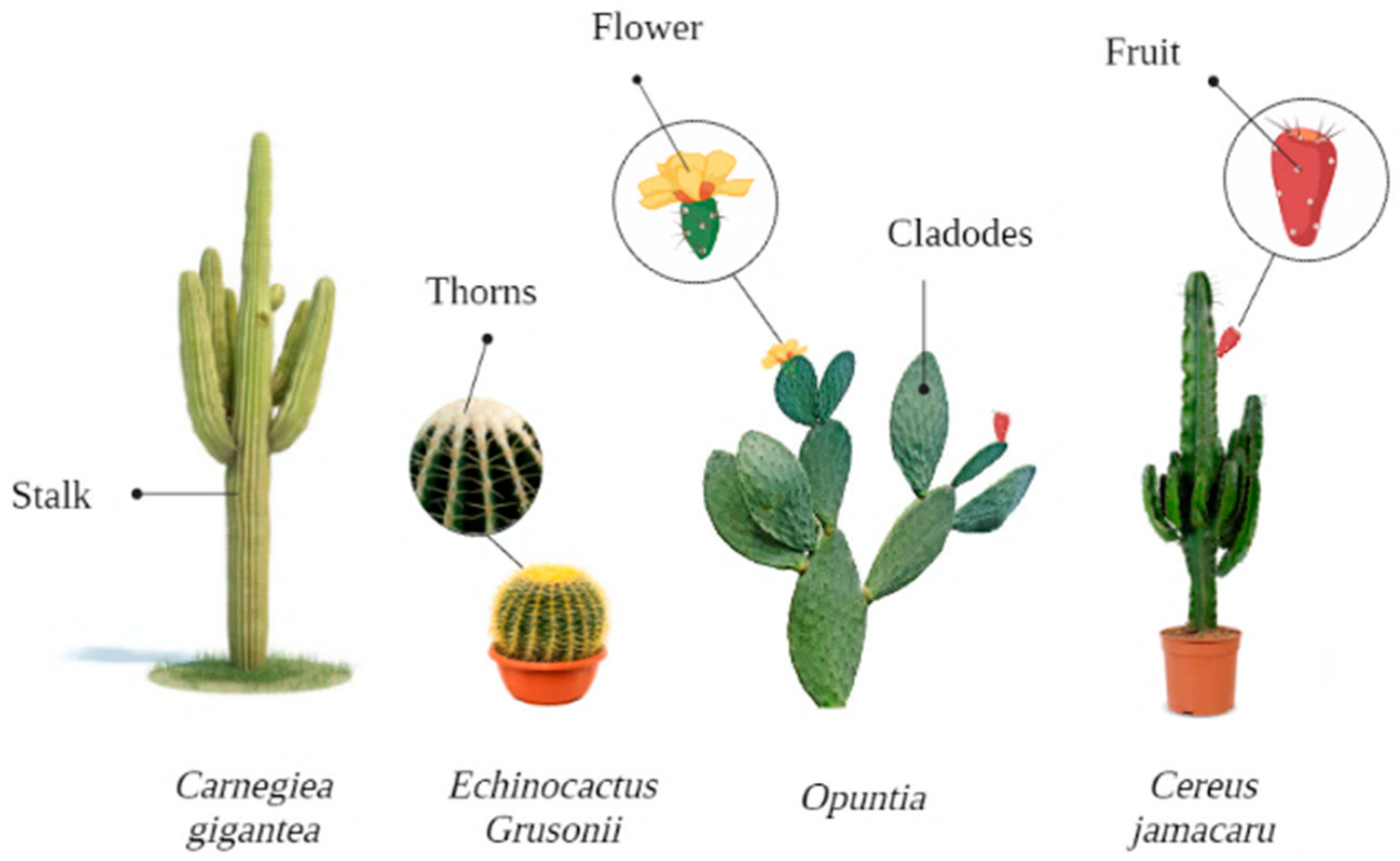
But why does the cactus, in particular, hold such sway over our collective imagination? The answer lies in its biology. The cactus is a marvel of adaptation. It has evolved to survive in conditions that would kill most other plants. Its spines are not just for defense; they are a way to reduce water loss and protect the plant from the scorching sun. Its ability to store water allows it to endure long periods of drought. And its flowers, though fleeting, are a burst of color in an otherwise monochrome landscape.
This scientific marvel translates seamlessly into metaphor. The cactus becomes a symbol of human adaptability—the ability to thrive in the face of adversity. It’s a reminder that even in the harshest of environments, life finds a way. And when artists sing of the “Desert Rose,” they are tapping into this primal understanding of resilience. They are saying, in essence, that we, too, can bloom where we are planted.
From Lyrics to Life: The Desert Rose as a Personal Mantra
Beyond the realm of music, the “Desert Rose” has taken on a life of its own. It has become a personal mantra for many—a reminder to find strength in adversity, to seek beauty in the bleakest of places. The phrase has been adopted by artists, writers, and thinkers as a way to articulate their own journeys of resilience and reinvention.
In this way, the “Desert Rose” transcends its origins as a lyric or a metaphor. It becomes a guiding principle, a call to action. It asks us to look at the deserts in our own lives—not as places of desolation, but as landscapes of possibility. The cactus, with its thorns and its blooms, becomes a teacher. It shows us that even in the most inhospitable of environments, life can find a way to flourish.

The Future of the Desert Rose: A Symbol for the Modern Age
As we move forward into an era of increasing uncertainty, the “Desert Rose” takes on new significance. In a world where climate change threatens to turn once-fertile lands into deserts, the cactus becomes a symbol of hope. It reminds us that life can adapt, that beauty can emerge even in the most unlikely of places. The phrase “Desert Rose” is no longer just a lyric; it’s a rallying cry—a call to find resilience in the face of adversity.
Artists will continue to draw inspiration from the cactus, weaving its story into their songs, their art, their lives. And listeners, in turn, will find solace in its message. The “Desert Rose” is more than a phrase; it’s a promise. A promise that even in the harshest of conditions, we can find a way to bloom.
FAQ
What does 'Desert Rose' symbolize in music?
‘Desert Rose’ symbolizes resilience, love, and beauty amidst adversity, often reflecting themes of longing and hope.
Why is the cactus a powerful metaphor in songs?
The cactus represents survival and adaptability, thriving in harsh conditions, which resonates with human experiences of overcoming challenges.




Leave a Reply