
Short Answer
Prickly Pear Cactus Fruits: A Guide to Harvesting and Eating Prickly Pear Fruits
The prickly pear cactus (Opuntia) has garnered widespread attention not only for its distinctive appearance but also for its vibrant and delectable fruits. Found predominantly in arid and semi-arid regions, these fruits offer an intriguing blend of flavor, nutrition, and cultural significance. This guide aims to illuminate the process of harvesting and enjoying prickly pear fruits, a culinary gem cloaked in thorns and mystery.
Understanding the Allure of Prickly Pears
What draws one to the prickly pear fruit isn’t simply its color or form but a multifaceted experience that touches on history, culture, and nutrition. With their flamboyant purple, red, and yellow hues, these fruits entice not only the eye but also the palate. The prickly pear cactus itself is a symbol of resilience and survival, thriving in harsh conditions where other plant species falter. This elicits a sense of admiration, as well as curiosity among many. What culinary possibilities lie within this robust fruit? The answers await those who dare to experience its harvest.
What Makes Prickly Pears Unique?
Each prickly pear fruit, often referred to as a “tuna,” has a distinctive taste that varies considerably among species and ripeness levels. The fruit’s sweet, sometimes tangy flavor profile is complemented by a soft, succulent texture, making it an ideal candidate for an array of culinary applications. Furthermore, prickly pear fruits are rich in vitamins, antioxidants, and dietary fiber, leading to numerous health benefits, including improved digestion and enhanced immune function. These benefits make the prickly pear fruit not just a delicious treat but a healthful addition to one’s diet.
Harvesting Prickly Pear Fruits: The Right Approach
Before indulging in this exotic delicacy, one must embark on the adventure of harvesting. Proper care should be exercised, as the prickly pear cactus is defined by its formidable barbed spines and glochids, which can penetrate skin with little provocation. To ensure a safe and successful harvest, equip yourself with protective gloves and tongs, or a long-handled picking tool designed to grasp the fruit without direct contact.
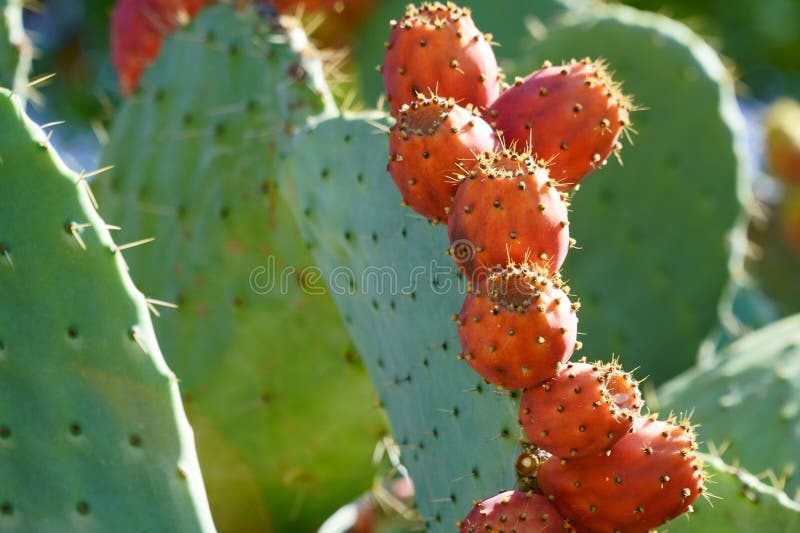
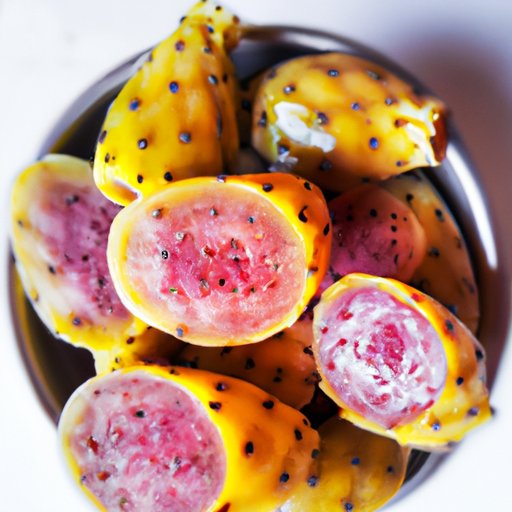
Timing is crucial for a fruitful harvest. Generally, prickly pears ripen from late summer to fall, though regional variations may influence this timing. Look for fruits that have acquired a rich color and appear slightly soft when gently squeezed—this indicates optimal ripeness. A color spectrum ranging from deep scarlet to vibrant yellow can signify a tasty find. However, exercise caution during the harvesting process, as the surface of the fruit is often adorned with tiny, hair-like glochids that can irritate the skin upon contact.
Once you have expertly plucked the fruit, it’s essential to store it properly to preserve its freshness. Place them in a breathable container and keep them in a cool, dark location. The fruits can typically last up to a week when stored correctly.
Preparing Prickly Pears: Safety First
Prior to consumption, one must tackle the task of preparing the prickly pear fruit. Handling this delicate fruit requires finesse to avoid the glochids that cling stubbornly to its surface. A careful washing of the fruit under running water can help dislodge some of these irritants, but it is advisable to use a vegetable brush to remove them entirely. After cleansing, a series of well-coordinated cuts can facilitate easier access to the sweet pulp within.
The outer skin can be peeled away with a knife or left intact for juicing purposes, depending on culinary preferences. Be cautious during the peeling process; wearing gloves shields your hands from any lingering spines. Once the fruit is prepared, the vibrant inner flesh can be sliced into segments, cubed, or pureed to create a variety of delectable offerings.
Delicious Ways to Enjoy Prickly Pear Fruits
Once harvested and prepared, prickly pear fruits beg to be included in a plethora of culinary applications. One delightful approach is to create a refreshing prickly pear margarita, where the pureed pulp is combined with lime juice, tequila, and a hint of agave syrup for a refreshing twist on a classic cocktail. Alternatively, the warming sweetness complements an assortment of desserts, from sorbets to jellies, adept at capturing the essence of the fruit.
For a savory experience, consider incorporating the fruit into salads, salsas, or sauces. A salad featuring arugula, feta cheese, and prickly pear cubes creates an enchanting textural duo. Additionally, prickly pear syrup serves as an exquisite drizzle over pancakes, waffles, or even grilled meats, imparting a subtle sweetness that tantalizes the tastebuds.
Health Benefits of Prickly Pear Fruits
In addition to their delightful flavor, the health benefits of prickly pear fruits are noteworthy. These fruits are abundant in dietary fiber, promoting digestive health and contributing to cholesterol regulation. Antioxidants found within prickly pears defend against oxidative stress, which may aid in the prevention of various chronic diseases. Furthermore, some studies suggest that prickly pear extract may help regulate blood sugar levels, making it a suitable option for those monitoring their glycemic intake.
Conclusion: Embracing the Magic of the Prickly Pear
The allure of prickly pear fruits lies not only in their delightful taste and health benefits but also in the transformative experience of harvesting and preparing them. Individuals who venture to embrace their multifaceted nature—through careful harvesting, preparation, and culinary creativity—may uncover the profound connection between nature and nourishment. As one savors these succulent fruits, the greater narrative of resilience, exploration, and appreciation unfolds, enriching our gastronomic journey. Whether enjoyed in humble desserts or splashed into vibrant cocktails, prickly pear fruits offer a metaphorical taste of the extraordinary hidden within the deserts of our world.
FAQ
When is the best time to harvest prickly pear fruits?
Prickly pear fruits are best harvested from late summer to fall when they display rich color and yield slightly to gentle pressure, indicating ripeness.
How do I safely remove the glochids from prickly pear fruits?
Wear protective gloves and use a vegetable brush under running water to thoroughly remove tiny hair-like glochids before handling or preparing the fruit.
What are some popular ways to enjoy prickly pear fruits?
Prickly pear fruits can be used in beverages like margaritas, desserts such as sorbets and jellies, salads, salsas, sauces, or as syrup drizzled over pancakes and grilled meats.
Are prickly pear fruits healthy to eat?
Yes, they are rich in dietary fiber, antioxidants, and vitamins that support digestion, immune function, and may help regulate blood sugar levels.
Leave a Reply