
Short Answer
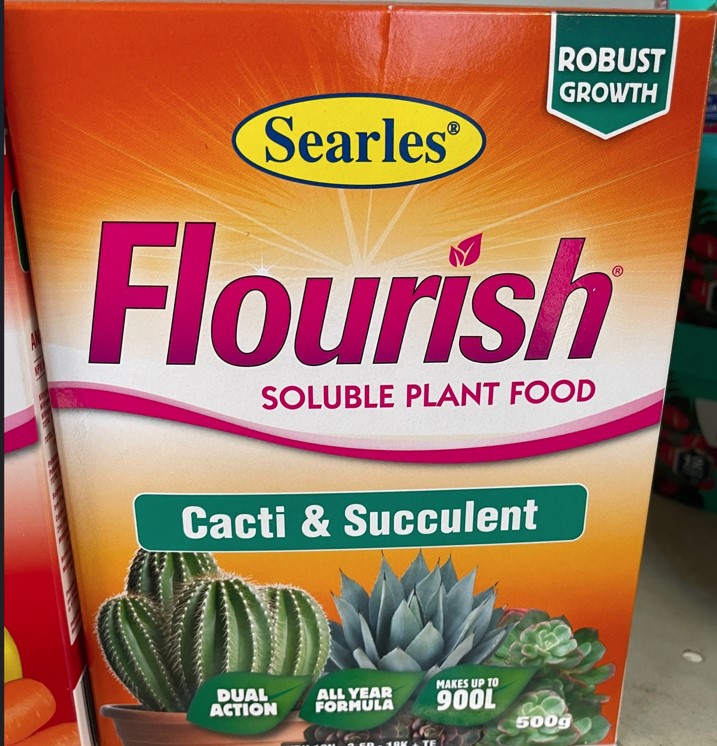
When it comes to caring for cacti, a common question arises: what is the best plant food to keep these resilient living organisms thriving? While cacti are known for their ability to withstand arid conditions, they still require the right nutrients to flourish. The challenge lies in understanding their specific nutritional needs and how best to meet them. This article will delve into plant food options, their importance, and best practices for cactus care.
Understanding Cactus Nutritional Needs
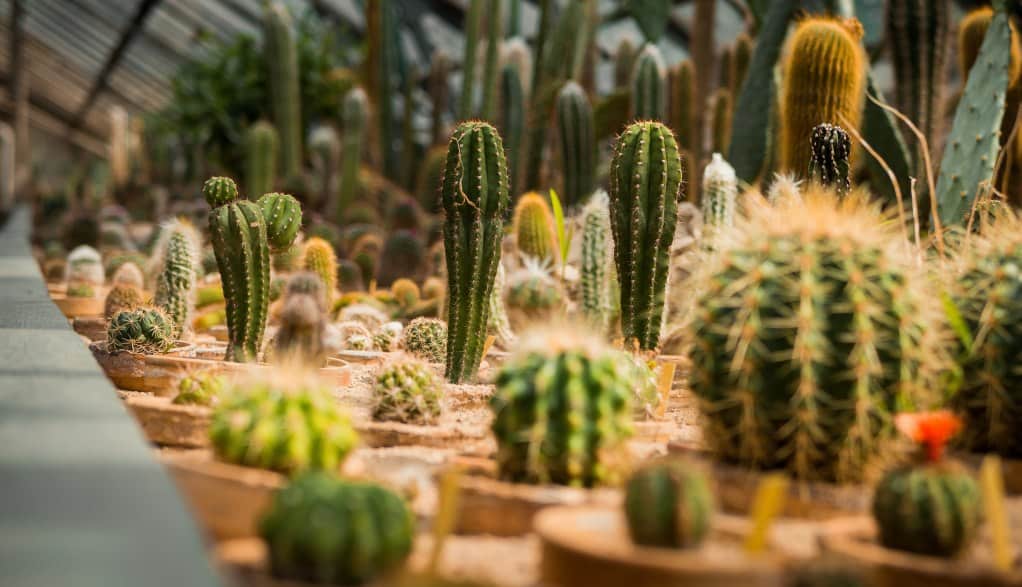
Cacti have adapted marvelously to their native habitats, which often include rocky terrains and arid conditions. This unique adaptation allows them to conserve water while drawing nutrients from the environment. To mimic this natural setting, it’s crucial to provide them with suitable nutrients that promote optimal growth.
Cacti primarily require nitrogen, phosphorus, and potassium (NPK), along with various micronutrients such as magnesium, calcium, and iron. Nitrogen plays a crucial role in leaf and stem growth, while phosphorus aids in root development and flowering. Potassium is essential for overall plant health, assisting in water regulation and Photosynthesis. The challenge is in balancing these nutrients since over-fertilization or the wrong ratio can harm your cactus.
Types of Plant Food for Cacti
When selecting plant food for your cacti, options abound. However, not all fertilizers are created equal. Understanding the different types available can help you make an informed decision.
Liquid Fertilizers
Liquid fertilizers are a popular choice among cactus enthusiasts, as they allow for controlled application and ease of use. Typically, a diluted solution provides a quick nutrient boost. It’s essential to apply liquid fertilizers during the growing season, usually in spring and summer. A common recommendation is to use a balanced 10-10-10 fertilizer or one specifically formulated for cacti. Just remember to water thoroughly before application to prevent root burn.
Granular Fertilizers
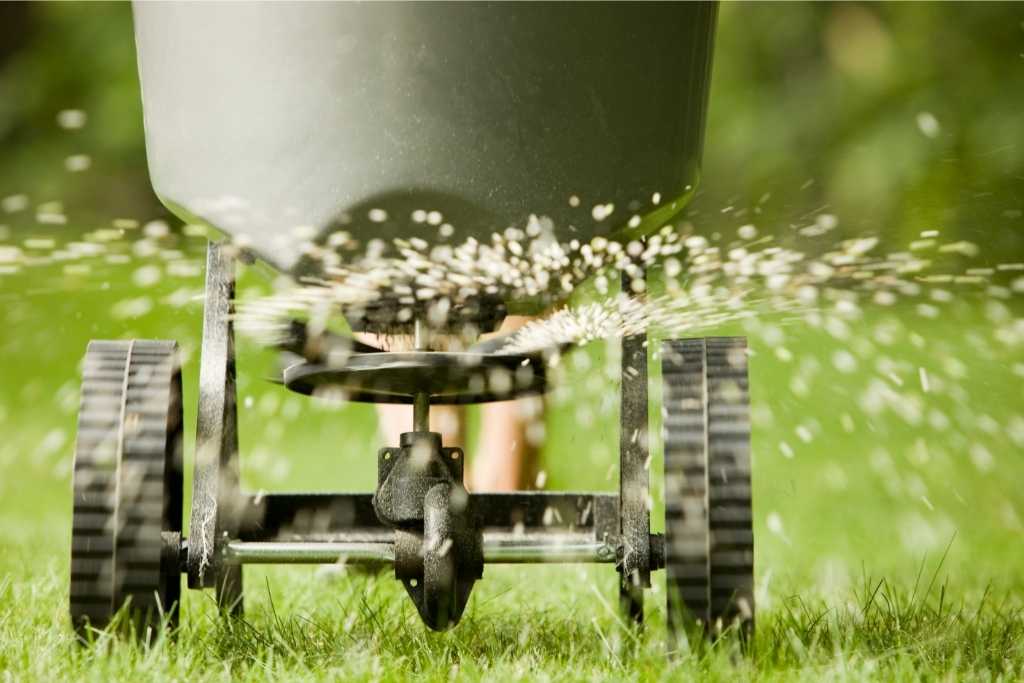
Granular fertilizers offer a slow-release option, gradually providing nutrients over time. These can be beneficial for those who want a more hands-off approach to cactus care. When applied, the granular form increases the soil’s nutrient content without the risk of over-fertilization if done correctly. Look for a formulation high in phosphorus to encourage blooming if you want your cactus to produce vibrant flowers.
Organic Fertilizers
If you’re seeking a more natural approach, organic fertilizers can be an excellent option. Ingredients like bat guano, compost, or worm castings enrich the soil with beneficial microorganisms, promoting healthy root growth. Organic options usually come in both liquid and granular forms, providing versatility in application. Keep in mind, though, that organic fertilizers typically release nutrients more slowly than synthetic ones, making them ideal for long-term health.
Specific Challenges with Cactus Fertilization
While feeding cacti seems straightforward, it can pose specific challenges. Over-fertilization is perhaps the most common issue, leading to nutrient burn. This condition can manifest through yellowing or browning of the cactus, indicating distress. As a precaution, it’s wise to err on the side of caution and fertilize less frequently rather than risk damaging your plant.
Another challenge lies in the difference between indoor and outdoor cacti. Indoor cacti often have different light and moisture conditions than their outdoor counterparts. Therefore, those grown inside may require less frequent fertilization, as the limited light can hinder growth. Observing your cactus for signs of nutrient deficiency or excess is crucial for gauging its needs accurately.
Best Practices for Fertilizing Your Cactus
To achieve the best results, consider following these best practices for fertilizing your cactus:
Timing
Spring is the prime season for cactus growth. As temperatures rise, your cactus will awaken from its dormant state, necessitating an increase in nutrient intake. Begin fertilization in early spring and continue throughout the growing season.
Be mindful that as fall approaches, you should taper off the feeding regimen, allowing your cactus to winterize effectively.
Method of Application
Always apply fertilizers to a well-watered cactus. This practice helps disperse nutrients more evenly while reducing the risk of root burn. For granular forms, sprinkle the fertilizer around the base of the cactus and water thoroughly.
For liquid options, dilute it to half the recommended strength to prevent overwhelming your plant.
Monitoring Your Cactus
Regularly observe your cactus for signs of nutrient deficiency or excess. Yellowing stems may indicate a nitrogen deficiency, while stunted growth can suggest a need for phosphorus or potassium. Adjusting your feeding regimen based on your cactus’s appearance ensures it receives the right balance of nutrients.
Promoting Thriving Cacti
In conclusion, achieving vibrant and thriving cacti requires understanding their nutritional needs and employing the right plant food. Whether you opt for liquid fertilizers for convenience, granular options for slow release, or organic selections for a natural approach, the key is to monitor your plants and adjust as needed. By addressing potential challenges during fertilization and following best practices, your cacti can flourish in their environment, showcasing their unique charm for years to come. So, are you ready to nurture your green companions with the proper nutrients? The journey of cactus care begins with informed decisions that pave the way for success.
FAQ
What is the best type of fertilizer for cacti?
Balanced liquid fertilizers diluted to half strength or slow-release granular fertilizers with a higher phosphorus content are commonly recommended for cacti.
How often should I fertilize my cactus?
Fertilize during the growing season (spring and summer), tapering off in fall and winter when the cactus enters dormancy.
Can over-fertilizing harm my cactus?
Yes, over-fertilizing can cause nutrient burn, leading to yellowing or browning. It's best to fertilize cautiously and observe your plant.
Are organic fertilizers good for cacti?
Organic fertilizers improve soil health and promote root growth but release nutrients more slowly than synthetic ones, making them ideal for long-term care.


Leave a Reply