
Short Answer
Have you ever wondered how something as stark and spiky as a cactus could seamlessly bridge the gap between two seemingly opposite design philosophies: bohemian exuberance and minimalist restraint? At first glance, these styles might appear to be at odds—the carefree, eclectic vibe of bohemian decor versus the calculated simplicity of minimalism. Yet, cacti, with their intriguing silhouette and hardy charm, offer a unique opportunity to marry these worlds. But how can you skillfully use these resilient succulents to elevate both aesthetics without tipping the balance? Let’s explore the art of incorporating cacti into bohemian and minimalist decor with flair, finesse, and a touch of daring creativity.
Understanding the Dual Persona of Cacti
Cacti aren’t just desert dwellers; they are living sculptures, versatility wrapped in armor. Their organic architecture—spiky yet sculptural—makes them uniquely suited for deco projects that demand both character and control. In bohemian settings, cacti complement a kaleidoscope of eclectic textures, vibrant colors, and layered textiles. Minimalism, however, embraces the cactus in its most pared-down form, spotlighting shape and space rather than ornamentation.
The challenge lies in adapting the cactus’s inherent qualities to the emotional tone of each style. Can it be both a playful accent and a meditative focal point? Absolutely. The answer is in thoughtful placement, container selection, and complementary accessories. Consider cacti as silent narrators, telling stories of both whimsy and austerity.
Choosing the Right Cacti for Your Space
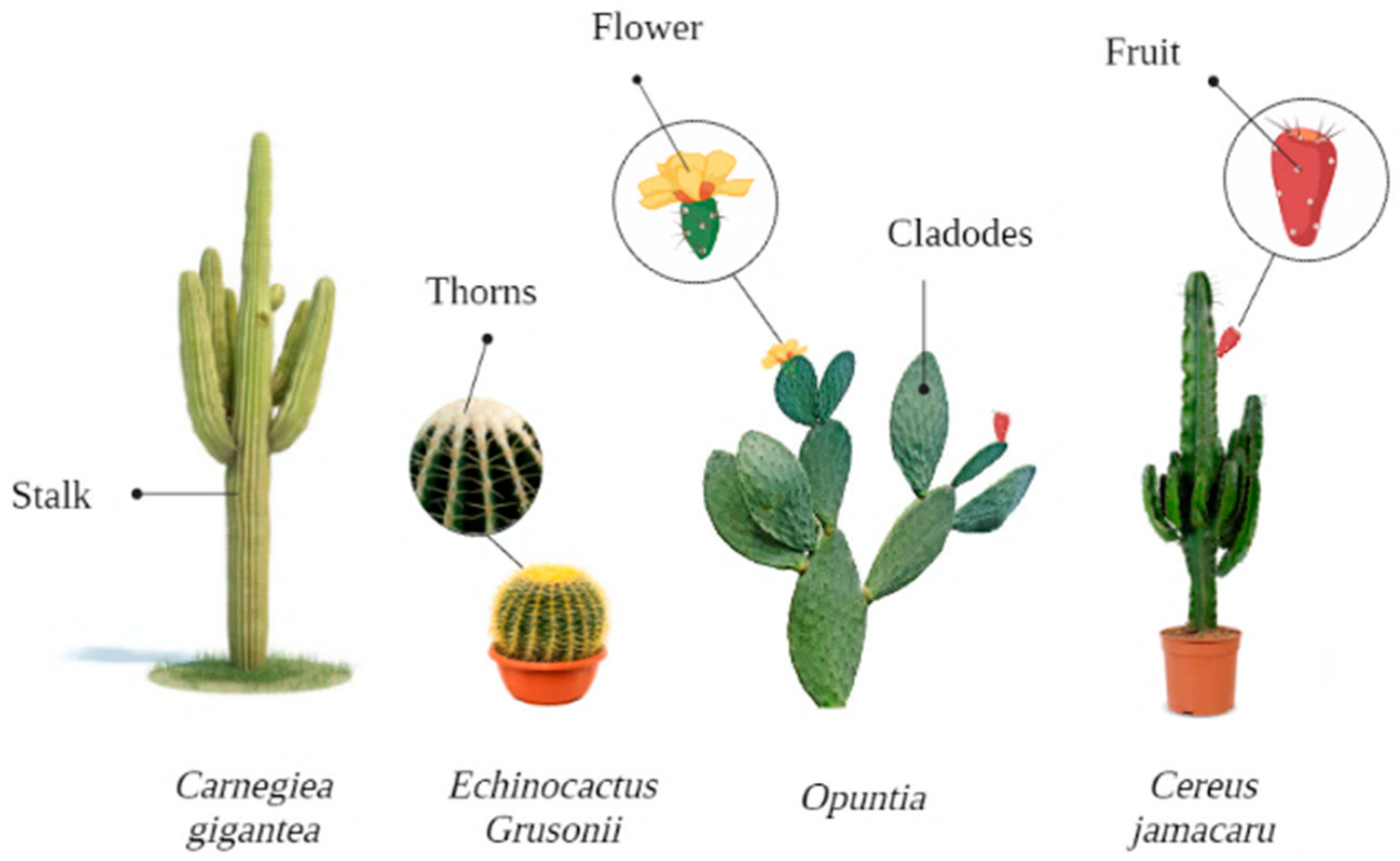
Not all cacti are created equal when it comes to decorating. The shape, size, and texture of your chosen plant will influence the visual dialogue it initiates in your room. For bohemian styles, opt for varieties with unusual forms—like the twisted cereus or the spiny, globular ball cactus—that lend an eccentric, almost whimsical feel. Larger cacti such as the towering saguaro or columnar types can inject a dramatic vertical element, akin to living sculptures among furniture and textiles.
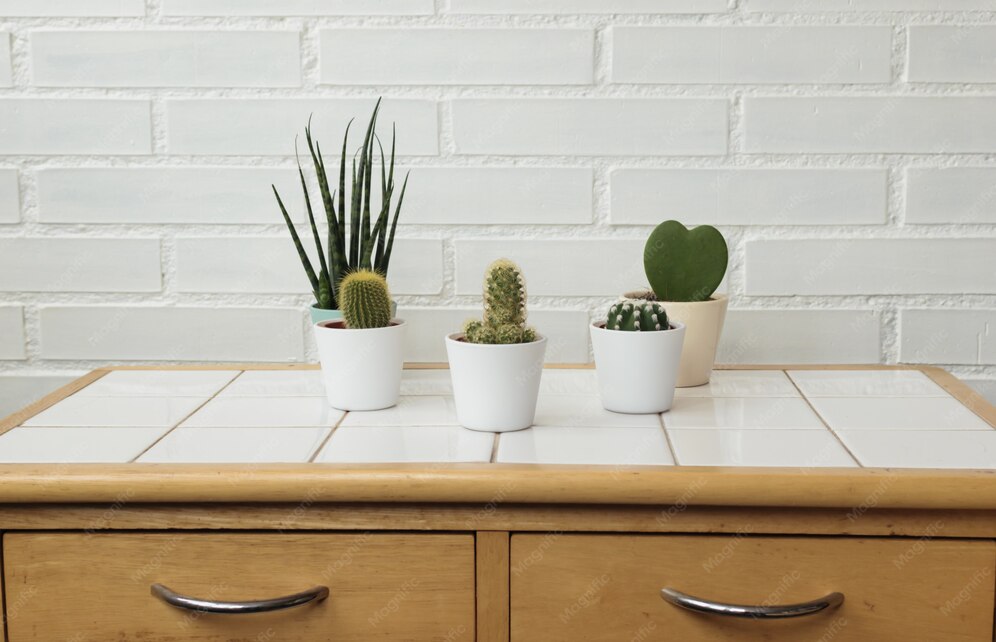
Minimalism, on the other hand, tends to favor streamlined, geometric cacti—think of sleek forms like the golden barrel cactus or elongated cylindrical varieties. Their symmetry and simplicity enhance the minimalist mantra of “less is more.” The color variations—from muted greens to dusky blues—are natural tones that speak quiet elegance without overwhelming the eye.
Containers and Holders: The Unsung Heroes
The vessel that cradles your cactus is as important as the plant itself. In bohemian decor, containers become canvases for artistic expression. Terracotta pots with hand-painted patterns, macramé hangers adorned with beads, or vintage ceramics can amplify the free-spirited vibe. The contrast between the rugged cactus and the playful, sometimes ornate container adds textural intrigue and personality.
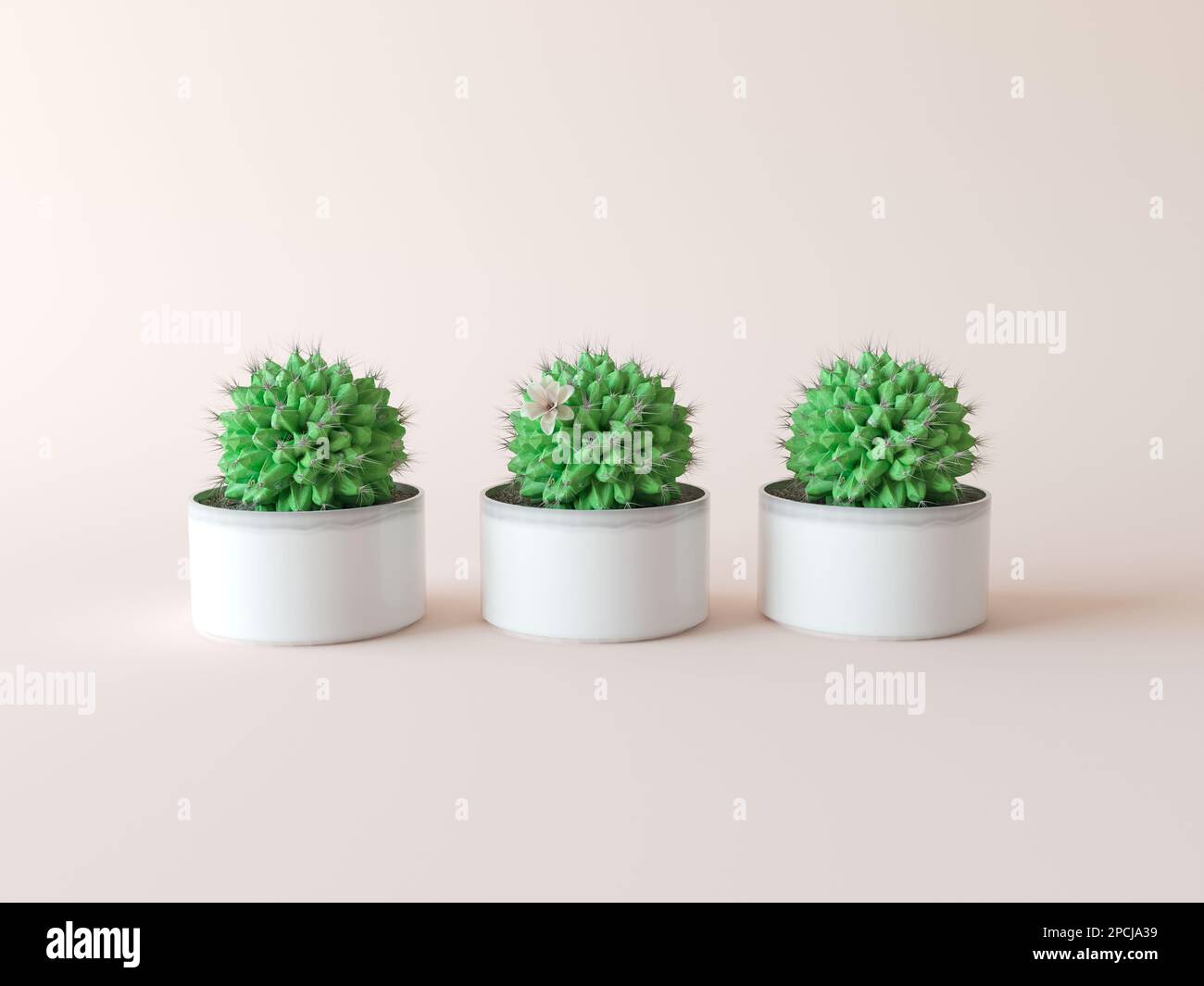
Minimalism, conversely, gravitates toward crisp, monochromatic pots—think matte white cylinders, smooth concrete planters, or sleek black ceramics. These understated holders frame the cactus like a piece of modern art, emphasizing form and shadow. The container’s minimal presence allows the cactus to become the centerpiece without competing for attention.
Placement and Grouping: The Spatial Ballet
How you situate your cacti can make or break their impact. Bohemian spaces thrive on dynamic, layered presentations. Grouping cacti of varying shapes and sizes amidst textured rugs, woven baskets, and low wooden tables helps create a sense of wanderlust and untamed beauty. Use natural light to play with shadows and accentuate the cactus’s dimensionality.
In minimalist rooms, less is definitely more. Single cacti placed in open, uncluttered spots—such as a pedestal near a window or a corner with clean lines—work best. Negative space acts as a visual air, allowing the subject to breathe freely. Sometimes, a trio of similarly shaped cacti arranged in a row can also provide balance, as long as repetition doesn’t drift into monotony.
Pairing With Textiles and Furnishings
The tactile world surrounding your cacti can amplify their aesthetic message. Bohemian interiors embrace a rich melange of textiles—fringed throws, patterned cushions, tasseled rugs. These elements evoke warmth and adventure, making the prickly plants feel like natural companions rather than alien intruders. Organic wood furniture, leather poufs, and vintage brass accents create a harmonious tableau that celebrates imperfection and whimsy.
Minimalism calls for restraint—neutral-hued textiles in linen, cotton, or wool become subtle backgrounds to the cactus focal points. Smooth surfaces like glass, metal, and polished wood echo the plant’s sculptural quality. Every piece has a purposeful role, and the interaction between cactus and furnishing underscores a disciplined yet inviting environment designed for calm contemplation.

Maintenance: Keeping Your Decor Alive and Radiant
Cacti are incredibly low-maintenance plants, but their health directly influences how well they complement your decor. In both bohemian and minimalist spaces, proper lighting, watering, and soil considerations are crucial. Underwatering is generally preferred, with cacti thriving in bright, indirect sunlight. Avoid overwatering to prevent rot—remember, their desert origins have shaped their rugged survival skills but also delicate balances.
When cacti are vibrant and healthy, their spines gleam, their colors deepen, and their architectural beauty becomes a living artwork. Neglected plants, by contrast, can detract from your decor’s intention, appearing dull or lifeless. Regular dusting and occasional rotation to ensure balanced light exposure can keep your cactus specimens thriving for years.
Adding Unexpected Twists and Experimental Flair
Dare to break the mold by experimenting with unconventional cactus displays. Bohemian enthusiasts might consider hanging cacti in glass terrariums, weaving small pots into macramé hammocks, or creating cactus walls interspersed with fairy lights and vintage mirrors. These unexpected touches add layers of sensory delight, merging nature with artistry in surprising ways.
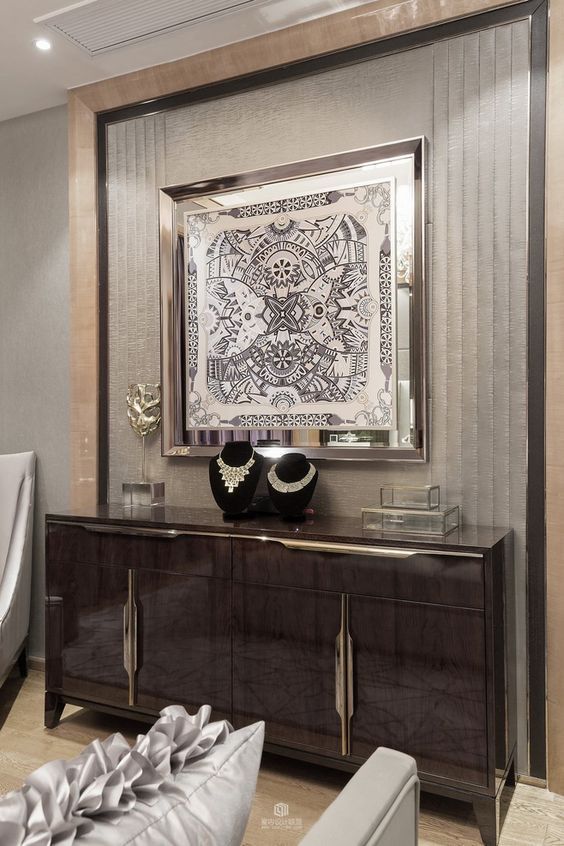
Minimalists can play with the concept of contrast—placing a solitary cactus atop a sleek, reflective console or positioning one next to an abstract monochrome painting. The juxtaposition of organic growth against rigid modernity can be visually electrifying. Embracing asymmetry or subtle irregularities in the arrangement will keep the aesthetic fresh and invigorating.
Conclusion: The Cactus as a Design Diplomat
In the end, cacti offer a wondrous paradox—both bold and understated, exotic yet familiar. Their chameleon-like ability to adapt shines in both bohemian exuberance and minimalist tranquility. The key is to honor their intrinsic character while tailoring their presence through thoughtful choices of species, containers, placement, and complementary decor. When used with intention, cacti don’t just decorate; they mediate a lively dialogue between two worlds, inviting us to rethink boundaries and celebrate the beauty of versatility.
FAQ
How can I use cacti in bohemian decor?
In bohemian decor, use cacti with unusual forms and colorful containers to complement eclectic textures.
What cacti are best for minimalist spaces?
Sleek and geometric cacti like barrel or cylindrical varieties work best in minimalist designs.
What are the care requirements for cacti?
Cacti thrive in bright indirect sunlight and prefer to be underwatered to prevent rot.

Leave a Reply