

Short Answer
In the realm of public parks, cacti have emerged as enchanting botanical specimens that captivate both casual visitors and dedicated horticulturists alike. Their striking forms and resilient nature present a curious paradox: these thorny denizens of arid landscapes flourish in spaces traditionally associated with lush greenery and floral abundance. This widespread fascination with cacti extends beyond mere aesthetics; it encompasses cultural symbolism, ecological benefits, and intricate design philosophies. Exploring the integration of cacti in public parks reveals a nuanced dialogue between nature, human ingenuity, and environmental stewardship.
Visual Impact and Aesthetic Appeal of Cacti in Park Design
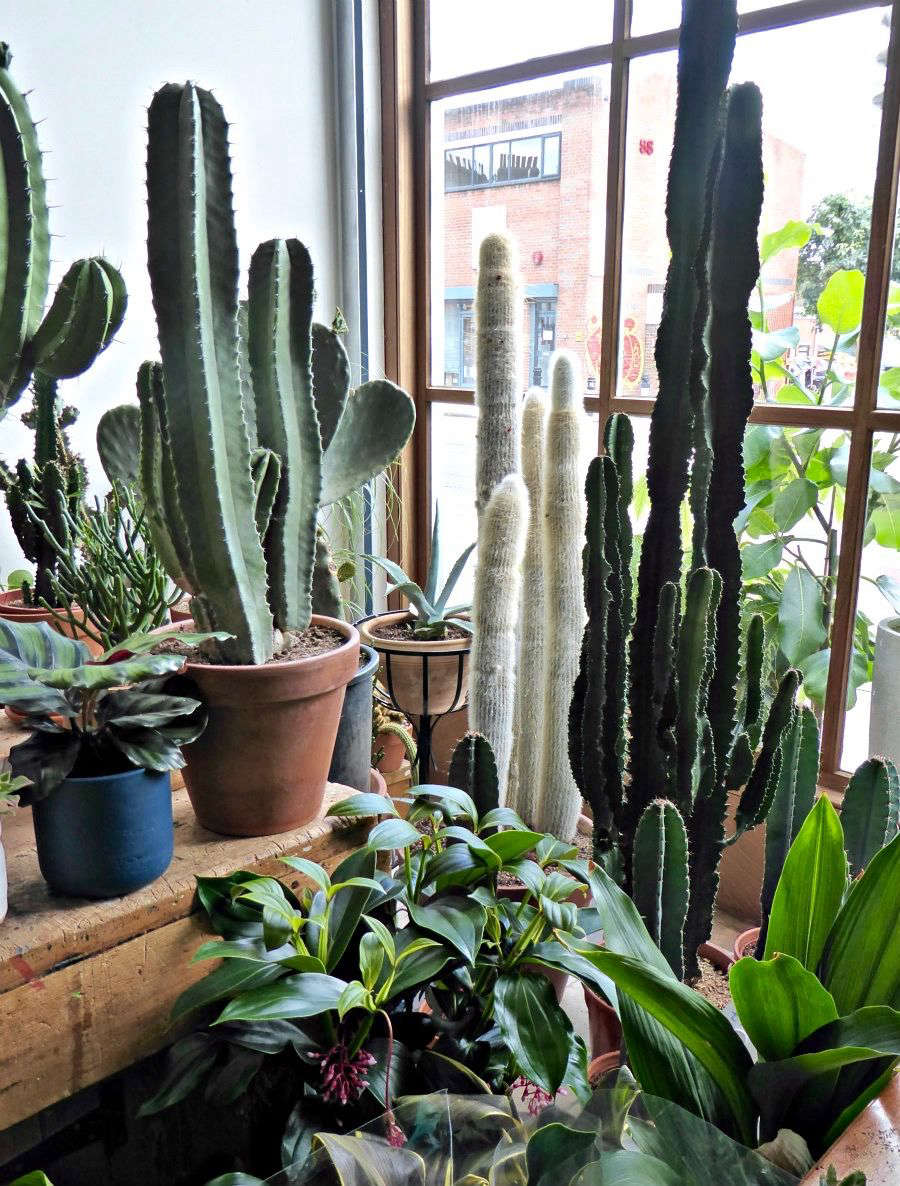
The allure of cacti in public parks stems primarily from their sculptural elegance and otherworldly textures. Unlike conventional park flora characterized by soft leaves and gentle curves, cacti offer geometric precision and bold silhouettes. Their architectural forms—ranging from towering saguaros to globular barrel cacti—serve as living sculptures, instilling a sense of drama and intrigue in park landscapes.

Designers adeptly harness these visual traits, crafting focal points that accentuate spatial dynamics and invite exploration. The monochromatic greens, punctuated by vibrant cactus blooms, contribute a refreshing palette amid urban environments. This nuanced aesthetic transcends mere decoration; it communicates resilience and adaptability, themes deeply resonant in contemporary urban narratives.
Ecological and Environmental Considerations
Cacti are marvels of xerophytic adaptation—organisms perfected for survival in parched and challenging conditions. Their inclusion in public parks echoes a growing ethos of sustainability and native habitat preservation. By utilizing cacti, landscape architects reduce water consumption, a critical consideration in drought-prone regions.

Beyond conservation, cacti support specialized ecosystems. Many native pollinators and desert fauna depend on cacti for nectar, shelter, and food sources. Incorporating them into parks fosters biodiverse microhabitats within urban settings. This ecological integration enriches the visitor experience by weaving natural complexity into public spaces, subtly educating and inspiring awareness of desert environments.
Maintenance Protocols and Challenges
Despite their hardy reputation, cacti demand meticulous maintenance approaches tailored to their unique physiology. Ensuring healthy growth involves understanding their specific water requirements—over-irrigation can be fatal, while periods of drought encourage robust development. Maintenance teams must strike a delicate balance, often employing drip irrigation systems to deliver controlled hydration.
Pruning and pest management also require specialized knowledge. Removing dead pads or flowers prevents fungal infections and discourages invasive insects. Staff must handle these plants with care, equipped with protective gear to navigate spines safely while preserving the plant’s integrity.
Additionally, soil composition and drainage are pivotal. Amending park soils with sand or gravel mimics natural desert substrates, preventing waterlogging and root rot. In colder climates, seasonal protections may be necessary, shielding cacti from freezing temperatures that can compromise their vitality.
Design Philosophy: The Confluence of Art and Ecology
Incorporating cacti in park landscapes is more than horticultural practice; it is the embodiment of a design philosophy where art and ecology converge. The deliberate placement of cactus clusters and specimen plants guides visitors’ journeys through space, creating moments of pause and reflection.

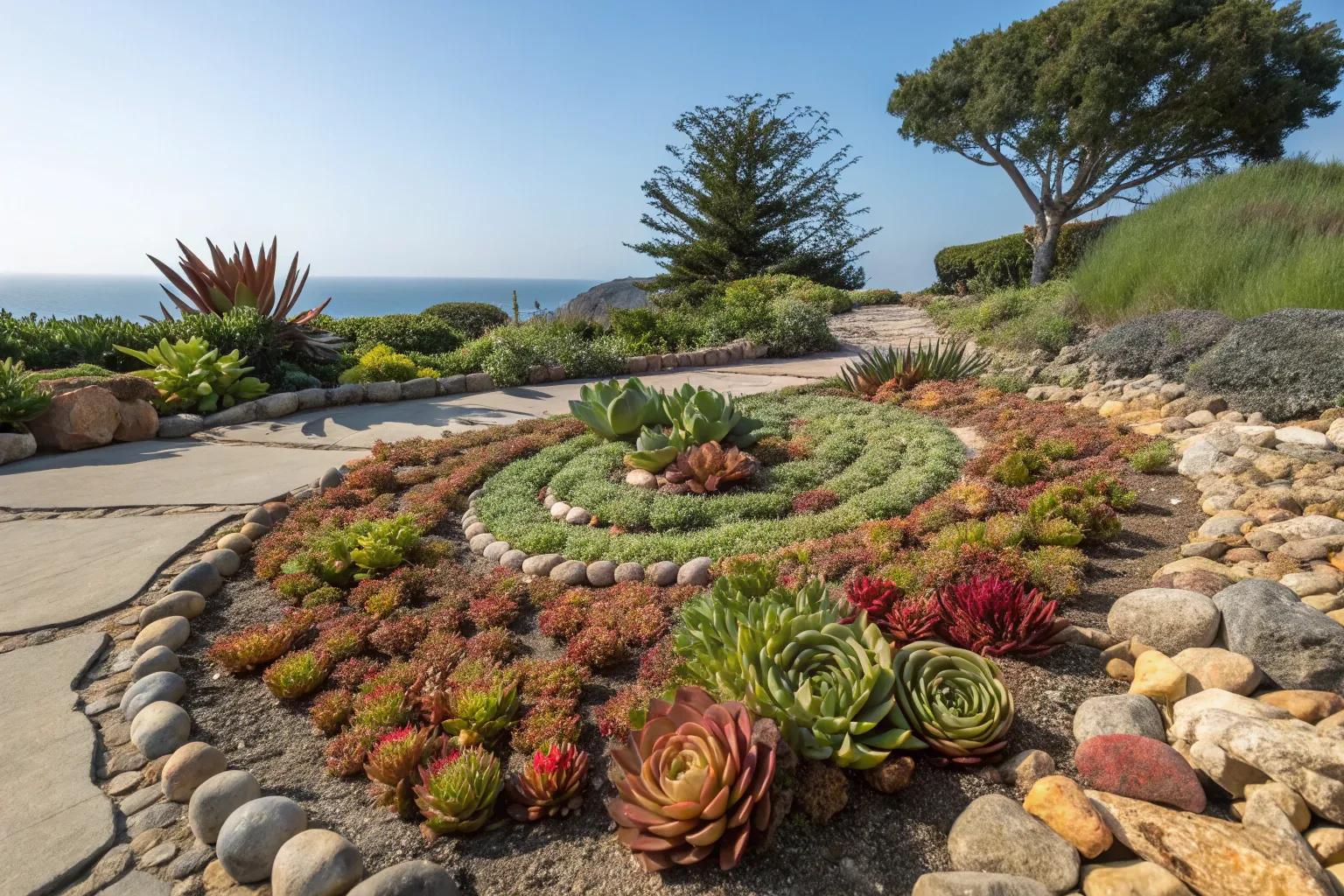
Designers employ asymmetry and repetition to echo patterns found in natural deserts, producing immersive environments that feel both authentic and curated. The cactus becomes a symbol—a sentinel of endurance amid urban vibrancy. Such design choices speak to a deeper cultural narrative, inviting contemplation on humanity’s relationship with nature’s extremities.
Cultural Resonance and Visitor Engagement
Cacti evoke a rich tapestry of cultural meanings, from indigenous symbolism to modern artistic inspiration. In public parks, they engage diverse audiences, sparking curiosity and conversation. The tactile contrast of their spines, the ephemeral beauty of their blossoms, and their ancient lineage invite a sensory and intellectual dialogue.
Interpretive signage and interactive educational programs often accompany cactus plantings, fostering a connection between visitors and the botanical world. This engagement transcends mere observation; it cultivates stewardship, encouraging communities to value and protect fragile ecosystems.
Conclusion: A Testament to Resilience and Innovation
The integration of cacti in public parks is a testament to innovative landscape architecture and environmental consciousness. These remarkable plants, once relegated to harsh deserts, now embellish urban oases with their formidable beauty and ecological virtues. Their presence challenges conventional notions of park greenery and invites us all to reconsider what thriving landscapes truly embody.
As we stroll past their spiny silhouettes, we witness a living narrative of survival, adaptation, and artistry—reminding us that even in the most unlikely settings, nature’s resilience can inspire and rejuvenate the human spirit.
FAQ
What makes cacti suitable for public parks?
Their drought tolerance, distinctive shapes, ecological support for native species, and low maintenance water needs make cacti ideal for sustainable public park designs.
How should cacti be maintained in public parks?
Maintenance includes controlled watering, pruning dead or diseased parts, pest management, ensuring proper soil drainage, and protecting plants in colder climates.
What cultural significance do cacti have in public parks?
Cacti symbolize resilience and endurance, engage visitors through tactile and visual contrasts, and often feature in educational programs highlighting desert ecology.
How do landscape designers use cacti in park layouts?
Designers use cacti's sculptural forms to create focal points, guide visitor movement, and evoke natural desert patterns through asymmetry and repetition.



Leave a Reply