

Short Answer
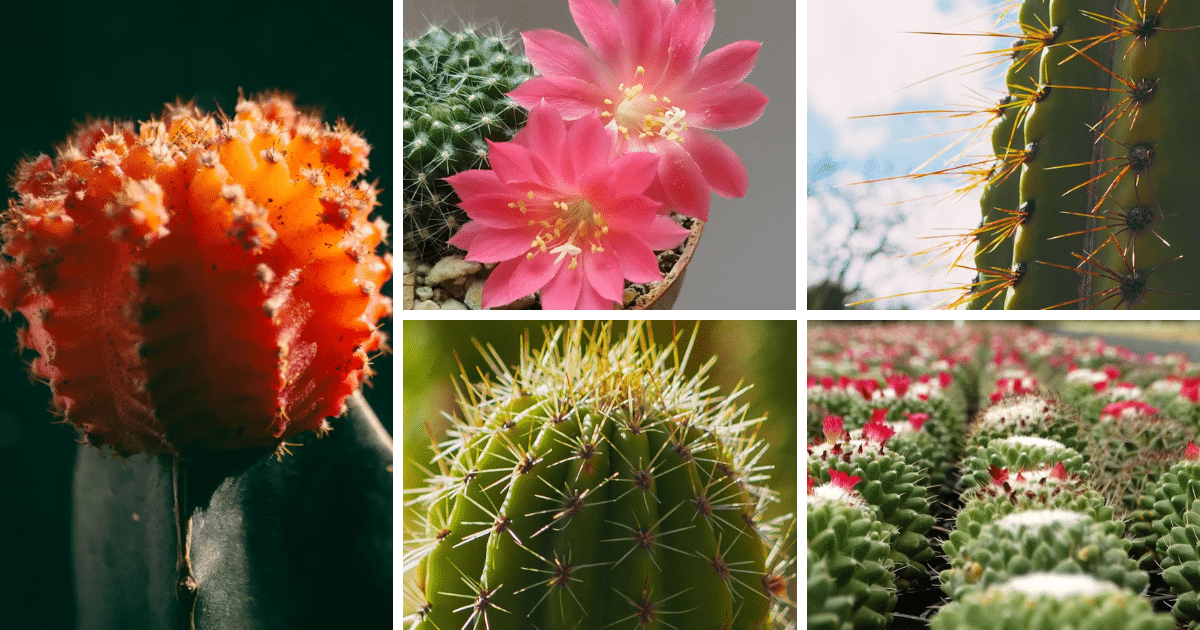
Have you ever wondered how something as prickly and robust as a cactus could transform into a mesmerizing subject through the lens of a camera? Capturing the stark beauty of these resilient plants often feels like a visual challenge. How do you highlight their intricate textures, unique shapes, and stoic resilience without making the photo look flat or uninspiring? The secret lies in embracing the art of cactus photography, a niche that invites patience, creativity, and an attentive eye. Let’s explore some game-changing tips to help you immortalize cacti in stunning, unforgettable shots.
Harnessing Natural Light: The Unsung Hero
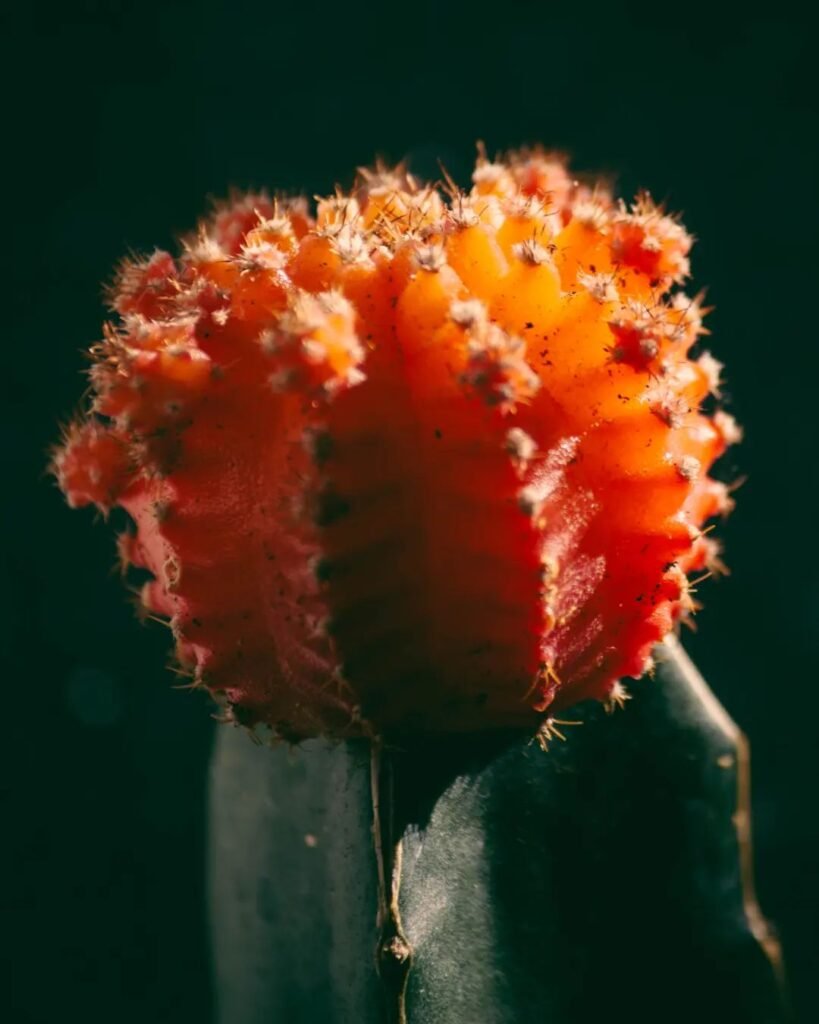
Lighting can make or break a photograph, and when it comes to cactus photography, natural light is your best ally. Early mornings and late afternoons—often referred to as the golden hours—gift your subject with warm, diffused light that accentuates the cactus’s spines and shadows, revealing textures that might otherwise go unnoticed. Instead of harsh midday sun, which can flatten details and create unflattering glare, seek softer light that sculpts the form gracefully.
Experiment by positioning your cactus so that the light grazes it from the side or behind, creating a glow around its edges—a backlighting technique that imparts a magical aura. This technique can imbue your shots with a dramatic flair, turning an ordinary plant into an ethereal sculpture of nature.
Mastering Composition: The Art of Framing the Unexpected
Can a plant that tends to grow symmetrically be photographed in a way that feels fresh and dynamic? Absolutely! Composition in cactus photography invites bold experimentation. Start with the classical rule of thirds, placing your cactus off-center to create a sense of balance and interest. But don’t be afraid to break conventions—use leading lines, negative space, and unusual angles to craft a narrative around your subject.
Try shooting from a low angle to dramatize the cactus’s height or from directly above to capture abstract patterns formed by its spines. Frame your subject against contrasting backgrounds—perhaps a clear blue sky or soft sand—to make the cactus pop. Remember, the subtle interplay of composition can transform a mundane shot into a visual symphony.
Depth of Field: Playing with Focus to Enhance Texture
How do you draw the viewer’s eye to the most arresting features of your cactus? Depth of field is a powerful tool in this regard. A shallow depth of field blurs the background and foreground, isolating your subject and emphasizing the delicate spikes, ridges, or dew drops clinging to the cactus. This selective focus creates a tactile sense, almost allowing viewers to feel the plant’s texture through the image.
Conversely, a deep depth of field brings the entire environment into crisp focus, showcasing the cactus’s habitat and giving your photograph context. Both approaches serve different storytelling purposes, so decide whether you want to emphasize detail or environment. Using a macro lens can elevate your game by allowing tight, intimate shots that reveal microcosmic worlds on the cactus surface.
Weather Conditions: Embracing Environmental Drama
Would you expect a desert plant to look captivating on a rainy day? Surprisingly, weather conditions open exciting possibilities for cactus photography. Rain can coat spines with glistening droplets, introducing tiny points of light and a fresh vitality to your subject. Overcast skies soften shadows, providing even lighting that reduces harsh contrasts and emphasizes color saturation.
Wind invokes motion, a trickier element but one that can convey the cactus’s interaction with its surroundings. Long exposure can artistically blur moving clouds or grasses around a stationary cactus, imparting a surreal juxtaposition between stillness and movement. Embracing the unique weather at your shooting location adds layers of mood and atmosphere, enriching your final composition.
Incorporating Surrounding Elements: Contextual Storytelling
Can a cactus shot stand alone, or does it tell a richer story when accompanied by its environment? Including rocks, desert fauna, or neighboring plants lends depth and context, transforming the cactus into part of a larger ecosystem. These elements can add scale and dimension, helping viewers grasp the cactus’s life conditions and character.
Play with juxtaposition—a fierce cactus against a delicate wildflower, or a solitary spiked sentinel beside a sprawling rock. These contrasts capture the paradoxical beauty of desert landscapes and intrigue the audience beyond the obvious. Thoughtfully composed scenes amplify emotional resonance, making your photography not just a visual record but a narrative.
Post-Processing: Enhancing, Not Overpowering
In the digital darkroom, it’s tempting to push contrast and saturation to extremes, but restraint often yields more compelling results. The goal in cactus photography is to highlight natural beauty, not create artificial dramatics. Subtle tweaks to sharpness can enhance spine definition, while careful color correction can rescue washed-out greens or bring warmth to earth tones.

Utilize selective dodging and burning to emphasize shadow and light play already present, further sculpting your subject. Remember, each edit should serve the story you want to tell about the cactus’s form and environment, not detract from it.
Conclusion: The Journey of Seeing Beyond the Prickles
Photographing cacti is more than snapping pictures of spiny plants—it’s an invitation to connect with endurance and subtle beauty. Navigating light, composition, focus, weather, and thoughtful editing combines technical skill with artistic intuition. With patience and creativity, every cactus can reveal its hidden charm, telling a story of survival, elegance, and nature’s meticulous design. So next time you encounter a clustered grove or solitary sentinel, ask yourself: how can my lens unlock the secrets beneath those spines?
FAQ
What are the best times to photograph cacti?
Early mornings and late afternoons, known as the golden hours, provide the best natural light for cactus photography.
How can I enhance the texture of my cactus photos?
Using a shallow depth of field can blur the background and emphasize the cactus's textures.
What should I consider for composition in cactus photography?
Use the rule of thirds, experiment with different angles, and include surrounding elements to create dynamic compositions.





Leave a Reply