
Short Answer
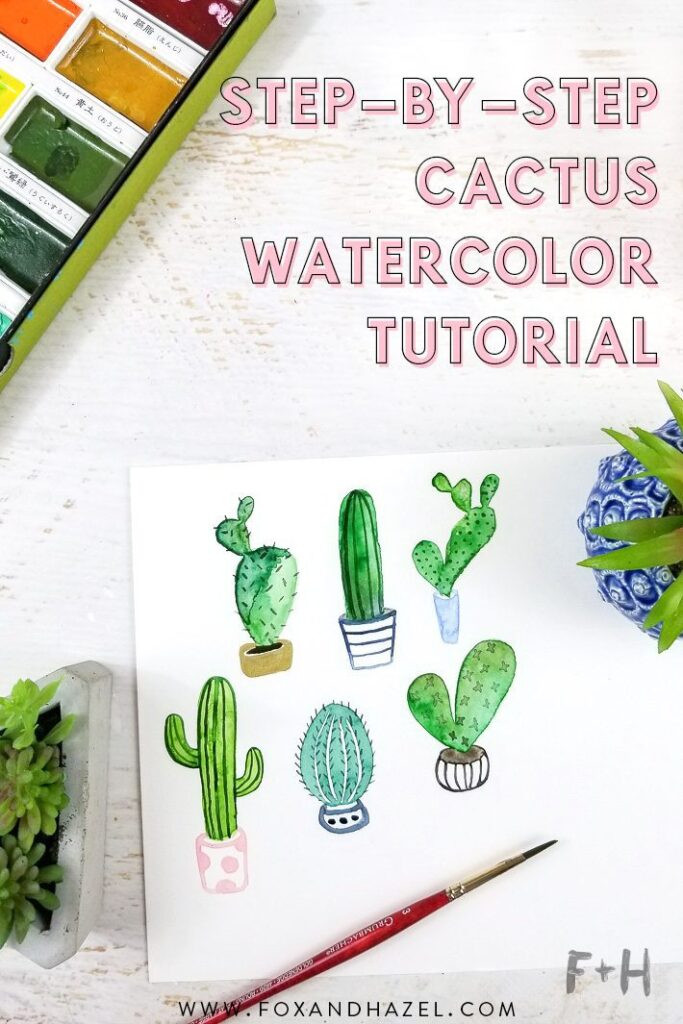
Have you ever admired the quirky charm of a cactus and wondered if you could capture its unique beauty on paper? Painting a cactus might seem deceptively simple – after all, it’s just a green plant with spikes, right? But the challenge lies in breathing life and personality into those prickly silhouettes, turning basic shapes into a vibrant, textured masterpiece. Ready to dive into the verdant world of cacti and conquer this artistic endeavor? Let’s embark on a detailed, step-by-step journey to create your very own watercolor cactus painting!
Gathering Your Tools: The Foundation of Success
Before brushes hit the paper, assembling the right materials is crucial. Think of this as setting the stage for your cactus to bloom. You’ll need watercolor paints with a robust green palette—think sage, olive, and emerald—to mimic the subtle variations in cactus flesh. Include yellows and browns for sun-kissed highlights and spines. Quality watercolor paper (preferably 140 lb cold-pressed) offers the perfect textured surface to display your brushwork, while fine-tipped brushes provide control for those intricate spikes.

Don’t forget a jar of clean water and a mixing palette to experiment with color blends. Having an apron or some cloth to blot your brush will help keep your workspace tidy and your colors pure.
Sketching the Silhouette: Outlining Your Prickly Muse
Here’s where the playful transformation begins—from imagination to form. Using a light pencil, sketch the basic shape of your cactus. Cacti come in an array of delightful poses: towering columnar forms, plump paddle-like segments, or clustered rounded forms. Which pose will you choose? Each offers a unique compositional challenge.

Keep your lines soft and loose; this is only a blueprint. Pay close attention to the cactus ribs and the arrangement of pads or arms. Remember, even a minimalistic cactus tells a story through its silhouette. Mistakes here can be easily corrected or even incorporated into your work to add whimsy.
Creating the Base Wash: Bringing Color to Life
Now that the blueprint is ready, it’s time to lay down the foundation in color. Mix diluted washes of your chosen greens and gently paint the entire form of the cactus. Watercolor demands patience—apply your paint in thin layers to build up color gradually without losing luminosity.

The base wash sets the mood. Consider the source of light to direct the highlights and shadows subtly; a warm afternoon sun might give your cactus a golden glow. Don’t shy away from infusing hints of unexpected hues—soft blues or pale yellows can break monotony and replicate the cactus’s natural variegation.
Adding Midtones and Shadows: Sculpting the Form
With the foundation dry, deepen the painting with midtones that model the cactus’s curvature. This step enhances its three-dimensionality, turning flat shapes into rolling hills and valleys. Use increasingly saturated greens and perhaps a touch of earthy brown to accentuate the shadowed sides of the ribs or between the segments.
Apply meticulous layers, letting each dry before adding the next. This glazing technique allows you to build depth without muddying colors. Watch how the cactus seems to push forward, anchored firmly on the page by these carefully placed shadows.
Detailing the Spines: Infusing Character and Texture
Here’s where your patient hand earns its stripes (or spines!). Traditional brush strokes with a fine liner brush can depict the thin, pointed spines growing along the ribs or pads. Vary the length and density to simulate a natural pattern. Some cacti sport clusters of tiny fuzz, while others brandish fierce thorns—decide which species inspires your painting.
For added texture, try dry-brush techniques to build a tactile quality or tiny dots to suggest spine clusters. Keep your strokes energetic; these details inject life and personality, turning a generic green blob into a living entity.
Incorporating Background Elements: Setting the Scene
While the cactus is the hero, the environment can elevate your painting dramatically. Consider painting a sun-drenched desert background, rocky soil, or even a whimsical patterned backdrop that complements the cactus’s shape.
Subtle washes of warm ochres, soft pinks, or muted blues can provide contrast, making your green subject pop. Keep the background loose and suggestive rather than detailed; your cactus should remain the centerpiece.
Final Touches and Highlights: Perfecting Your Prickly Portrait
The last brush strokes refine and sharpen the image. Use pure white gouache or a gel pen to add final highlights to the cactus skin or spines, simulating reflective surfaces where light kisses the plant. These minute spots of brightness breathe vibrancy into your work.
Take a step back frequently to identify areas needing more contrast or softened edges. A deft balance between boldness and subtlety will make your painting sing.
Embracing Imperfections: The Joy of Artistic Expression
Every painted cactus has its quirks—bent spines, color blends that danced unexpectedly, or shapes that defy botanical accuracy. Embrace these imperfections. They are the fingerprints of your creativity, sealing your personal connection to this resilient desert dweller.
The challenge was to transcend a simple plant into a work of expressive art. Congratulations—you’ve painted more than just a cactus; you’ve captured its indomitable spirit and whimsical charm.
FAQ
What materials do I need to paint a cactus?
You will need watercolor paints, a mixing palette, quality watercolor paper, fine-tipped brushes, and clean water.
Can I paint other plants using this technique?
Yes, the techniques outlined can be adapted to paint various types of plants, not just cacti.




Leave a Reply