
Short Answer
Transforming your dining table into a desert oasis isn’t just about aesthetics—it’s about crafting a statement that whispers elegance while shouting resilience. A cactus centerpiece doesn’t merely occupy space; it becomes a conversation starter, a symbol of tenacity, and a testament to your flair for the unconventional. Whether you’re hosting a bohemian brunch, a minimalist dinner party, or simply seeking to infuse your daily life with a touch of the extraordinary, this guide will walk you through the art of curating a cactus centerpiece that’s as unique as you are. From selecting the perfect succulents to arranging them with intention, let’s dive into the world of spiky sophistication.
The Art of Succulent Selection: More Than Just Green Spikes
Not all cacti are created equal, and the magic lies in knowing which ones will harmonize with your vision. Start by considering the texture—some boast smooth, ribbed surfaces like the regal Echeveria, while others, like the Mammillaria, flaunt a dense, fuzzy crown that begs to be touched (though, of course, with gentle reverence). Think about color palettes too. A monochromatic arrangement in varying shades of sage and emerald can feel serene, while a bold contrast—say, a cluster of Prickly Pear in fiery orange against a backdrop of silvery Ghost Plant—creates a visual symphony.
Size matters, but so does proportion. A towering Saguaro might overwhelm a petite side table, whereas a trio of petite Haworthia in a geometric ceramic pot exudes modern chic. Don’t shy away from mixing species; the juxtaposition of a sprawling String of Pearls cascading over the edge of a vessel with a cluster of upright Zebra Cactus plants creates a dynamic, almost whimsical tableau. And remember, the container is as much a part of the centerpiece as the plants themselves—opt for terracotta for a rustic vibe, concrete for an industrial edge, or hand-blown glass for a touch of ethereal glamour.
Design Principles: Crafting a Centerpiece That Captivates
Before you start arranging, channel your inner landscape architect. The rule of thirds isn’t just for photographers—it’s a golden ratio for balance. Divide your container into imaginary thirds, both horizontally and vertically, and place your tallest plants along one vertical line, medium-height specimens along another, and trailing varieties along the third. This creates a sense of movement and prevents the arrangement from feeling top-heavy or lopsided.
Layering is key. Start with a base layer of soil or moss to anchor the plants and add depth. Then, nestle in your largest cacti first, allowing their forms to dictate the flow. Fill in gaps with smaller succulents, ensuring no bare soil peeks through—this isn’t just about aesthetics; it’s about creating a lush, intentional look that feels complete. For added drama, incorporate non-plant elements like smooth river stones, driftwood, or even a scattering of tiny, iridescent beads to mimic desert dew. The goal? A centerpiece that feels like it was plucked from a sun-drenched canyon, not a garden center.
Lighting can elevate your creation from lovely to legendary. If your centerpiece will grace an evening gathering, consider adding a fairy light or two woven through the arrangement. The soft glow will highlight the textures of the cacti and create a magical ambiance. Alternatively, a single, sleek candle in a minimalist holder can cast enchanting shadows, turning your centerpiece into a focal point that dances with the flicker of flame.
DIY vs. Store-Bought: Weighing Your Options
Creating a cactus centerpiece from scratch is undeniably rewarding, but it’s not the only path to a stunning result. If you’re short on time or unsure about your green thumb, pre-potted arrangements from nurseries or artisanal shops offer a hassle-free alternative. These often come in chic, ready-to-display containers, saving you the effort of soil selection and plant care. However, be mindful of the quality of the plants—wilted or leggy specimens can detract from the overall impact.
For the DIY enthusiast, the process is part science, part artistry. Begin by selecting a well-draining soil mix, ideally one formulated for succulents and cacti, to prevent root rot. If your container lacks drainage holes, layer the bottom with pebbles to create a faux drainage system. When transplanting, handle the plants with care—cacti are tough, but their spines are no joke! Use tongs or folded newspaper to protect your hands, and avoid overcrowding the pot; give each plant room to grow and thrive. A top dressing of sand or decorative gravel not only enhances the aesthetic but also helps retain moisture and suppress weeds.
Don’t forget the personal touch. A handwritten tag with the names of the plants or a tiny, hand-painted sign adds a layer of intimacy to your centerpiece. It’s these small details that transform a simple arrangement into a reflection of your personality.
Seasonal and Thematic Variations: Tailoring Your Centerpiece
The versatility of cacti makes them perfect for any season or theme. For a springtime gathering, pair pastel-hued succulents like Echeveria ‘Lola’ with delicate pussy willows or blush-colored pebbles for a soft, romantic vibe. Summer calls for bold, sun-kissed arrangements—think Barrel Cactus surrounded by seashells and coral tones to evoke a beachy escape. Autumn invites earthy hues: deep reds, oranges, and browns can be achieved with Moon Cactus or Christmas Cactus, paired with dried leaves or mini pumpkins for a cozy, harvest-inspired look.
Holidays offer another opportunity to get creative. A Halloween centerpiece might feature black Black Prince Echeveria, spooky-looking Snake Plant cuttings, and tiny, glowing LED lights. For Christmas, a cluster of Christmas Cactus in a vintage-inspired pot, adorned with miniature ornaments or faux snow, brings festive cheer without the cliché. Even weddings can benefit from cactus centerpieces—opt for a monochromatic palette in white or blush, or go wild with a rainbow of succulents for a playful, modern touch.
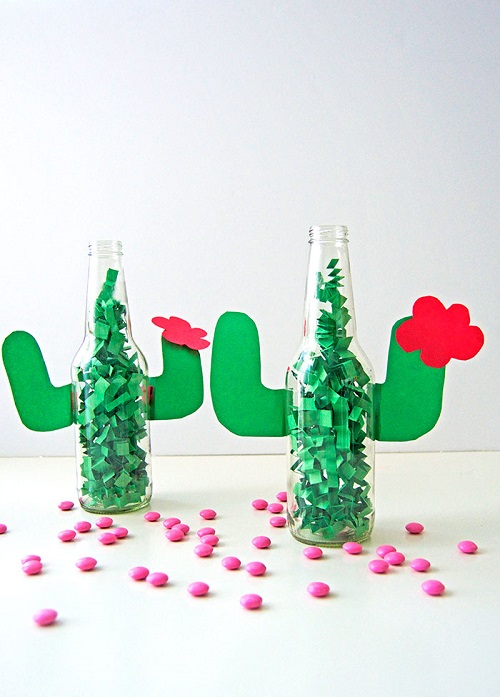
Themed parties are where cacti truly shine. A Mexican fiesta might incorporate vibrant Prickly Pear pads, terracotta pots, and papel picado banners. A boho-chic brunch could feature a low, sprawling arrangement of String of Pearls and Burro’s Tail in a woven basket. The possibilities are as endless as your imagination.
Maintenance and Longevity: Keeping Your Centerpiece Thriving
A cactus centerpiece isn’t a “set it and forget it” project. To keep your arrangement looking its best, light is paramount. Most cacti thrive in bright, indirect sunlight, so place your centerpiece near a window that receives plenty of natural light. If your home lacks natural brightness, supplement with a grow light to prevent your plants from becoming etiolated (stretched out and weak).
Watering is where many enthusiasts stumble. Overwatering is the fastest route to root rot and a sad, mushy demise. Instead, adopt a less-is-more approach: water deeply but infrequently, allowing the soil to dry out completely between sessions. In winter, reduce watering further—most cacti enter a dormant phase and need even less moisture. A good rule of thumb is to water when the soil feels dry to the touch, about an inch down.
Dust can dull the vibrancy of your cacti, so give them an occasional wipe-down with a soft brush or a damp cloth. If your centerpiece includes non-plant elements like stones or driftwood, clean these regularly to prevent dust buildup. And don’t forget to rotate your pot every few weeks to ensure even growth—cacti are phototropic, meaning they’ll lean toward the light, and rotating prevents them from becoming lopsided.
Finally, be mindful of temperature fluctuations. Most cacti prefer temperatures between 70-100°F (21-38°C) during the day and a slight drop at night. Avoid placing your centerpiece near drafty windows, air vents, or heating appliances, as sudden temperature changes can stress the plants.
Beyond the Table: Creative Uses for Cactus Arrangements
Why limit your cactus centerpiece to the dining table? These versatile arrangements can elevate any space in your home. A shelf display in your living room or bedroom can add a touch of desert chic, especially when paired with books, vintage trinkets, or framed botanical prints. In a bathroom, a small cluster of succulents in a glass terrarium can transform the space into a spa-like sanctuary, purifying the air while soothing the soul.
Cacti also make thoughtful gifts. A carefully curated centerpiece can convey warmth and thoughtfulness, whether it’s for a housewarming, a birthday, or just because. Pair it with a handwritten note about the symbolism of resilience or the beauty of the desert, and you’ve created a gift that’s as meaningful as it is visually striking.
For the adventurous, consider creating a living wall or a vertical garden using cacti and succulents. This not only saves space but also turns a blank wall into a living work of art. Combine different textures and colors for a mosaic-like effect that’s sure to impress.
The beauty of cactus arrangements is their adaptability. They can be as understated or as extravagant as you desire, fitting seamlessly into any decor style. Whether you’re a minimalist at heart or a maximalist with a penchant for the dramatic, there’s a cactus centerpiece waiting to become your new obsession.
FAQ
What types of cacti are best for centerpieces?
Best choices include Echeveria, Mammillaria, Prickly Pear, and Saguaro, as they offer varying textures and colors.
How often should I water my cactus centerpiece?
Water deeply but infrequently, allowing the soil to dry out completely between waterings.




Leave a Reply