
Short Answer
Like a sun-forged sentinel standing proud in the arid wilderness, the barrel cactus captivates with its stout, ribbed armor and vibrant crown of spines—a testament to nature’s ingenious resilience. This storied desert dweller is not just a botanical marvel; it is a living sculpture of perseverance and understated beauty. Growing and maintaining a barrel cactus is akin to nurturing a tiny fortress of the desert, a task that invites both patience and reverence. Whether adorning your southwestern garden or infusing your indoor space with a pinch of wild vitality, the barrel cactus promises a unique horticultural journey. Let’s explore this classic plant’s charm and delve into the intricate art of cultivating such a resilient marvel.
Understanding the Unique Physiology of Barrel Cactus
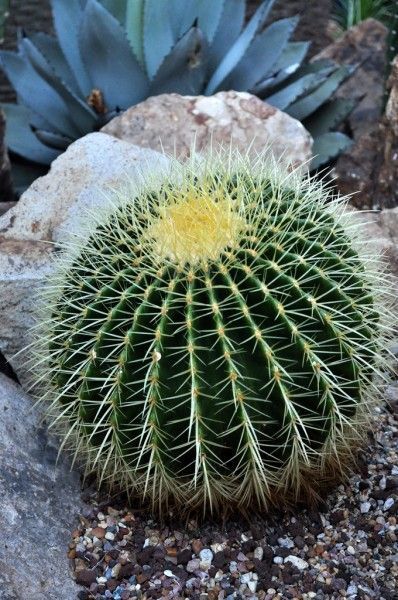
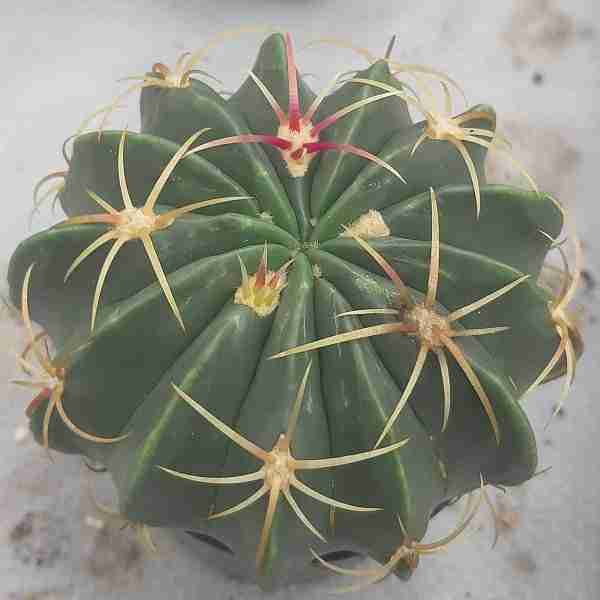
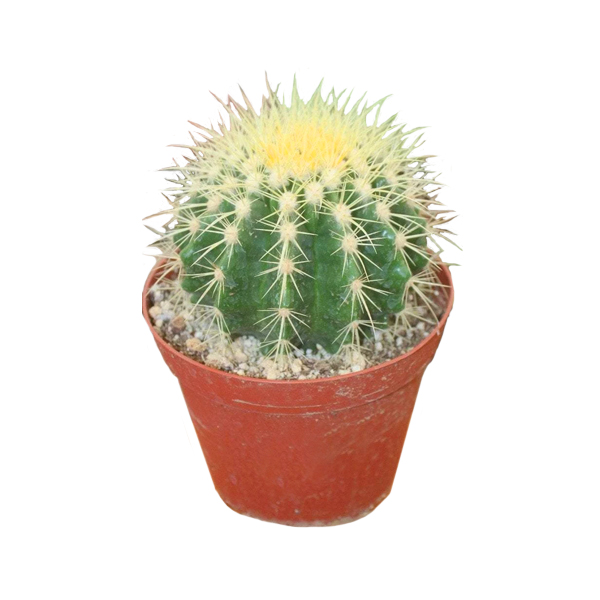
The barrel cactus (genus Echinocactus and Ferocactus) is a botanical testament to endurance, its bulbous body resembling a tightly packed coil of staves from a wooden barrel, hence its name. These stalwart globes are wrapped in vertical ribs that expand and contract like accordion folds, allowing the plant to store precious water within its succulent tissues during sporadic desert rains. Encircling the ribs are fierce, spiny quills—some vivid golden hues, others a more austere gray—that serve as armor and sunshade, reducing water loss while deterring herbivores. Atop this armored cylinder blooms a crown of radiant flowers, fleeting yet unforgettable, as if the cactus whispers its legacy in brief, vibrant bursts.
Choosing the Right Environment: Sun, Soil, and Space
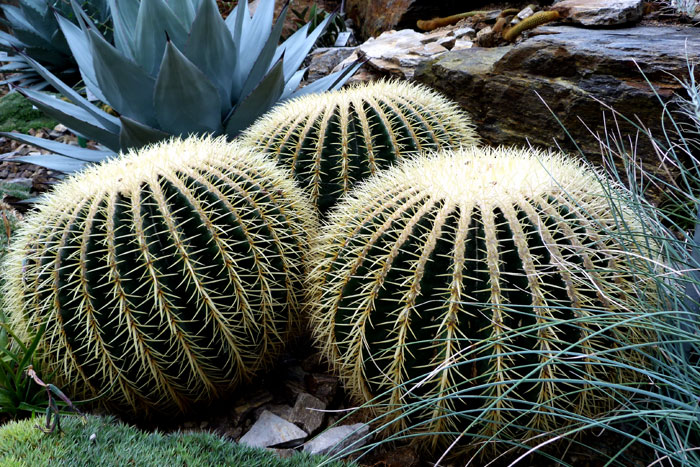
To coax a barrel cactus into flourishing, a grower must simulate its natural desert stage. Unyielding sunlight is paramount; these plants thrive when bathed in direct sun, requiring at least six hours of luminous, unfiltered rays daily. Imagine the sun as a master artist’s brush, etching life into the cactus’s thick epidermis. For soil, a gritty, well-draining mixture is essential—it must quickly shed water to avoid the rot that could devastate the cactus’s core. A concoction of sandy loam mixed with perlite or pumice mimics sunbaked desert earth perfectly.
Spatially, barrel cacti desire room to breathe and expand. Their robust, rounded form can grow impressively large over time, so be sure to plant them in a spot where their silhouette can be admired from every angle—or choose a container with ample depth and width for potted varieties.
Watering Wisdom: The Balancing Act of Hydration
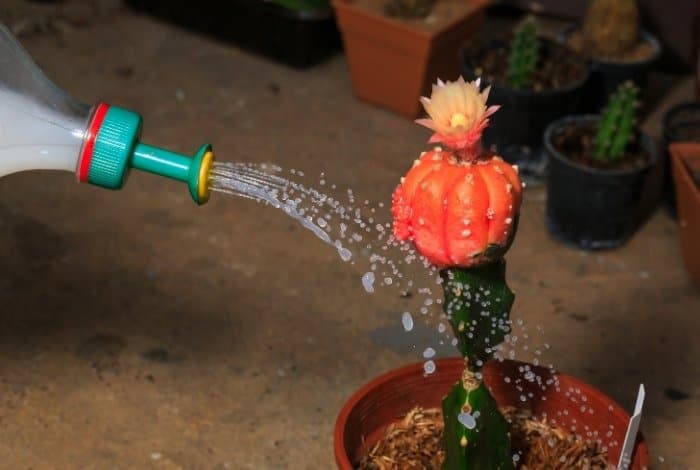
Watering a barrel cactus is a nuanced dance between abundance and scarcity. Overindulgence invites calamity; these plants evolved with intermittent droughts in mind, not soggy soils. During the growing season (spring through early fall), water only after the soil has completely dried out. Think of this as marinating in the desert’s rhythm rather than drowning in excess. In winter, when the cactus rests, water becomes nearly obsolete—limiting it to a deep, occasional soak every few weeks preserves health and promotes dormancy.
Warning signs of overwatering include yellowing, softening, and an unpleasant scent—a call to adjust your care immediately.
Temperature and Climate: Emulating Desert Extremes
Barrel cacti are desert aristocrats, accustomed to staggering temperature swings. During the day, they bask in heat that can soar past 90°F (32°C), while nighttime often brings a refreshing chill. This fluctuation is essential for their metabolic cycles, making temperature regulation a key concern. They are hardy plants but tend to shy away from frost. Protecting barrel cacti from freezing temperatures, especially below 30°F (-1°C), ensures their ribs remain taut and vibrant.
Fertilizing: Feeding the Desert Giant
Though sparing, feeding a barrel cactus can enhance growth and flowering. Opt for a diluted, balanced fertilizer formulated for succulents or cacti. Typically, feeding every 6–8 weeks through the growing season suffices—a modest feast compared to lavish houseplants. Excess fertilization can lead to abnormal, weak growth that undermines the cactus’s robustness.
Propagation: Cultivating New Life From the Barrel
Propagating barrel cactus invites an element of patience and precision. Seed propagation is the most common method, requiring a sterile environment and gentle handling. Seeds should be sown in a light, well-draining medium and kept moist but not wet under partial sun. Germination can be slow, mimicking the natural desert timeline, but the reward is a new generation of barrel sentinels.
Offsets or pups sometimes emerge at the cactus base. These can be carefully removed and potted separately, offering a shortcut to new plants without the waiting game of seeds.
Common Challenges and How to Overcome Them
Despite their rugged nature, barrel cacti face threats from pests like mealybugs and scale insects, which can be mitigated with regular inspection and insecticidal soap treatments. Root rot remains the graveyard of many a barrel cactus and is usually a consequence of poor drainage or overwatering.
Ensuring alertness and timely intervention is the gardener’s shield, much like a desert wanderer vigilantly guarding against the elements. Keeping the plant above ground level in containers and maintaining airflow further protects against mold and fungal infections.
Embracing the Aesthetic: Incorporating Barrel Cacti in Your Landscape
The barrel cactus is more than a plant; it is a sculptural muse. Its dramatic form makes it an ideal centerpiece for xeriscaping—a landscape design that highlights drought-tolerant flora. Combine barrel cacti with agaves, yuccas, and desert grasses for a tableau that evokes the mystique of the Southwest.
Indoors, these cactus gems thrive on sunny windowsills, bringing an architectural edge to home decor. Their minimal water needs and slow growth rate make them excellent companions for those craving living art without demanding maintenance.
In essence, growing and maintaining a barrel cactus is a celebration of resilience, patience, and subtle beauty. Its presence reminds us of the extraordinary adaptations life undertakes to endure harsh conditions. By nurturing a barrel cactus, you become a custodian of desert wisdom—a living legacy of strength wrapped in spines and crowned with desert blossoms.
FAQ
How often should I water a barrel cactus?
Water only after the soil has completely dried out, typically every few weeks in the growing season; reduce watering significantly in winter.
What kind of soil is best for barrel cactus?
Use a gritty, well-draining soil mix made of sandy loam combined with perlite or pumice to prevent root rot.
Can barrel cacti survive frost?
No, they should be protected from temperatures below 30°F (-1°C) to avoid damage.
How do I propagate a barrel cactus?
Propagate from seeds in a sterile, well-draining medium or by removing and potting offsets that appear at the base.
What pests commonly affect barrel cactus?
Mealybugs and scale insects; regular inspection and insecticidal treatments help manage infestations.



Leave a Reply