
Short Answer
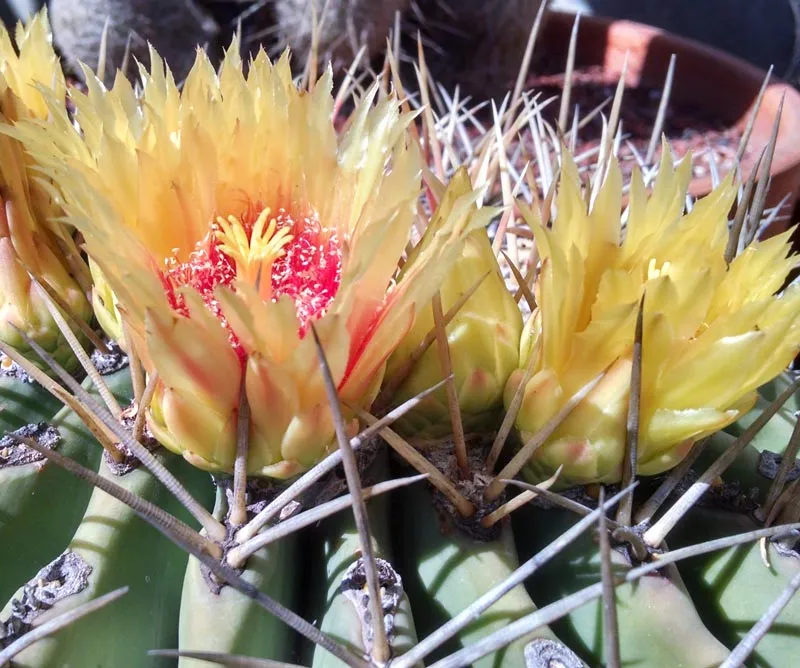
In the arid heartlands of the American Southwest, where the sun bleaches the earth and the wind sculpts the dunes, a silent revolution is blooming. Ferocactus, those spiny titans of the cactus world, are no longer mere desert curiosities—they are symbols of resilience, guardians of biodiversity, and, increasingly, ambassadors of ethical horticulture. But not all nurseries treat these botanical marvels with the reverence they deserve. The quest for ethically sourced Ferocactus is not just about aesthetics; it’s a crusade for ecological integrity, cultural preservation, and the quiet dignity of these ancient plants. So, where does one turn to find Ferocactus that haven’t been wrenched from their native habitats, their roots severed by unscrupulous collectors? The answer lies in a network of nurseries that have woven ethics into the very fabric of their operations.
The Ethical Imperative: Why Ferocactus Deserve More Than Just a Spot on Your Shelf
Ferocactus are not your average houseplants. These barrel-shaped sentinels can live for decades, some reaching heights that defy their prickly exteriors. Yet, their slow growth and specific ecological needs make them vulnerable to exploitation. In the wild, they are often targeted by poachers who strip them from their habitats, leaving behind scars that can take generations to heal. The ethical dilemma is stark: do we adorn our patios with these desert jewels, knowing their origins might be tainted by environmental plunder? The answer, increasingly, is a resounding no. Ethical nurseries are stepping into the breach, offering Ferocactus that have been propagated in controlled environments, their genetic lineages preserved, and their ecological impact minimized. These nurseries don’t just sell plants; they sell stewardship.
The fascination with Ferocactus runs deeper than their striking appearance. There’s something almost mythic about them—their ability to thrive in conditions that would wither most life, their slow but inexorable march toward maturity. They are, in many ways, a metaphor for endurance. But this fascination must be tempered by responsibility. When we bring a Ferocactus into our homes, we’re not just acquiring a decorative object; we’re entering into a compact with the desert itself. Ethical sourcing ensures that this compact is honored, that the plant’s story begins not in a black-market raid, but in a greenhouse where its future is nurtured with intention.
Cactus Jungle Nursery and Garden: Where Ethics Meets Horticultural Excellence
Nestled in the rolling hills of Berkeley, California, Cactus Jungle Nursery and Garden stands as a beacon for those seeking Ferocactus with a conscience. This isn’t just a place where plants are sold; it’s a sanctuary where horticulture and ethics intertwine. The nursery’s commitment to ethical sourcing is evident in every spiny frond and every meticulously propagated specimen. They specialize in Ferocactus that have been grown from seed, ensuring that their stock is not only sustainable but also genetically diverse—a crucial factor in preserving the species’ adaptability in the face of climate change.
What sets Cactus Jungle apart is their transparency. They don’t just claim to source ethically; they prove it. Their website is a trove of information, detailing the origins of their plants, the methods used for propagation, and even the challenges they face in maintaining ethical standards. This level of honesty is rare in the nursery industry, where greenwashing often masquerades as sustainability. Here, you won’t find Ferocactus plucked from the wild; you’ll find them cultivated with care, their roots anchored in soil that has been tended with respect for the land itself.
The nursery’s physical space is a testament to their dedication. Rows of Ferocactus stand like sentinels, each labeled with care, their spines glinting in the sunlight. It’s easy to imagine the hands that nurtured them—hands that understand the delicate balance between human cultivation and ecological preservation. Visiting Cactus Jungle isn’t just about buying a plant; it’s about becoming part of a community that values the desert’s silent giants as much as they do.
The Hidden Costs of Unethical Sourcing: A Cautionary Tale
To understand the importance of ethical Ferocactus nurseries, one must first grasp the devastation wrought by unscrupulous sourcing. The black market for cacti is a shadowy world, where rare specimens change hands for exorbitant sums, often at the expense of the plants’ survival. Ferocactus, with their slow growth rates and specific habitat requirements, are particularly vulnerable. When poachers uproot these plants from their native environments, they don’t just remove a single individual; they disrupt entire ecosystems. The holes left behind can alter microclimates, expose soil to erosion, and even impact the survival of other species that rely on these cacti for shelter or food.
The consequences extend beyond the desert. Unethically sourced Ferocactus often arrive at nurseries or private collections in poor health, their roots damaged, their spines brittle. They may carry pests or diseases that threaten the broader plant community. And then there’s the ethical cost: supporting a trade that preys on the natural world, reducing these living beings to mere commodities. The allure of a rare Ferocactus is undeniable, but the true cost—environmental, ecological, and moral—is one that few are willing to acknowledge. Ethical nurseries offer an alternative: plants that have been grown with integrity, their existence a testament to the possibility of harmonious coexistence.
Beyond the Barrel: The Broader Movement for Ethical Cactus Cultivation
The push for ethical Ferocactus sourcing is part of a larger movement within the horticultural world—a movement that recognizes plants not as decorations, but as living entities deserving of respect. This shift is driven by a growing awareness of biodiversity loss, climate change, and the role that human activity plays in both. Nurseries that prioritize ethics are often at the forefront of conservation efforts, partnering with botanical gardens, research institutions, and indigenous communities to ensure that their practices align with the broader goal of preserving the natural world.
For Ferocactus enthusiasts, this means more than just finding a reputable nursery. It means becoming an advocate for sustainable horticulture, supporting businesses that share your values, and spreading awareness about the importance of ethical sourcing. It means recognizing that the act of bringing a Ferocactus into your home is not just a personal choice, but a political one—a choice to reject the exploitation of the natural world in favor of a more mindful, more sustainable relationship with the plants we love.
The best nurseries for ethically sourced Ferocactus are those that understand this responsibility. They are places where passion meets principle, where the love of these desert giants is matched by a commitment to their preservation. They are not just selling plants; they are selling a vision of a world where humans and nature coexist in balance, where every spine and every bloom is a reminder of the beauty that can emerge when we choose ethics over exploitation.
Your Role in the Story: How to Choose an Ethical Ferocactus
So, how does one navigate the landscape of Ferocactus nurseries to find those that align with ethical values? The first step is research. Look for nurseries that are transparent about their sourcing practices, that provide detailed information about their propagation methods, and that are willing to answer questions about the origins of their plants. Certifications, such as those from the Cactus and Succulent Society of America, can also be a good indicator of a nursery’s commitment to ethical standards.
When visiting a nursery, pay attention to the health of the plants. Are they well-cared for? Do they show signs of stress or damage? Are they labeled with care, indicating that the nursery values not just the sale, but the story behind each specimen? Ask about the nursery’s policies on wild-collected plants. Do they avoid them entirely, or do they source only from reputable, sustainable suppliers? The answers to these questions will reveal whether the nursery is a true steward of the desert or merely a participant in its exploitation.
Finally, consider the broader impact of your purchase. Are you supporting a business that gives back to the community, that invests in conservation, or that partners with indigenous groups to preserve traditional knowledge? The best nurseries for ethically sourced Ferocactus are those that see themselves as part of a larger ecosystem—a network of individuals and organizations working together to protect the natural world. By choosing to buy from these nurseries, you’re not just adding a plant to your collection; you’re becoming part of a movement that values the desert’s silent giants as much as they deserve.
FAQ
What is Ferocactus?
Ferocactus is a genus of cacti known for their barrel shape and resilience in arid conditions.
Why is ethical sourcing important for Ferocactus?
Ethical sourcing ensures that Ferocactus are not taken from their native habitats, helping to preserve ecosystems and maintain biodiversity.
How can I find ethical nurseries for Ferocactus?
Look for nurseries that provide transparency about their sourcing practices and have certifications indicating their commitment to ethical standards.




Leave a Reply