
Short Answer
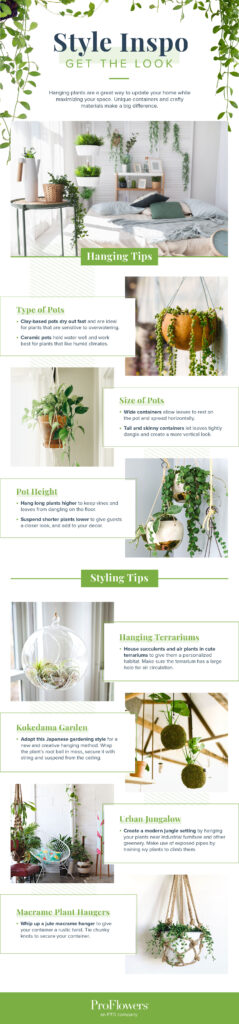
There’s something undeniably whimsical about a cactus suspended in midair, its spiky silhouette swaying gently in the breeze or basking in the filtered sunlight of an indoor room. Hanging baskets transform these desert denizens from mere houseplants into living sculptures—bold, architectural, and brimming with personality. Whether you’re cultivating a sun-drenched patio oasis or curating a cozy nook of indoor greenery, styling cacti in hanging baskets offers a fresh, unexpected twist on traditional plant displays. This guide dives into the art of cactus basketry, exploring design principles, plant pairings, care rituals, and creative flourishes that elevate your space from ordinary to extraordinary.
The Allure of Hanging Cacti: Why They Captivate and How to Choose the Right Ones
Cacti are not just survivors of arid landscapes; they are sculptural marvels, each species a testament to nature’s ingenuity. When suspended, their silhouettes become dynamic focal points, drawing the eye upward and adding vertical intrigue to any setting. The key to selecting the perfect cactus lies in understanding its growth habit and environmental needs. For indoor baskets, opt for compact, slow-growing varieties like the Mammillaria or Gymnocalycium, which thrive in bright, indirect light and require minimal fuss. Outdoors, consider resilient species such as Echeveria or Sedum, which can tolerate partial shade and occasional rain. Avoid overly aggressive growers like Opuntia (prickly pear), unless you’re prepared for their rapid expansion and the need for frequent pruning. Texture plays a crucial role, too—pair spiky Ferocactus with softer, trailing plants like String of Pearls for a striking contrast that softens the cactus’s formidable edges.
Designing with Purpose: Color Palettes and Aesthetic Themes for Cactus Baskets
Color is the silent storyteller in any plant arrangement, and cacti offer a surprisingly diverse palette. For a modern, monochromatic look, stick to shades of green, gray, and blue, using species like Echeveria ‘Lola’ or Agave ‘Blue Glow’ to create a serene, cohesive display. If you’re drawn to bold contrasts, juxtapose fiery reds and oranges—think Gymnocalycium mihanovichii ‘Hibotan’ (the “red cap” cactus)—against deep purples or blacks in your basket liner or complementary foliage. For a bohemian vibe, embrace earthy terracotta tones with woven baskets and trailing String of Hearts or Burro’s Tail. Seasonal themes also work beautifully; in autumn, incorporate warm oranges and yellows with Echeveria ‘Topsy Turvy’, while winter calls for silvery blues and frosty whites with Echeveria ‘Perle von Nürnberg’. Don’t forget the power of negative space—sometimes, a single, perfectly styled cactus in a minimalist basket speaks volumes.
Indoor Elegance: Crafting a Desert Oasis in Your Living Space
Indoor hanging cacti thrive in environments that mimic their native arid climates—bright, airy, and well-ventilated. Start by selecting a basket with ample drainage, such as a macramé hanger or a ceramic piece with a built-in reservoir. Line the basket with sphagnum moss or coconut coir to retain moisture without suffocating the roots, and ensure the soil mix is gritty and fast-draining, with a blend of cactus soil, perlite, and coarse sand. Position your basket near a south- or west-facing window where it can soak up at least six hours of sunlight daily. Rotate the basket occasionally to prevent the cactus from leaning toward the light. For a touch of whimsy, suspend a cluster of small cacti in a tiered arrangement, or pair a single specimen with air plants like Tillandsia for a low-maintenance, ethereal display. Remember, less is often more—overcrowding can lead to poor air circulation and pest issues.
Outdoor Drama: Elevating Patios, Balconies, and Garden Nooks
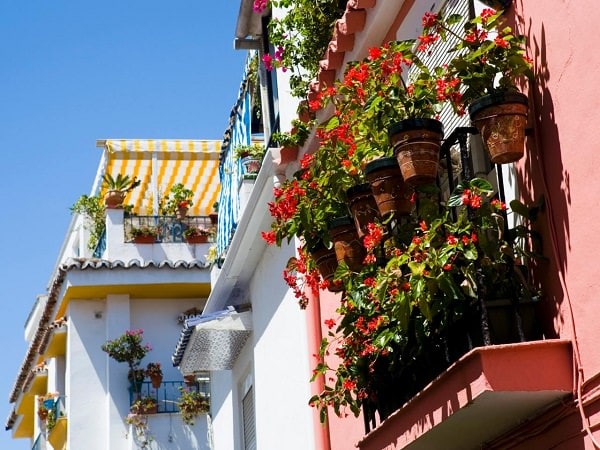
Outdoor hanging cacti are the ultimate conversation starters, transforming balconies, pergolas, and garden walls into living art installations. The secret to success lies in matching the cactus to its environment. In hot, dry climates, sun-loving species like Echinocactus grusonii (golden barrel cactus) or Ferocactus pilosus will flourish, while in milder regions, shade-tolerant varieties such as Hatiora salicornioides (drunkard’s dream) can add a touch of green to shaded patios. For a coastal vibe, choose salt-tolerant cacti like Cylindropuntia and pair them with seashells or driftwood accents. When styling, consider the basket’s material—wrought iron or powder-coated metal baskets provide durability in harsh weather, while wooden hangers add rustic charm but may require sealing to withstand the elements. Group baskets at varying heights to create a layered, immersive effect, and don’t shy away from mixing cacti with succulents like Sedum morganianum or Kalanchoe for a lush, textured look.
Care Rituals: Keeping Your Hanging Cacti Thriving Year-Round
Cacti are famously low-maintenance, but hanging baskets present unique challenges. The most critical factor is watering—overwatering is the fastest route to root rot. Indoors, water only when the soil is completely dry, typically every 2-3 weeks, and reduce frequency in winter. Outdoors, rainfall may suffice, but during prolonged dry spells, mist the cactus lightly or soak the basket briefly, ensuring excess water drains away. Fertilizing is another key ritual; use a balanced, water-soluble fertilizer diluted to half strength every 4-6 weeks during the growing season (spring and summer). Pruning is essential for maintaining shape and encouraging bushier growth—use clean, sharp scissors to trim leggy stems or remove dead pads, and wear gloves to protect your hands from spines. Watch for pests like mealybugs or spider mites, which can hitch a ride on indoor plants; treat with neem oil or insecticidal soap at the first sign of trouble. Finally, refresh the soil every 1-2 years to replenish nutrients and prevent compaction.
Creative Flourishes: Accessories and Accents to Enhance Your Display
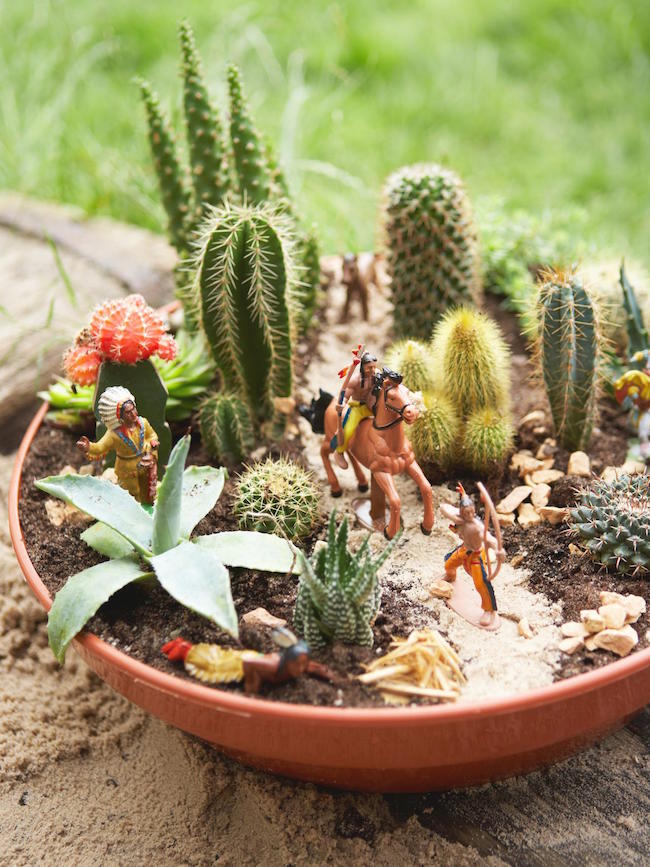
The magic of hanging cacti lies in the details—the subtle embellishments that turn a simple plant into a statement piece. For indoor baskets, consider adding miniature figurines, like tiny ceramic animals or abstract sculptures, nestled among the spines. Metallic hangers in gold or copper can elevate a boho-chic look, while macramé with intricate knots adds a handcrafted touch. Outdoors, incorporate natural elements like smooth river stones, driftwood, or even a small solar-powered fairy light to cast a soft glow at dusk. For a playful twist, paint the basket’s rim in a bold hue or wrap it in colorful yarn. Seasonal decorations, such as dried pampas grass in autumn or tiny fairy lights in winter, can transform your cactus basket into a festive centerpiece. Don’t forget the power of scent—place a small sachet of lavender or eucalyptus near the basket to create a multisensory experience.
Troubleshooting Common Pitfalls: From Wilted Leaves to Toppling Baskets
Even the most seasoned plant enthusiasts encounter hiccups, and hanging cacti are no exception. If your cactus appears shriveled or discolored, it’s likely thirsty—give it a thorough watering and monitor its recovery. Conversely, mushy, blackened stems signal overwatering; trim the affected areas and repot in fresh, dry soil. A toppling basket often results from an imbalance in weight—distribute the soil and plants evenly, and ensure the hanger is securely anchored. Pests like scale insects can be stubborn; dab them with rubbing alcohol on a cotton swab to remove them manually. If your cactus isn’t flowering, it may need more light or a winter dormancy period with cooler temperatures. Remember, every cactus has its quirks, and part of the joy lies in learning its language—observing its subtle cues and adjusting care accordingly.
Inspiration for Every Space: From Urban Apartments to Rented Gardens
No matter the size or style of your space, there’s a hanging cactus arrangement waiting to be discovered. In a compact studio apartment, a single Mammillaria in a sleek black basket can anchor a minimalist desk setup, while a cluster of Echeveria in a woven hanger adds a touch of greenery to a bookshelf. For renters wary of damaging walls, freestanding plant stands or ceiling hooks offer a damage-free solution. In a sprawling backyard, a series of large, rustic baskets filled with Opuntia and trailing succulents can create a desert-inspired pathway. Even a balcony in a high-rise building can become a lush retreat with the right selection of compact cacti and trailing plants. The beauty of hanging cacti is their versatility—they adapt to your lifestyle, your space, and your aesthetic, proving that even the prickliest of plants can bring harmony and joy.
FAQ
What types of cacti are best for hanging baskets?
Compact varieties like Mammillaria and Gymnocalycium are ideal for indoor hanging baskets, while resilient species like Echeveria and Sedum can thrive outdoors.
How often should I water my hanging cactus?
Water your indoor hanging cactus every 2-3 weeks when the soil is completely dry, and reduce frequency in winter.
What materials are best for hanging baskets?
Macramé hangers and ceramic baskets with drainage are great for indoor use; for outdoor, consider wrought iron or powder-coated metal for durability.


Leave a Reply