
Short Answer
There’s something almost meditative about cacti—their stoic resilience, their sculptural silhouettes, the way they thrive in arid landscapes where most life would wither. In The Sims, where players curate every blade of grass and every throw pillow, these desert denizens offer a unique opportunity to craft a garden that’s equal parts whimsical and serene. A cactus garden isn’t just a collection of spiky plants; it’s a statement of intentionality, a microcosm of balance between the harsh and the harmonious. Whether you’re a seasoned Simmer or a green-thumbed newcomer, designing a cactus garden in The Sims allows you to explore themes of survival, aesthetics, and even the quiet rebellion of embracing the unconventional.
The Allure of the Arid: Why Cacti Captivate Simmers and Gardeners Alike
Cacti are the rebels of the plant world. While most flora flaunt lush foliage and delicate blooms, these desert dwellers flaunt spines, store water like camels, and bloom only under the most exacting conditions. In The Sims, this translates to a design challenge that’s as much about psychology as it is about landscaping. Players often gravitate toward cacti because they subvert expectations—they’re low-maintenance yet striking, fragile in appearance but tough in reality. This duality mirrors the way The Sims itself plays with the illusion of control; we micromanage our Sims’ lives, yet the game’s systems (and our own whims) dictate their fate. A cactus garden, then, becomes a metaphor for the Simmer’s relationship with order and chaos.
Consider the contrast: a sprawling English garden in The Sims feels lush and romantic, but it demands constant upkeep. A cactus garden, by contrast, thrives on neglect. It’s the perfect fit for Simmers who crave beauty without the tedium of pruning or watering. Yet, there’s a deeper fascination here. Cacti are survivors, thriving in environments where other plants would perish. In a game where Sims can be fragile, even frivolous, the cactus garden becomes a silent nod to resilience—a reminder that sometimes, the most extraordinary things grow where others dare not.
Choosing Your Desert Palette: Selecting the Right Cacti for Your Sims’ Oasis
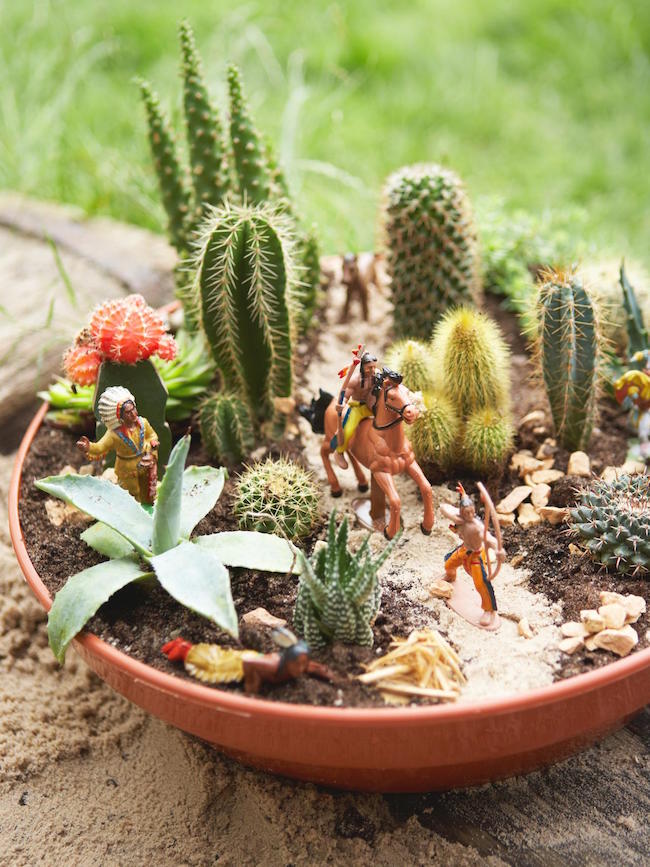
The first step in designing a cactus garden is curating your cast of prickly characters. Not all cacti are created equal, and in The Sims, variety is key to creating a visually compelling space. Start with the classics: the Saguaro, with its towering, ribbed columns, adds vertical drama, while the Prickly Pear sprawls horizontally, its flat pads creating a textured carpet. For a touch of whimsy, the Barrel Cactus—round and stout—can serve as a focal point, its cheerful demeanor belying its formidable spines.
Don’t overlook the smaller species, either. The Moon Cactus, with its vibrant pink or red top, injects a pop of color, while the Hedgehog Cactus offers a more compact, rounded silhouette. If you’re aiming for a desert-meets-modern aesthetic, mix in some Snake Plants or Agave—technically succulents, but their architectural forms complement cacti beautifully. The key is contrast: pair tall and short, spiky and smooth, to create a garden that feels dynamic rather than monotonous.
Pro tip: Use the Terrain Tool to sculpt mounds or plateaus, giving your cacti a naturalistic perch. A slight elevation makes them appear more rooted in the landscape, as if they’ve been there for decades, weathering the elements. And don’t forget about color! While cacti are often associated with greens and browns, some species bloom in vivid hues. Place a Christmas Cactus near a seating area to add a splash of pink or red, transforming your garden into a year-round spectacle.

Laying the Groundwork: Terrain, Paths, and the Illusion of Wilderness
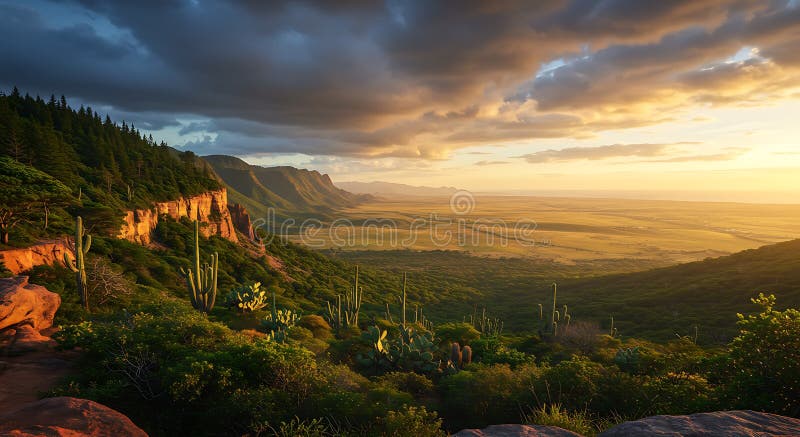
A cactus garden in The Sims isn’t just about the plants—it’s about the environment they inhabit. The terrain sets the tone. For a classic desert vibe, use the Sand or Dirt terrain tools to create a sun-baked expanse. If you’re feeling adventurous, sculpt rocky outcrops with the Rock tool, mimicking the rugged landscapes of the Sonoran Desert. For a more curated look, opt for a flat, sandy base with subtle undulations to guide the eye.
Paths are another critical element. A winding cobblestone or gravel path invites exploration, leading Sims (and players) through the garden like a secret passage. For a rustic touch, use Wooden Planks or Flagstone to create stepping stones that feel organic rather than manufactured. Avoid straight lines; cactus gardens thrive on organic, meandering layouts that evoke the unpredictability of nature.
Lighting plays a pivotal role, too. The golden hour in The Sims casts long shadows and bathes everything in a warm glow—perfect for highlighting the textures of cacti and rocks. Place a few Torches or Lanterns strategically to create pools of light at dusk, making your garden feel like a cozy retreat. And don’t underestimate the power of water features. A small Fountain or Birdbath adds a touch of tranquility, a counterpoint to the arid surroundings. Even in a desert, water is life—and in The Sims, it’s a symbol of care and abundance.
Furnishing the Desert: Seating, Decor, and the Art of Atmosphere
No cactus garden is complete without a place to sit and soak in the view. A Wooden Bench or Adirondack Chair invites Sims to pause, while a Hammock strung between two cacti (carefully placed so as not to impale anyone) adds a playful touch. For a more luxurious feel, opt for a Wrought Iron Table with matching chairs, evoking a desert oasis where weary travelers might rest.
Decorative elements should complement the theme without overwhelming it. A Terracotta Pot filled with more cacti or succulents adds a rustic charm, while a Wind Chime or Dreamcatcher introduces a bohemian flair. For a touch of modernity, place a Solar Panel nearby—an unexpected but fitting nod to sustainability in a desert setting. And don’t forget the small details: a Bird Feeder attracts wildlife, bringing the garden to life, while a Bookshelf stocked with desert-themed reads (like Desert Solitaire by Edward Abbey) adds intellectual depth.
Lighting is equally important. String Fairy Lights between cacti for a magical evening glow, or place a Tiki Torch near a seating area to create a cozy ambiance. The goal is to make the garden feel like a sanctuary—a place where Sims can unwind, reflect, or even host a desert-themed soirée.
Seasonal Transformations: Keeping Your Cactus Garden Fresh Year-Round
One of the joys of a cactus garden in The Sims is its versatility. Unlike traditional gardens that require constant upkeep, a cactus garden can evolve with the seasons—or even the whims of the player. In spring, introduce Blooming Cacti like the Prickly Pear or Hedgehog Cactus, which burst into color when conditions are right. For summer, lean into the arid aesthetic with more rocks and sand, while autumn calls for warm-toned decor like Pumpkins or Hay Bales (yes, even in the desert).
Winter offers a unique opportunity to reimagine your garden. Swap out some cacti for Snowy Plants or Frosted Succulents to create a frosty desert landscape. Add a Fire Pit or Heated Bench to make the space cozy, or drape String Lights in icy blues for a winter wonderland effect. The key is to treat your garden like a living canvas, one that changes with the moods of the game and the seasons.
Don’t forget about holidays! A Day of the Dead-inspired cactus garden with marigolds and papel picado can be a stunning centerpiece for autumn, while a Christmas Cactus in full bloom adds holiday cheer. The beauty of a cactus garden is that it’s endlessly adaptable—perfect for Simmers who love to experiment.
The Deeper Meaning: Why Cactus Gardens Resonate in a Digital World
At its core, a cactus garden in The Sims is more than just a collection of pixels and plants. It’s a reflection of our relationship with nature, control, and impermanence. In a game where we can bend reality to our will, cacti remind us that some things thrive precisely because we don’t interfere. They’re a metaphor for the Simmer’s own journey—balancing creativity with constraint, beauty with brutality.
There’s also something deeply satisfying about creating a space that feels both intentional and wild. A cactus garden in The Sims doesn’t need to be perfect; in fact, the most compelling ones often look a little untamed. They’re a rebellion against the manicured lawns and symmetrical flower beds of traditional gardens, a celebration of the unconventional. And in a world where we’re constantly bombarded with images of lush, green landscapes, a cactus garden offers a refreshing alternative—a reminder that beauty can be found in the most unexpected places.
So go ahead. Plant that Saguaro. Arrange your Prickly Pears in a spiral. Let your Sims lounge in the shade of a Barrel Cactus. Your cactus garden isn’t just a virtual space; it’s a testament to the joy of creation, the thrill of the unexpected, and the quiet resilience of the desert itself.
FAQ
What are the best cacti for a garden in The Sims?
The best cacti for a garden in The Sims include Saguaro, Prickly Pear, and Barrel Cactus for their visual appeal and unique shapes.
How can I create a desert landscape in The Sims?
Use the Sand or Dirt terrain tools to create a sun-baked expanse, and incorporate winding paths and various cacti to mimic a natural desert.
FAQ
What types of cacti are best for a cactus garden in The Sims?
Classics like Saguaro and Prickly Pear are excellent choices, along with smaller species such as Moon Cactus and Hedgehog Cactus.
How can I create a naturalistic terrain for my cactus garden?
Use the Terrain Tool to sculpt mounds or plateaus, and opt for sandy or rocky bases to mimic a desert landscape.


Leave a Reply