

Short Answer
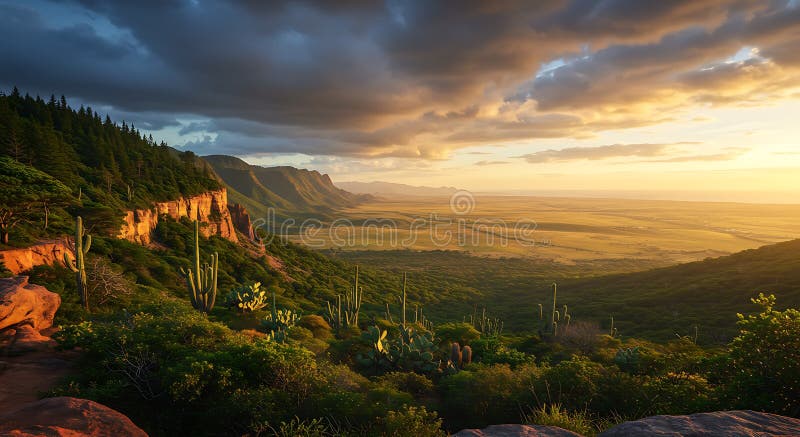
Imagine stepping into a sanctuary where the rugged beauty of the desert meets the opulence of a five-star retreat. The air is perfumed with the subtle scent of sagebrush, and the golden hues of the setting sun dance across sleek, sculpted cacti that double as art installations. This is the allure of cactus-inspired resorts—a fusion of arid elegance and lavish hospitality that redefines the concept of luxury. From the towering saguaros that punctuate the skyline to the delicate, intricate designs of golden cactus sculptures, these spaces are a testament to the artistry of blending nature with avant-garde design. Whether you’re a traveler seeking solace in the desert’s embrace or a designer captivated by the interplay of texture and form, cactus-infused resorts offer an experience that is as thought-provoking as it is visually stunning.
The Allure of the Desert: Why Cacti Dominate Luxury Resorts
The desert has long been a muse for architects and interior designers, its stark landscapes offering a blank canvas for creativity. Cacti, with their striking silhouettes and resilient spirit, have become the cornerstone of this aesthetic. Their geometric precision and organic irregularities create a visual rhythm that is both calming and invigorating. In resorts, cacti are not merely decorative—they are architectural statements. A towering barrel cactus might anchor a lobby, its ribbed texture echoing the folds of a velvet curtain, while clusters of prickly pear cacti frame a poolside oasis, their pads reflecting the shimmering water. The desert’s muted palette—ochres, terracottas, and muted greens—infuses spaces with a sense of timelessness, evoking the slow, unhurried pace of life in arid climates. This aesthetic isn’t just about aesthetics; it’s about crafting an atmosphere where guests feel both grounded and transported, as if they’ve stepped into a living, breathing work of art.
Architectural Marvels: Cactus-Inspired Structures and Facades
Modern resorts are pushing the boundaries of design by integrating cactus-inspired elements into their very bones. Imagine a facade adorned with undulating, rib-like structures that mimic the arms of a cholla cactus, casting intricate shadows that shift with the sun’s trajectory. Or a rooftop bar where the ceiling is a lattice of steel and glass, designed to resemble the delicate web of a spider cactus. These structures are not just visually arresting; they are functional, too. The deep ridges of a cactus’s ribs provide natural ventilation, a principle that architects are now incorporating into passive cooling systems. In regions where temperatures soar, cactus-inspired architecture offers a sustainable solution—buildings that breathe, that adapt, and that harmonize with their environment. The result? Spaces that feel intuitively connected to the land, where every curve and angle tells a story of resilience and adaptation.

Interior Alchemy: Infusing Spaces with Desert Chic
The magic of cactus-inspired interiors lies in the alchemy of materials and textures. Picture a lobby where the floor is a mosaic of terracotta tiles, their earthy tones echoing the desert floor, while pendant lights shaped like saguaro arms cast a warm, golden glow. Furniture pieces might feature upholstery in muted greens and browns, with tufted details that mimic the segmented growth of a cactus. Even the smallest touches—ceramic vases glazed in desert sunset hues, throw pillows embroidered with prickly pear motifs, or a coffee table crafted from reclaimed mesquite wood—contribute to the immersive experience. The key is balance: pairing raw, organic elements with sleek, contemporary finishes to create a space that feels both timeless and cutting-edge. It’s a style that whispers of adventure while offering the comfort of a sanctuary, where every object has been chosen with intention and care.
Culinary Oases: Desert-Inspired Dining Experiences
Dining in a cactus-inspired resort is an adventure for the senses. The menu might feature dishes that highlight local, drought-resistant ingredients—think prickly pear margaritas, mesquite-grilled meats, or salads bursting with the tartness of desert berries. Even the presentation is an art form: a charcuterie board arranged on a slate slab, garnished with edible flowers and dusted with chili powder, or a dessert plate adorned with a delicate cactus bloom. The ambiance is equally curated. A dinner under the stars, surrounded by the silhouettes of towering cacti, with the scent of creosote bushes in the air, is an experience that lingers long after the last bite. These resorts understand that food is not just sustenance; it’s a narrative, a celebration of the land and its bounty, served with the same reverence as the architecture that houses it.
Wellness in the Wilderness: Spa and Relaxation Sanctuaries
In a world that often feels frenetic, cactus-inspired resorts offer a sanctuary for rejuvenation. Spa treatments might incorporate desert botanicals—aloe vera wraps, jojoba oil massages, or eucalyptus steam rooms that evoke the crisp air of a desert morning. The architecture of the spa itself is a study in tranquility: smooth, flowing lines that mimic the curves of a barrel cactus, or a hydrotherapy pool surrounded by walls of stacked stone, evoking the stratified layers of a canyon. Even the soundscapes are intentional—gentle chimes that mimic the wind through a desert wash, or the distant call of a coyote at dusk. Here, wellness is not just about physical renewal; it’s about reconnecting with the rhythms of nature, finding stillness in the vastness of the landscape.
Art and Artistry: Cactus Motifs in Decor and Installations
Art is the soul of a cactus-inspired resort, and every corner is an opportunity for creative expression. Sculptures crafted from reclaimed metal might twist and turn like the arms of a staghorn cactus, while murals depict the delicate blooms of a night-blooming cereus. Even functional pieces—light fixtures, door handles, or handrails—are designed with an eye for detail, their forms inspired by the organic world. These installations do more than decorate; they tell a story. They invite guests to pause, to observe, to connect with the environment in a deeper way. Whether it’s a kinetic sculpture that moves with the breeze or a series of photographs capturing the subtle hues of a desert sunset, art in these spaces is a bridge between the man-made and the natural, a reminder of the beauty that exists when the two coexist harmoniously.
Sustainable Luxury: Eco-Conscious Design in Desert Resorts
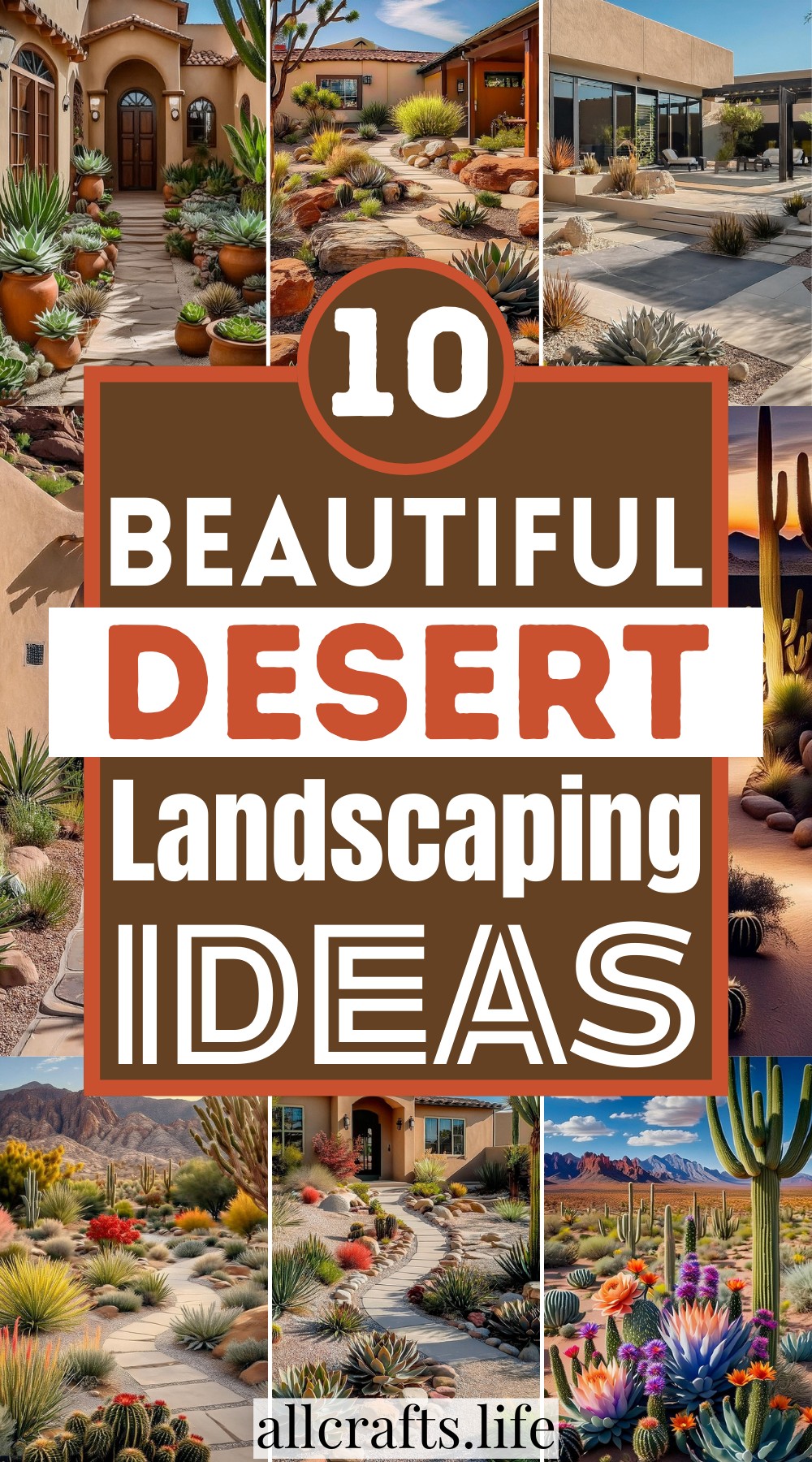
The cactus is more than a decorative motif—it’s a symbol of sustainability. Resorts that embrace this aesthetic often lead the way in eco-conscious design, using solar panels shaped like cactus pads, or rainwater harvesting systems that mimic the way a cactus stores moisture. Landscaping is another area where innovation shines. Instead of thirsty lawns, resorts feature xeriscapes—gardens of native plants that require minimal water, interspersed with sculptural cacti. Even the furniture is often sourced from sustainable materials, like bamboo or reclaimed wood, finished with non-toxic stains. This commitment to sustainability doesn’t compromise luxury; it enhances it. Guests don’t just stay in a beautiful resort—they stay in a place that respects and preserves the environment, where every detail has been thoughtfully considered.
Cultural Immersion: Celebrating Desert Traditions
A cactus-inspired resort is more than a place to stay—it’s a gateway to cultural discovery. Many of these properties are deeply rooted in the traditions of the regions they inhabit, offering guests the chance to engage with local art, music, and cuisine. Workshops might teach the ancient art of cactus fiber weaving, or guests can join a guided hike to learn about the medicinal properties of desert plants. Even the architecture often pays homage to indigenous design, with adobe walls or vigas (wooden beams) that echo the structures built by native peoples centuries ago. This cultural immersion adds depth to the experience, transforming a vacation into a journey of understanding and appreciation for the land and its people.
Conclusion: The Timeless Appeal of Cactus-Inspired Luxury
The allure of cactus-inspired resorts lies in their ability to transport guests to a place where nature and luxury coexist in perfect harmony. It’s a style that speaks to the soul—evoking the quiet strength of the desert, the warmth of the sun, and the intricate beauty of the natural world. Whether through architecture, art, cuisine, or wellness, these spaces offer an experience that is as enriching as it is indulgent. For travelers, they provide a retreat from the ordinary; for designers, they offer endless inspiration. In a world that often feels disconnected from the earth, cactus-inspired resorts remind us of the beauty that can be found when we embrace the wild, the rugged, and the resilient. It’s a testament to the idea that luxury doesn’t have to come at the expense of nature—instead, it can be a celebration of it.
FAQ
What is the main focus of cactus-inspired resorts?
The main focus is on blending luxurious design with the natural beauty of cacti to create a unique, immersive experience.
How do cacti influence resort architecture?
Cacti influence architecture through their shapes and forms, leading to innovative designs that integrate natural elements for functionality and aesthetic appeal.
What types of dining experiences can guests expect?
Guests can enjoy dishes featuring local, drought-resistant ingredients, presented in an artistic manner that reflects the desert's culinary heritage.

Leave a Reply