
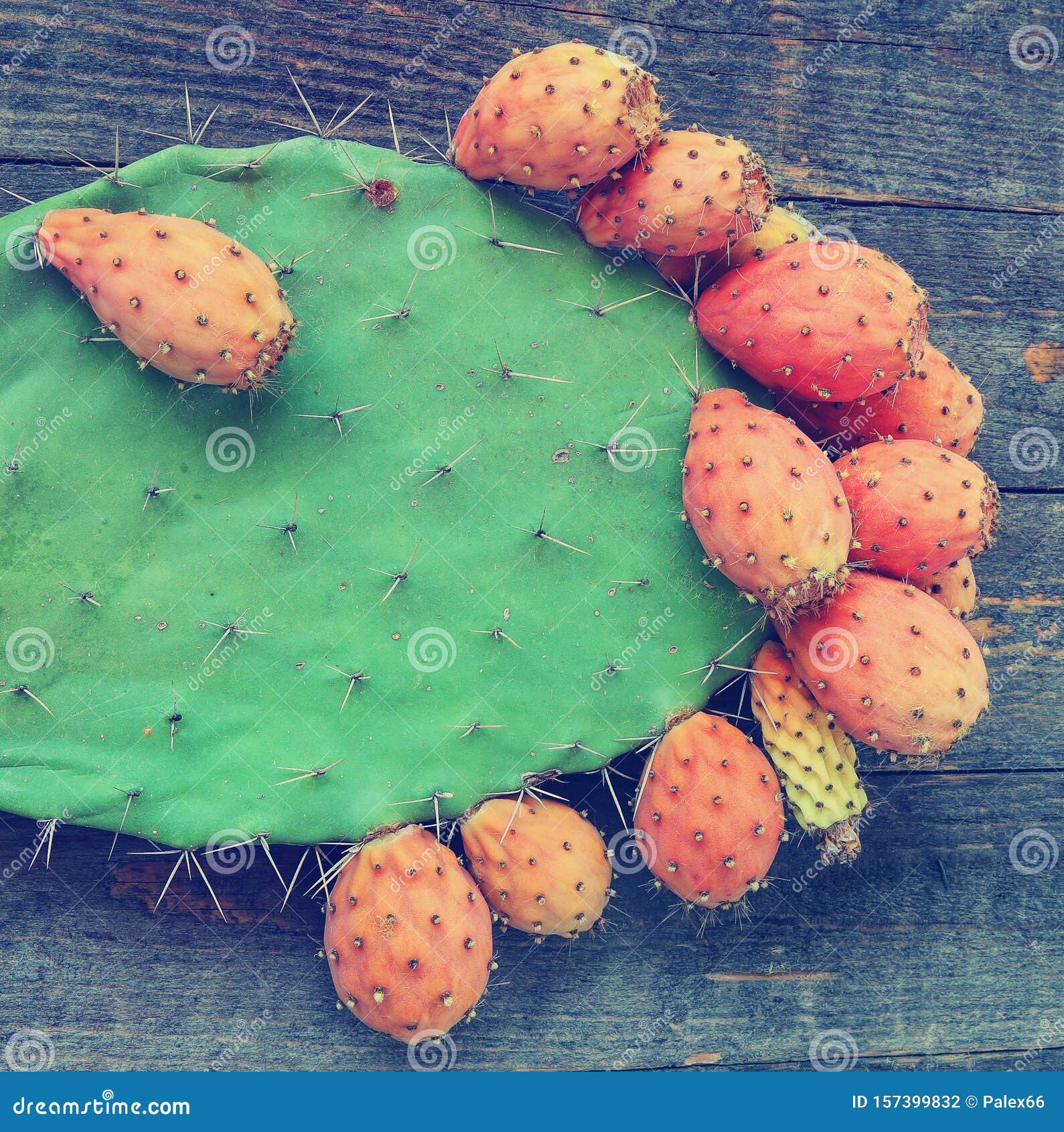
The cactus family, Cactaceae, holds a treasure trove of both aesthetic and practical value, particularly when it comes to edible varieties. Among the many intriguing traits of cacti, their capacity to produce delectable fruits under minimalist water conditions captivates horticulturists and food enthusiasts alike. The juxtaposition of arid resilience and succulent richness in flavor is what draws many to explore the world of cacti beyond their prickly exterior.
When contemplating the notion of edible cacti, it is essential to distinguish the various species that bear fruit, taking into account cultivation requirements, flavor profiles, and nutritional benefits. Delving deeper, we unravel the complexities of these desert dwellers that have sustained indigenous cultures and sparked culinary intrigue worldwide.
Exploring the spectrum of edible fruit-bearing cacti unveils several prominent contenders, each contributing unique characteristics and flavors to the gastronomic landscape.
One of the foremost champions among edible cacti is the prickly pear, scientifically known as Opuntia. Distinguished by its broad, flat pads and vibrant, typically red fruits called “tunas,” the prickly pear is not only a fundamental source of sustenance in arid regions but also a celebrated delicacy in various culinary traditions. The skin of the prickly pear features tiny, hair-like glochids; however, when adequately handled, the succulent flesh offers a sweet, mildly tangy taste, making it suitable for jellies, salads, and refreshing beverages.
Beyond their delightful palate appeal, prickly pears boast an impressive nutritional profile. They are notably rich in antioxidants, vitamins C and E, and dietary fiber, promoting digestive health and potentially stabilizing blood sugar levels. Consequently, their consumption has surged, attracting health-conscious individuals eager to incorporate functional foods into their diet.
Another remarkable varietal worth mentioning is the dragon fruit, or pitaya, which originates from several species within the genus Hylocereus. Unlike the more common prickly pear, dragon fruit features striking, flamboyant exterior scales that conceal a subtly flavored white or pink flesh dotted with tiny black seeds. While dragon fruit may not be as prevalent in the wild, its cultivation has soared due to its unique appearance and nutritional intuition. Packed with vitamin C, antioxidants, and fiber, dragon fruit has solidified its status as a superfood, particularly for those seeking to enhance their culinary repertoire.
Unlike prickly pears and dragon fruit, saguaro cacti (Carnegiea gigantea) represent another fascinating aspect of edible cacti. Native to the Sonoran Desert, this iconic cactus has deep cultural significance for the indigenous peoples of the region. While the saguaro’s flesh tends to be less palatable than other edible varieties, its fruits, often referred to as “saguaro cactus flowers,” are harvested and transformed into syrup and jams, embodying a rich tradition of sustainable foraging and harvesting. The flowers bloom in late spring, offering a tantalizing opportunity to reconnect with nature while participating in the age-old practice of wildcrafting.
As we venture deeper into the world of edible cacti, another noteworthy candidate emerges: the barrel cactus, specifically Ferocactus genera. While their spiny surface may deter unwary explorers, barrel cacti, such as Ferocactus wislizeni, contain a juicy, edible pulp that can alleviate thirst in dire conditions. Though not commonly cultivated, their fruits, which emerge as bright red or yellow, possess a sweet, sour taste reminiscent of natural candies. These unique characteristics position barrel cacti as a fascinating exploration in the field of survival, folklore, and practical application.
While the allure of harvesting and consuming cacti may initially be rooted in their exotic appeal, sustaining engagement extends into a profound appreciation of their habitat and cultivation. Consider the ecological necessity of these plants; they not only offer diverse foods but also play critical roles in their ecosystems—preserving soil health, protecting water runoff, and providing shelters for various sentinel flora and fauna.
With the increasing interest in sustainable eating and biodiversity, cultivators are encouraged to explore the delectable world of edible cacti, blending traditional techniques with innovative culinary practices. The unique flavors of prickly pear, dragon fruit, and even lesser-known fruits from barrel cacti and saguaros can enrich modern diets and resurge interest in native agriculture. Integrating edible cacti into gardens and farms represents not only a step toward preservation but also an opportunity to celebrate the historic and cultural narratives intertwined with these magnificent plants.
As the public becomes increasingly aware of the ecological advantages and culinary delights of edible cacti, food systems will adapt to accommodate this growing trend. Whether grown in domestic gardens or foraged sustainably, these resilient plants precipitate conversations about culture, sustainability, and innovative gastronomy. By embracing this diversity, the desire for edible cacti will flourish and thrive under the sun, just as they do in their native habitats.




Leave a Comment