
Short Answer
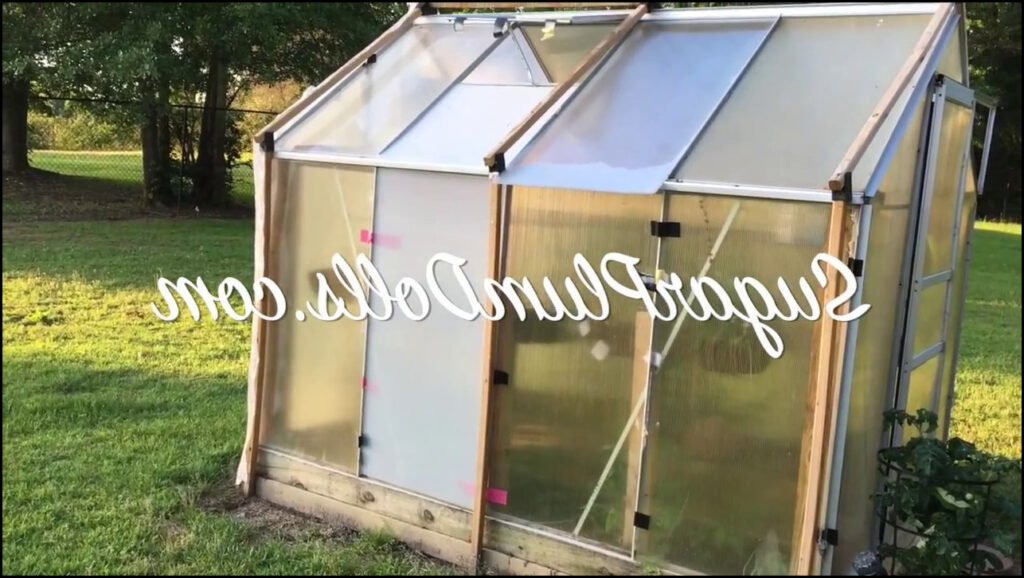
Greenhouses serve as sanctuaries for various plants, offering a controlled environment that advances growth. However, the integrity of that environment can be compromised by damaged or inefficient panels. Harbor Freight Greenhouse Replacement Panels have emerged as a popular option for those looking to restore their greenhouses to optimal functioning. This article will explore the intricacies of choosing the best replacement panels tailored to your greenhouse needs.
First, it’s essential to understand the diversity of panel materials available. Each type has its unique merits and shortcomings. An informed choice hinges on an understanding of these materials, their properties, and how they align with your greenhouse’s purpose.
The common materials used in greenhouse panels include polycarbonate, polyethylene, glass, and acrylic. Each brings a different combination of durability, insulation, and light diffusion.
Polycarbonate panels, for instance, are known for their exceptional clarity and strength. They can withstand harsh weather conditions, making them an excellent option for regions prone to heavy snow or intense hail. Furthermore, the insulating properties of polycarbonate reduce heat loss during colder months, enabling plants to thrive year-round. However, it is important to consider that while they can be somewhat pricier upfront, their long lifespan often translates to a cost-effective investment in the long run.
Next, polyethylene panels demonstrate notable flexibility and are often more affordable than their polycarbonate counterparts. They come in single or double layers, with the latter providing additional insulation for temperature-sensitive plants. Polyethylene is lightweight, making it easier to handle during installation. Yet, one must recognize that they might need regular replacement every few years due to wear and tear from UV exposure.
Glass panels represent the stalwart traditional choice that carries the benefits of aesthetic appeal and durability. They allow for optimal light transmission and create a more visually appealing structure. However, glass can be heavier and more challenging to install, and it shatters more easily than other materials, potentially causing safety concerns if not handled with care.
Acrylic panels, while similar to glass in clarity, offer the advantage of being shatter-resistant and lighter. This versatility allows for a wide range of designs, as acrylic can be molded into various shapes. Yet, they too have a shorter lifespan compared to both polycarbonate and glass panels due to their propensity to scratch, leading to diminished light penetration over time.
With the foundational understanding of panel materials, the next step involves assessing the specific environmental conditions your greenhouse will face. Local climate plays a crucial role in determining which panel type will best suit your needs.
If your greenhouse is situated in an area with extreme temperature fluctuations, panels with superior insulating properties will take precedence. This is particularly relevant for plant species that are sensitive to temperature, as erratic conditions can hamper growth or even cause fatal damage.
Additionally, consider the exposure your greenhouse receives to the elements. Areas prone to storms or heavy snowfall will necessitate panels that can withstand physical stress. Polycarbonate’s high impact resistance may render it the ideal choice in such scenarios. Conversely, regions with primarily mild weather may not require as robust a panel material, potentially allowing for cost savings with polyethylene options.
Equally, the size and design of your greenhouse should influence your panel selection. For larger structures, glass panels may offer an aesthetically pleasing choice, but they will require a solid support system to handle their weight. Alternatively, for smaller greenhouses or more elaborate forms, lightweight materials like acrylic or polycarbonate might be more practical.
Another critical aspect to consider when choosing replacement panels is light transmission. Different materials have varying rates of light diffusion which can impact plant growth rates. For instance, while glass offers remarkable clarity, high-quality polycarbonate panels are engineered to provide excellent light diffusion, aiding in uniform plant growth throughout the greenhouse.
It’s not just the panel material and environmental considerations that matter, but also the panel’s thickness. Thicker panels generally provide better insulation and resistance to impacts. Most manufacturers will offer various thicknesses, which should be selected based on your climate and specific needs. A balance must be achieved where you ensure durability while considering budget constraints.
Once you’ve narrowed down your options based on material, environmental factors, and thickness, it’s prudent to analyze the installation process. Each panel type requires different techniques, tools, and skill levels. Ensure that you are equipped with a thorough understanding of what’s entailed in the assembly process or consult a professional if necessary. Proper installation ensures longevity and effectiveness of your greenhouse panels.
Lastly, maintenance cannot be overlooked as it plays a significant role in the longevity of your panels. Certain materials, such as glass, require regular cleaning to remove debris and maintain optimal light penetration, while others, like polyethylene, may necessitate careful inspection for signs of wear. Establishing a routine maintenance protocol will mitigate problems before they escalate, further safeguarding your horticultural endeavors.
In conclusion, selecting the best Harbor Freight Greenhouse Replacement Panels transcends mere aesthetics or price considerations. It involves a confluence of material understanding, environmental conditions, ergonomic design, and maintenance practices. By taking a holistic approach, you can ensure a greenhouse that not only appeals visually but also provides an ideal habitat for your cherished plants—promising bountiful yields and enriched growth. Make a conscientious choice, and let your greenhouse flourish.
FAQ
What materials are available for greenhouse replacement panels?
Polycarbonate, polyethylene, glass, and acrylic panels are commonly used, each with unique benefits and drawbacks.
How do I choose panels based on climate?
Choose panels with good insulation and impact resistance for extreme climates, such as polycarbonate for storms and snow.
Are heavier panels like glass better for larger greenhouses?
Glass can offer better aesthetics for large greenhouses but requires a sturdy frame due to weight.
What should I consider about panel thickness?
Thicker panels provide better insulation and durability but may increase cost and weight.
How often should greenhouse panels be maintained?
Maintenance frequency depends on material; glass needs regular cleaning, polyethylene needs periodic inspection for UV damage.

Leave a Reply