
Short Answer
In the vast, verdant tapestry of botanical art, few succulents command attention with the quiet ferocity of the Mammillaria. These globular, often spined denizens of the desert—resilient, geometric, and mysteriously alluring—have long captivated artists who see in their compact forms not mere flora, but living metaphors of endurance, geometry, and the sublime in miniature. From the delicate watercolors of the 19th century to the bold, textured canvases of contemporary creators, the Mammillaria has emerged as a recurring motif, a botanical muse whose prickly exterior belies a core of unexpected grace. Its presence in art transcends mere representation; it becomes a symbol of paradox—softness and sharpness, fragility and fortitude, ephemerality and eternity. This is the story of how a humble cactus, often overlooked in the wild, blooms into something extraordinary on canvas.
The Cactus as Canvas: A Study in Resilience and Form
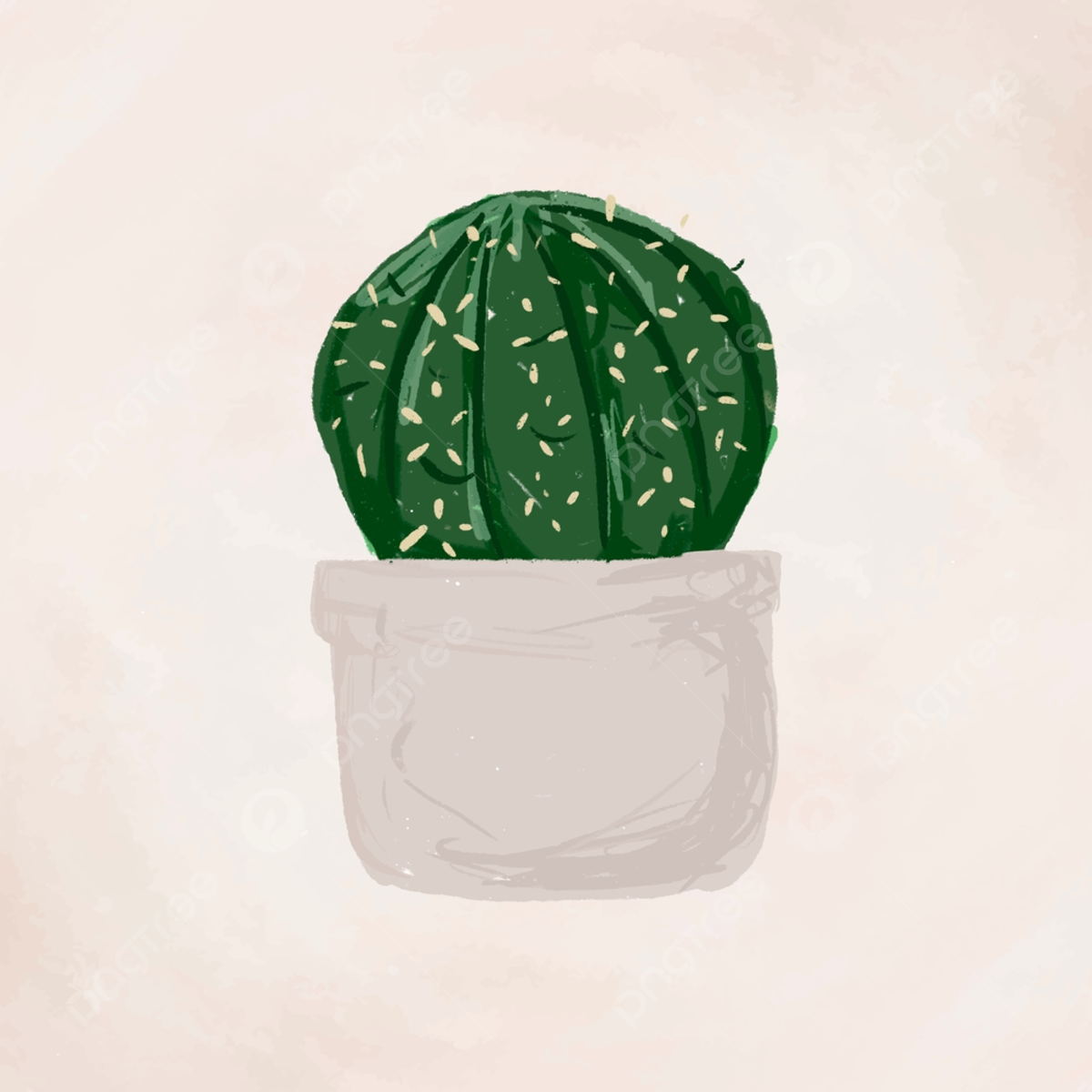
The Mammillaria genus, with its tightly clustered, often spherical bodies and radial symmetry, presents artists with a living sculpture—one that defies the chaos of nature with its crystalline order. In art, this form becomes a meditation on structure within chaos. The globular silhouette, reminiscent of ancient stone orbs or celestial bodies, invites viewers to contemplate the intersection of the organic and the architectural. Artists like Georgia O’Keeffe, though not exclusively focused on cacti, paved the way for such interpretations, framing desert flora as monumental and almost spiritual in their presence. The Mammillaria, with its radial ribs and delicate central florets, takes this concept further, offering a microcosm of nature’s precision. Its spines, often arranged in hypnotic spirals, become not just defensive mechanisms but visual poetry—lines of tension and release, echoing the Fibonacci sequence or the unfurling of a fern frond. To paint a Mammillaria is to engage in a dialogue with geometry, to distill the essence of resilience into a single, enduring shape.
Spines as Symbols: The Duality of Protection and Allure
There is a profound duality in the spines of the Mammillaria—they are both armor and adornment, deterrent and invitation. In art, this duality is magnified. The spines, rendered in meticulous detail, can evoke a sense of danger, a warning to approach with caution. Yet, they also frame the soft, ephemeral bloom at the center, a fleeting moment of beauty that belies the plant’s tough exterior. This juxtaposition has made the Mammillaria a potent symbol in feminist and ecological art, where the body—whether plant or human—is both protected and scrutinized. Artists have used the cactus’s spines to explore themes of vulnerability masked by strength, of beauty that exists despite (or because of) adversity. The spines become a metaphor for societal expectations: sharp edges that both shield and isolate, that define boundaries while also drawing attention to what lies within. To paint them is to acknowledge the complexity of protection—how safety can be both a fortress and a cage.

Bloom as Metaphor: Ephemerality and the Fleeting Moment
The true magic of the Mammillaria lies not in its spines, but in its flowers—a burst of color so vivid it seems to defy the arid landscape that birthed it. These blooms, often small and clustered at the crown, are fleeting yet transcendent. In art, they serve as a reminder of beauty’s impermanence, a counterpoint to the plant’s enduring form. The contrast between the cactus’s spiny armor and its delicate florets is a visual allegory for the human condition: the tension between endurance and vulnerability, between the need to protect and the desire to be seen. Artists have seized upon this duality, using the Mammillaria’s bloom as a symbol of hope in harsh conditions, of joy that persists despite adversity. The flowers, often rendered in watercolor or pastel, become moments of luminous stillness in otherwise stark compositions. They are the exclamation point in a sentence of thorns, the whisper of softness in a world of edges.
Cultural Echoes: The Mammillaria in Global Art Traditions
While the Mammillaria is native to the Americas, its artistic resonance extends far beyond its natural habitat. In Mexican folk art, particularly in the vibrant alebrijes and papel picado, the cactus often appears as a symbol of national identity and resilience. Its prickly silhouette is woven into textiles, carved into wood, and painted onto ceramics, where it stands as a testament to cultural endurance. In Japanese art, the cactus’s geometric form finds echoes in the kokedama (moss ball) tradition, where plants are presented as living sculptures, their forms celebrated as much as their blooms. Even in European still-life traditions, where flora often served as memento mori, the Mammillaria subverts expectations—its longevity a quiet rebellion against the fleeting nature of life. This cross-cultural reverence speaks to the plant’s universal appeal: a symbol that transcends borders, speaking in a language of form, resilience, and quiet defiance.
The Modern Muse: Mammillaria in Contemporary Art
In contemporary art, the Mammillaria has shed its role as mere subject and become a collaborator in artistic expression. Digital artists manipulate its image, fracturing its form into kaleidoscopic patterns or animating its spines into dynamic, almost sentient structures. Sculptors cast it in bronze or resin, immortalizing its texture in three dimensions. Photographers isolate its blooms against stark backgrounds, creating images that feel like scientific studies and poetic meditations in equal measure. The cactus’s adaptability to modern mediums reflects its own adaptability in nature—it thrives where others wither, it blooms where others retreat. In the hands of contemporary creators, the Mammillaria becomes a canvas for exploring themes of sustainability, isolation, and the intersection of technology and nature. Its spines, once a defense, now frame digital glitches; its blooms, once ephemeral, now glow from screens. The plant’s journey from desert floor to gallery wall is a testament to its enduring allure—a reminder that even the most unassuming forms can hold worlds within them.
Conclusion: The Mammillaria as a Mirror of Human Experience
To study the Mammillaria in art is to gaze into a mirror held up by nature itself. Its spines reflect our own defenses, its blooms our fleeting joys, its form our search for order in chaos. It is a plant that asks to be seen—not despite its prickles, but because of them. In an era where resilience is both a necessity and a virtue, the Mammillaria stands as a quiet icon, a reminder that beauty and strength are not mutually exclusive, that protection and vulnerability can coexist. Whether rendered in the delicate strokes of a watercolor or the bold lines of a digital print, the Mammillaria endures—not just as a plant, but as a symbol, a story, a living metaphor. And in that endurance, it invites us to reflect: what spines do we wear? What blooms do we nurture? And how, like the Mammillaria, can we thrive in the spaces between protection and exposure?
FAQ
What is the significance of Mammillaria in art?
Mammillaria cacti serve as symbols of resilience and beauty, representing dualities such as strength and vulnerability in various artistic expressions.
How is the Mammillaria depicted in different cultures?
The Mammillaria appears in various cultural art forms, symbolizing national identity and resilience, as seen in Mexican folk art and Japanese traditions.



Leave a Reply