
Short Answer
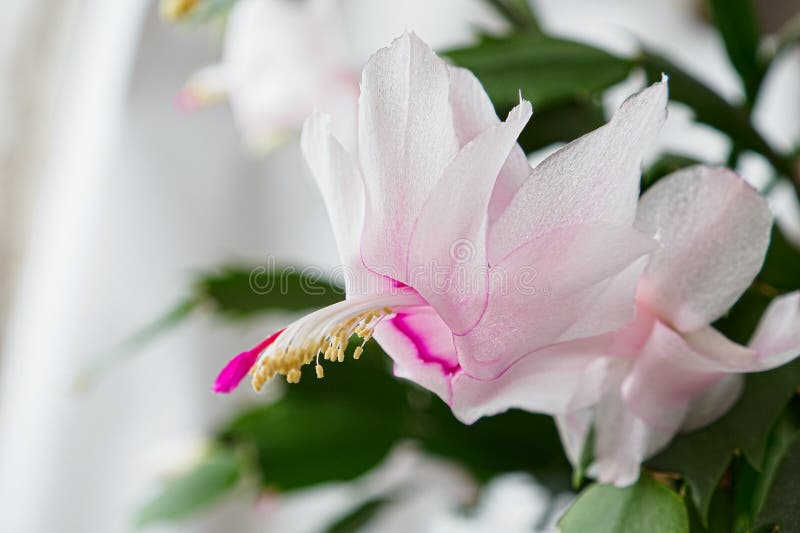
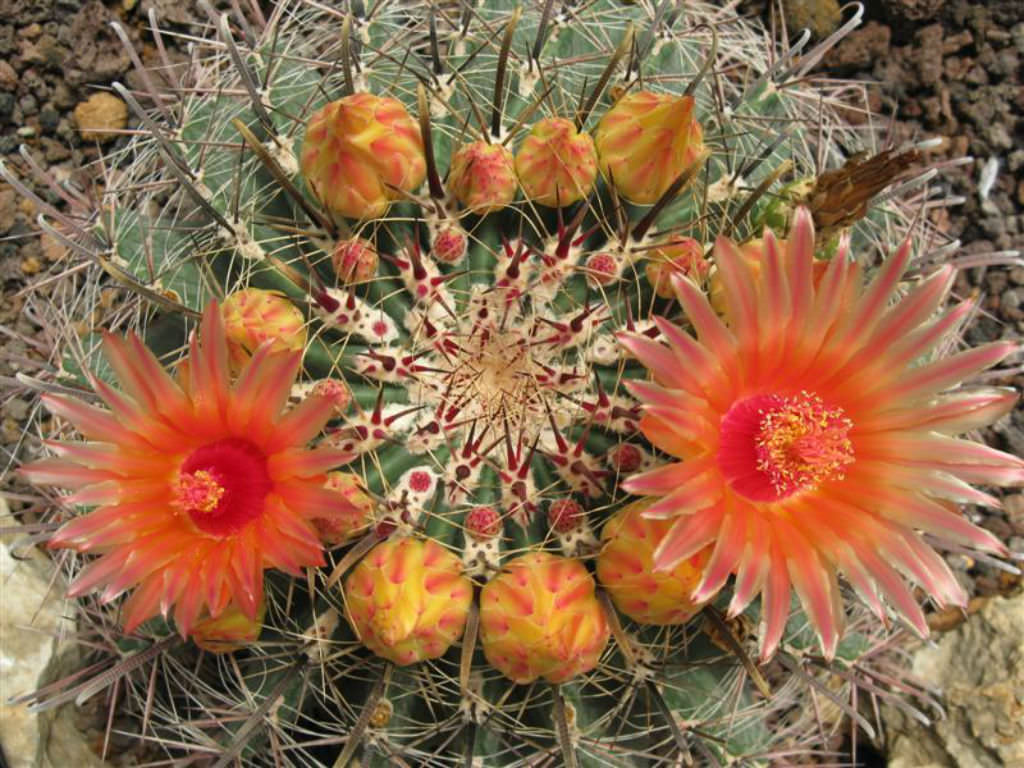
Imagine a desert dawn, where the first golden rays of sunlight kiss the spines of a cactus, coaxing it to unfurl its secret masterpiece—a burst of vibrant blooms. This is the magic of flowering cacti, a spectacle that transforms these spiky sentinels into living jewels. Yet, for many growers, the challenge lies in persuading these resilient plants to reveal their floral treasures. Whether you’re nurturing a Neoregelia johannis with its emerald leaves tipped in blush pink or coaxing an epiphytic cactus like the Thanksgiving Day bloomer to dazzle, the key lies in understanding their unique rhythms and desires. Let’s embark on a journey through the sun-drenched world of cacti cultivation, where patience and precision become the gardener’s most potent tools.
The Dance of Light and Shadow: Mastering the Sun’s Whisper
Cacti are sun-worshippers, but not all bask in the same intensity. The epiphytic cacti, those airy acrobats that cling to trees in their native habitats, crave dappled sunlight—a soft, filtered glow that mimics the dappled shade of a forest canopy. Too much direct sun scorches their delicate tissues, while too little dims their floral ambitions. Position these beauties near an east-facing window or behind a sheer curtain, where the sun’s embrace is gentle yet persistent. In contrast, desert-dwelling cacti, like the Epiphyllanthus, thrive under the full, unrelenting gaze of the sun. Here, the trick is gradual acclimation: introduce them to sunlight in increments, lest their skins crisp under the sudden heat. Think of it as a slow waltz with the sun, where each step—each degree of exposure—builds trust between plant and gardener.

The Alchemy of Water: Quenching Thirst Without Drowning the Dream
Water is the elixir of life, but for cacti, it’s a double-edged sword. These desert denizens have evolved to survive on meager sips, storing moisture in their fleshy stems like camels hoarding water in the Sahara. Overwatering is the silent killer, rotting roots and smothering floral potential before it can even sprout. The golden rule? Less is more. Water only when the soil is bone-dry, and then drench thoroughly, allowing excess to drain away like a desert rainstorm. Epiphytic cacti, however, demand a different rhythm. Their roots, adapted to cling to bark and absorb mist, prefer a humid environment. Mist them lightly or place them on a pebble tray filled with water, ensuring the roots never sit in soggy soil. For these plants, think of water as a fleeting mist rather than a deluge—a whisper, not a shout.
The Soil’s Secret: Crafting a Home That Feels Like Home
A cactus’s roots are its lifelines, and the soil is their kingdom. Yet not all soils are equal. The ideal mix is a well-draining, airy concoction that mimics the gritty, mineral-rich earth of their native habitats. For most cacti, a blend of coarse sand, perlite, and a dash of organic matter (like coconut coir) creates the perfect balance—moisture retention without suffocation. Desert cacti, with their deep taproots, need a grittier mix, while epiphytic varieties prefer something lighter, almost like a chunky, breathable mulch. Avoid heavy, clay-like soils that trap water like a swamp. Instead, envision a soil that crumbles like crumbly sandstone, where roots can stretch and breathe without fear of drowning. The right soil is the foundation of floral success, a silent partner in the cactus’s journey toward blooming.

The Temperature Tango: Chilling the Roots to Spark the Bloom
Cacti are not just sun-seekers; they are temperature connoisseurs. Many species require a period of dormancy—a winter chill—to trigger their flowering cycle. This is where the gardener’s role becomes that of a seasoned conductor, orchestrating the ebb and flow of temperatures with precision. As autumn arrives, gradually reduce watering and expose your cacti to cooler nights, ideally between 40–50°F (4–10°C). This mimics the natural drop in temperature they’d experience in their native ranges. Epiphytic cacti, however, are less demanding, thriving in warmer conditions year-round. But even they benefit from a slight cooldown, a subtle reminder that the seasons are changing. Think of this dormancy period as a cactus’s hibernation—a time to rest, recharge, and prepare for the grand performance of blooming.
The Nutrient Serenade: Feeding the Floral Fantasy
While cacti are masters of survival, they still need nourishment to fuel their floral fantasies. The key is balance. Too much fertilizer, and you risk a lush, overgrown plant with no energy left for blooms. Too little, and the cactus starves, its stems shrinking like a desert mirage. Opt for a low-nitrogen, high-phosphorus fertilizer, applied sparingly during the growing season. A diluted solution every 4–6 weeks is ample. For epiphytic cacti, a balanced, water-soluble fertilizer works wonders, but always dilute it to half-strength to avoid burning their delicate roots. Imagine feeding your cactus a light, nutrient-rich broth—just enough to keep it thriving, but never enough to overwhelm. The goal is to coax, not coerce, the plant into flowering.
The Patience Paradox: Waiting for the Grand Reveal
Here’s the truth: cacti are not eager bloomers. They are the strong, silent types, content to grow slowly, biding their time until the conditions are just right. Some may take years to flower, their patience a lesson in the art of delayed gratification. But when the moment arrives, it’s nothing short of spectacular. The first bud is a tiny miracle, a green nub that swells and stretches, defying gravity until it bursts into color. For the gardener, this is the ultimate reward—a testament to perseverance and understanding. Resist the urge to over-tinker. Instead, trust the process. Let the cactus set the pace. The blooms will come when the time is ripe, like a desert flower unfurling after a long-awaited rain.

FAQ
How often should I water my flowering cactus?
Water flowering cacti only when the soil is completely dry, typically every 2-4 weeks depending on climate and season, and avoid overwatering to prevent root rot.
What type of light do flowering cacti need?
Desert cacti require bright, direct sunlight, while epiphytic cacti prefer filtered or dappled light to encourage blooming without damaging their tissues.
Do cacti need a dormancy period to flower?
Yes, many cacti species require a cooler, drier dormancy period in winter with temperatures between 40–50°F (4–10°C) to trigger their flowering cycle.
What kind of soil is best for flowering cacti?
A well-draining, gritty soil mix with coarse sand, perlite, and a small amount of organic matter is ideal to prevent water retention and promote healthy root growth.
How can I fertilize my cactus to encourage blooms?
Apply a low-nitrogen, high-phosphorus fertilizer diluted to half strength every 4–6 weeks during the growing season to support healthy flowering.

Leave a Reply