
Short Answer
There is an undeniable magnetism held by cacti—those sculptural sentinels of the arid desert, standing as nature’s paradoxical monuments of resilience and delicate beauty. While many passersby marvel simply at their prickly defenses or vibrant blooms, the rare genera of cacti lure enthusiasts and botanists alike into a deeper, almost reverential fascination. This intrigue often stems not just from their striking appearances, but from the stories embedded in their evolutionary journeys, survival strategies, and symbiotic relationships in some of the harshest landscapes on Earth. To truly appreciate these unique marvels, visiting the world’s most notable public gardens offers an unparalleled window into the enigmatic diversity of rare cactus genera.
The Desert Botanical Garden, Phoenix, Arizona: A Spectrum of Cactaceous Wonders
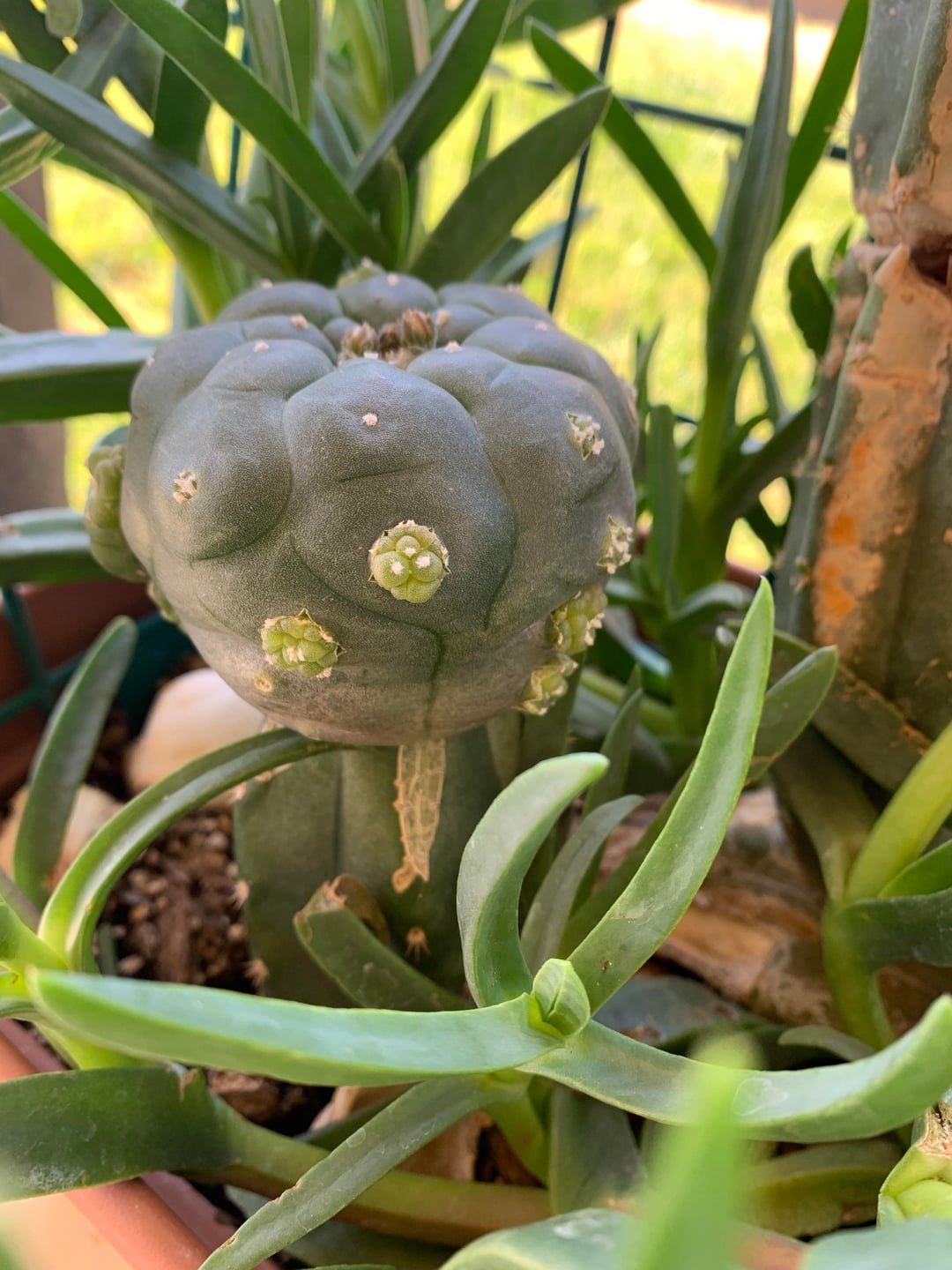
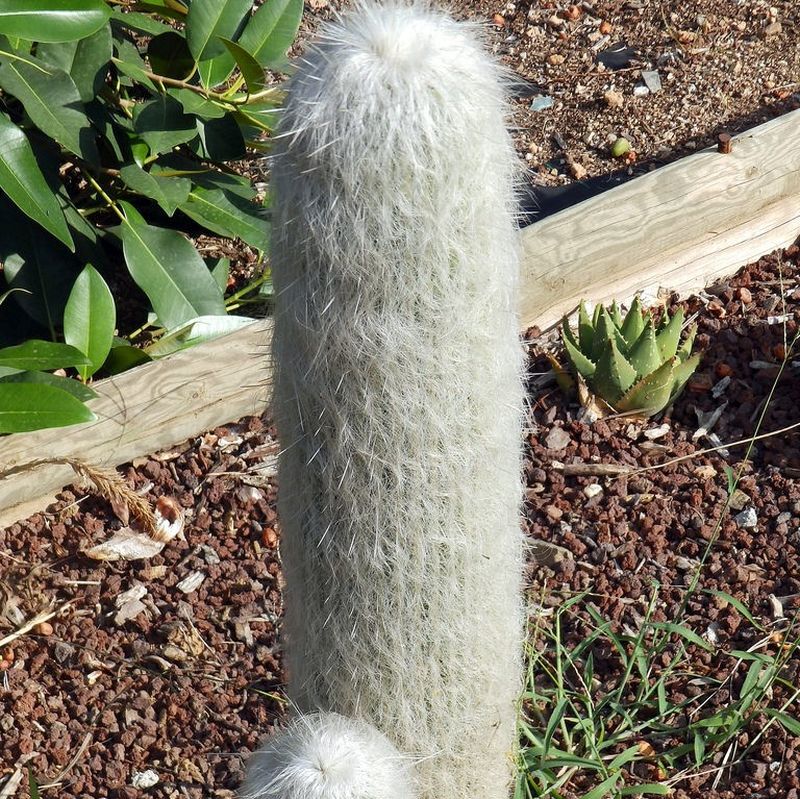
Situated in the sun-drenched climes of the Sonoran Desert, the Desert Botanical Garden in Phoenix is a sanctuary dedicated to the preservation and celebration of desert flora. This garden is particularly renowned for its extensive collection of rare and endemic cacti, including species from genera seldom seen outside their native habitats. Walking along its shaded pathways, visitors encounter towering specimens of Stenocereus and the jewel-toned blossoms of Frailea. The garden’s desert trail is dotted with the famed Carnegiea gigantea (the iconic Saguaro) alongside uncommon treasures like the enchanting Isolatocereus dumortieri.
Beyond the sensory delight of form and color, the garden educates visitors about the evolutionary intricacies that have allowed these plants to adapt to desiccation and solar extremes. Interpretive signs delve into their nocturnal blooming patterns and photosynthetic marvels, illuminating why these genera have thrived where other plants cannot.
Kew Gardens, London: A Global Repository of Rare Cacti
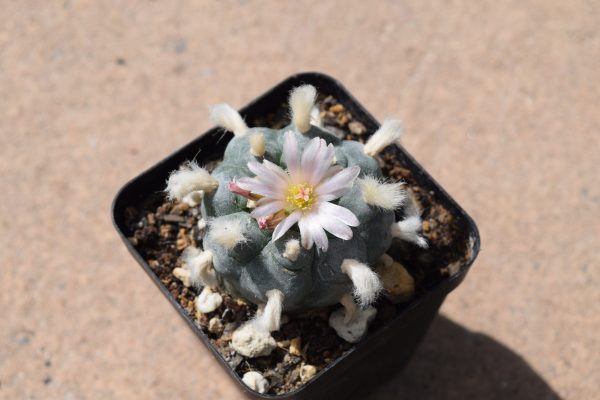
Across the Atlantic, Kew Gardens in London embraces an impressive curation of exotic and rare cactus collections housed within their temperate glasshouses. These controlled climates nurture species from South America’s arid highlands to African deserts, where climates differ wildly from England’s own. Among the captivating specimens curated here are the whimsical and less commonly seen Gymnocalycium anisitsii, celebrated for its softly rounded ribs and delicate flowers that contrast sharply with its spiny silhouette.
This world-renowned garden not only exhibits these stunning plants but also fosters scientific inquiry and conservation efforts that seek to protect genetic diversity in the face of climate change and habitat loss. The planting schemes are thoughtfully designed to replicate ecological niches, enabling visitors to witness how rare cactus genera cohabit niches alongside other xerophytic companions.
Jardin Botanique de Montréal: Cultivating Unique Rare Cacti in the North
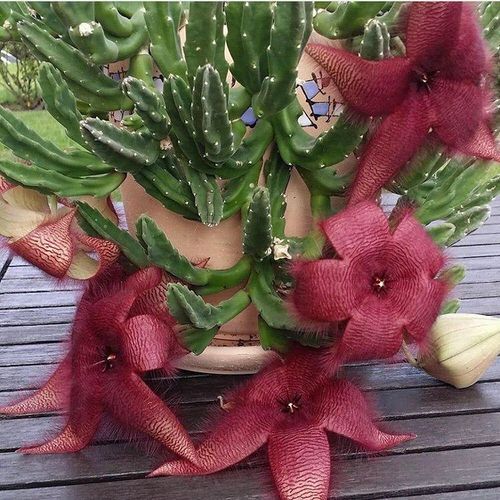
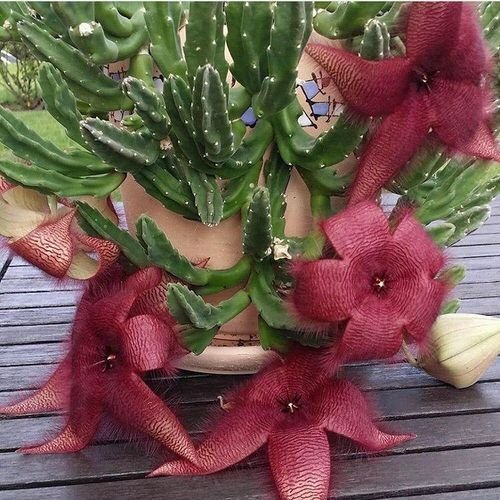
In a seemingly unlikely setting—the cool, temperate zone of Canada—the Jardin Botanique de Montréal boasts a specialized arid plant house dedicated to the conservation and display of rare succulent and cactus species. Their collection sheds light on the lesser-known genera like Stapelia, notable for their large, intricate flowers that mimic carrion in scent and appearance, exploited to attract specific pollinators in their native habitats. Such evolutionary novelties provoke curiosity and challenge conventional aesthetic assumptions about floral beauty.
Visitors here are invited to look beyond the stereotypical “spiny plant” stereotype and appreciate the nuanced adaptations that permit these genera to flourish. The garden’s educational programs delve deeply into botanical classification, pollinator interactions, and the unique chemistry behind cacti’s notorious water-storage capabilities.

Why Rare Cactus Genera Stir Such Fascination
The collective allure of rare cacti stems from more than their visual appeal; it taps into a primal respect for resilience and adaptation. In a world increasingly homogenized by urban sprawl and climate uncertainty, these plants symbolize perseverance against odds. Their very existence embodies an ancient narrative of survival, genetic creativity, and niche specialization.
Moreover, the allure is intensified by the rarity itself—scarcity fuels desire and wonder. The harder a species is to encounter, the more we yearn to understand it. Seeing rare cactus genera in public gardens can awaken an awareness of biodiversity’s fragility and inspire stewardship for these living relics of geological time.
Planning Your Visit: Making the Most of the Experience
To truly immerse yourself in the world of rare cacti, approach each garden visit with both curiosity and patience. Each season ushers in new flowering phases, ephemeral blooms that can last mere hours yet are profoundly mesmerizing. Engage with knowledgeable guides, attend lectures or workshops, and participate in seasonal tours focusing on cacti diversity to enrich your understanding.
Photographers, naturalists, and casual admirers alike will find that these gardens offer a serene escape from the mundane bustle—an opportunity to witness the quiet drama of survival and beauty played out in spiny silhouettes and subtle colors. Bring a keen eye and an open heart to these arboreal cathedrals, and you might just uncover the deeper reasons why humanity has long been enchanted by these extraordinary plants.
FAQ
What makes rare cactus genera fascinating to study?
Their unique evolutionary adaptations, resilience to harsh desert environments, and their rarity which highlights biodiversity and conservation needs.
Can I see rare cacti outside their native habitats?
Yes, many rare cacti are exhibited in specialized public gardens worldwide that replicate their native conditions.
Are there educational programs related to rare cacti at these gardens?
Yes, many gardens offer guided tours, workshops, and interpretive signs to educate visitors about rare cacti biology and conservation.
Leave a Reply