
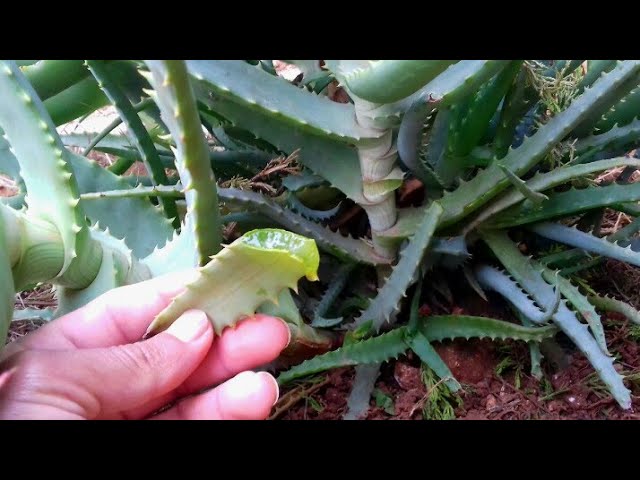
Aloe Vera, a resilient succulent, is more than just a decorative houseplant; it is renowned for its myriad health benefits and aesthetic allure. Cultivating this remarkable plant in your home can provide a sense of accomplishment and a touch of natural beauty. This guide will walk you through every aspect of growing Aloe Vera, ensuring that you can nurture this unique plant successfully.
Before diving into the specifics of cultivation, it’s essential to understand why Aloe Vera has captured the hearts of plant enthusiasts worldwide. Its fleshy, serrated leaves not only exude a tinted green that complements various decor styles but also contain a soothing gel that offers numerous therapeutic applications. Now, let’s explore the art and science of cultivating this enchanting plant.
Understanding Aloe Vera’s Natural Habitat
Aloe Vera is native to arid regions, particularly those found in the Arabian Peninsula. Its succulence allows it to store water, enabling survival in conditions that would be inhospitable for many other plants. As a result, Aloe thrives in well-draining, sandy soil, where their roots can access moisture without becoming waterlogged. Mimicking its natural habitat is paramount when attempting to cultivate Aloe Vera in your home.
Choosing the Right Container
The container selected for your Aloe Vera plays a pivotal role in its growth. Opt for a pot with drainage holes to prevent water accumulation, which can lead to root rot—a common affliction in succulents. Clay pots are particularly advantageous, as they allow air to circulate around the roots, preventing excessive moisture retention. Alternatively, ceramic and plastic pots work well if they have sufficient drainage.
Soil Selection: A Fundamental Component
When it comes to Aloe Vera, soil is not merely a planting medium but a cornerstone of its well-being. A specialized cactus or succulent potting mix is the ideal choice. This type of soil is engineered to have excellent drainage properties, contributing to the healthy growth of your plant. If you wish to create your own mix, combine regular potting soil with perlite or coarse sand to enhance aeration and drainage capability.
Optimal Light Requirements
Aloe Vera thrives in bright, indirect sunlight. Placing your plant near a south or west-facing window generally yields the best results. Too much direct sunlight can scorch the leaves, causing unsightly browning or crisping. Conversely, inadequate light can stifle growth, rendering your Aloe Vera leggy and sparse. Occasionally rotating the pot can ensure even light distribution, promoting symmetrical growth.
Watering Wisely: The Golden Rule
Watering Aloe Vera requires a balanced approach. It is imperative to allow the soil to dry out completely between watering sessions to avoid over-saturation. During the growing season—spring and summer—water your Aloe Vera once every two to three weeks, adjusting the frequency based on humidity and temperature conditions. In the dormant winter months, reduce watering to once a month, as the plant requires significantly less moisture during this time.
Fertilization: Nourishing Your Aloe Vera
While Aloe Vera is not a heavy feeder, providing occasional nutrients can enhance its vitality. A diluted, balanced fertilizer applied during the growing season can promote lush growth. A cactus fertilizer is an excellent option, contributing the necessary minerals without overwhelming the plant. Be mindful not to fertilize during the winter, as this can disrupt its dormancy cycle.
Propagation: Expanding Your Aloe Collection
One of the most intriguing characteristics of Aloe Vera is its ability to propagate through offsets, commonly referred to as pups. At the base of a mature Aloe plant, you may notice smaller rosettes emerging. Once these pups reach a few inches in height and have developed roots of their own, they can be gently removed and repotted into separate containers. This not only provides new plants but allows for a fuller, more attractive display.
Pest Management: Keeping Your Aloe Healthy
Aloe Vera is relatively pest-resistant; however, it can occasionally fall prey to mealybugs or aphids. Regular inspections are crucial for spotting these intruders early. A soft cloth can be used to wipe the leaves, or a gentle spray of insecticidal soap may help eliminate pests effectively. Always ensure to keep your Aloe clean and free from debris, as this discourages pests from taking residence.
Environmental Conditions: The Ideal Climate for Growth
Aloe Vera prefers warm climates, flourishing at temperatures between 60°F and 75°F. While it can tolerate brief dips in temperature, protect it from frost and cold drafts, as this can lead to irreparable damage. If growing your Aloe outdoors, consider bringing it inside during colder months to safeguard its vitality.
Conclusion: The Enchantment of Aloe Vera Cultivation
Successfully cultivating Aloe Vera requires attention to detail and a respect for its natural preferences. From selecting the right environment to mastering the watering regimen, each element plays a crucial role in fostering a robust and visually stunning plant. Beyond the aesthetic qualities, having Aloe Vera at home means access to its healing properties, making it a worthwhile endeavor for any gardening enthusiast. In nurturing this remarkable succulent, you not only enrich your living space but also connect with the fascinating world of plant care.



Leave a Comment