

Short Answer
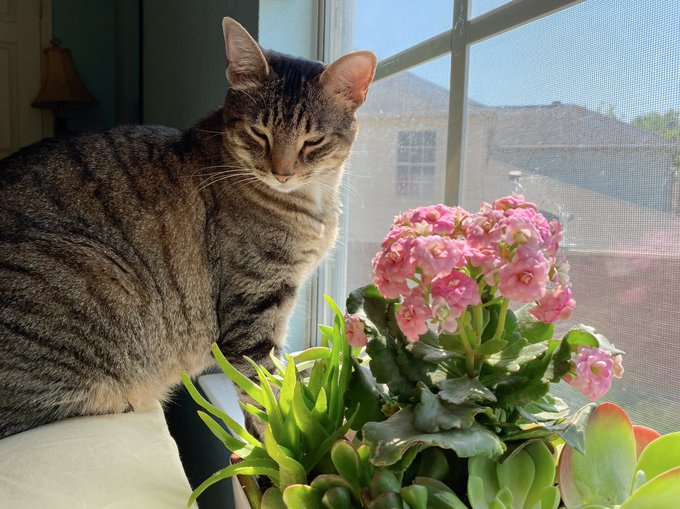
Owning pets and maintaining a flourishing houseplant collection often require some careful consideration, especially when it comes to select plants. Kalanchoe, frequently admired for its vibrant flowers and resilience, poses certain risks for common household pets, such as cats and dogs. Understanding the toxicity of this plant is crucial for pet owners who want to ensure a safe environment for their furry companions.
As we delve into the specifics of Kalanchoe toxicity, we will explore its chemical composition, the symptoms of poisoning, safe alternatives for pet households, and practical measures to keep pets and plants harmoniously coexisting.
What is Kalanchoe and Why is it Popular?
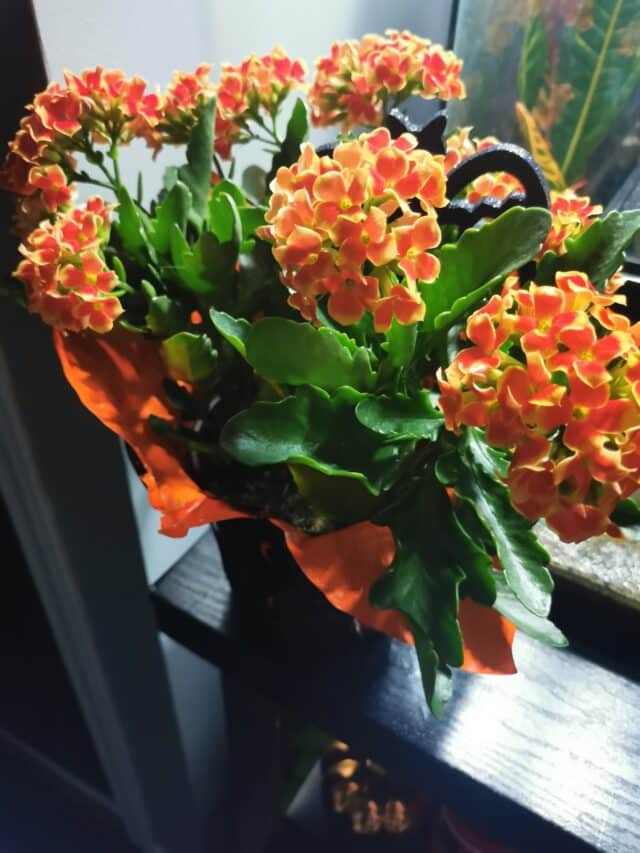
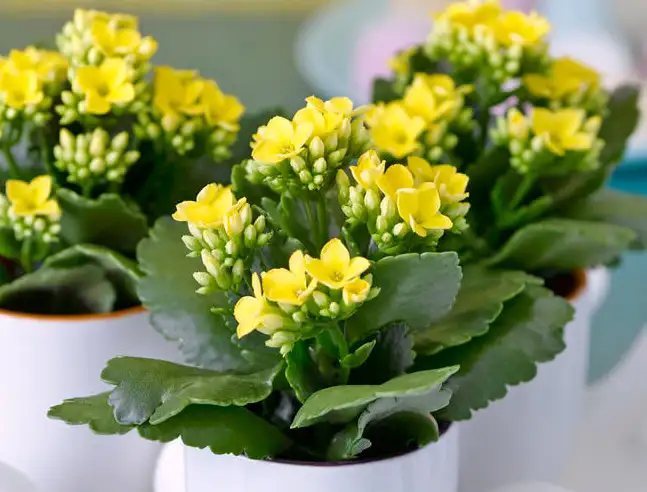
Kalanchoe is a captivating genus of succulent plants within the Crassulaceae family. This diverse group includes over two hundred species, many of which exhibit fascinating forms and lush, waxy leaves. Commonly found in homes and gardens, Kalanchoe plants add a vibrant touch with their colorful flowers and relatively low maintenance requirements. Their ability to thrive in various environmental conditions makes them a favored choice for both amateur and seasoned gardeners alike.
Yet, despite their aesthetic appeal, unassuming beauty leaves a shadow of concern. Kalanchoe species, particularly Kalanchoe blossfeldiana and Kalanchoe tomentosa, contain toxic compounds known as bufadienolides—a class of cardiac glycosides that can adversely affect the health of pets and livestock.
The Toxic Nature of Kalanchoe and Its Implications for Pets
Understanding the toxic compounds within Kalanchoe provides insight into the potential dangers it poses to household pets. Bufadienolides can create a range of health issues when ingested, particularly for cats and dogs, who may not instinctively recognize the hazards associated with this lush foliage.
When pets consume Kalanchoe, various symptoms can manifest. Common signs of intoxication include:
- Vomiting and diarrhea
- Loss of appetite
- Abdominal pain
- Excessive drooling
- Fatigue or lethargy
- Irregular heart rhythms (arrhythmias)
- Tremors or seizures in severe cases
Immediate veterinary attention is essential if these symptoms are observed following potential ingestion. Even small amounts of the plant can provoke a toxic response, particularly in smaller animals. It is crucial that pet owners embrace vigilance, especially considering that pets are often curious and may nibble on plants when left unattended.
How to Create a Pet-Friendly Environment with Kalanchoe in Mind
While Kalanchoe’s aesthetic might be alluring, ensuring the safety of pets takes precedence. Here are several strategies pet owners can employ to mitigate potential risks:
Establish a ‘No Kalanchoe Zone’
Designating certain areas within the home strictly for Kalanchoe plants can minimize interaction with pets. Elevated shelves or hanging pots can keep these plants out of reach. Be sure to also consider other potential hazards if the area is not entirely off-limits.
Educate Yourself and Others
Awareness is a vital component of pet safety. Familiarize yourself with the toxic effects of Kalanchoe and any other plants that might inhabit your home. Educate family members and friends about these risks, ensuring that all caregivers are mindful of plant placements and potential hazards for pets.
Consider Healthy Alternatives
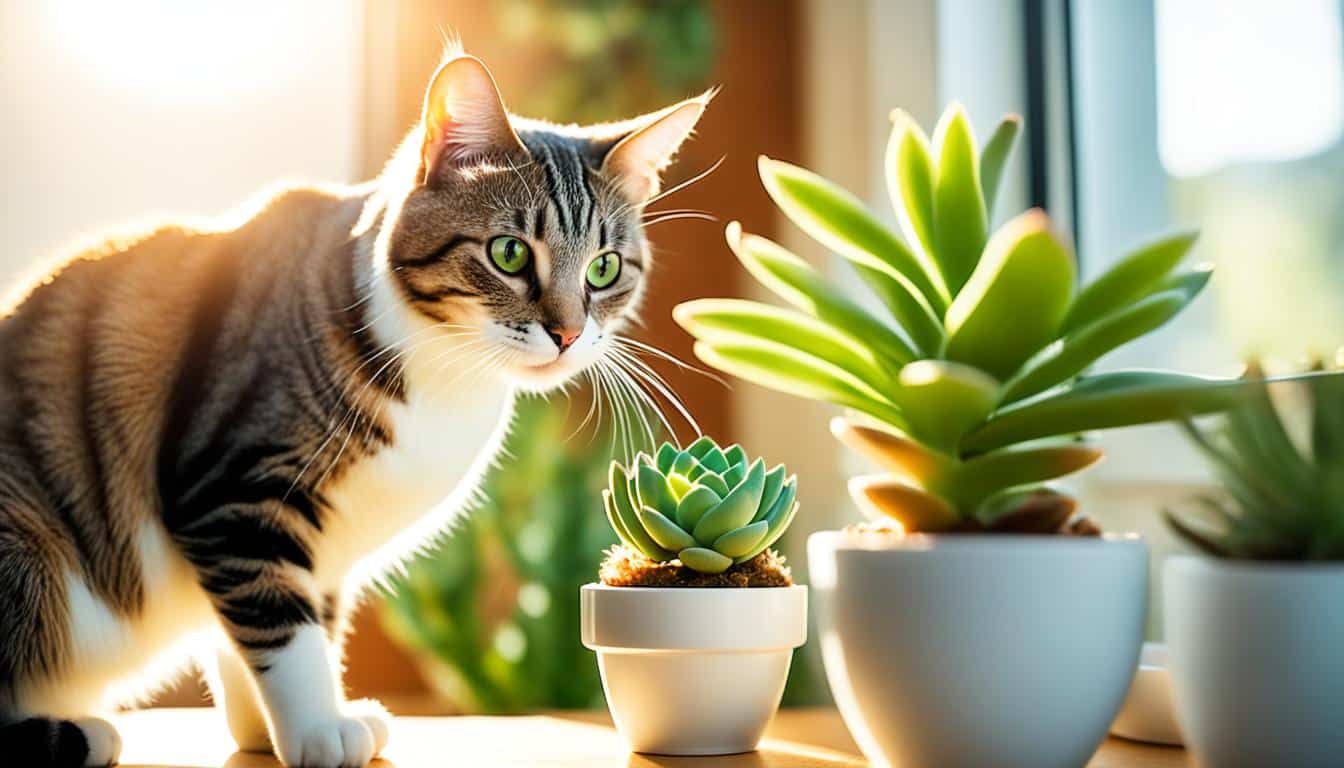
For pet owners determined to cultivate a garden filled with lush greenery, a range of non-toxic plants exists that can serve as splendid alternatives to Kalanchoe. Some delightful options include:
- Bamboo Palm
- Spider Plant
- Boston Fern
- Ponytail Palm
- Parlor Palm
- Areca Palm
These plants add a visual appeal to your living space while ensuring a safe environment for curious paws and whiskers.
Recognizing the Symptoms of Kalanchoe Toxicity
Pet owners should be vigilant in monitoring their pets for any signs of distress, especially if they’ve had access to Kalanchoe plants. Understanding the symptoms of toxicity not only aids in early recognition but can also expedite veterinary intervention.
In cases where ingestion is suspected, it is advisable to keep a sample of the plant available when seeking veterinary care, as this information can assist in diagnosing the issue more effectively. The faster the response, the better the outcome for the affected animal.
The Bottom Line: Safety First
In sum, while Kalanchoe may entice with its striking appearance and robust nature, its toxicity is a significant consideration for pet owners. By implementing preventive measures, being aware of alternative non-toxic plants, and recognizing the signs of poisoning, pet owners can create a safe living environment. The beauty of nature can certainly coexist with the love of pets if a careful approach is adopted.
By remaining vigilant and informed, the admiration of Kalanchoe and the companionship of pets can thrive together harmoniously in any home.
FAQ
Is Kalanchoe safe to have around pets?
No, Kalanchoe contains toxic compounds that can harm cats and dogs if ingested.
What are common signs my pet ate Kalanchoe?
Look for vomiting, diarrhea, drooling, lethargy, abdominal pain, and irregular heartbeats.
Can small amounts of Kalanchoe be harmful to pets?
Yes, even small amounts can cause toxic reactions, especially in smaller animals.
How can I keep Kalanchoe plants safe from my pets?
Place plants out of reach, use hanging pots or elevated shelves, and educate household members about the risks.
What are some non-toxic plants I can choose instead of Kalanchoe?
Good alternatives include Bamboo Palm, Spider Plant, Boston Fern, Ponytail Palm, Parlor Palm, and Areca Palm.
Leave a Reply