
Short Answer
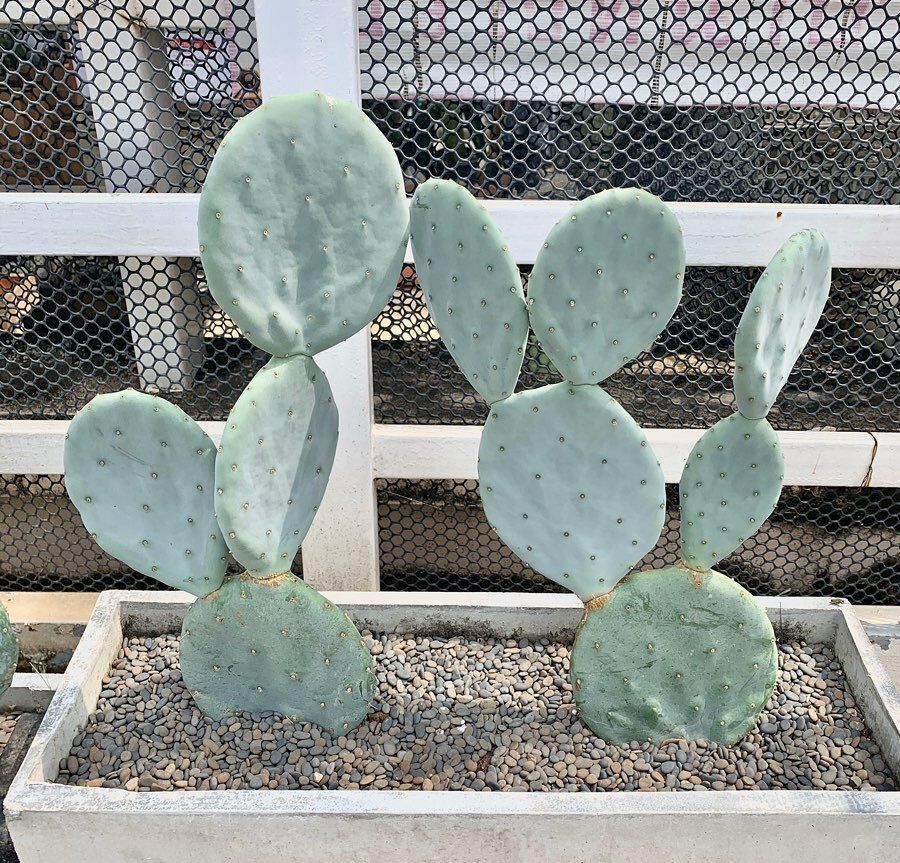
When you first encounter the Opuntia genus, a mesmerizing world of resilient and visually captivating cacti unfolds before you. Commonly known as prickly pears, these species promise far more than just their distinctive flat, paddle-shaped pads and thorny exteriors. They invite a profound shift in perspective—from seeing them as mere desert dwellers to recognizing them as complex, adaptive marvels of the plant kingdom. Exploring Opuntia species is akin to embarking on a botanical adventure, where each type boasts unique qualities that intrigue both seasoned horticulturists and curious novices alike. Let’s delve into this verdant realm and discover the most popular types of Opuntia, illuminating the fascinating traits that make them prized members of many collections.
The Resilience of Opuntia: Nature’s Desert Survivors
Opuntia species thrive where few plants dare to exist. Their adaptability to arid environments demonstrates an evolutionary prowess that promises insights into survival under extreme conditions. These cacti exhibit a range of ecological strategies: from water-storing succulent pads to thick, waxy coatings minimizing moisture loss. Their spines serve dual purposes—warding off herbivores and providing shade, effectively reducing the temperature of their own tissues. This synergy of form and function reveals how Opuntias are not just tough plants; they are ecological virtuosos, mastering the art of persistence where life seems improbable.


Opuntia ficus-indica: The Iconic Prickly Pear
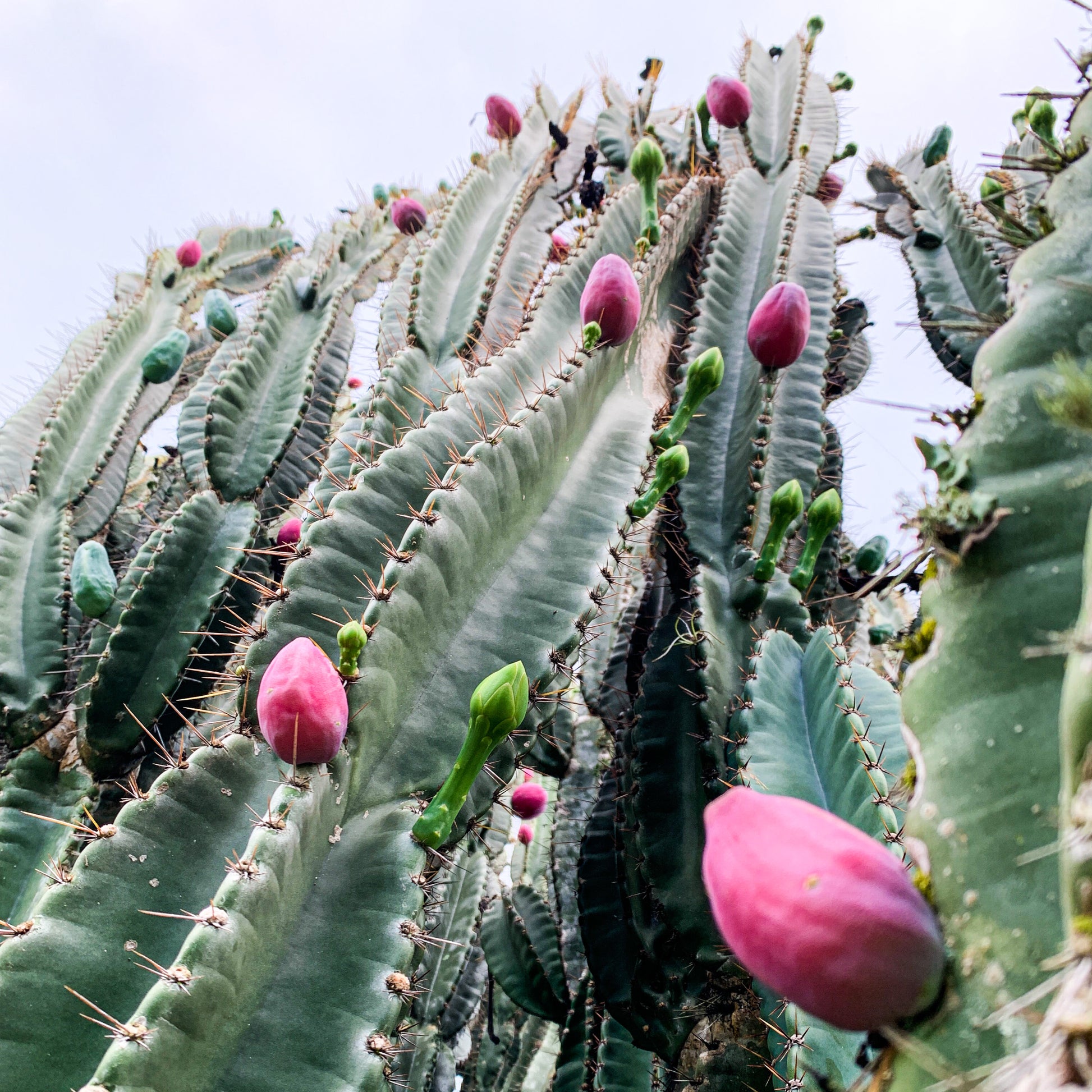
Possibly the most renowned member of the Opuntia genus, Opuntia ficus-indica is often celebrated for its culinary and medicinal uses. Its fruit, vividly known as “tunas,” ranges in color from deep magenta to sunny yellow, promising a burst of sweetness hidden beneath a prickly exterior. This species beckons with versatility—aesthetic appeal, fruit production, and traditional medicinal applications converge here. Beyond the kitchen, the pads, or “nopales,” are consumed across various cultures, offering a tangy flavor and healthful nutrients. Watching this species flourish hints at the intimate relationship between humans and Opuntia, spanning millennia.

Opuntia microdasys: The Bunny Ear Cactus – Charm with a Cautionary Twist
Imagine a cactus that mimics the playful shape of rabbit ears—Opuntia microdasys offers exactly that whimsical charm. This species is distinguished by its small, fuzzy-looking glochids (tiny, hair-like spines) that shimmer like velvet from a distance but pack a sharp sting upon closer touch. The duality here is compelling: an inviting softness that warns of hidden defense mechanisms. Enthusiasts prize Opuntia microdasys not only for its aesthetic novelty but also for its role as a conversation piece, provoking both admiration and respect for nature’s clever strategies. Its bright green pads are a vibrant accent to any plant collection, promising an intriguing juxtaposition of beauty and caution.

Opuntia engelmannii: The Versatile Desert Architect
Opuntia engelmannii, often referred to as Engelmann’s prickly pear, embodies a versatile architecture that crafts stunning silhouettes across desert landscapes. Its sprawling pads form intricate patterns, creating living sculptures that both defy and embrace their rugged surroundings. This species adapts impressively, able to thrive from rocky hillsides to sandy plains. Its yellow blooms—delicate yet luminescent—herald spring’s arrival, attracting pollinators and promising ecological vibrancy. The structural elegance and reproductive prowess of O. engelmannii underline a botanical narrative rich with resilience and fortitude.
Variegated Opuntia: Nature’s Living Art
Stepping beyond traditional green pads, variegated Opuntias captivate with their striking patterns of white, yellow, and seafoam hues. These mutations are prized not only for their aesthetic uniqueness but also for their rarity—each plant resembling a natural work of abstract art. Variegated species challenge preconceived notions of what cacti should look like, offering a kaleidoscopic shift in perception. Their irregular pigmentation reveals the remarkable genetic variability within the genus, an invitation to appreciate subtle beauty in botanical imperfections.
Ecological and Cultural Significance of Opuntia Species
To regard Opuntia solely as ornamental specimens is to overlook their profound cultural and ecological roles. Indigenous communities have harnessed these plants for centuries, utilizing their fruits, pads, and even cochineal insects that thrive on them for dyes. Ecologically, they serve as keystone species, stabilizing arid soils and providing shelter and sustenance to diverse fauna. This multifaceted significance enhances our appreciation of Opuntium—not just as desert flora but as integral components of ecosystem health and human heritage. The multifarious uses of these cacti underscore a deep interconnectedness between nature and culture, inspiring new ways to integrate biodiversity into daily life.
Growing and Caring for Opuntia: Embracing Their Unique Needs
Embracing Opuntia in cultivation promises rewards that extend beyond their aesthetic appeal. These plants demand a nuanced understanding of their preferences—well-draining soil, ample sunlight, and measured watering routines that mimic their desert origins. Each species brings its idiosyncrasies; some prefer warmer climates, while others tolerate occasional frosts. The process of nurturing Opuntia encourages patience and attentiveness, fostering a relationship between grower and plant akin to a silent dialogue. Witnessing their gradual growth and flowering transforms routine gardening into a meditative exploration of nature’s rhythms and resilience.
Curating Your Own Opuntia Collection: A Journey of Discovery
Building a personal collection of Opuntia species unravels a rewarding voyage through botanical diversity. Selecting varieties with contrasting shapes, sizes, and colors creates an engaging tapestry of textures and forms. Experimenting with propagation methods—be it pads layering or seed germination—deepens one’s connection with these remarkable cacti. More than a mere hobby, this curation becomes an ongoing exploration, a quiet celebration of life’s tenacity and artistry. Each new Opuntia adds a chapter to your green narrative, revealing surprises that ignite curiosity and wonder.
The world of Opuntia is far richer and more nuanced than it might appear at first glance. Whether you are drawn by their prickly charm, their vibrant fruits, or their ecological importance, these cacti challenge you to look beyond surface impressions. They invite us to embrace resilience, adaptability, and beauty in unexpected places. Dive into the diversity of Opuntia species, and prepare to be captivated by their compelling stories etched across deserts and gardens alike.
FAQ
What are the most popular types of Opuntia?
The most popular types of Opuntia include Opuntia ficus-indica, Opuntia microdasys, and Opuntia engelmannii, each known for unique traits and uses.
How do you care for Opuntia cacti?
Opuntia cacti require well-draining soil, ample sunlight, and careful watering to mimic their natural desert environment.


Leave a Reply