
Short Answer
In the vast, sun-scorched tapestry of Earth’s deserts, cacti stand as silent sentinels of resilience, their spiny silhouettes etched against the horizon like the brushstrokes of a painter who refuses to fade. These botanical marvels, born from the crucible of arid adversity, are not merely survivors—they are timekeepers, their lifespans a testament to nature’s ingenuity. To ask, “How long do cacti live?” is to embark on a journey through the annals of botanical endurance, where each genus whispers secrets of survival in a language of thorns and blooms. From the centennial saguaros that rise like cathedral pillars to the diminutive mammillarias that cradle their lives in tiny, jewel-like bodies, the lifespan of a cactus is a saga of patience, adaptation, and quiet defiance.
The Ancient Titans: Saguaro and Cardón – Guardians of the Desert Century
Few plants command the imagination quite like the saguaro (*Carnegiea gigantea*), the colossal sentinel of the Sonoran Desert. These arboreal titans can stretch their arms skyward for 40 feet, their ribbed trunks a lattice of water-storing tissue, but their true marvel lies in their longevity. A saguaro’s lifespan is a marathon, not a sprint; these desert elders often live for 150 to 200 years, with some venerable specimens pushing past the three-century mark. Their growth is a slow, deliberate symphony—just an inch in height per decade in their youth, a pace that quickens only as they mature into the giants we revere. To witness a saguaro’s first bloom is to glimpse a rite of passage that may not occur until the plant is half a century old, a reminder that patience is the cactus’s most potent weapon.
The cardón (*Pachycereus pringlei*), saguaro’s Mexican cousin, shares this regal endurance, though it often outpaces its northern relative in sheer size and age. These desert monarchs can live for 300 years or more, their massive arms fanning out like the wings of mythical birds. Their wood-like ribs, evolved to store water and support their towering forms, are a marvel of evolutionary engineering, a reminder that even in the harshest environments, life finds a way to thrive. To stand beneath a cardón’s sprawling canopy is to feel the weight of centuries, a humbling encounter with a plant that has witnessed empires rise and fall.

The Compact Mystics: Mammillaria and Gymnocalycium – Jewels of the Arid Realm
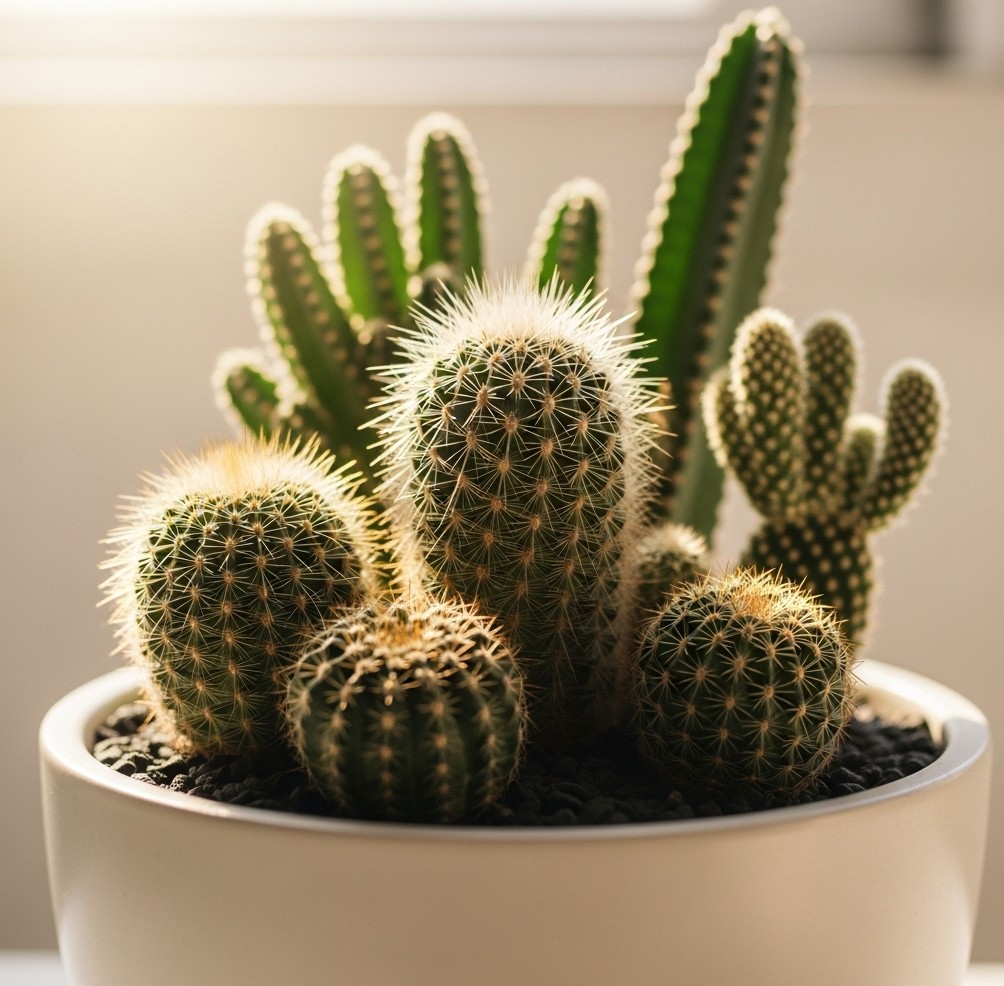
Not all cacti are giants. Some, like the mammillarias (*Mammillaria* spp.), are the pocket-sized philosophers of the cactus world, their globular forms brimming with a quiet, understated charm. These diminutive wonders, often no larger than a golf ball, pack their lives into tight, spiny spheres, their lifespans ranging from a few decades to a century. Yet within their compact frames lies a world of complexity. The genus *Mammillaria* alone boasts over 200 species, each a unique masterpiece of adaptation, from the snow-white spines of *M. candida* to the fiery red blooms of *M. blossfeldiana*. Their longevity is a study in efficiency; by conserving water and nutrients in their fleshy bodies, they turn adversity into an art form.
Gymnocalycium, another genus of diminutive marvels, takes this compact brilliance a step further. Native to South America, these cacti are often called “chin cacti” for their distinctive, chin-like protrusions. Their lifespans mirror those of their mammillaria cousins, but their appeal lies in their diversity. From the pale, ghostly *G. baldianum* to the deep green *G. mihanovichii*, each species is a study in subtle elegance. Their ability to thrive in the cracks of rocks and the crevices of cliffs speaks to an evolutionary cunning, a reminder that even the smallest spaces can harbor extraordinary life.
The Ephemeral Elegance: Epiphyllum and Schlumbergera – The Orchids of the Cactus World
While most cacti are desert dwellers, some have traded sand for the lofty perches of rainforests, where they dangle like living chandeliers from the branches of trees. The epiphyllums (*Epiphyllum* spp.), often called “orchid cacti,” are a case in point. These climbing marvels eschew the arid rigors of their cousins in favor of humid, shaded canopies, their flat, leaf-like stems a stark contrast to the spiny sentinels of the desert. Their lifespans are shorter than their terrestrial kin—typically 20 to 50 years—but their blooms are nothing short of spectacular. A single flower, often the size of a dinner plate, unfurls in a riot of color, a fleeting spectacle that lasts but a night. To witness an epiphyllum in bloom is to understand the bittersweet poetry of impermanence; its beauty is as fleeting as the desert’s twilight.
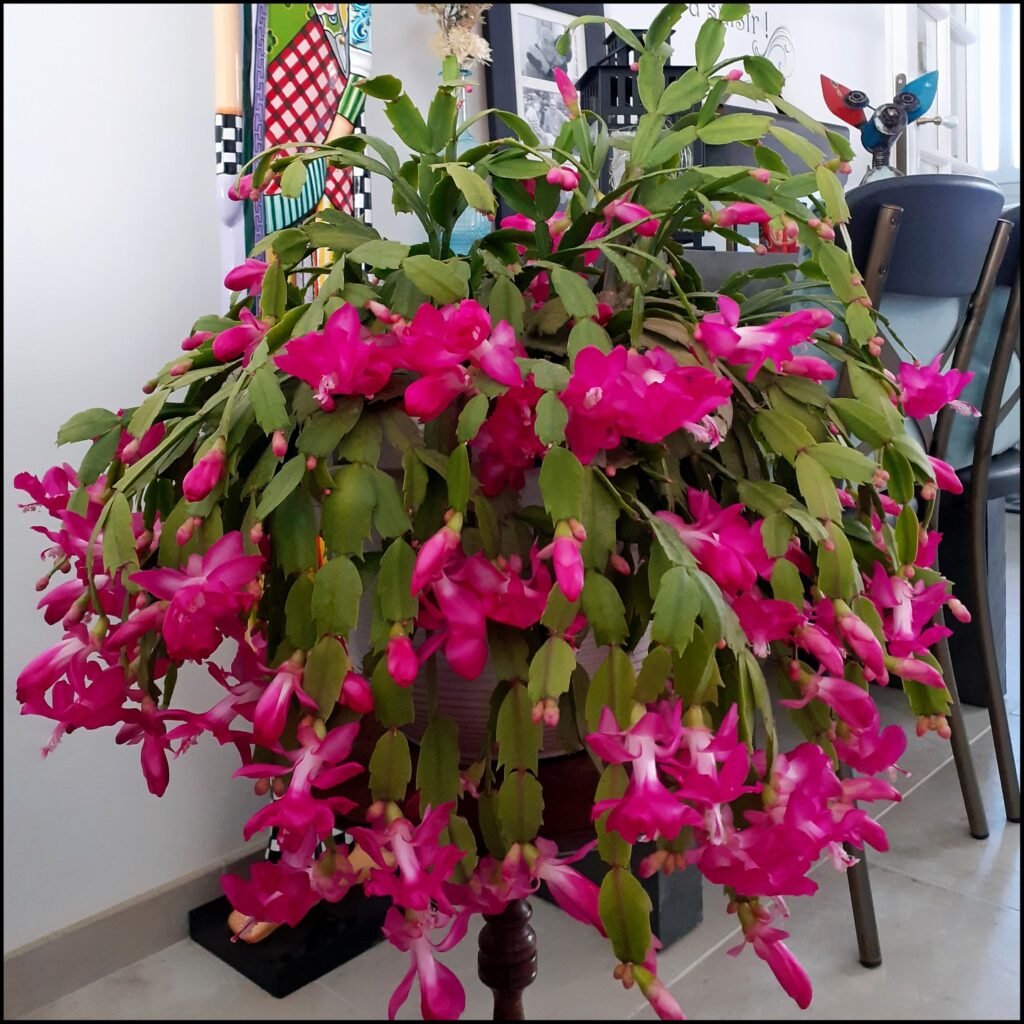
The Christmas cactus (*Schlumbergera* spp.) shares this ephemeral allure, its segmented stems cascading in a waterfall of pink, red, or white blooms during the winter months. Native to the cloud forests of Brazil, these cacti are a study in contrasts—soft, fleshy stems belied by their tough, waxy leaves. Their lifespans are similarly modest, but their ability to thrive in the dim light of indoor spaces has made them beloved companions in homes around the world. Like the epiphyllums, their blooms are a fleeting gift, a reminder that even in the coldest months, life persists in vibrant bursts of color.
The Hardy Survivors: Opuntia and Echinocactus – The Desert’s Unyielding Pioneers
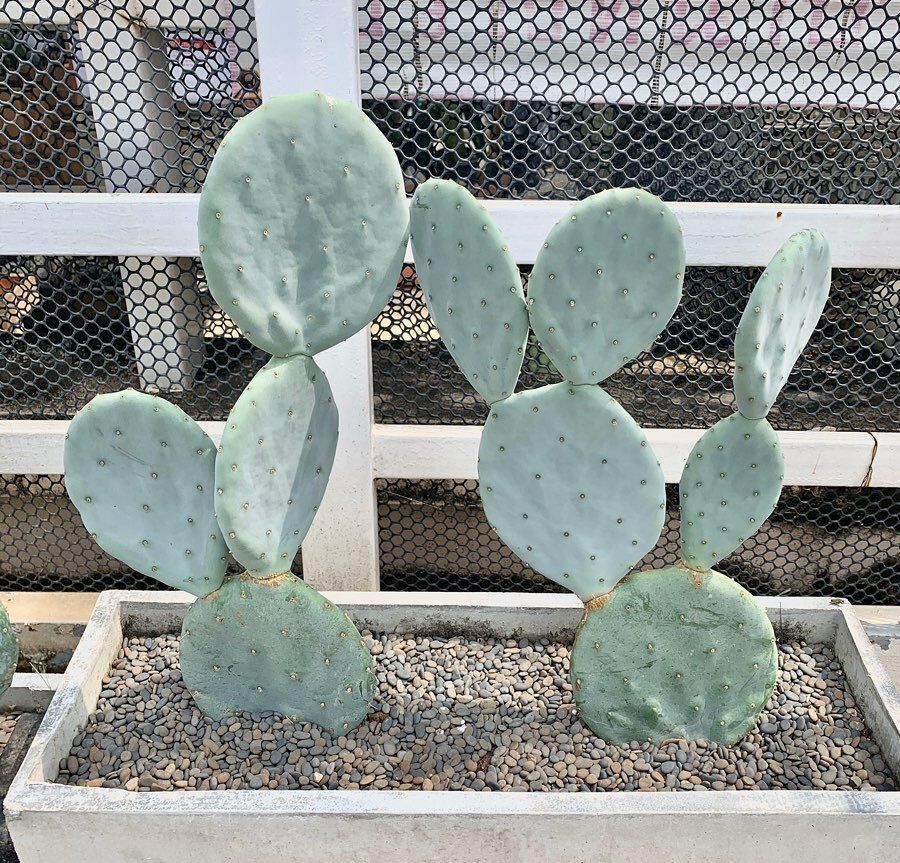
The opuntias (*Opuntia* spp.), or prickly pears, are the everymen of the cactus world—ubiquitous, adaptable, and endlessly resilient. Found from the Americas to the Mediterranean, these flat-padded wonders can live for decades, even centuries, their segmented pads a testament to their ability to regenerate and adapt. Some species, like the *Opuntia ficus-indica*, have been cultivated for millennia, their pads and fruits a staple in diets from Mexico to Italy. Their lifespans are a study in versatility; whether clinging to rocky cliffs or sprawling across sandy plains, opuntias thrive where few others dare to grow. Their spines, once a deterrent to predators, now serve as a reminder of nature’s ingenuity—a plant that turns defense into opportunity.
The barrel cacti (*Echinocactus* spp.) are another group of hardy survivors, their ribbed, spherical forms a symbol of the desert’s unyielding spirit. These cacti, which can live for 50 to 100 years, are masters of water conservation, their thick, waxy skins and deep ribs minimizing evaporation. Their blooms, a crown of yellow or pink flowers, are a fleeting but glorious reward for their patience. To see a barrel cactus in full bloom is to witness a triumph of adaptation, a plant that has turned the desert’s harshness into a canvas for beauty.
The Longevity Equation: Factors That Shape a Cactus’s Life
A cactus’s lifespan is not merely a matter of genetics; it is a delicate balance of environmental factors, each playing a role in the plant’s ultimate destiny. Water, the elixir of life, is both a cactus’s greatest ally and its most formidable foe. Too much, and the roots rot; too little, and the plant withers. The key lies in the cactus’s ability to store water in its fleshy tissues, a feat achieved through a network of shallow, widespread roots that snatch moisture from the briefest of rains. Soil composition is another critical factor. Sandy, well-draining soils mimic the cactus’s native habitats, allowing excess water to drain away while retaining just enough to sustain the plant. In contrast, heavy, clay-rich soils can spell doom for even the hardiest of species.
Climate, too, plays a pivotal role. Cacti in hot, arid regions like the Sonoran Desert may live for centuries, their slow growth a testament to their ability to endure. Those in cooler, high-altitude environments, such as the Andes, may have shorter lifespans but compensate with a resilience to frost and fluctuating temperatures. Even the angle of sunlight can influence a cactus’s longevity, with those in full, unobstructed sun thriving where shaded specimens struggle. To cultivate a cactus is to engage in a dialogue with these environmental factors, a partnership where the gardener must learn the language of spines and blooms.
The Legacy of the Cactus: A Symbol of Endurance and Adaptation
In a world where change is the only constant, cacti stand as a reminder that endurance is not merely about survival—it is about transformation. Their lifespans, whether measured in decades or centuries, are a testament to the power of adaptation, a lesson in turning adversity into art. From the towering saguaros that punctuate the desert skyline to the delicate epiphyllums that dangle from rainforest branches, each cactus is a story of resilience, a silent ode to the tenacity of life. To grow a cactus is to invite a piece of this endurance into your home, a living monument to the beauty of persistence. So the next time you encounter a cactus, take a moment to appreciate not just its spines or its blooms, but the centuries of quiet strength that lie within its fleshy heart.
FAQ
What is the lifespan of a saguaro cactus?
Saguaro cacti can live for 150 to 200 years, with some specimens exceeding 300 years.
How long do mammillaria cacti typically live?
Mammillaria cacti can live for a few decades up to 100 years.
What factors influence the lifespan of cacti?
Environmental factors such as water availability, soil composition, and climate play crucial roles in determining a cactus’s lifespan.


Leave a Reply