
Short Answer
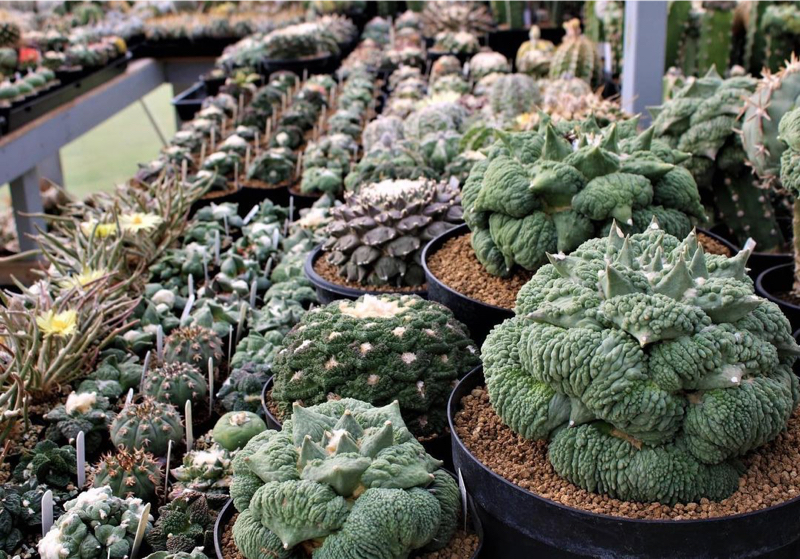
In the shadowed crevices of Mexico’s arid highlands, where the sun carves its name into the stone, a silent revolution blooms—not in protest, but in petals. The Ariocarpus, a genus of cacti so enigmatic they seem plucked from another epoch, has long been coveted by collectors and connoisseurs. Yet, beneath the allure of their geometric perfection lies a troubling undercurrent: the exploitation of their fragile ecosystems and the communities that steward them. Today, we embark on a journey to uncover the nurseries that are not just cultivating beauty, but cultivating change—where ethics and horticulture intertwine like the roots of an ancient mycorrhizal network.
The Ethical Imperative: Why Your Ariocarpus Shouldn’t Cost the Earth
Picture this: a delicate Ariocarpus fissuratus, its warty, star-like form cradled in the palm of a poacher’s hand, wrenched from its limestone cradle before it’s even had a chance to flower. This is not a scene from a dystopian novel, but a reality for far too many of these living fossils. The black market for wild-collected Ariocarpus is a hydra—cut off one head, and two more sprout in its place. Ethical sourcing isn’t just a buzzword; it’s a lifeline. When you purchase from a nursery that prioritizes propagation over plunder, you’re not just buying a plant—you’re investing in the survival of an entire biome. The best nurseries don’t just sell Ariocarpus; they sell stewardship, ensuring that these cacti’s future is written in soil, not stolen from the wild.
Nursery Spotlight: The Pioneers of Propagation
Among the verdant sprawl of ethical nurseries, a few stand out like rare blooms in a desert. Take, for instance, Cactus DNA, a sanctuary where Ariocarpus are not just grown but revered. Here, propagation is an art form, a dance between patience and precision. Their greenhouses hum with the quiet industry of seeds sown in sterile, controlled environments, free from the scars of wild harvesting. Each Ariocarpus is a testament to the nursery’s commitment to genetic diversity, ensuring that the offspring of these cacti carry the resilience of generations past. But they’re not alone. Pholder’s Hidden Gems—a collective of small-scale growers—has carved out a niche by specializing in the rarest of the rare, like the elusive Ariocarpus trigonus, cultivated with a tenderness usually reserved for orchids. These nurseries don’t just sell plants; they sell stories—of soil tested for purity, of water sourced sustainably, of communities uplifted by fair trade.
The Ripple Effect: How Your Purchase Empowers Communities
Every Ariocarpus you buy from an ethical nursery sends a ripple through the pond of global conservation. Consider the Desert Bloom Initiative, a program that partners with local Mexican farmers to cultivate Ariocarpus in controlled, off-site conditions. By providing these farmers with training, resources, and a stable income, the initiative turns poachers into protectors. It’s a radical shift: instead of stripping the land bare, these communities now have a vested interest in its preservation. Your purchase becomes a vote—a vote for the survival of the Ariocarpus, yes, but also for the dignity of the people who call these cacti’s homeland home. It’s a reminder that conservation isn’t just about saving species; it’s about saving lives.
Red Flags and Greenwashing: Navigating the Murky Middle
Not all nurseries that claim to be ethical are what they seem. The world of cactus cultivation is rife with greenwashing—nurseries that slap the word “sustainable” on their labels while still sourcing from wild populations. How do you spot the wolves in sheep’s clothing? Start with transparency. Ethical nurseries will happily share their propagation methods, their sourcing policies, even the names of the farmers they work with. They’ll cringe at the idea of wild-collected specimens and will offer detailed care instructions to ensure your Ariocarpus thrives without being replaced. Beware of nurseries that treat these cacti like disposable commodities, their prices fluctuating with the whims of the black market. True ethical growers price their plants fairly, reflecting the labor and love poured into each one—not the desperation of a dwindling wild population.
The Future in a Pot: What’s Next for Ariocarpus Conservation
The future of Ariocarpus is not written in stone, but in the careful hands of those who choose to cultivate them ethically. Innovations in tissue culture—a lab-based method of propagation—are revolutionizing the industry, allowing nurseries to produce Ariocarpus at scale without ever touching a wild plant. Meanwhile, blockchain technology is being explored to track the journey of each cactus from seed to shelf, ensuring that every purchase is verifiably ethical. But technology alone won’t save these cacti. It’s the collective shift in consumer consciousness that will turn the tide. When enough people demand ethics over expediency, the market will follow. The Ariocarpus of tomorrow won’t be a trophy on a collector’s shelf, but a thriving participant in a balanced ecosystem.
A Call to Action: Your Role in the Revolution
So, what can you do? Start by asking questions. Before you click “buy,” inquire about the nursery’s sourcing practices. Support small growers who are doing things the right way. Share your knowledge—tell fellow enthusiasts where to find ethical suppliers. And most importantly, fall in love with the process. Growing an Ariocarpus from seed is a slow, meditative act of rebellion against the fast-paced, exploitative world of plant commerce. It’s a declaration that beauty should not come at the cost of the earth. The next time you cradle one of these living sculptures in your hands, remember: you’re not just holding a cactus. You’re holding the future.
FAQ
What is Ariocarpus and why is it important to conserve?
Ariocarpus is a genus of slow-growing, star-shaped cacti native to Mexico, prized for its unique appearance but vulnerable to overcollection and habitat destruction.
How do ethical nurseries contribute to Ariocarpus conservation?
They propagate Ariocarpus using sustainable methods, avoid wild collection, maintain genetic diversity, and support local communities through fair trade practices.
What risks are associated with buying Ariocarpus from unethical sources?
Purchasing wild-collected plants contributes to ecosystem degradation, threatens species survival, and can support illegal trade.
How can consumers verify the ethics of a nursery?
By requesting transparency about sourcing policies, propagation techniques, and partnerships, and by looking for nurseries that provide detailed care information and fair pricing.




Leave a Reply