

Short Answer
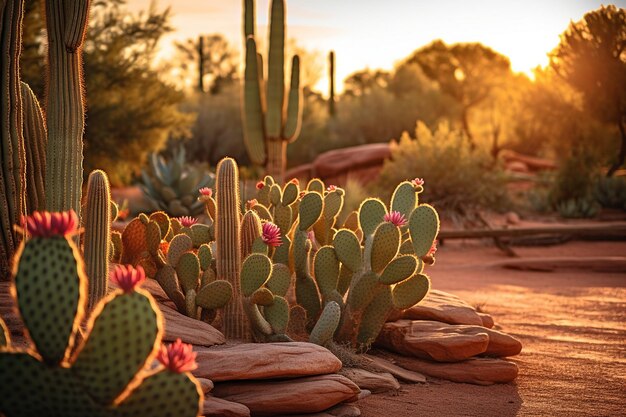
The humble cactus, a symbol of resilience in the arid landscapes of the Americas, is facing an existential challenge. As climate change reshapes global weather patterns, these succulent sentinels of the desert are under siege. Rising temperatures, shifting precipitation regimes, and extreme weather events are not merely altering their habitats—they are rewriting the very rules of survival for entire cactus genera. From the towering saguaros of the Sonoran Desert to the diminutive golden barrel cacti of Mexico, the future of these botanical marvels hangs in a delicate balance. What does the future hold for cactus genera in a warming world? The answer is as complex as the ecosystems they inhabit, and it demands a closer look at the intricate interplay between climate science, botany, and conservation.
The Thermodynamic Tightrope: How Rising Temperatures Reshape Cactus Physiology
Cacti are masterful thermoregulators, their thick, waxy skins and water-storing tissues evolved to thrive in environments where temperatures routinely soar past 104°F (40°C). Yet, as global mean temperatures climb, even these desert-dwelling titans are being pushed to their physiological limits. The first casualties are often the most specialized species—those with narrow thermal tolerances, like the Pediocactus and Sclerocactus genera, which occupy high-altitude niches where frost and heat stress once maintained a delicate equilibrium.
Under prolonged heat stress, cacti undergo a cascade of metabolic disruptions. Photosynthesis, the lifeblood of these plants, becomes less efficient as stomata (the tiny pores that regulate gas exchange) close to conserve water. This slows growth and reduces carbon fixation, leaving cacti more vulnerable to pests and pathogens. Worse still, heat shock proteins—molecular chaperones that protect cellular machinery—are overwhelmed, leading to protein denaturation and cell death. The result? A silent die-off of species ill-equipped to adapt, their once-vibrant spines now standing as skeletal reminders of a climate that no longer exists.
But not all cacti are created equal. Some, like the Ferocactus and Echinocactus genera, exhibit a remarkable plasticity, their metabolic pathways shifting to prioritize survival over growth. These “climate generalists” may dominate future landscapes, outcompeting their more specialized kin. Yet even they face a reckoning: as temperatures breach 122°F (50°C) in regions like the Mojave Desert, even the hardiest species may succumb to the relentless march of climate change.

Precipitation Paradox: Droughts, Deluges, and the Cactus Conundrum
If heat is the silent killer, then water is the double-edged sword of climate change. The paradox? Cacti, which evolved to endure prolonged droughts, are now grappling with both water scarcity and water excess—two extremes that are equally devastating. In regions like the Chihuahuan Desert, where precipitation patterns are becoming increasingly erratic, cacti face a cruel irony: they may starve in the absence of rain or drown in the deluges of a rapidly warming atmosphere.
Drought, the more insidious of the two, triggers a cascade of physiological responses. Cacti enter a state of suspended animation, their metabolic rates plummeting to conserve energy. Yet, this survival strategy comes at a cost. Reduced photosynthesis means less energy for reproduction, and over time, populations dwindle. Species like Mammillaria and Epithelantha, which rely on seasonal rains to trigger flowering, may find their reproductive cycles out of sync with the environment. The result? A generation of cacti that bloom too early or too late, their seeds scattered in vain.
On the opposite end of the spectrum, extreme rainfall events—once rare in desert ecosystems—are becoming more frequent. When torrential downpours overwhelm the soil’s capacity to absorb water, cacti face a different kind of threat: root rot. The porous, well-draining soils that cacti depend on become waterlogged, suffocating their roots and fostering the growth of pathogenic fungi. Species like Opuntia (prickly pear) and Nopalea (a genus closely related to Opuntia) are particularly vulnerable, their shallow root systems ill-equipped to handle sudden inundations.
The precipitation paradox extends beyond the immediate effects. As climate change alters atmospheric circulation patterns, entire regions may shift from arid to semi-arid or even sub-humid climates. The Carnegiea gigantea (saguaro), for instance, may find its iconic Sonoran Desert home transformed into a landscape more akin to the grasslands of the Great Plains. The question is no longer whether cacti can adapt, but whether they can adapt fast enough.

Range Shifts and the Great Cactus Migration
As temperatures rise and precipitation patterns shift, cacti are embarking on a silent migration—one that is reshaping the geographic boundaries of their existence. The phenomenon, known as range shift, is not unique to cacti, but few plants embody the struggle as vividly. For some species, the journey is poleward; for others, it’s upward, into the cooler climes of mountain ranges. The challenge? The pace of climate change is outstripping the cacti’s ability to disperse.
Consider the Echinocereus genus, which includes the vibrant claret cup cactus. Historically confined to the southwestern United States and northern Mexico, these cacti are now creeping northward into areas that were once too cold for their survival. Yet, their migration is a slow, incremental process, limited by seed dispersal mechanisms and the availability of suitable microhabitats. In some cases, cacti are hitching rides on the backs of animals or the soles of hikers’ boots, but these accidental dispersals are no match for the speed of climate change.
For high-altitude species like Maihuenia (a cold-hardy cactus found in the Andes), the future is even more precarious. As temperatures rise, these cacti are being pushed to ever-higher elevations, where the air grows thinner and the growing season shorter. Eventually, they may reach a point where there is no higher ground to climb—a phenomenon known as mountaintop extinction. The Tephrocactus genus, native to the high Andes, is already exhibiting signs of this grim fate, with populations declining as their habitat vanishes.
The Great Cactus Migration is not just a story of loss; it’s also a tale of opportunity. As cacti expand into new territories, they may encounter novel ecological interactions. Some species could form symbiotic relationships with new pollinators or seed dispersers, while others might face competition from invasive plants that thrive in the altered climate. The outcome is uncertain, but one thing is clear: the cactus landscape of the future will look nothing like the one we know today.
Pests, Pathogens, and the Silent Invasion
Climate change is not just reshaping cacti’s physical environment—it’s also creating a perfect storm for pests and pathogens. Warmer temperatures accelerate the life cycles of insects and microbes, allowing them to overwhelm cacti that are already stressed by heat and drought. The result is a silent invasion, one that is as destructive as it is insidious.
Take the Dactylopius genus, a group of scale insects that feed on cactus sap. Under normal conditions, these pests are kept in check by natural predators and the cactus’s own defenses. But as temperatures rise, Dactylopius populations explode, their feeding frenzies leaving cacti weakened and vulnerable to secondary infections. Similarly, the Cactoblastis cactorum (cactus moth), an invasive species native to South America, is expanding its range northward, devastating Opuntia populations in the southeastern United States.
Fungal pathogens are another growing threat. Fusarium and Phytophthora species, which cause root rot and stem cankers, thrive in the warmer, wetter conditions that climate change is bringing. These pathogens are particularly devastating to young cacti, which lack the robust defenses of their mature counterparts. The Lophophora genus (peyote), already endangered due to overharvesting, is now facing an additional existential threat from these soil-borne fungi.
The interplay between climate change and pest/pathogen dynamics is a vicious cycle. As cacti become more stressed, their immune systems weaken, making them more susceptible to attack. In turn, the pests and pathogens flourish, further depleting cactus populations. The outcome is a downward spiral, one that could push already vulnerable species to the brink of extinction.

Conservation in the Age of Climate Change: Can Cacti Be Saved?
The future of cactus genera is not set in stone. While the challenges are daunting, there are glimmers of hope—innovative conservation strategies that could buy these resilient plants the time they need to adapt. The key lies in a multi-pronged approach, combining traditional conservation methods with cutting-edge technologies.
One promising avenue is assisted migration, the deliberate translocation of cacti to more suitable habitats. This controversial strategy involves identifying climate refugia—areas that will remain climatically stable despite global warming—and relocating threatened species to these safe havens. For example, the Pachycereus pringlei (Mexican giant cardon), a towering cactus native to Baja California, could be transplanted to higher elevations or more northerly latitudes where temperatures remain within its tolerance range.
Another approach is ex-situ conservation, the preservation of cactus species outside their natural habitats. Botanical gardens and seed banks are playing a crucial role in this effort, storing genetic material from threatened species for future restoration projects. The Cylindropuntia genus, which includes the iconic cholla cacti, is one such beneficiary of these efforts, with seeds preserved in facilities like the Desert Botanical Garden in Phoenix, Arizona.
Technology is also lending a hand. Drones equipped with thermal imaging can monitor cactus populations for signs of stress, while DNA sequencing is helping scientists identify genes associated with heat and drought tolerance. These genetic insights could be used to breed more resilient cacti, either through traditional selective breeding or genetic engineering. The Hylocereus genus (dragon fruit cacti), for instance, is being studied for its ability to thrive in high-temperature environments, offering a potential blueprint for climate-adapted cacti.
Yet, conservation alone is not enough. To truly safeguard cactus genera, we must address the root cause of their decline: climate change itself. This means reducing greenhouse gas emissions, protecting and restoring natural habitats, and fostering global cooperation to mitigate the worst effects of a warming planet. The fate of cacti is inextricably linked to our own—if we fail to act, we risk losing not just a symbol of the desert, but a vital component of Earth’s biodiversity.
The cactus is more than a plant; it’s a survivor, a testament to the power of adaptation. But even the most resilient species have their limits. The future of cactus genera hangs in the balance, a delicate dance between nature’s ingenuity and humanity’s choices. The question is no longer whether we can save the cacti, but whether we will.
FAQ
What causes physiological stress in cacti due to climate change?
Increased heat causes stomatal closure reducing photosynthesis, while heat shock proteins fail under extreme temperatures, damaging cells.
Why is water availability a paradox for cacti in changing climates?
Cacti are adapted to drought but face threats from both insufficient water and excess water due to irregular precipitation, leading to survival challenges.
What is mountaintop extinction for high-altitude cacti?
It is the loss of suitable habitat at higher elevations as temperatures rise, leaving no higher ground for species to migrate.
How do invasive pests impact cactus populations under climate change?
Warmer conditions enable pests like Dactylopius scale insects and Cactoblastis moths to proliferate and damage cacti beyond natural control.

Leave a Reply