

Short Answer
In the vast, sun-drenched landscapes of arid ecosystems, cacti stand as silent sentinels of resilience, their spiny silhouettes punctuating the horizon with an almost mythic presence. Yet beyond their ecological significance, these botanical marvels have woven themselves into the fabric of human culture, captivating the imaginations of collectors, gardeners, and casual observers alike. The allure of cacti transcends mere horticulture; it is a testament to humanity’s enduring fascination with the unconventional, the tenacious, the beautifully bizarre. As consumer preferences evolve, so too does the market for these desert-dwelling wonders, revealing a tapestry of trends, tastes, and unexpected passions. From the towering saguaros that dominate the Sonoran Desert to the diminutive, jewel-like lithops, the world of cacti is as diverse as it is enchanting. This exploration delves into the most popular cactus genera, unraveling the threads of sales data and consumer behavior that shape their prominence in the modern world.
The Enduring Allure of the Genus *Echinocactus*: Giants of the Desert
The genus *Echinocactus*, home to some of the most iconic cacti, commands a significant share of the market, its members celebrated for their spherical forms and formidable stature. Among them, the golden barrel cactus (*Echinocactus grusonii*) reigns supreme, its ribbed, ribbed body glowing with a luminous yellow-green hue that seems to capture the very essence of sunlight. This species, often affectionately dubbed the “mother-in-law’s cushion,” has become a staple in both indoor and outdoor collections, its hardy nature and striking appearance making it a favorite among novice and seasoned enthusiasts alike. Sales data reveals a consistent demand for *Echinocactus* species, particularly in regions with temperate climates where their slow growth and longevity align perfectly with the patience of dedicated growers. The psychological appeal of these cacti lies in their paradoxical combination of fragility and fortitude—delicate spines encasing a core of unyielding endurance. For urban dwellers, they offer a tangible connection to the wild, a pocket-sized oasis of the desert’s untamed spirit.
Columnar Cacti: The Vertical Ambitions of *Carnegiea* and *Pachycereus*
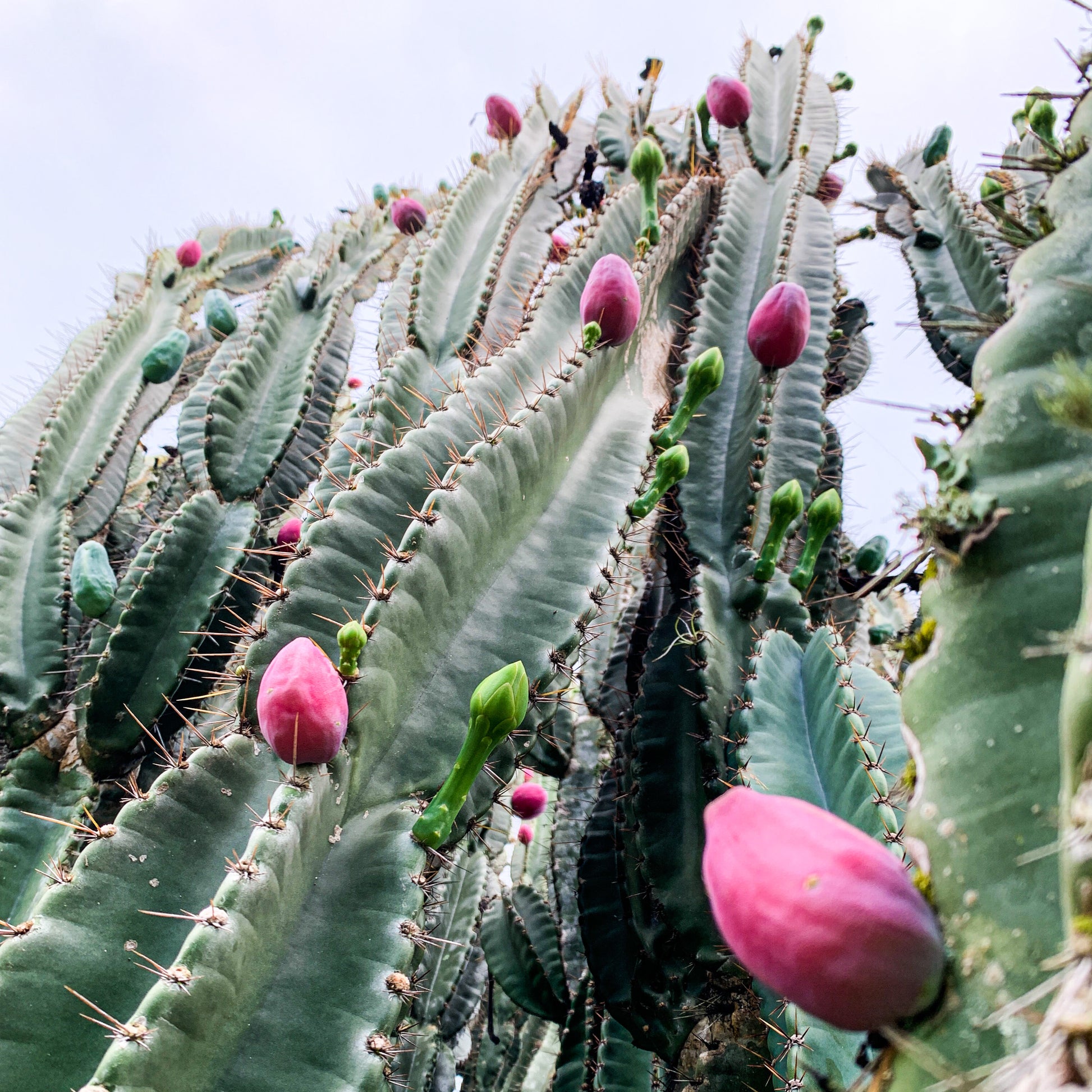
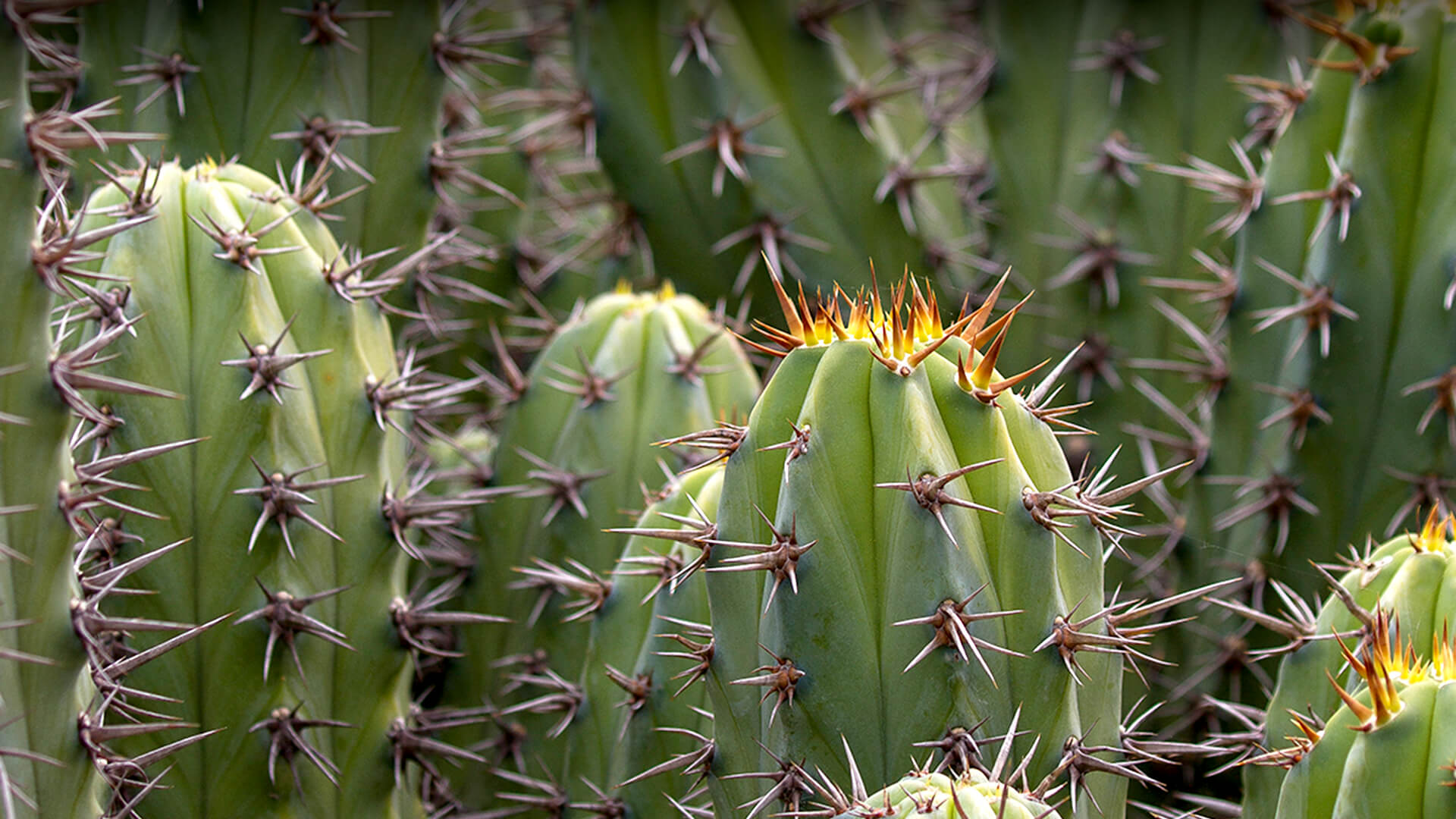
Towering above their globular counterparts, columnar cacti like the saguaro (*Carnegiea gigantea*) and the Mexican giant cardon (*Pachycereus pringlei*) evoke a sense of awe that few other plants can match. These arborescent behemoths, with their segmented arms reaching skyward, have become symbols of the American Southwest, their silhouettes etched into the collective imagination through countless films and photographs. The market for columnar cacti is niche but fervent, driven by collectors who seek to cultivate these slow-growing titans in their own landscapes. Their appeal lies in their architectural grandeur—a living sculpture that evolves over decades, its form a testament to the passage of time. However, their popularity is tempered by practical considerations; these cacti require ample space, ample sunlight, and a patience that borders on the monastic. Yet for those willing to invest, the rewards are immeasurable. The saguaro, in particular, has seen a surge in demand as climate change awareness grows, with many viewing its cultivation as an act of environmental stewardship—a way to bring a piece of the vanishing desert into their own backyards.
The Miniature Marvels: *Mammillaria* and the Rise of Desktop Deserts
In stark contrast to the towering columnar cacti, the genus *Mammillaria* offers a delightful counterpoint with its diminutive, often clustering forms. These “pincushion cacti” are the darlings of urban plant parents, their compact sizes making them ideal for windowsills, terrariums, and desk displays. The market for *Mammillaria* species has exploded in recent years, fueled by a growing trend toward micro-gardening and the desire for low-maintenance yet visually captivating flora. Species like *Mammillaria elongata* and *Mammillaria hahniana* are particularly sought after, their dense spines and vibrant flowers providing bursts of color in otherwise mundane spaces. The appeal of these cacti extends beyond their aesthetic qualities; they embody the modern ethos of sustainability, requiring minimal resources to thrive. Their popularity is also a reflection of shifting consumer values, with buyers increasingly prioritizing plants that align with their lifestyle—small, adaptable, and effortlessly stylish. For many, cultivating a collection of *Mammillaria* is not just a hobby but a form of self-expression, a way to infuse their personal spaces with a touch of the wild.
Epiphytic Cacti: The Airy Elegance of *Epiphyllum* and *Rhipsalis*
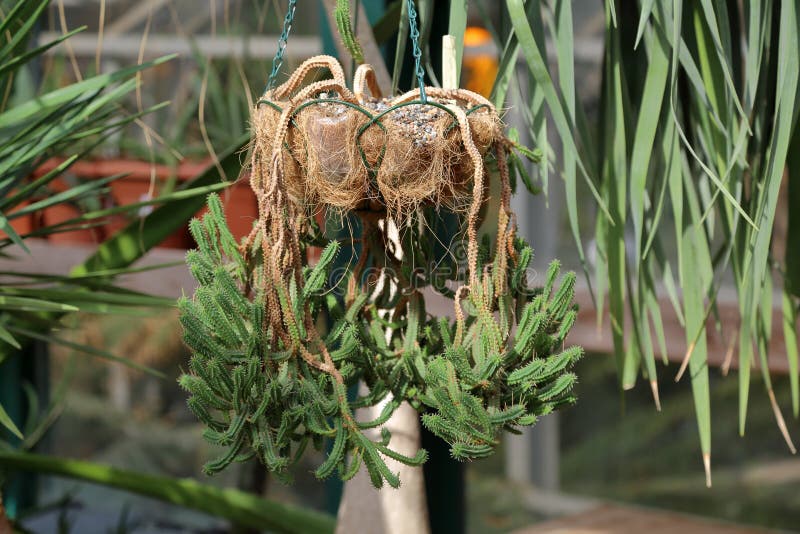
While the desert may be the first habitat that comes to mind when thinking of cacti, the epiphytic varieties—those that grow not in soil but on other plants—offer a refreshing departure from convention. Genera like *Epiphyllum* (commonly known as orchid cacti) and *Rhipsalis* (the mistletoe cactus) have carved out a unique niche in the market, their cascading stems and delicate blooms enchanting plant enthusiasts with a more tropical aesthetic. These cacti thrive in humid environments, their needs aligning perfectly with the indoor conditions of modern homes and offices. The sales data for epiphytic cacti reveals a growing interest in “jungle cacti,” as they are often marketed, particularly among younger demographics who seek to bring a touch of biophilic design into their living spaces. Their appeal lies in their versatility; they can be hung from ceilings, displayed on shelves, or even trained to climb trellises, offering endless possibilities for creative expression. Moreover, their flowering habits—often producing large, showy blooms—add an element of surprise and delight, making them a favorite for those who enjoy the anticipation of seasonal transformations.
Hybridization and the Cultivation of Novelty: The Case of *Gymnocalycium* and *Lobivia*
The world of cactus cultivation is not static; it is a dynamic, ever-evolving landscape shaped by the hands of breeders and the curiosity of growers. Hybridization has given rise to an astonishing array of novel forms, colors, and textures, with genera like *Gymnocalycium* and *Lobivia* leading the charge in innovation. These hybrids, often marketed under whimsical names like “Ruby Ball” or “Orange Delight,” cater to a consumer base that craves uniqueness and exclusivity. The market for hybrid cacti is driven by a desire for instant gratification—a plant that stands out from the crowd, that defies expectations. Sales data indicates that limited-edition or artificially colored cacti (such as those dyed in vibrant hues) experience particularly high turnover, though this trend is not without controversy. Purists argue that such practices detract from the natural beauty of cacti, while others see them as a celebration of human creativity. Regardless of perspective, the hybridization movement has undeniably expanded the horizons of what cacti can be, turning them into living works of art that blur the line between nature and design.
Sustainability and Ethical Considerations: The Shadow Side of Cactus Commerce
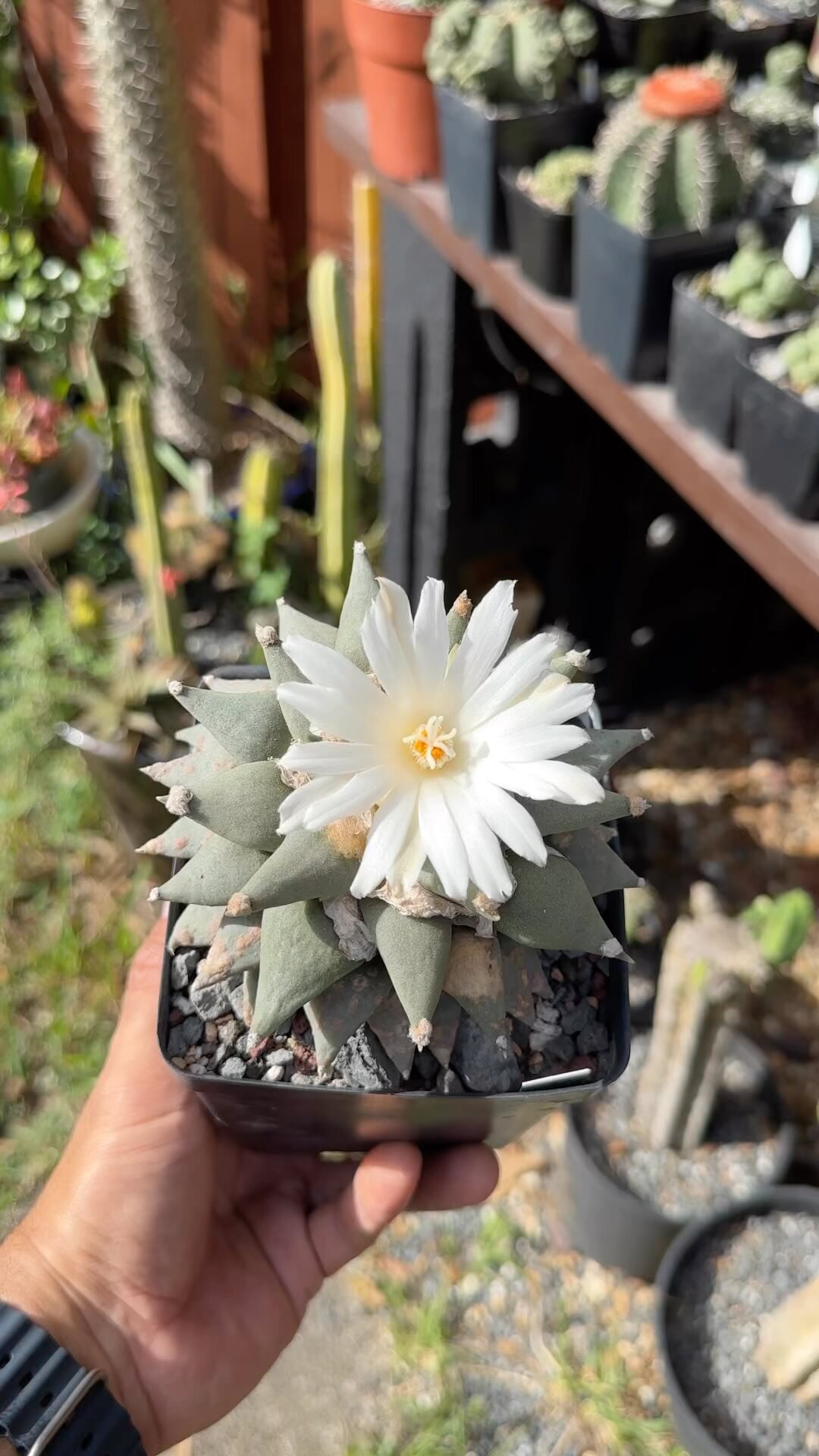
Amidst the enthusiasm for cacti, it is crucial to acknowledge the ethical complexities that underpin their popularity. The global trade in cacti, while a source of joy for millions, has also given rise to concerns about overharvesting, habitat destruction, and the exploitation of wild populations. Species like the *Ariocarpus* and *Turbinicarpus* are particularly vulnerable, their slow growth rates and specific habitat requirements making them prime targets for illegal collection. The market’s demand for rare and exotic specimens has led to a shadow economy where poaching and smuggling thrive, often at the expense of local ecosystems and indigenous communities. In response, ethical growers and conservationists have championed the cultivation of cacti from seed, emphasizing the importance of responsible sourcing and the preservation of genetic diversity. Consumers, too, are becoming more discerning, seeking out nurseries that prioritize sustainability and transparency. This shift reflects a broader cultural awakening, one that recognizes the interconnectedness of all living things and the responsibility that comes with nurturing the natural world. The future of cactus commerce may well hinge on our ability to balance our passion for these plants with a commitment to their protection.
The Future of Cactus Collecting: Trends and Predictions
As we look ahead, the cactus market is poised for further evolution, shaped by technological advancements, shifting cultural values, and the inexorable march of climate change. One emerging trend is the integration of cacti into vertical gardens and green walls, a response to the growing demand for urban greenery in densely populated areas. Another is the rise of “smart cacti,” plants equipped with sensors that monitor their health and growth, catering to the tech-savvy consumer. Additionally, the popularity of cacti in interior design shows no signs of waning, with interior designers increasingly incorporating them into minimalist and maximalist aesthetics alike. The market may also see a surge in interest for lesser-known genera, as collectors seek to diversify their collections and uncover hidden gems. Yet perhaps the most significant trend is the growing awareness of cacti as symbols of resilience and adaptability—a metaphor for humanity’s own capacity to thrive in the face of adversity. In a world marked by uncertainty, these desert dwellers offer a reminder of the beauty that can emerge from harsh conditions, a lesson that resonates deeply in our collective consciousness.
FAQ
What makes Echinocactus species popular among cactus enthusiasts?
Their spherical shape, hardy nature, and striking golden barrel cactus appearance make Echinocactus species favorites for both beginners and experienced growers.
Why are columnar cacti like the saguaro less common in home gardens?
Due to their large size, slow growth, and specific space and sunlight needs, columnar cacti are niche but highly valued by dedicated collectors.
How do miniature cacti like Mammillaria fit into modern consumer trends?
Their small size and low maintenance needs align with urban micro-gardening and indoor plant trends, appealing to space-conscious plant owners.
What role does hybridization play in the cactus market?
Hybridization introduces unique colors and forms that cater to consumers seeking novelty and exclusivity, expanding market diversity.

Leave a Reply