

Short Answer
There’s something quietly revolutionary about welcoming a new home with a cactus. In a world that often equates hospitality with softness—fluffy towels, plush throws, scented candles—these spiky sentinels offer a bold counterpoint. They don’t just decorate; they assert. They don’t just occupy space; they command it. And perhaps most importantly, they don’t just survive; they thrive on neglect, a subtle rebellion against the pressure to perform, to bloom, to be constantly “on.” For those moving into a new space, whether it’s a first apartment or a forever home, a cactus isn’t just a plant. It’s a statement. A living, breathing embodiment of resilience, independence, and the quiet power of standing firm in one’s own prickly glory.
The Symbolism of Spines: Why Cacti Speak to the Modern Dweller
Cacti are the botanical equivalent of a well-worn leather jacket—unapologetically themselves, weathered by time, and effortlessly cool. Their spines, often mistaken for mere defense mechanisms, are in fact a masterclass in adaptation. In arid landscapes, where water is scarce and the sun is relentless, these plants have evolved to conserve, to endure, to wait. There’s a profound metaphor here for modern living, where the pressure to be perpetually productive, endlessly available, and unfailingly polished can feel like a slow dehydration of the soul. A cactus in a new home whispers: *You don’t have to give everything all the time.* It’s a reminder that boundaries aren’t just healthy—they’re necessary. That strength isn’t found in yielding, but in standing tall, even when the world feels like it’s trying to flatten you.
Consider the act of gifting a cactus during a housewarming. It’s not just a plant; it’s an unspoken contract between giver and receiver. The giver acknowledges the recipient’s need for space, for self-sufficiency, for a home that doesn’t demand constant tending. The receiver, in turn, is gifted not just a decorative element, but a silent companion—one that grows slowly, deliberately, and without apology. It’s a far cry from the fleeting trends of fast home decor, where items are discarded as quickly as they’re acquired. A cactus, by contrast, is a long-term investment in character.

Practical Elegance: Cacti as the Ultimate Low-Maintenance Powerhouse
Let’s dispel the myth that low-maintenance means low-impact. A cactus in a new home is a study in understated luxury. It requires minimal water—often just a few sips every few weeks—making it the perfect antidote to the guilt of forgetting to tend to a plant. No elaborate watering schedules, no guilt-tripping over a wilted leaf. Just a resilient, self-sustaining presence that asks for almost nothing and gives back in spades: clean air, a touch of the exotic, and a daily reminder that beauty doesn’t require constant upkeep.
But practicality doesn’t mean plain. The variety within the cactus family is staggering, offering something for every aesthetic sensibility. A Mammillaria with its dense, spherical form and tiny white spines exudes a sense of cozy minimalism, while a Saguaro—tall, columnar, and iconic—commands attention like a piece of desert architecture. For those who prefer drama, the Echeveria family delivers rosettes of fleshy leaves in hues of dusty rose, deep purple, or even silvery-blue, each one a living sculpture. And then there’s the Christmas Cactus, a holiday favorite with cascading blooms that defy the stereotype of cacti as prickly and austere. Each type brings its own personality to a space, proving that resilience and style are not mutually exclusive.
The versatility of cacti extends beyond their forms. They thrive in terrariums, where their sculptural qualities are magnified under glass, creating a miniature ecosystem that feels like a portal to another world. They pair beautifully with sleek, modern planters in matte black or terracotta, or with rustic wooden stands that ground their spiky silhouettes. Even in a minimalist setting, a single cactus on a windowsill can become the focal point, a conversation starter, a silent guardian of the space.
The Psychology of Prickles: How Cacti Foster a Sense of Security
There’s an undeniable psychological comfort in the presence of a cactus. In a world where so much feels uncertain—job stability, climate change, political upheaval—the cactus offers a tangible sense of control. It’s a living entity that responds predictably to care (or lack thereof), its needs simple and its rewards immediate. Water it too much, and it protests with rot. Neglect it entirely, and it soldiers on, unfazed. This reliability is a balm in an era where so many things feel beyond our grasp.
Moreover, the spines of a cactus serve as a subtle metaphor for self-protection. In a new home, where boundaries are being established and personal space is being claimed, a cactus can act as a visual reminder: *This is my domain. I am allowed to set limits.* It’s no coincidence that many cultures associate cacti with defense and fortitude. In Mexican folklore, for example, the cactus is a symbol of endurance and protection, often planted around homes to ward off negative energy. Whether you’re a skeptic of superstition or a believer in the power of symbolism, there’s something undeniably empowering about surrounding yourself with objects that reinforce your own strength.
For those who’ve just moved into a new space, the arrival of a cactus can feel like a ritual of claiming. It’s a way to say, *This is mine. I am here. I am growing.* And in a society that often equates success with speed, with constant motion, with never stopping to rest, a cactus is a radical act of patience. It grows at its own pace. It blooms when it’s ready. It doesn’t apologize for taking up space.
Cacti in Context: Styling Your Space with Intention
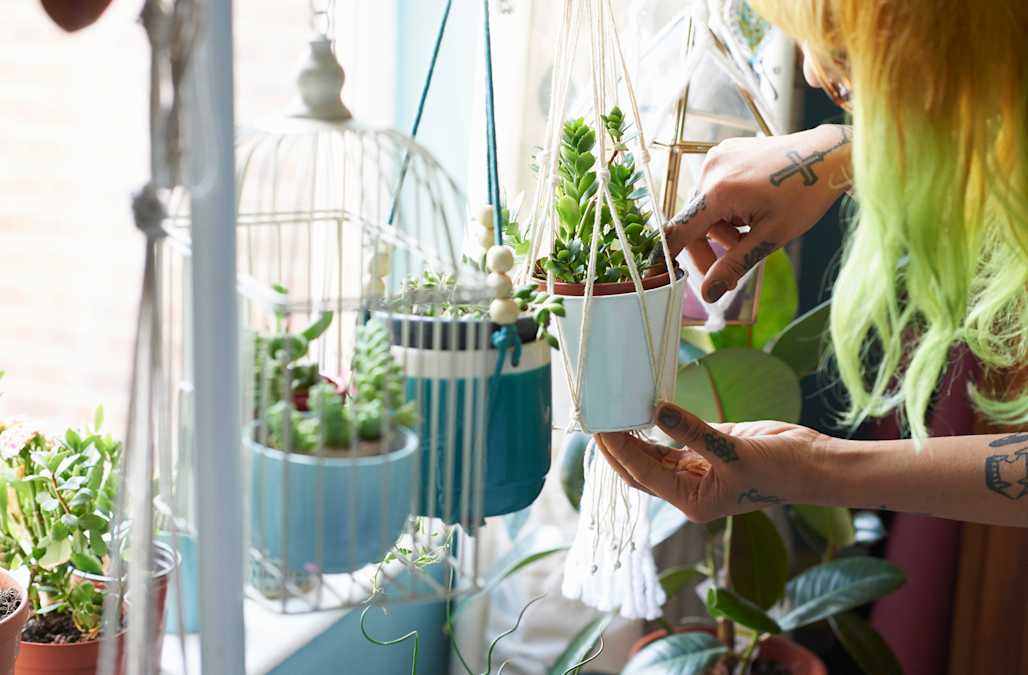
The key to incorporating cacti into a home isn’t just about placing them randomly on surfaces. It’s about curating an environment that reflects their unique energy. Start with the vessel. A cactus in a mass-produced plastic pot feels like an afterthought, but one in a hand-thrown ceramic or a handwoven basket feels intentional, almost sacred. Consider the placement: a cluster of small cacti on a bookshelf creates a textured, organic vignette, while a single, towering specimen in a corner can anchor a room with its quiet authority.
Lighting is another crucial element. Cacti thrive in bright, indirect light, so a south-facing window is ideal. But if your space is dim, don’t despair. Many cacti, like the Snake Plant (though not a true cactus, it shares similar care requirements), can tolerate lower light. Pairing a cactus with other desert-inspired elements—sand-colored textiles, woven rattan, or even a piece of driftwood—can create a cohesive aesthetic that feels both intentional and effortless.
And then there’s the art of arrangement. A cactus terrarium isn’t just a plant; it’s a miniature world. Layering sand, pebbles, and moss around the base of a cactus can evoke a desert landscape, while adding small figurines or crystals can infuse personality. The goal isn’t perfection, but harmony—a space that feels alive, not just decorated.
The Gift That Keeps on Giving: Why Cacti Make the Perfect Housewarming Present
Housewarming gifts often fall into predictable categories: kitchen gadgets, scented candles, generic decor. But a cactus? A cactus is a gift that transcends the ordinary. It’s a living, growing entity that will outlast the novelty of a blender or the fleeting scent of a candle. It’s a reminder that the best gifts aren’t just things—they’re experiences, relationships, and the quiet joy of watching something thrive under your care.
When you gift a cactus, you’re not just giving a plant. You’re giving a philosophy. You’re acknowledging the recipient’s need for space, for self-sufficiency, for a home that feels like a sanctuary rather than a showroom. You’re saying, *I see you. I respect your boundaries. I want you to grow.* And in a world where so many gifts are transactional, that’s a radical act of generosity.
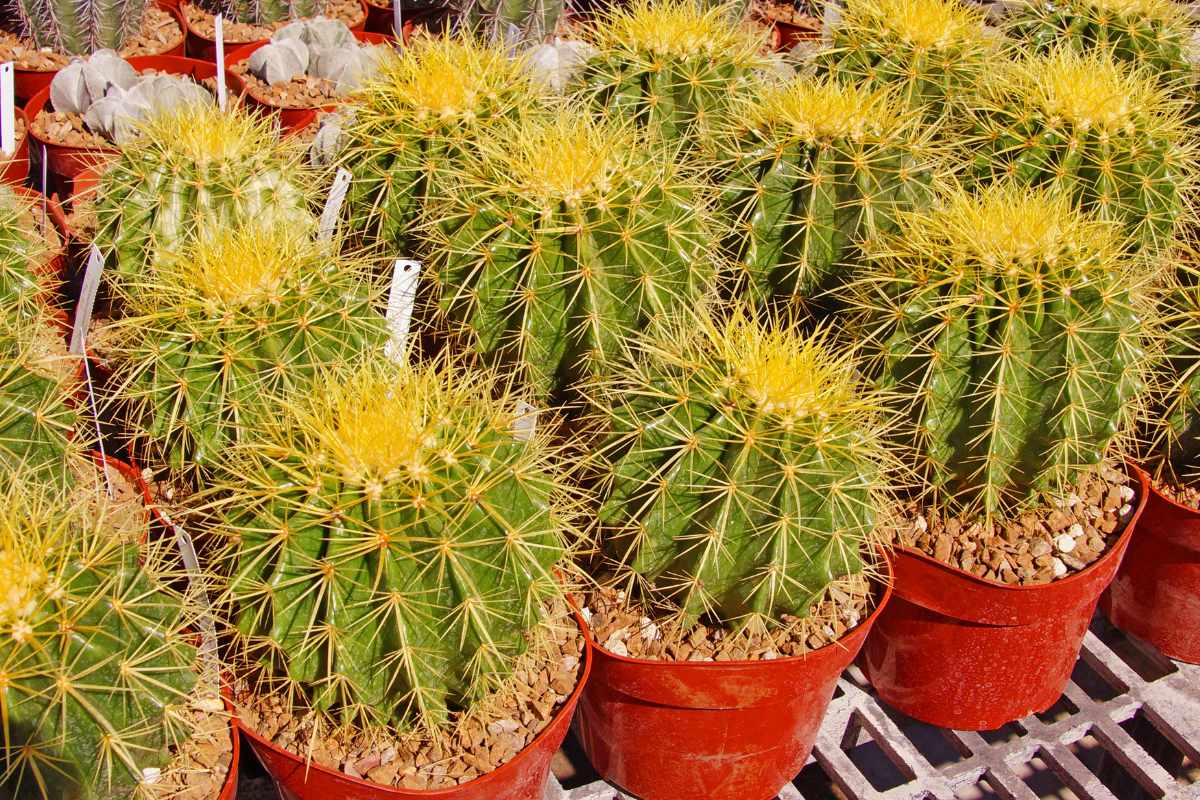
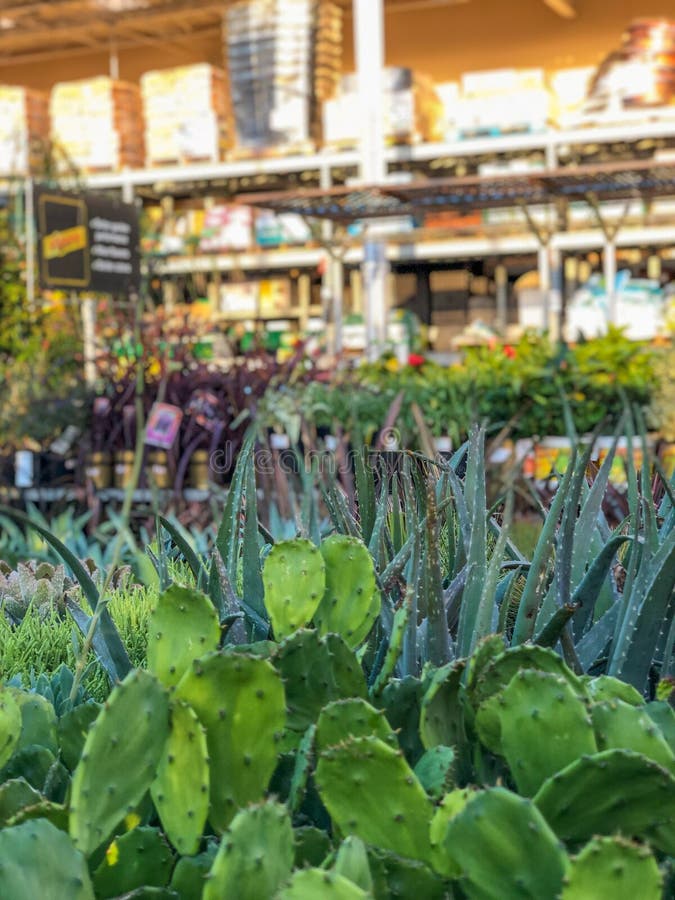
So the next time you’re invited to a housewarming, skip the generic mug set. Bring a cactus instead. Choose one with care, perhaps a Barrel Cactus for its bold, rounded form or a Prickly Pear for its vibrant pads. Pair it with a handwritten note about its resilience, its symbolism, its quiet strength. And watch as the recipient’s face lights up—not just with gratitude, but with the realization that they’ve just been gifted something far more valuable than a trinket. They’ve been gifted a companion for the journey ahead.
FAQ
Why are cacti a good housewarming gift?
Cacti are low-maintenance, symbolic of resilience, and serve as unique decor that lasts longer than traditional gifts.
What types of cacti are best for indoor spaces?
Popular indoor cacti include Mammillaria, Echeveria, and Christmas Cactus, each offering unique aesthetics and care requirements.

Leave a Reply