
Short Answer
Arizona, with its stunning desert landscapes, is home to a diverse array of cactus species. The arid climate, paired with rich soil and abundant sunlight, creates a flourishing environment for these unique plants. This guide aims to introduce you to some of the most popular cactus species found in Arizona, helping you understand their characteristics, care requirements, and how they can enhance your garden or landscape.
Cacti are more than just prickly plants; they have adapted remarkably to survive in some of the most inhospitable environments on Earth. Understanding these types and their particular needs is essential for anyone interested in adding them to their collection or landscape. Below, we’ll explore notable varieties, addressing common buyer concerns such as maintenance, aesthetics, and resilience.
Let’s delve into the captivating world of Arizona cacti.
Understanding the Most Common Species of Cacti in Arizona
Arizona hosts an intriguing variety of cacti, each with distinct features. While many folks might be familiar with the iconic saguaro, numerous adaptations among other species make them equally worthy of attention.
Saguaro Cactus (Carnegiea gigantea)
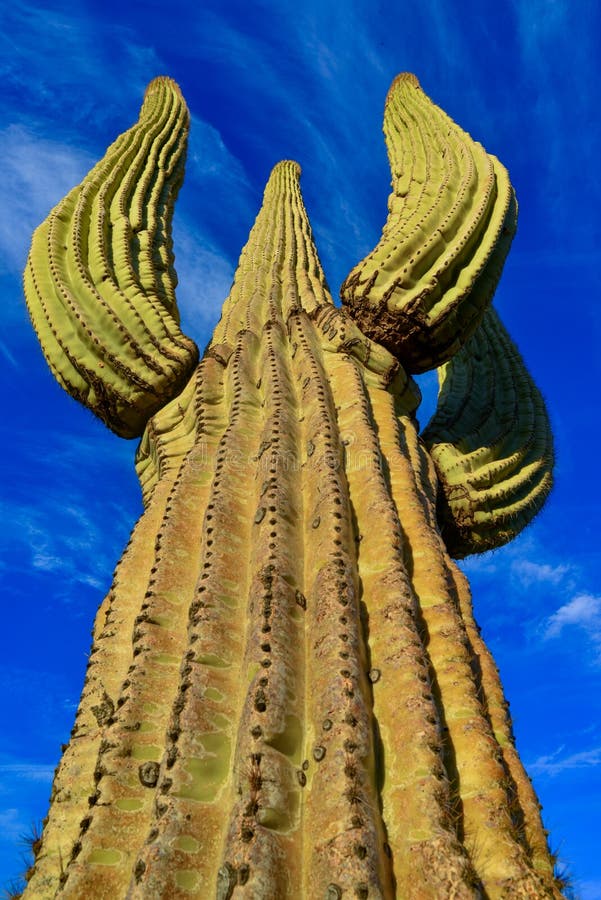
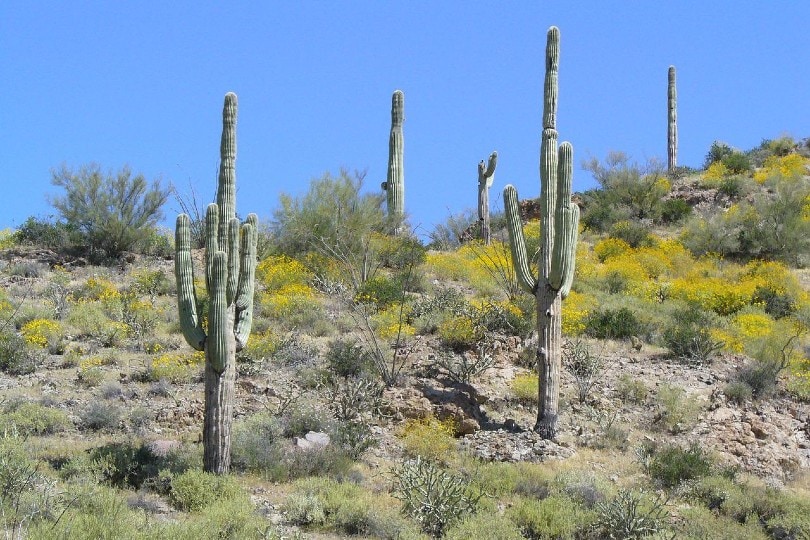
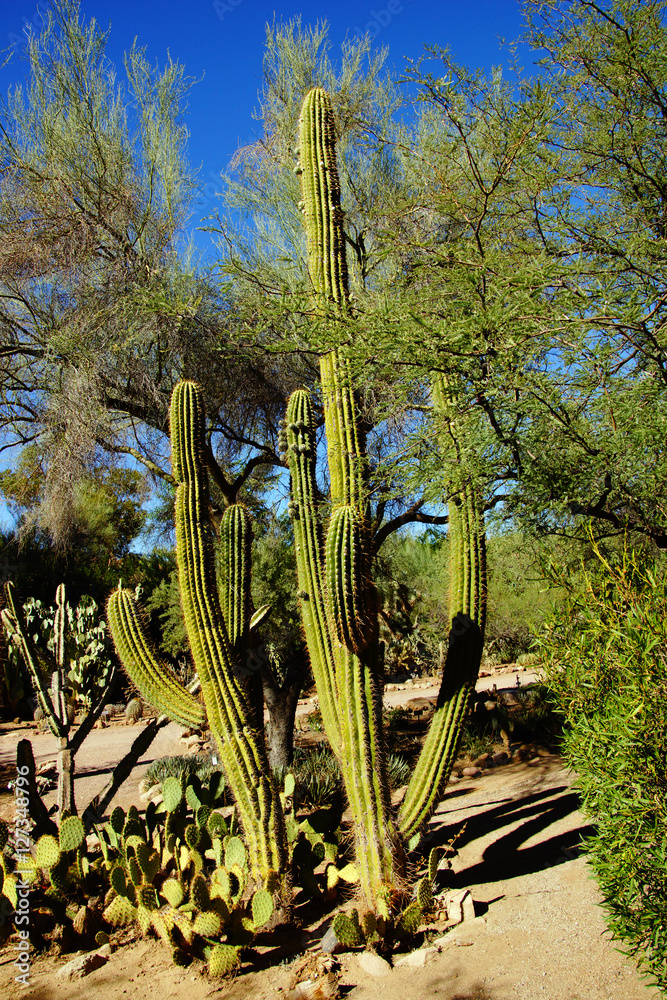
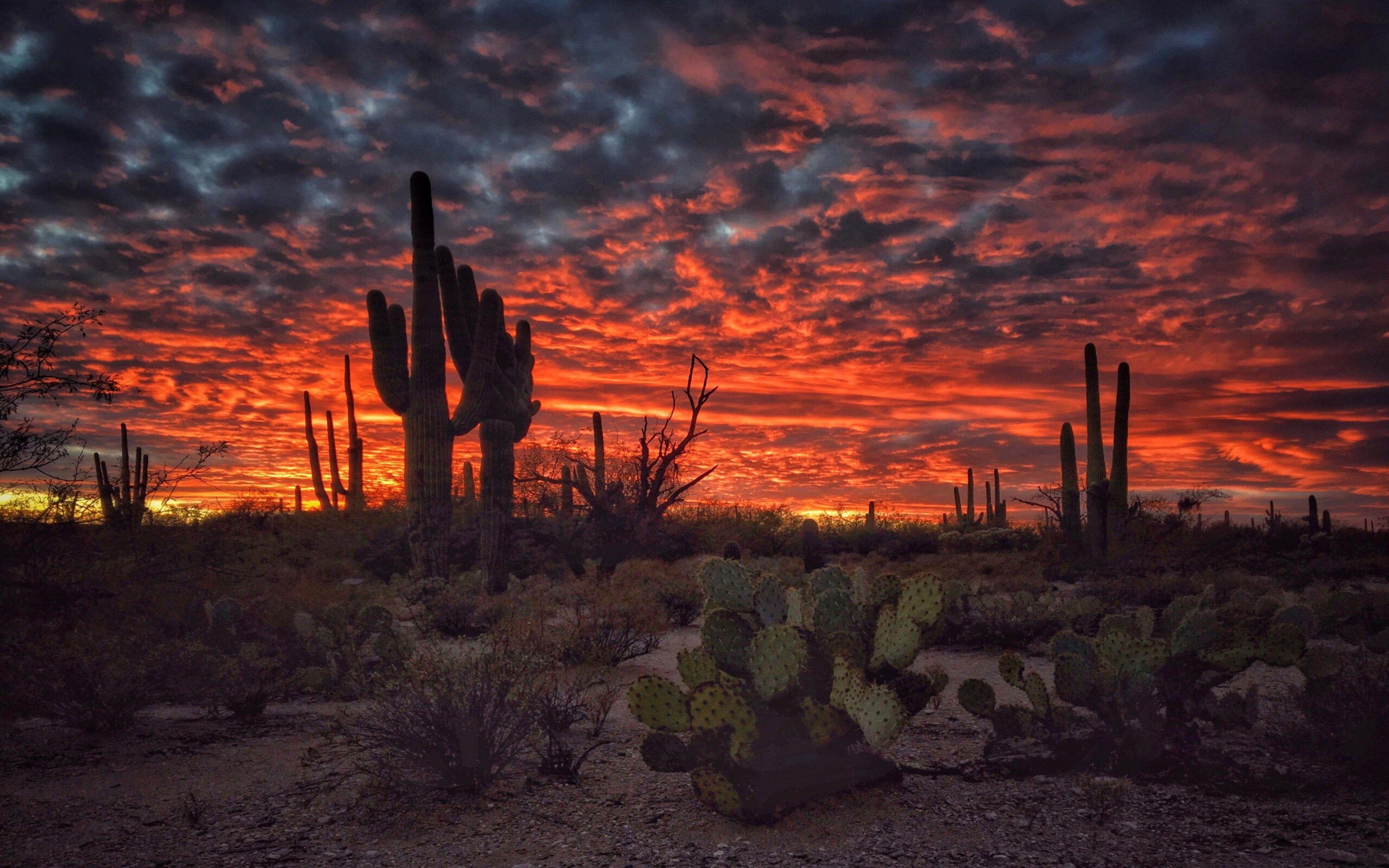
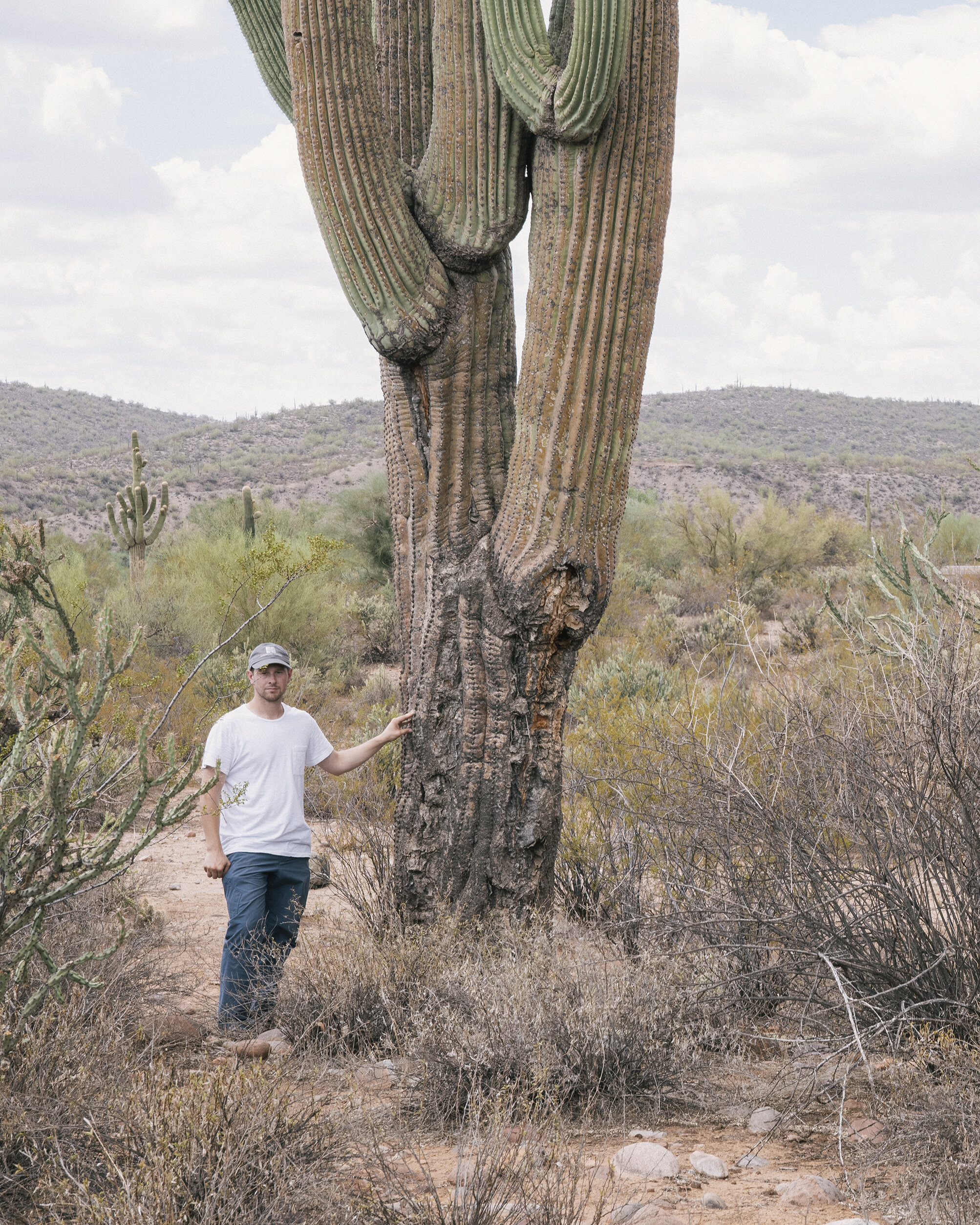
The Saguaro cactus is perhaps the most iconic representation of the American Southwest. Known for its towering structure and distinctive arm-like branches, the Saguaro can grow to be over 40 feet tall and live for over 150 years. Its impressive stature makes it a symbol of the Arizona desert.
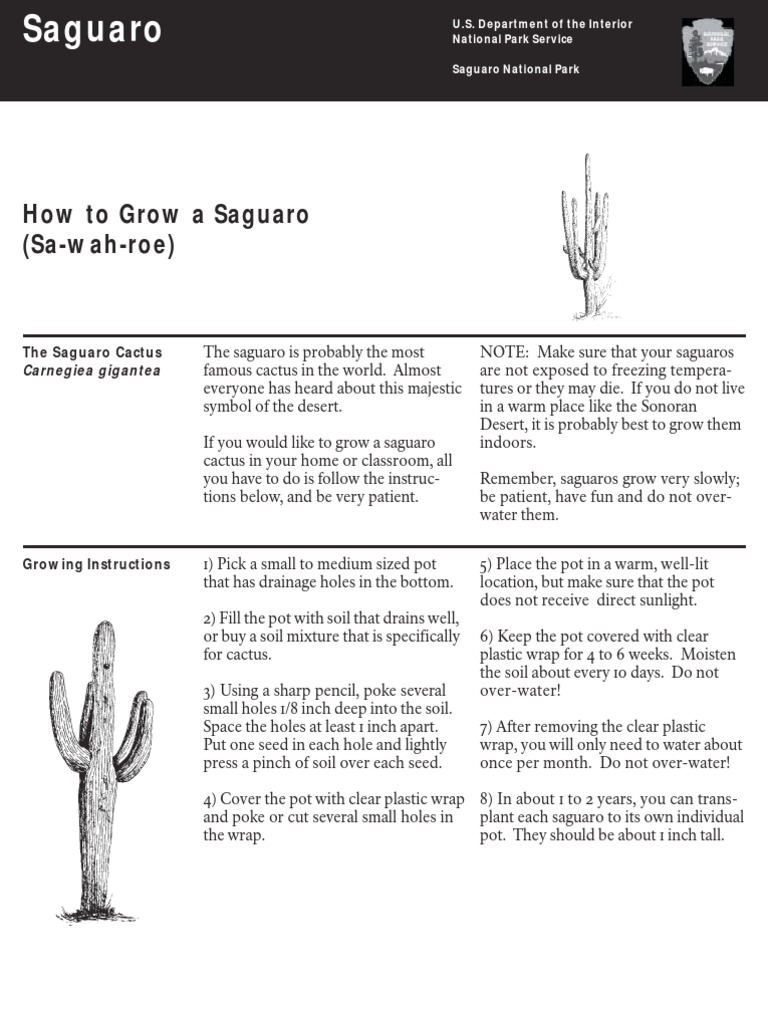
They thrive in full sun and require well-draining soil. Watering is infrequent, typically only during the monsoon season or when the soil is exceptionally dry. A common buyer concern is space; these giants need room to grow, so be mindful of their proximity to structures when planting.
Barrel Cactus (Ferocactus)
Barrel cacti come in various sizes, with some species reaching heights of 10 feet. Their round, barrel-like shape provides a striking presence in any landscape. Notably, they feature pleats that allow them to expand after rain, storing water efficiently.
Their vibrant flowers bloom in stunning yellows, reds, and pinks during springtime, making them a popular choice for decorative landscaping. Care involves minimal watering, mainly when established, and protection from frost in colder regions. Buyers value their resilience and low-maintenance needs.
Cholla Cactus (Cylindropuntia)
Cholla cacti are known for their unique branching segments and colorful blossoms. Various species, such as the Teddy Bear Cholla, are recognized for their dense spines that can easily detach and attach to passersby, earning them a notorious reputation for being prickly.
Chollas grow well in well-drained soils and require little water once established. However, their tendency to propagate quickly can raise concerns for some gardeners. This aggressive nature means careful planning is needed to ensure they do not overtake your garden space.
Paddle Cactus (Opuntia)
The Paddle cactus, or prickly pear, is renowned for its flat pads and vibrant fruits known as “tunas.” These cacti are not only visually appealing but are also edible. Their fruits and pads can be harvested for culinary uses, appealing to buyers interested in edible landscaping.
These cacti thrive in well-drained soil and require regular watering during the growing season but should be allowed to dry between waterings. They present a great choice for urban gardening, as their unique shape and color attract attention.
Distinctive Characteristics and Cultivation Tips
When considering planting cacti in Arizona, it’s crucial to understand their distinct care needs and the ecological benefits they present.
Watering
One significant concern for cactus beginners is watering. Most Arizona cacti are drought-resistant and prefer infrequent watering. Overwatering can lead to root rot, making it essential to assess the dryness of the soil before adding moisture. Investing in a soil moisture meter can be beneficial for novice gardeners.
Soil Composition
Choosing the right soil is vital. Arizona cacti thrive in sandy, well-draining soil because they cannot tolerate waterlogged conditions. A mixture of sand, perlite, and potting soil can work effectively. Moreover, incorporating gravel at the base ensures adequate drainage.
Temperature and Sunlight Exposure
Cacti flourish in full sunlight, and during the hot summer months, providing direct sunlight supports optimal growth. However, it is essential to monitor them during the colder months, as some species can be sensitive to frost and freezing temperatures.
Conclusion: Cultivating Appreciation for Arizona’s Cactus Diversity
Exploring the various types of Arizona cacti reveals the fascinating adaptations of these plants. With unique forms, colors, and growth habits, they offer something for every type of gardener. Whether you wish to showcase the grandeur of the Saguaro or the vibrant blooms of the Prickly Pear, incorporating cacti in your landscape is an investment in sustainability and beauty.
By understanding the specific requirements and characteristics of these plants, you can successfully cultivate a garden that mirrors the arid elegance of the Arizona desert while addressing buyer concerns related to care and maintenance. Ultimately, integrating these iconic cacti into your outdoor space can create a striking, low-maintenance oasis.
FAQ
What are the most common cactus species found in Arizona?
The most common cactus species in Arizona include the Saguaro, Barrel, Cholla, and Paddle (Prickly Pear) cacti.
How often should I water Arizona cacti?
Arizona cacti are drought-resistant and typically require infrequent watering, usually only during the monsoon season or when the soil is very dry.
Can I eat parts of the Paddle cactus?
Yes, the Paddle cactus (Opuntia) produces edible pads and fruits called tunas, which are commonly used in culinary applications.
What type of soil is best for growing Arizona cacti?
Arizona cacti thrive in sandy, well-draining soil mixtures that include sand, perlite, and potting soil, with gravel at the base to ensure proper drainage.
Are all Arizona cacti suitable for indoor gardening?
While some Arizona cacti can be grown indoors, most, like the Saguaro, require ample space and full sunlight, making them better suited for outdoor gardens.
Leave a Reply