
Short Answer
Creating the ideal environment for cacti involves more than just placing those hardy plants in a pot and waiting for them to thrive. The secret to their success lies within the soil. Understanding what comprises cactus soil can transform your approach to caring for these incredible plants. But what exactly makes up perfect cactus soil, and why is it essential? Let’s delve into the intricate components that provide cacti with the nutrients and drainage they so desperately crave.
The Essence of Cactus Soil
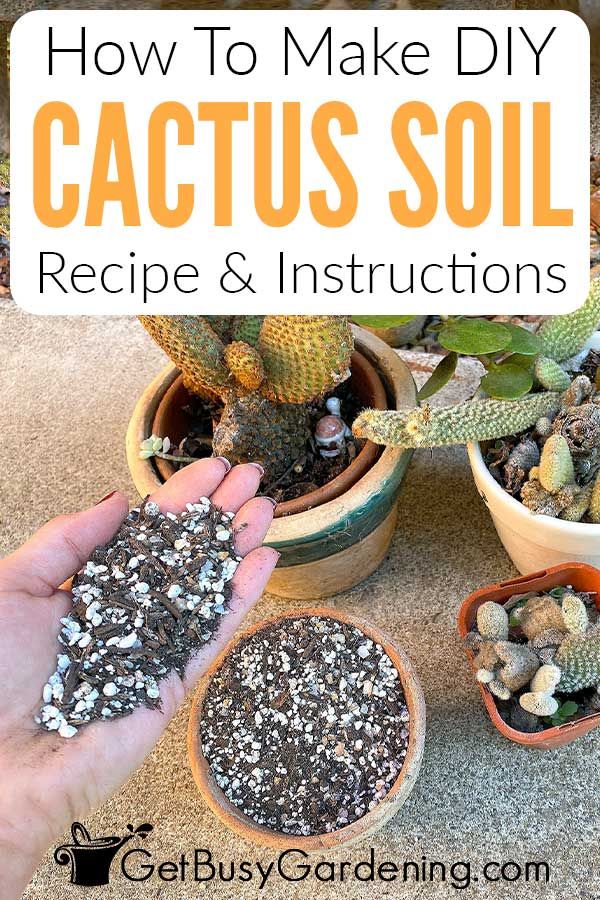
At its core, cactus soil is not merely a concoction of earth and sand; it is a specialized medium designed to replicate the natural conditions of a cactus’s native environment. The ingredients that make up this distinctive soil blend are tailored to address the unique requirements of cacti, which are adapted to arid climates. Understanding the primary constituents of cactus soil is crucial for any enthusiast who wishes to cultivate resilient and vibrant plants.
Soil Base: The Foundation of Nutrients
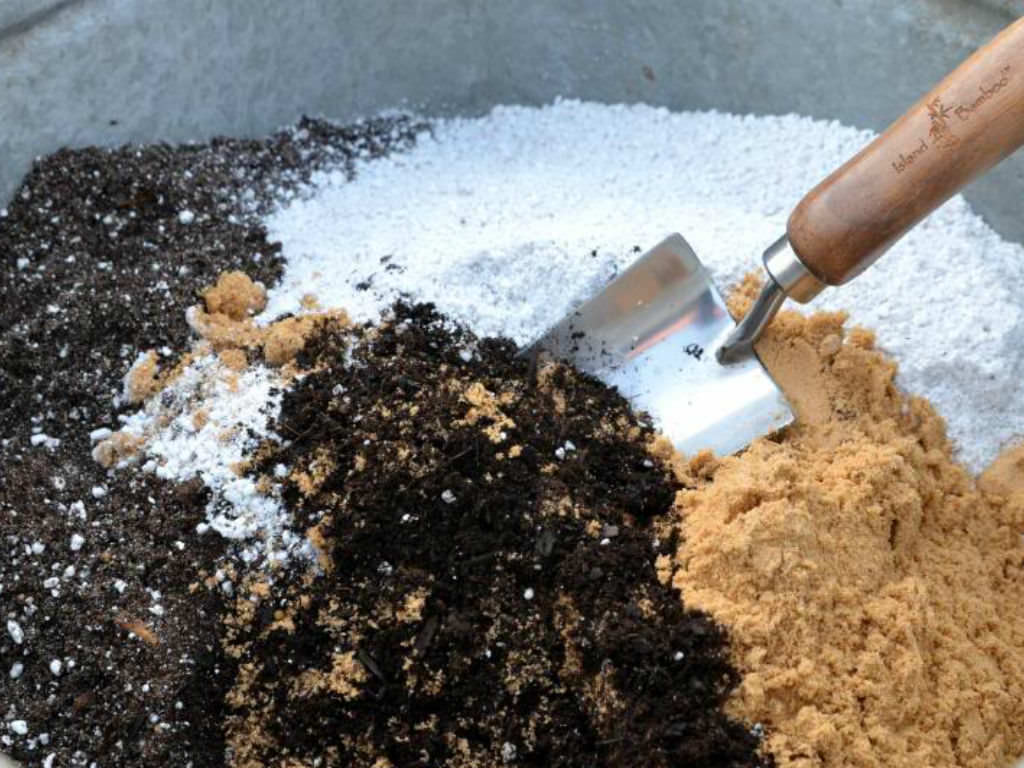
The first component of cactus soil is its base. Generally, this provides the bulk of the mixture and plays a vital role in water retention and aeration. Common bases include:
– Potting Soil: Traditionally, potting soil serves as a foundation for various houseplants. While it can retain moisture, it requires modification with other ingredients for cactus use.
– Coconut Coir: This sustainable option adds organic matter while allowing for excellent drainage and aeration. Coconut coir breaks down slowly, releasing nutrients over time.
– Peat Moss: Known for its water retention abilities, peat moss can be mixed into cactus soil but should be used sparingly. Its capacity to retain moisture might lead to root rot if overused in a cactus mix.
Each of these bases contributes to creating a balanced environment that mimics a cactus’s natural habitat, promoting healthy growth.
Drainage Material: Avoiding Root Rot
Cacti are renowned for their resilience in arid conditions, but they are equally sensitive to excess moisture. Effective drainage is paramount, and this is where drainage materials come into play. The most prevalent options include:
– Perlite: An inorganic volcanic glass, perlite is lightweight and enhances soil aeration while providing exceptional drainage. Its use in cactus soil is near-ubiquitous, facilitating the expulsion of excess moisture.
– Pumice: Pumice not only offers excellent drainage but is also rich in essential minerals. Its porous nature allows for air circulation around the roots, preventing soil compaction.
– Gravel: Often added to provide additional heft, gravel helps create a solid base at the bottom of the pot and permits water to flow freely out of the soil.
Combining these materials ensures that cactus roots are not merely surviving but thriving in an optimal environment.
Nutrient-Enhanced Additives: The Secret to Vibrancy
While cacti are often characterized as low-maintenance plants, they do require minimal nutrients to grow robustly. The inclusion of nutrient-enhanced additives elevates the strength and vitality of the plant. Consider these commonly used ingredients:
– Worm Castings: This organic fertilizer provides a slow-release source of nutrients without overstimulating cacti. Worm castings are rich in beneficial microorganisms that contribute to a healthy soil ecosystem.
– Bone Meal: A slow-release fertilizer rich in phosphorus, bone meal promotes healthy root and flower development. When added judiciously, it encourages flowering in species that produce blooms.
– Osmocote or Similar Slow-Release Fertilizers: These fertilizers are designed for extended effectiveness, supporting growth over several months. They provide essential nutrients in measured doses, ensuring cacti remain well-fed without the risk of over-fertilization.
Incorporating these additives not only boosts nutrient levels but enriches the life of the soil itself, cultivating a habitat bustling with microbial activity.
pH Balance: The Often Overlooked Factor
Another critical aspect of cactus soil that cannot be ignored is its pH level. Cacti thrive best in slightly acidic to neutral conditions (between 6.0 and 7.0 pH). Soil with the wrong pH can impede nutrient absorption, ultimately stunting growth. To maintain the ideal pH balance, consider:
– Testing Kits: Test kits are available at many gardening centers and provide an easy way to assess the pH of your cactus soil.
– Adjusting Additives: If the pH skews too high, incorporating sulfur or peat can help lower it. Conversely, lime can be added to raise the pH.
Achieving the correct pH is a simple yet highly effective step toward ensuring your cactus receives all it needs to flourish.
Conclusion: Crafting the Ideal Cactus Soil
Understanding the components of cactus soil is the first step toward fostering a thriving cactus collection. By selecting the right base, ensuring excellent drainage, incorporating nutrient-rich additives, and balancing the pH, any plant enthusiast can create an ideal environment for these remarkable succulents. Take the time to explore and experiment with various combinations of ingredients, knowing that your diligence will result in healthier plants, richer blooms, and an altogether more gratifying gardening experience.
FAQ
What ingredients make up cactus soil?
Cactus soil typically includes a base (potting soil, coconut coir, or peat moss), drainage materials (perlite, pumice, gravel), and nutrient additives (worm castings, bone meal, slow-release fertilizers).
Why is drainage important in cactus soil?
Drainage materials prevent waterlogging and root rot by allowing excess water to escape, which is critical for cactus health.
How can I test and adjust the pH of cactus soil?
Use a soil pH testing kit to measure acidity, then add sulfur or peat moss to lower pH or lime to raise pH to the ideal 6.0-7.0 range.
Can I use regular potting soil for my cactus?
Regular potting soil needs to be amended with drainage materials and nutrient additives to create a suitable environment for cacti.
What are the benefits of adding worm castings to cactus soil?
Worm castings enrich the soil with beneficial microorganisms and provide a slow-release source of nutrients without overfeeding.

Leave a Reply