
Short Answer
Repotting Gymnocalycium cacti is a vital practice that ensures these charming succulents continue to thrive and exhibit their unique, sculptural beauty. Their captivating spines and distinctive ribbed structures make them a favorite among succulent enthusiasts, but without proper care, especially during repotting, the roots can suffer damage leading to stunted growth or health complications. In this guide, you’ll discover comprehensive tips and techniques for repotting Gymnocalycium with care, emphasizing root health and long-term vitality. From selecting the right soil mix to understanding root anatomy, this narrative will equip you with the knowledge to handle your cacti like a seasoned horticulturist.
Understanding the Unique Root System of Gymnocalycium
Before diving into repotting procedures, it’s essential to appreciate the subtle intricacies of Gymnocalycium roots. Unlike many other succulents, their roots tend to be relatively delicate and fibrous, rather than thick and fleshy. This fine root system allows for efficient absorption of water and minerals but makes them susceptible to mechanical injury during handling. The roots exhibit a moderate depth and can spread laterally, so choosing the appropriate pot size and soil medium directly impacts their overall health. Protecting these roots during repotting is paramount; an inadvertently snapped or bruised root could invite pathogens or slow down the cactus’s growth.

Choosing the Right Time to Repot Gymnocalycium
Timing is everything when it comes to repotting Gymnocalycium cacti. The optimal window is during the early growing season—typically late spring to early summer. During this phase, the cactus is actively growing, and root recovery is faster. Avoid repotting in the dormant winter months or during periods of excessive heat, when the plant is stressed. Observe your cactus for signs indicating the need for repotting: slowed growth, roots emerging from drainage holes, or soil that dries out too quickly. Acting promptly ensures your Gymnocalycium will adapt smoothly to its new environment.
Selecting the Perfect Pot and Soil Mix for Optimal Root Health
Choosing an appropriate container is an often underestimated factor that influences root vitality. Gymnocalycium prefers shallow, well-draining pots with ample aeration. Terra cotta or unglazed ceramic pots are excellent options—they promote moisture evaporation and prevent root rot. Ensure the pot has sufficient drainage holes to avoid water stagnation.
Equally critical is the soil composition. A gritty mix that mimics the cactus’s natural habitat is ideal: combine coarse sand, pumice, and a small amount of organic matter like composted bark or coconut coir. This blend supports aeration, prevents compaction, and facilitates swift drainage. Pre-moisten the soil lightly before repotting to provide immediate comfort for the roots.
Step-by-Step Guide to Repotting Gymnocalycium Safely
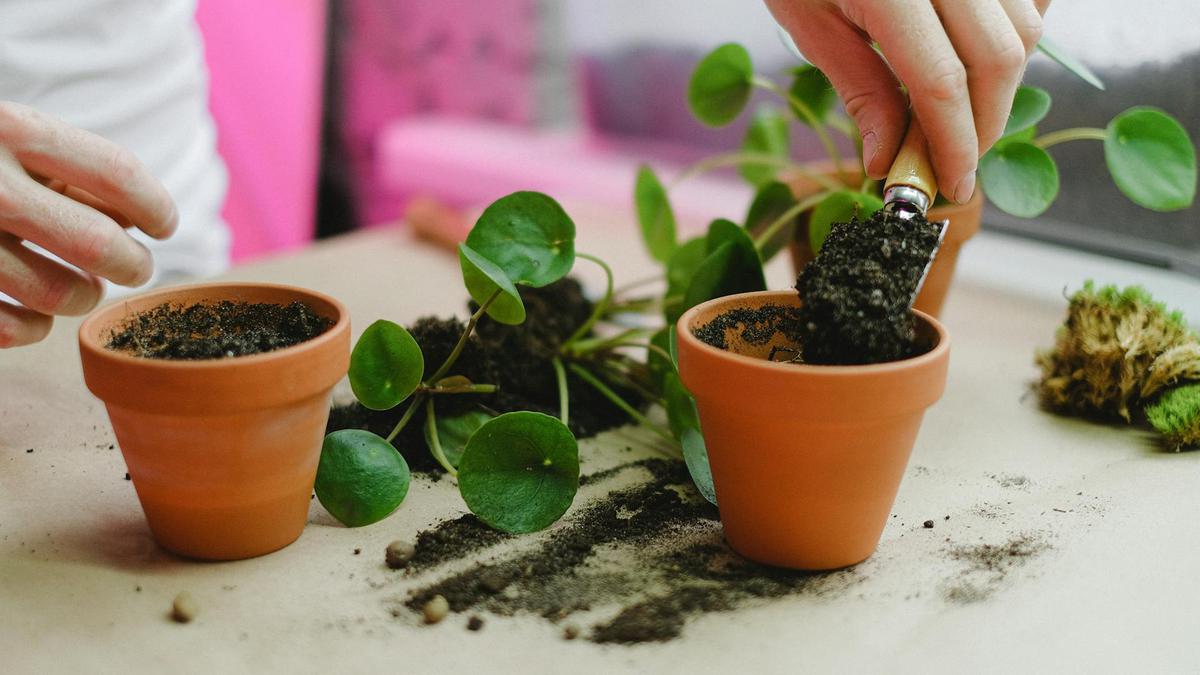
Begin by gently loosening the root ball from the existing pot. Tap the sides and bottom of the container to facilitate movement. If the root ball resists, use a thin spatula or wooden stick around the edges, taking great care to avoid piercing the roots. Once free, inspect the roots meticulously—trim any that appear blackened, mushy, or diseased using sterilized pruning shears.
Allow the trimmed roots to callous over for 24 to 48 hours in a dry, shaded spot. This step reduces the risk of infection upon replanting. Meanwhile, prepare your new pot by sprinkling a layer of the prepared cactus soil to create a stable base. Center the Gymnocalycium root ball onto this layer, making sure to position the cactus upright and at the same depth as before. Fill in around the sides with more soil, gently firming it to eliminate air pockets but avoiding over-compaction.
After repotting, resist the urge to water immediately. Delaying watering for about a week allows traumatized roots to settle and reduces chances of rot. When you do water, apply a light amount and then gradually increase frequency as the plant shows signs of new growth.
Post-Repotting Care: Nurturing for Resilience and Growth
Once your Gymnocalycium is nestled comfortably in its new home, focus shifts to careful aftercare. Position the cactus in bright, indirect sunlight initially—intense direct sun can cause transplant shock. Maintain moderate temperatures, avoiding drafts and extremes. Regularly check for signs of stress like discoloration or shriveling, which might indicate watering or lighting imbalances.
Fertilizing should be minimal right after repotting—wait about a month before introducing a diluted, balanced cactus fertilizer during the growing season. This ensures energy goes towards root establishment rather than supporting top growth prematurely.
Common Mistakes to Avoid When Repotting Gymnocalycium
Even experienced gardeners can stumble when repotting these sensitive cacti. Overwatering remains the primary pitfall, often leading to root rot. Remember, Gymnocalycium thrives on modest hydration and fast-draining substrates. Another error is selecting oversized pots—too large a pot retains excess moisture and delays root growth. Additionally, rushing the repotting process can cause inadvertent root damage, so patience and gentleness are key. Lastly, exposing the freshly repotted cactus to intense sunlight or extreme temperatures can exacerbate transplant shock.
Special Considerations for Cristate and Bicolor Varieties
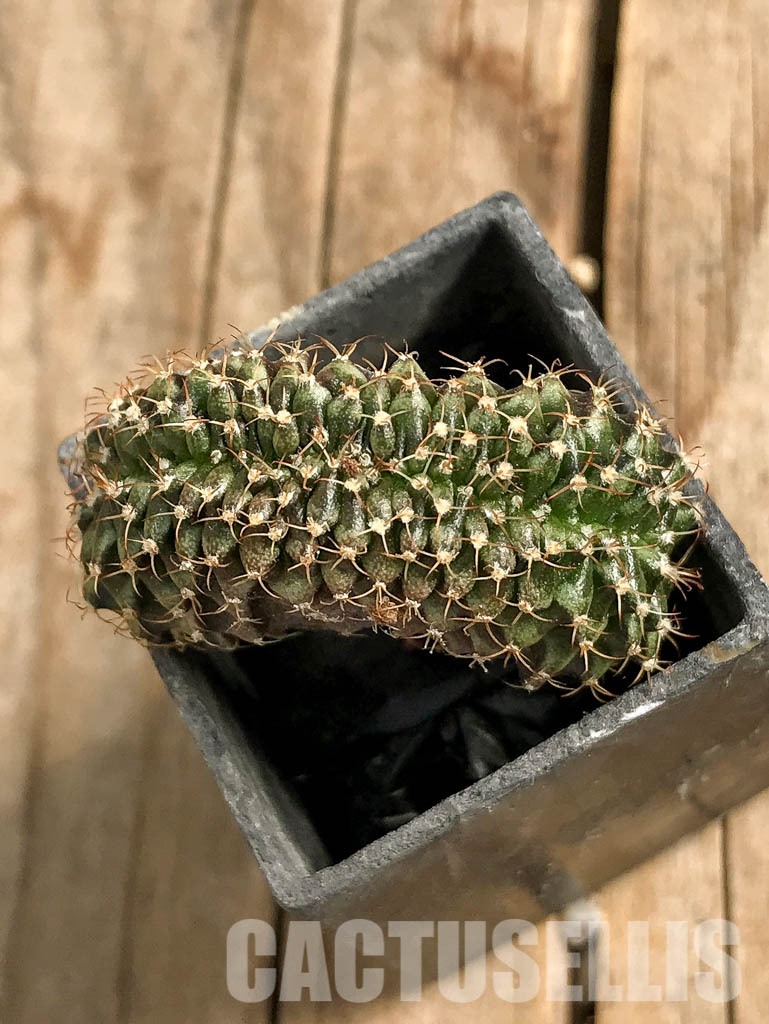
Certain Gymnocalycium cultivars, such as the cristate form or bicolor types, demand extra delicacy during repotting. Cristate plants, with their intricate fan-shaped growths, often develop brittle root systems requiring slow, careful handling. Similarly, bicolor variants, prized for their vivid coloration, can be more sensitive to environmental fluctuations. When repotting these special forms, emphasize minimal disturbance and avoid aggressive root trimming. Supplementing with a balanced micronutrient mix may promote resilience after transplantation.
Long-Term Benefits of Proper Repotting Practices
Consistently observing best practices when repotting Gymnocalycium fosters a robust root system that serves as the foundation for vigorous growth, vibrant flowering, and overall longevity. Healthy roots mean more efficient nutrient uptake and better drought tolerance, essential traits for cacti living both indoors and in garden collections. Moreover, regular repotting in fresh soil rejuvenates the root zone, preventing soil exhaustion and pests. In time, you’ll notice your Gymnocalycium thriving with an enviable symmetry and intense coloration—proof that thoughtful repotting yields not just survival, but flourishing exuberance.
FAQ
What is the best time to repot Gymnocalycium?
The best time to repot Gymnocalycium is during late spring to early summer when the plant is actively growing.
What type of pot should I use for Gymnocalycium?
Use a shallow, well-draining pot, preferably made of terra cotta or unglazed ceramic.
How should I prepare the soil for repotting Gymnocalycium?
Prepare a gritty soil mix that includes coarse sand, pumice, and a small amount of organic matter to ensure good drainage.
Leave a Reply