
Short Answer
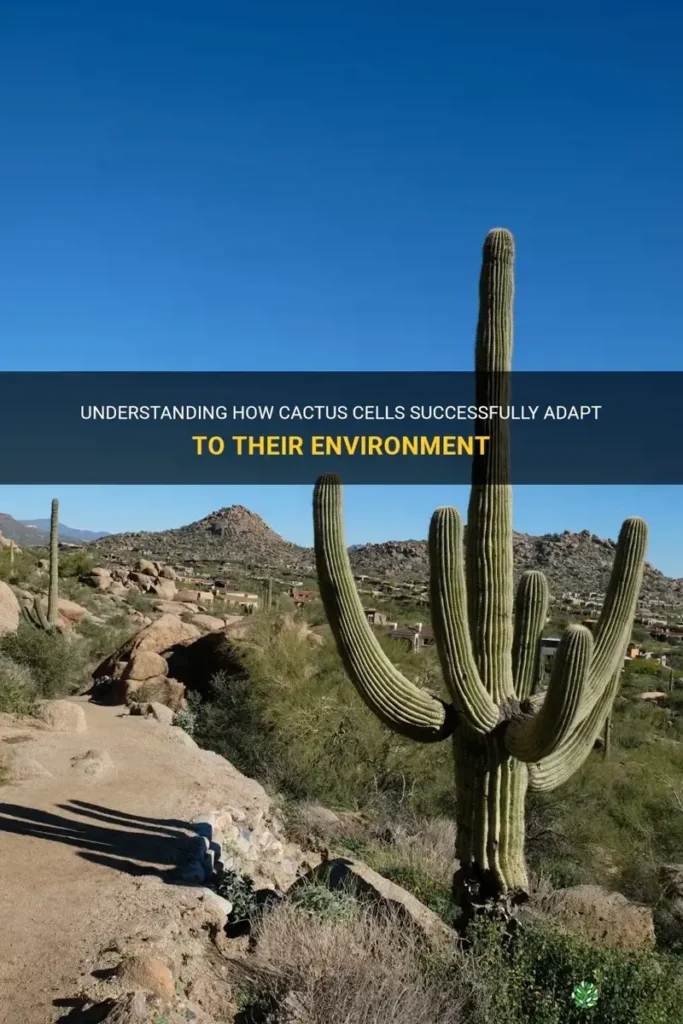
In the vast, arid terrains where life seems relentlessly tested by scorching sun and parched earth, cacti emerge as silent sentinels—remarkable not only for their resilience but also for their intricate role within local ecosystems. At first glance, these prickly plants might seem solitary survivors, stoically enduring harsh climates with stoic indifference. Yet, look a little closer, and you’ll uncover an astonishing web of interactions and ecological support they provide, revealing layers of complexity that captivate biologists and nature enthusiasts alike. Why have humans and animals alike been fascinated by cacti for centuries? Their survival strategies only scratch the surface of a deeper ecological symbiosis that sustains desert life.
The Backbone of Desert Biodiversity
Cacti might appear as isolated green sentries amid barren sands, but their presence is pivotal in fostering biodiversity hotspots in what otherwise would be unforgiving landscapes. These plants create microhabitats—localized zones where moisture retention and shade form nurturing refuges for myriad organisms. By doing so, they stiffen the backbone of desert ecosystems, supporting an impressive array of flora and fauna adapted to the extreme conditions.
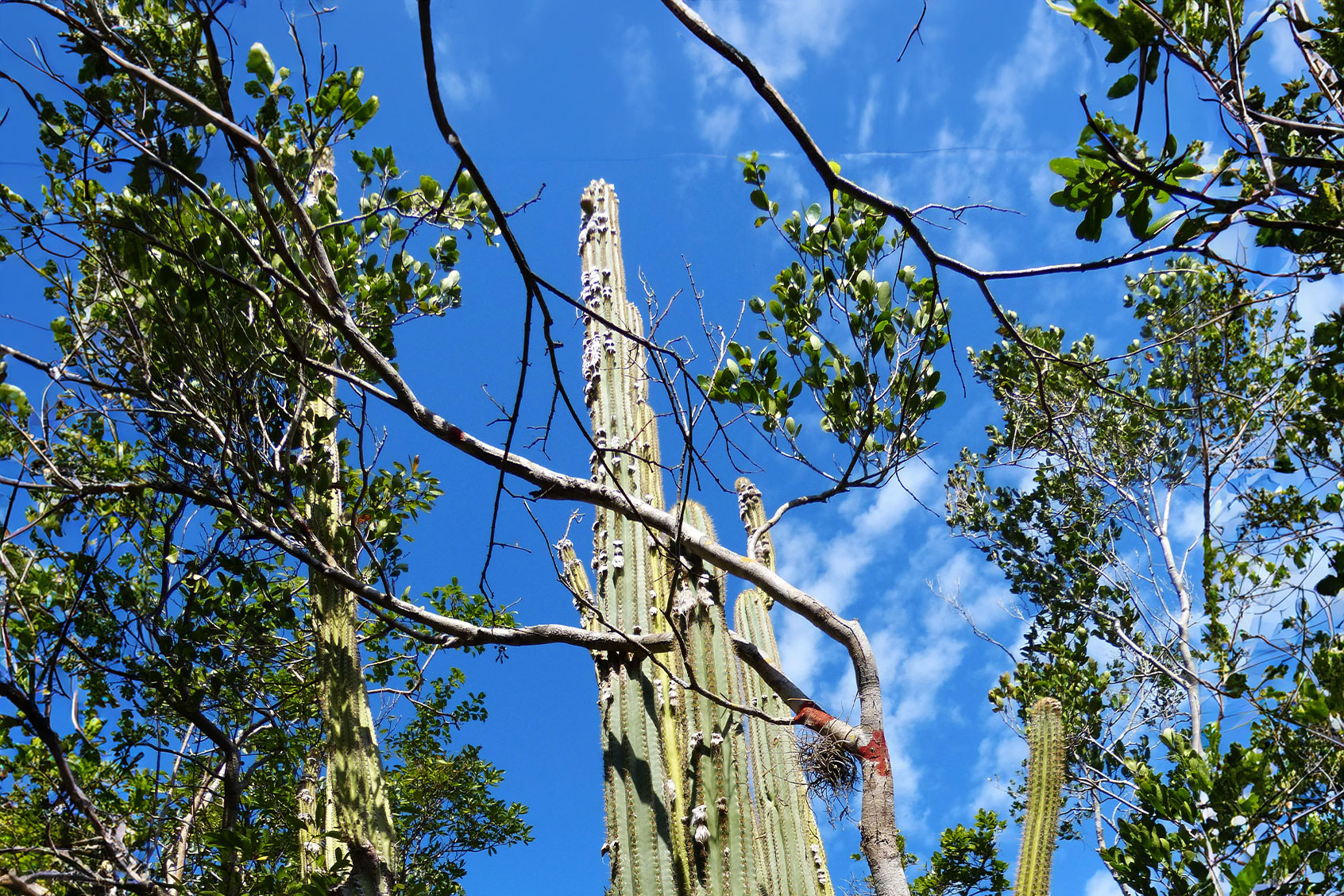
Many small reptiles, insects, and birds rely on the shelter provided by cactus spines and massive structures to evade predators and intense heat. This refuge not only ensures their survival but also promotes species diversity by enabling populations to flourish in otherwise inhospitable areas. The intricate lattice of cactus ribs and spines provides ideal nesting grounds for birds such as the cactus wren, which in turn contributes to seed dispersal and insect population control, underscoring a balanced ecological reciprocity.

Water Guardians in an Arid World
One of the most astonishing facets of cactus ecology lies in their unparalleled capacity to store water. During droughts, these succulent reservoirs become lifelines for desert fauna. Many animals, from hummingbirds to coyotes, tap into the moisture stored within cacti either by feeding on their flesh or by extracting dew gathered in their crevices. This ingenious adaptation not only aids cactus survival but acts as a crucial trophic support system during prolonged dry spells.
Beyond hydration, the cacti’s water-storing prowess also moderates the microclimate around them. By releasing moisture slowly through transpiration, they subtly augment humidity levels, creating more hospitable surroundings for less drought-tolerant plants and animals. This hidden hydrological influence is a marvel of desert ecology, bolstering resilience against the relentless desiccation that typifies these regions.

Pollination and Food Web Connectivity
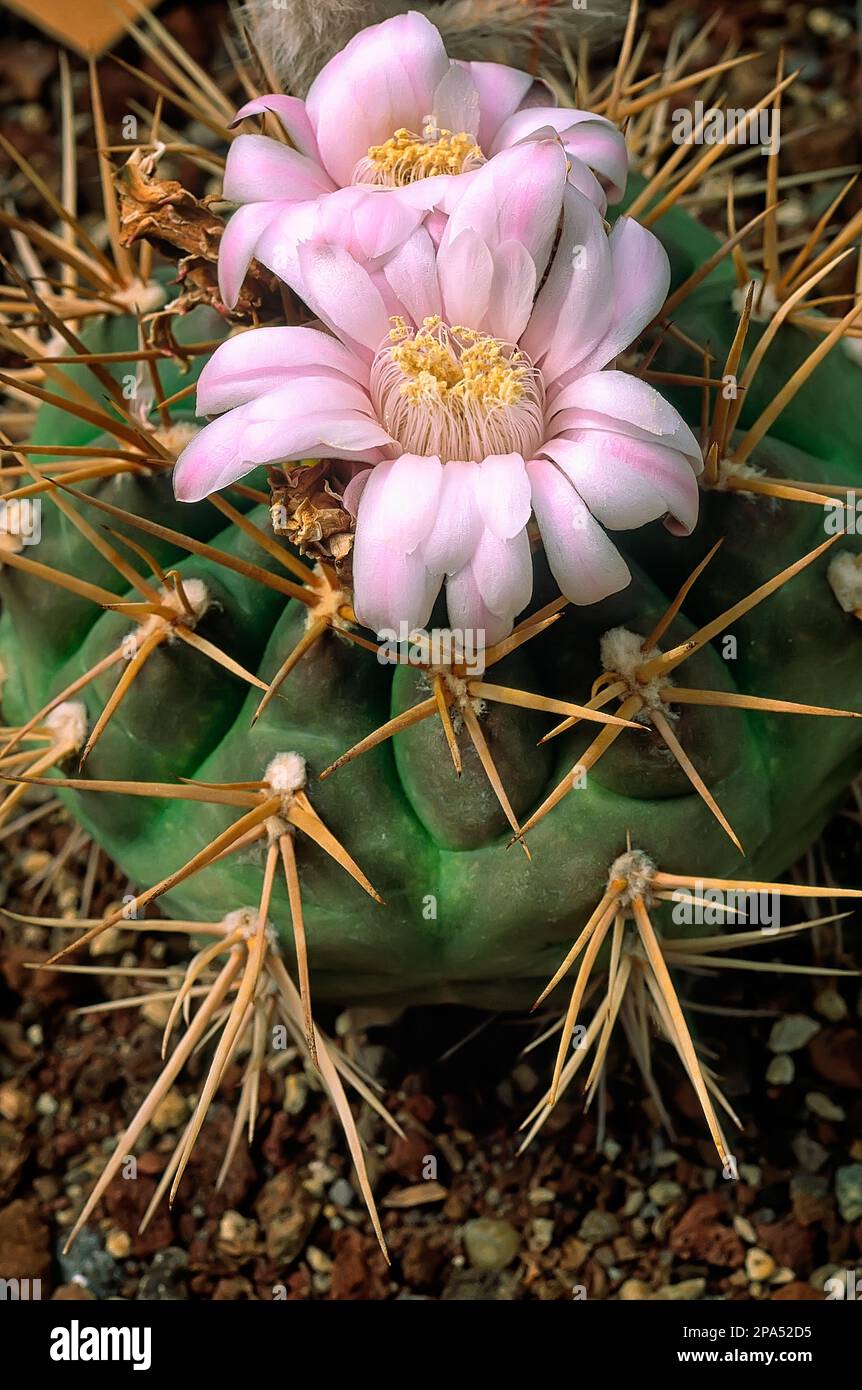
The role of cacti extends far into the vibrant orchestration of pollination networks. Cactus flowers often bloom briefly but spectacularly, producing copious nectar that attracts an array of pollinators—from ancient hawk moths and bats to honeybees and hummingbirds. This fleeting burst of floral generosity instigates a cascade of biological interactions that ripple through the ecosystem, ensuring genetic diversity and reproductive success for the cactus population.
These pollination events are much more than isolated botanical splendors; they are keystones in desert food webs. The nectaring creatures often serve as prey for higher-order predators, integrating cacti into a multilayered trophic matrix. Moreover, the fruits that many cactus species produce—juicy, nutrient-rich, and often brightly colored—feed a range of animals, from insects to mammals. As these animals consume and disperse seeds, they actively participate in the cacti’s perpetuation, reinforcing the dynamic interplay between plant and animal kingdoms.
Soil Stabilizers and Climate Moderators
In deserts, where erosion frequently strips away precious topsoil, cacti play an understated yet vital role as stabilizers. Their extensive, shallow root systems spread wide, anchoring tenuous soil and preventing deleterious wind and water erosion. This function preserves the fragile surface crust essential for seed germination and the survival of other desert plants, thereby sustaining the intricate tapestry of desert flora.
Additionally, some cactus species influence local temperature regimes. By shading the ground and reflecting sunlight with their unique anatomical structures, they mitigate temperature extremes near the soil surface. This subtle moderation promotes a more stable microenvironment, allowing less drought-hardy species to establish and expand, ultimately increasing overall ecosystem complexity and resilience.

Cultural and Ecological Fascination: A Mutualistic Perspective
Humans have long been fascinated by cacti, their spiny exteriors shielding a surprising softness and ingenuity beneath. This admiration is more than aesthetic; it speaks to a shared respect for survival against adversity. Ecologically, cacti represent mutualism writ large—where each organism and process supports another in an elaborate dance of existence. This complexity invites wonder and careful stewardship, reminding us of the delicate balances that sustain life in one of Earth’s most extreme environments.
From supporting elusive nocturnal pollinators to offering refuge and water to desert denizens, cacti teach us about resilience, cooperation, and adaptability. Each interaction they foster amplifies the strength of the entire ecosystem, making them emblematic of both botanical ingenuity and ecological interconnectedness. Exploring these multifaceted roles deepens our appreciation for deserts—not barren wastelands, but vibrant mosaics of life sustained by the humble cactus.
FAQ
How do cacti support biodiversity?
Cacti create microhabitats that provide shelter and resources for various organisms, promoting species diversity.
What role do cacti play in the water cycle?
Cacti store water and moderate local humidity levels, becoming crucial water sources for desert fauna.
Why are cacti important for pollination?
Cactus flowers attract various pollinators, enhancing genetic diversity and food webs in desert ecosystems.




Leave a Reply