

Short Answer
In the sprawling deserts of North America, an extraordinary genus of cactus known as Sclerocactus stands as a testament to nature’s resilience and fragility. Yet, these remarkable succulents face mounting threats that endanger not only their survival but also the delicate ecosystems intertwined with their existence. The urgent call for Sclerocactus conservation promises a profound shift in perspective—inviting us to look beyond the plant’s spines and appreciate its intricate role within its habitat. This narrative explores the multifaceted journey to protect and preserve these endangered botanical marvels.
The Unique Ecology of Sclerocactus: Guardians of Desert Biodiversity
Sclerocactus species, often dubbed “fishhook cacti,” boast a distinctive morphology that has evolved over millennia. Their stout, barrel-shaped forms and hooked spines serve as adaptations to the harsh desert climate—shielding them from predators and conserving precious water. But beyond their striking appearance lies a pivotal ecological role. These cacti contribute to soil stabilization, prevent erosion, and provide microhabitats for insects and small reptiles. In some areas, Sclerocactus blooms punctuate arid landscapes with delicate flowers, offering nectar to specialized pollinators.
Understanding their ecological significance forces a reconsideration of desert habitats, often misconstrued as barren wastelands. Sclerocactus stands as evidence of a vibrant, interdependent ecosystem, where the loss of a single species can ripple into broader environmental decline.

Endangerment and Threats: The Invisible Perils Facing Sclerocactus
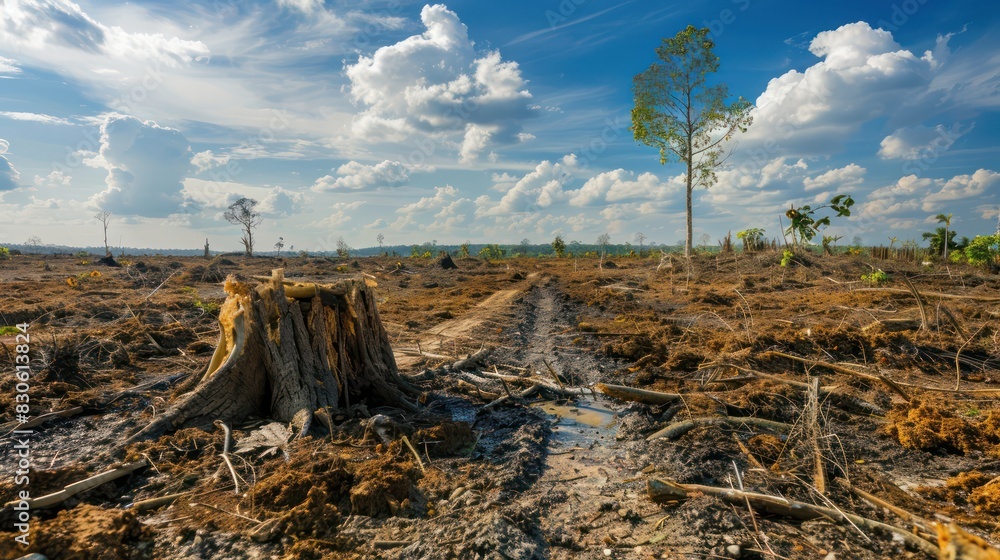
Despite their hardy appearance, Sclerocactus species are alarmingly vulnerable. Habitat destruction from urban expansion, agricultural encroachment, and mining operations erodes the physical space they require to thrive. Invasive species and altered fire regimes further destabilize their delicate environments. Poaching is another insidious threat; the exotic cactus market fuels illegal collection, decimating wild populations.
The stealth of climate change compounds these pressures. Shifts in precipitation patterns, prolonged droughts, and intense heat waves stretch the cacti’s physiological limits. Such cumulative threats reveal an intricate web of vulnerability that demands proactive, science-driven conservation strategies.

Conservation Efforts: From Protections in the Wild to Botanical Sanctuaries
Responding to the plight of Sclerocactus, conservationists and botanists have harnessed a blend of in situ and ex situ tactics. Field protections manifest through designated conservation areas and habitat restoration projects, aiming to safeguard intact populations amidst natural settings. These preserves act as bastions where ecological processes can unfold with limited human interference.
Parallel to these efforts, botanical gardens and seed banks play an essential role in ex situ conservation. Cultivating Sclerocactus in controlled environments not only preserves genetic diversity but also supports research into their growth requirements and propagation techniques. Such multidisciplinary approaches forge a resilient safety net that mitigates extinction risks.

Promising Innovations: Technology and Citizen Science in Conservation
Emerging technologies herald exciting possibilities in Sclerocactus conservation. Satellite imaging and drone surveillance bolster habitat monitoring, enabling early detection of habitat degradation and poaching activities. Genetic sequencing sheds light on population structures and adaptive traits, guiding targeted breeding programs.
Citizen science initiatives also augment conservation reach by engaging local communities and enthusiasts. Digital platforms allow volunteers to report sightings, helping track distribution patterns and bolster data collection. This confluence of advanced science and grassroots participation cultivates a paradigm shift—from conservation as a distant concern to a shared, dynamic responsibility.
The Philosophical Shift: Reevaluating Human Connections to Endangered Flora
At its core, the movement to conserve Sclerocactus kindles a larger philosophical dialogue about humanity’s relationship with nature. It challenges the anthropocentric view that deserts are mere wastelands or resources to be exploited. Instead, it invites an ethos of stewardship grounded in humility and reverence for life’s complexity.
The preservation of a seemingly obscure cactus species becomes emblematic of broader ecological consciousness. Protecting Sclerocactus is, in essence, an act of preserving evolutionary heritage and acknowledging the intrinsic value of all species—regardless of their apparent utility or prominence.
A Call to Action: Embracing a Future of Hope and Vigilance
As the sun blazes across arid terrains, the survival of Sclerocactus is emblematic of the challenges and possibilities inherent in conservation. It beckons us to widen our gaze, embrace innovation, and foster collaborations that span across disciplines and communities. Every saved cactus is a victory against ecological erosion—a testament to what collective determination can achieve.
The story of Sclerocactus conservation is still unfolding. It invites curiosity, compassion, and commitment. Protecting these endangered species is not merely a scientific imperative but a profound pledge to sustain the natural world’s richness for generations to come.
FAQ
What are Sclerocactus?
Sclerocactus are a genus of cacti native to North America, known for their unique morphology and ecological significance.
What threats do Sclerocactus face?
They face threats from habitat destruction, climate change, invasive species, and illegal collection.
How can I help with Sclerocactus conservation?
You can support conservation efforts through donations, volunteering, and spreading awareness about their ecological importance.




Leave a Reply