
Short Answer
Imagine a midnight desert sky bursting into color with every bloom; such is the enchanting spectacle that Acanthocalycium cacti offer, emerging like jeweled sentinels from the rugged landscapes of Argentina. These remarkable succulents are not mere plants—they are living sculptures, encapsulating the raw, untamed elegance of arid wilderness and the meticulous artistry of nature’s design. Cultivating Acanthocalycium is akin to nurturing a rare gemstone—each facet demands delicate attention yet rewards with breathtaking splendor. Dive into this comprehensive guide and unlock the secrets to growing these stunning Argentine cacti that effortlessly marry resilience with radiant beauty.
Embracing the Unique Charm of Acanthocalycium
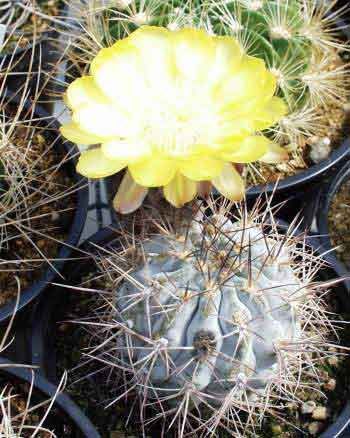
Acanthocalycium, whose name breathes the essence of “spiny calyx,” is a genus characterized by its intricate spination and vibrant flowers. It is the very embodiment of contrasts—rigid yet delicate, rugged but breathtaking. These cacti, native to the foothills and rocky terrains of Argentina, wear their spines like armor, providing a fortress against harsh environments, while their blossoms burst forth like fireworks in the desert night. This botanical dichotomy makes them profoundly appealing to enthusiasts who relish both the thrill of hardy growth and the elegance of spectacular floral displays.

Soil and Potting: The Bedrock of Flourishing Growth
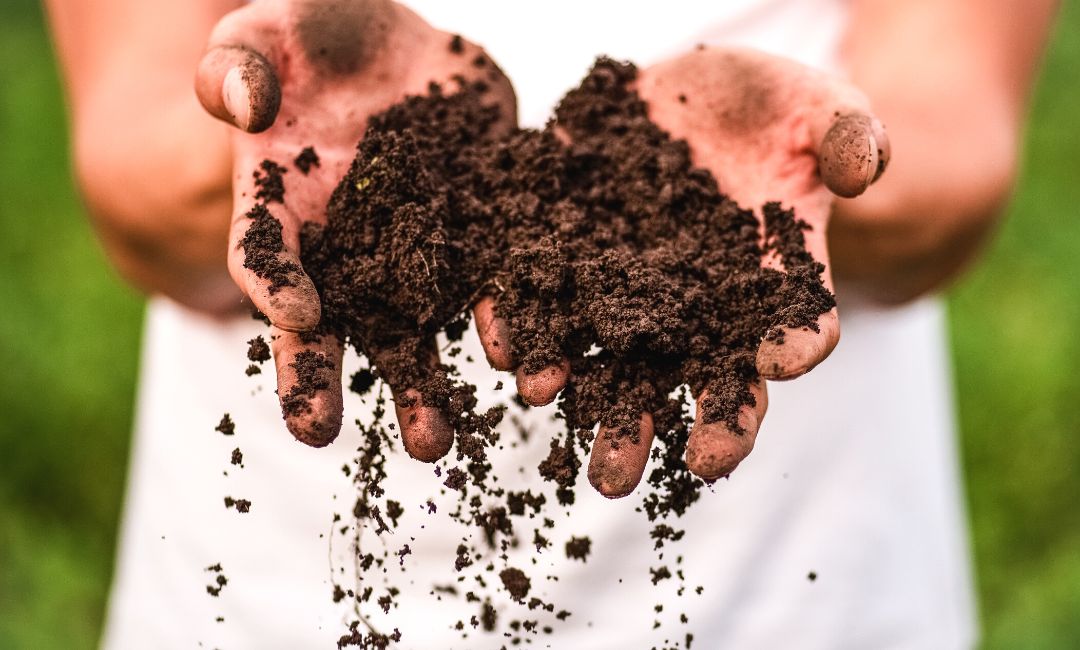
Longevity and vigor in Acanthocalycium hinge on rooting them in a substrate that whispers “adaptability” and “drainage” in equal measures. The soil must mimic its native gritty hillside bed, a concoction rich in mineral grit and coarse sand, ensuring rapid drainage while avoiding water retention like the desert avoids rain clouds. A blend of cactus soil mix enriched with pumice or perlite creates the perfect balance, fostering aeration and discouraging root rot—a silent killer to these desert denizens.
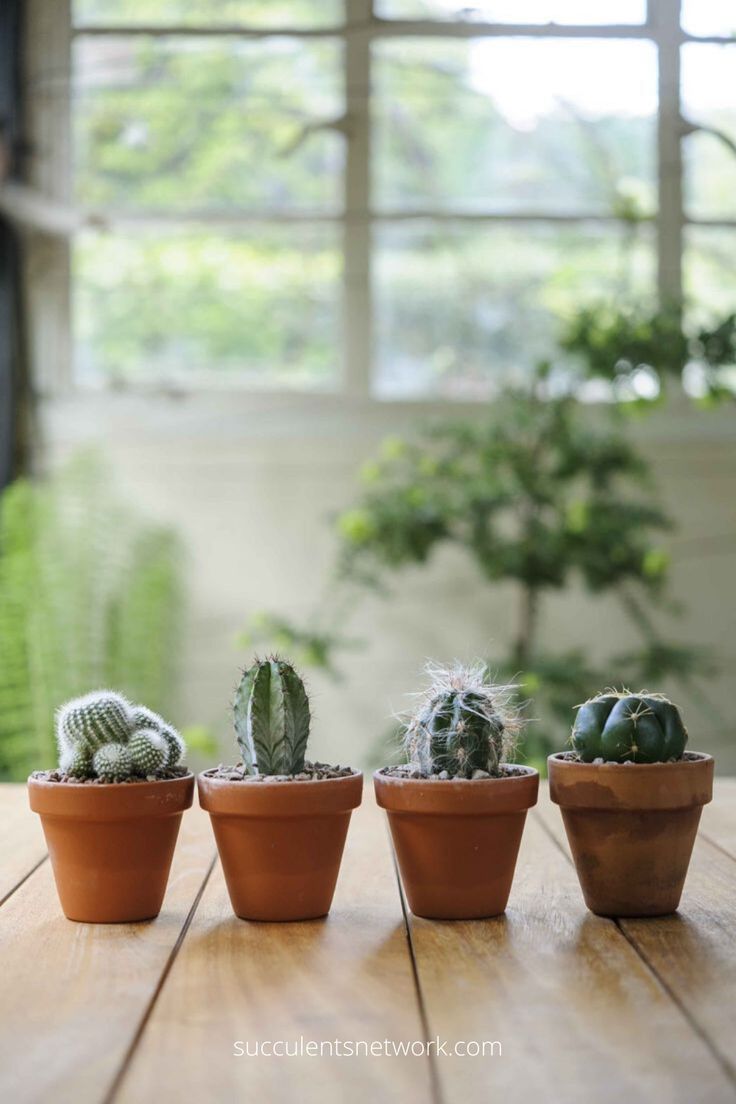
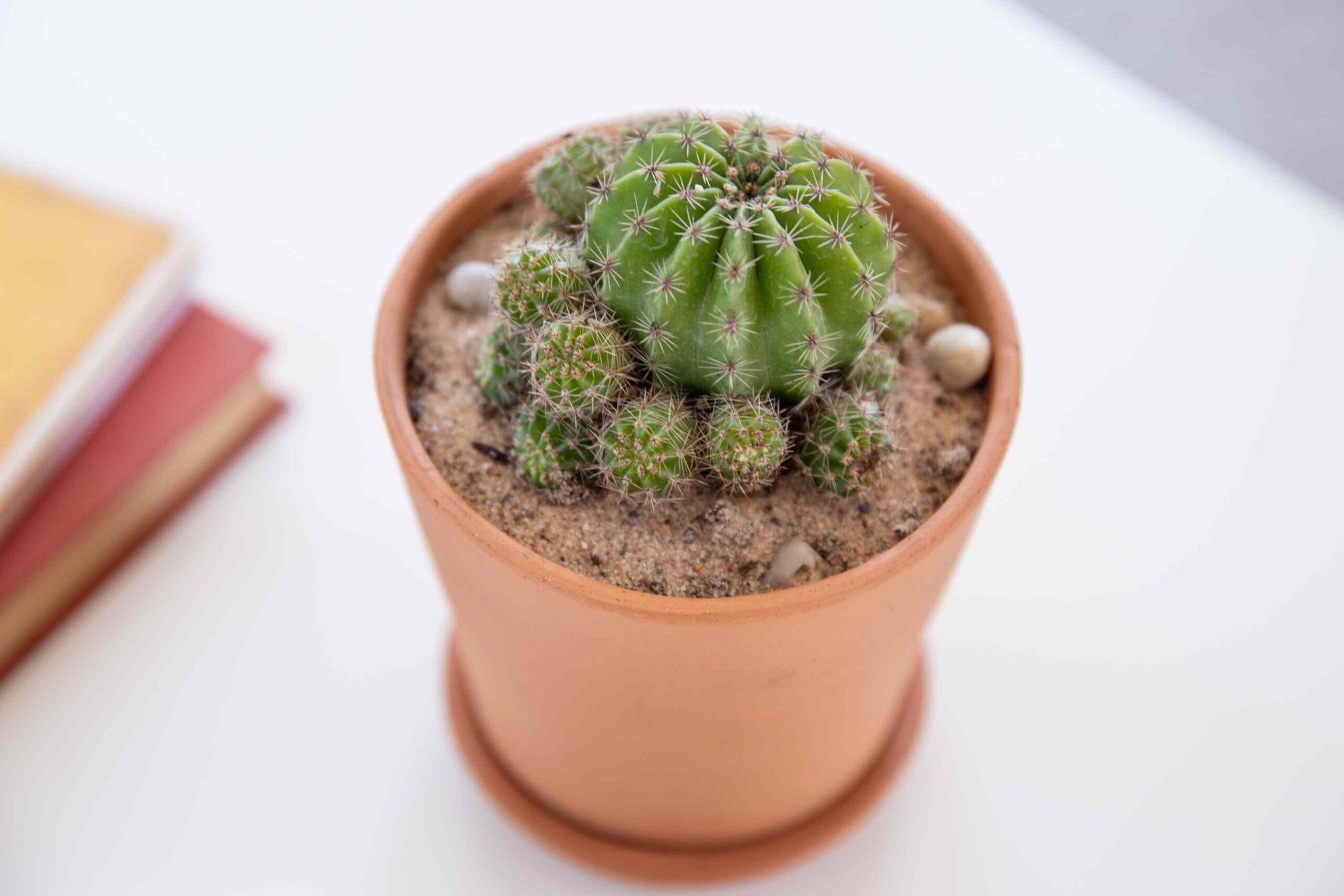
Choosing the right pot is another vital aspect. Opt for clay or terracotta containers that breathe; these vessels aid in evaporating excess moisture quickly, cutting down chances of fungal afflictions. A shallow pot suffices, reflecting the plant’s natural growth pattern where roots spread wide rather than deep, clinging close to the earth’s surface.
Illuminating the Spine: Light Requirements
To truly awaken their vibrant personalities, Acanthocalycium cacti must bask in abundant light. Imagine how the desert sun sculpts every contour; similarly, generous exposure to bright, indirect sunlight encourages robust growth and profuse flowering. While these cacti can endure full sun, harsh midday rays may scorch tender parts, so filtered light or morning sun with afternoon shade creates a harmonious balance.
During indoor cultivation, placing them near south-facing windows sparks their vitality. Grow lights with a full spectrum output can also bridge the light gap in darker environments, simulating the brilliant Argentinian sun that fuels their natural rhythm.
Watering Wisdom: The Art of Liquid Economy
Watering Acanthocalycium is a practice of mindful restraint—an exercise in liquid economy where more is often less. These cacti revel in dry spells and abhor soggy roots, making overwatering their nemesis. The rhythm is dictated by seasonal cues: in spring and summer, hydrate sparingly but consistently, allowing the soil to dry completely between each slight irrigation. This simulates sporadic desert rains that awaken growth and blossom.
Come autumn and winter, reduce watering drastically—some growers suspend it altogether—ushering the plant into a dormancy reminiscent of nature’s hibernation. Overzealous watering during this time leads to rot, undermining the plant’s delicate equilibrium. Mastery comes from learning to read the soil’s dryness and the plant’s own turgid firmness, attuning yourself to its subtle messages.
Temperature and Humidity: The Climate Symphony
Acanthocalycium thrives in temperates that dance between warmth and coolness, reflecting its native high-altitude habitats and temperate valleys. Ideal daytime temperatures range between 70°F to 85°F (21°C to 29°C), while nighttime cooling to 50°F to 60°F (10°C to 15°C) simulates natural diurnal temperature oscillations, which invigorate the plant’s metabolic processes.
Humidity is the whispering dry wind of the desert—low and unobtrusive. Excessive humidity can invite fungal adversaries and stunt growth, so maintaining airflow is paramount. Outdoors, situate the cactus where gentle breezes circulate; indoors, occasional fan usage or open windows suffice to replicate this breeze, keeping molds and mildews at bay.
Fertilization: Nourishing Without Overindulgence
While Acanthocalycium is hardy, it appreciates a periodic nutrient boost during its active growing season. Fertilize sparingly using diluted, balanced cactus fertilizers—preferably one with a lower nitrogen content and higher phosphorus and potassium to encourage flowering and root development.
Once a month during spring and summer is ample. Avoid fertilization in dormant months, as the plant’s reduced metabolic activity cannot assimilate nutrients efficiently. The aim is to enhance vigor gently, avoiding the lush but weak growth that excess fertilizer might induce.
Propagation: Mirroring Nature’s Artistic Repetition
Expanding your Acanthocalycium collection is an act of botanical artistry—capturing nature’s elegance and multiplying it. They propagate primarily through seeds, which requires patience and precision. Sow seeds on the surface of moist, sandy soil, covering lightly with grit to emulate their natural seeding bed. Incubate in a warm, bright but shaded spot; germination can be slow, demanding the gardener’s loyal attention and gentle encouragement.
Occasionally, offsets may form, presenting an easier propagation route. Carefully separate and root these pups in well-draining soil. This method preserves the genetic legacy of a particularly stunning specimen, allowing one to cultivate a miniature garden of living sculptures.
Pest and Disease Management: Safeguarding the Desert Jewel
The resilient armor of Acanthocalycium does not guarantee complete immunity from pests and diseases. Mealybugs and spider mites are stealthy invaders that sap vitality, often hiding in spine axils or under roots. Regular inspection and gentle washing with insecticidal soap or neem oil keep these threats at bay.
Root rot remains the paramount danger, often a consequence of overwatering or poor drainage. Vigilance in soil health and watering habits coupled with sterile tools preserves a healthy ecosystem for the cactus’s roots to thrive. Act swiftly when signs of yellowing or softening appear—often the first call for intervention.
The Blooming Spectacle: Unlocking the Showstopper
Watching an Acanthocalycium burst into flower is witnessing poetry unfold in botanical form. Their blossoms, ranging from delicate whites to fiery oranges and creams, often appear at night or dawn, a celestial display timed with nature’s rhythms to attract nocturnal pollinators. It’s a reward earned through diligent care—a manifestation of the plant’s own triumph over its environment.
Patience is the gardener’s virtue here; a well-cared-for cactus may take several seasons to flower. Encourage blooming by providing optimal light, minimal watering during dormancy, and balanced feeding. Each bloom is a narrative of survival, resilience, and celestial beauty.

The Enduring Allure of Acanthocalycium in Modern Cacti Collections
In a world dominated by fleeting digital marvels, cultivating Acanthocalycium offers a tangible connection to time’s slow, deliberate march. These Argentine cacti are not just survivors—they are storytellers, narrating tales of endurance, adaptation, and sublime grace. Their sculpted forms punctuated by blooms conjure a desert symphony, alive with texture, color, and life.
For the enthusiast, beginner or seasoned, these plants promise an engaging journey—a living art project where each spine, flower, and growth pattern adds a brushstroke to a masterpiece of xerophytic wonder. With attentive care, your Acanthocalycium won’t just grow; it will thrive, transforming your collection into a verdant gallery of Argentine elegance.
FAQ
What are Acanthocalycium cacti?
Acanthocalycium cacti are a genus of cacti native to Argentina, known for their spiny structure and vibrant blooms.
How often should I water my Acanthocalycium?
Water sparingly, allowing the soil to dry completely between waterings, especially during the growing season.
What type of soil is best for Acanthocalycium?
A well-draining mix with mineral grit and coarse sand is ideal to prevent root rot.
How can I propagate Acanthocalycium?
They can be propagated from seeds or offsets, which can be rooted in well-draining soil.
Leave a Reply