
Short Answer
In the arid expanses of deserts, where only the most resilient life forms carve out an existence, Ariocarpus species stand as living sculptures. These botanical enigmas, often called “Living Rocks,” encapsulate the very essence of survival, blending seamlessly with their rugged surroundings. To truly appreciate these marvels is to embark on a journey of discovery—deciphering their cryptic appearance, mastering their cultivation, and celebrating their unyielding charm. This narrative unveils the secrets of Ariocarpus, offering a comprehensive guide to identifying and growing these extraordinary cacti.
The Living Stone Metaphor: Understanding Ariocarpus’ Unique Form
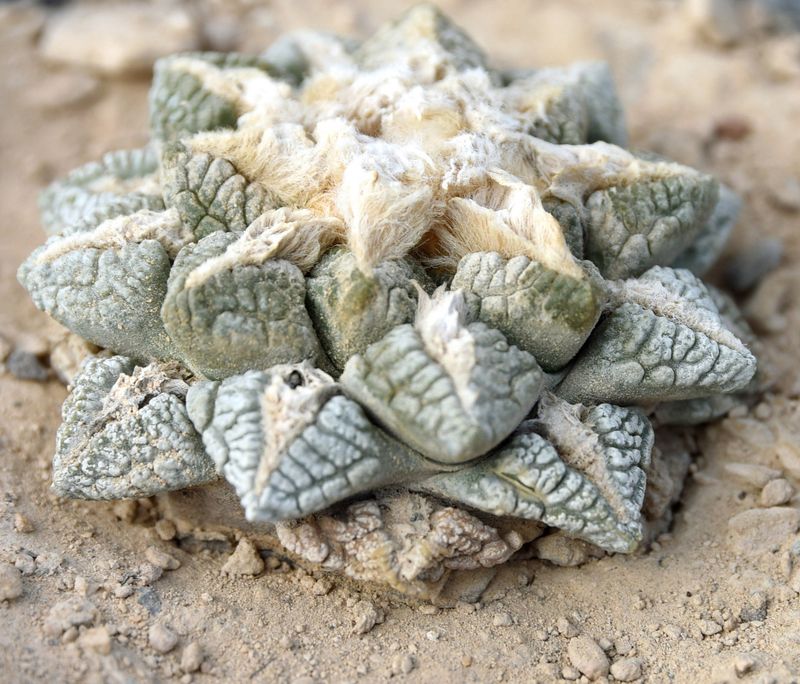
Ariocarpus species are nature’s cryptic masterpieces, resembling rocks encrusted with delicate, polygonal plates. This uncanny mimicry affords them protection against predators and the harsh desert sun. Much like a chameleon cloaked in stone, they evade the eye by adopting textures and colors that echo their limestone and gypsum habitats.
Their anatomy diverges markedly from stereotypical cacti; instead of pronounced spines, they sport tubercles—thickened, fleshy projections—often covered with a fine layer of woolly trichomes. This soft veil further diffuses sunlight, reducing water loss. The base of the plant burrows beneath the earth, anchoring it firmly and conserving moisture, while the exposed rosette remains flush with the soil, an exquisite example of xerophytic adaptation.

How to Identify Different Ariocarpus Species
While all Ariocarpus share the hallmark of stone-like veneer, their subtleties form the key to their identification. For novice and connoisseur alike, a discerning eye can unravel the species by observing tubercle shape, flower coloration, and growth patterns.
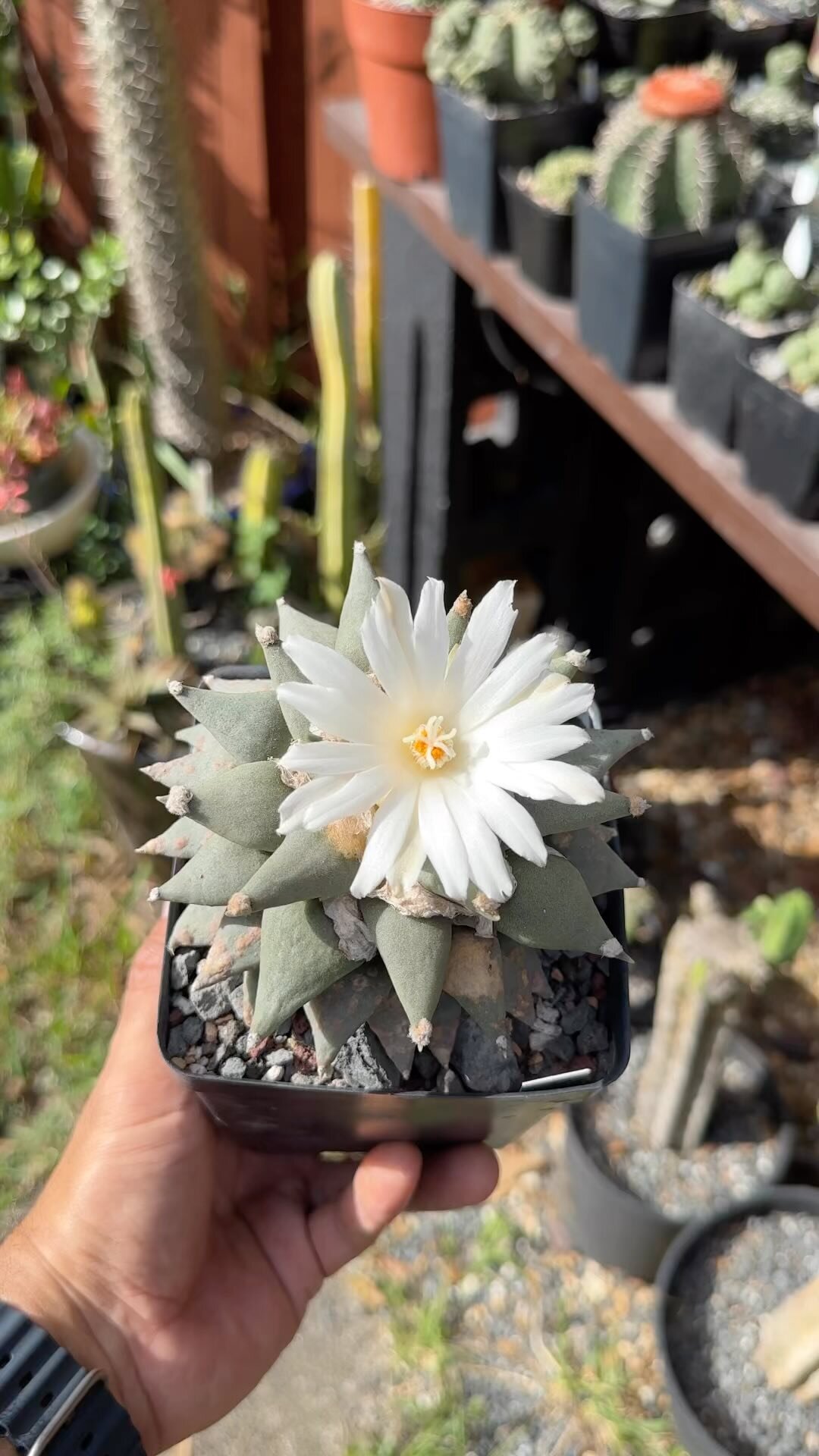
Ariocarpus Scaphirostris stands out with its flattened, scaphoid (boat-shaped) tubercles arranged in neat rosettes. Its flowers radiate pale pink to white, providing a striking contrast against its rugged exterior. This species often hails from the limestone hills of Nuevo León, Mexico, embedding itself into crevices where moisture lingers.
Ariocarpus Fissuratus

Other species, like Ariocarpus retusus and Ariocarpus trigonus, differentiate themselves via size, tubercle arrangement, and flower morphology. Recognizing these traits requires patience, but with careful observation, one can become attuned to their subtle nuances.
Ideal Growing Conditions: Cultivating Ariocarpus From Seed to Maturity
To cultivate Ariocarpus is to invite a slow, deliberate dance with nature’s rhythms. These cacti defy the impetuous gardener’s need for rapid gratification, rewarding patience with extraordinary longevity and unique aesthetic appeal.
Substrate and Drainage: The cornerstone of Ariocarpus cultivation lies in replicating their native mineral-rich, well-drained soils. A blend of gritty sand, pumice, and limestone gravel is ideal, imitating the calcareous substrates of their desert homes. Excess moisture must be shunned; soggy environments can quickly lead to root rot.
Lighting: Bright, indirect sunlight suits these plants best. While they endure blazing sun in the wild, indoor or greenhouse growth demands filtered illumination to avoid scorching. A delicate balance positions Ariocarpus in a liminal zone—bathed in light, yet sheltered from relentless midday rays.
Watering: Watering is an exercise in restraint. During the active growing season (spring to early fall), a modest intake every couple of weeks suffices, allowing the soil to dry completely between watering sessions. Dormancy in winter heralds a drought period; withholding water helps prevent rot and mimics natural conditions.
Temperature and Humidity: Ariocarpus thrive in warm, arid environments with temperatures ranging from 70°F to 90°F (21°C to 32°C) in growing months. They tolerate mild cold, but below 40°F (4°C) can be fatal. Low humidity complements their desert origin, reducing fungal risks.
Propagation and Growth: Patience Rewarded Over Years
Patience is the gardener’s greatest ally when coaxing new Ariocarpus from seed. Germination can take several weeks to months, and seedlings grow at an unhurried pace. Despite this, the process is deeply gratifying.
Seeds benefit from a sterilized, shallow sowing medium, kept warm and slightly moist under indirect light. The delicate seedlings can be nurtured under a humidity dome initially, gradually acclimating them to drier air. Grafting onto faster-growing rootstocks is a technique practiced by enthusiasts to speed early development, though many purists prefer growing them on their own roots.
Why Ariocarpus Captivate: The Allure of Living Rocks
Ariocarpus encapsulate more than botanical intrigue; they symbolize endurance, camouflage, and an ancient heritage etched into arid landscapes. Their cryptic visage transforms them into living gemstones, prized by collectors and horticulturists who revere their rarity and elegance.
Each plant embodies a story of survival against the odds, an artistry of nature’s quiet resilience. Their slow growth encourages a contemplative relationship, inviting patience and reverence. Unlike flashy succulents, these cacti seduce with understated beauty and ephemeral floral displays that appear almost as whispered secrets amid their rocky facades.

Conservation and Ethical Considerations
Wild populations of Ariocarpus face threats from habitat destruction and illegal collection. Responsible cultivation practices are paramount. Seek nurseries specializing in propagated plants rather than wild-harvested specimens. Supporting conservation efforts helps preserve these botanical treasures for future generations.
Engaging with Ariocarpus cultivation is also an act of stewardship—fostering appreciation for desert ecosystems and the specialized life they harbor.
Conclusion: Embracing the Slow Majesty of Ariocarpus
To live with Ariocarpus is to partake in a relationship measured in years, where every new tubercle and bloom marks a triumph of perseverance. These living stones teach the value of silence, subtlety, and steadfastness in a world often rushing past. Their enigmatic forms, blending into the desolate beauty of the desert, beckon the patient gardener to discover not just a plant, but a sublime narrative etched in living rock.
FAQ
What are Ariocarpus species?
Ariocarpus species are unique cacti known as Living Rocks, characterized by their rock-like appearance and adaptations for survival in arid environments.
How do I care for Ariocarpus?
Ariocarpus requires well-draining soil, minimal watering, and plenty of sunlight to thrive.

Leave a Reply