

Short Answer
In the captivating realm of succulent collectors and botanical enthusiasts, few plants evoke as much awe and mystique as the genus Ariocarpus. These peculiar cacti, often mistaken for mere stones or desert ornaments, command astronomical prices that baffle many newcomers. The question arises: why are Ariocarpus so expensive? Beyond their beguiling appearance lies a tale woven with threads of rarity, intricate cultivation challenges, and urgent conservation efforts. Prepare to be intrigued as we unravel the secrets behind the steep valuation of these enigmatic desert dwellers, promising not just answers but a new appreciation for their survival story.
The Enigmatic Rarity of Ariocarpus
Ariocarpus plants defy typical cactus stereotypes by thriving undetected in some of the most inhospitable terrains. Native primarily to the limestone hills of northeastern Mexico and parts of Texas, their natural habitats are exceedingly restricted and fragmented. Unlike fast-spreading succulents, Ariocarpus grow at a glacial pace, sometimes taking over a decade to reach maturity. This intrinsic slow growth rate drastically limits their abundance in the wild. Furthermore, their cryptic morphology mimics surrounding rocks, an evolutionary marvel that allows them to evade herbivores and the gaze of opportunistic collectors alike.
Their rarity is not simply geographic but ecological—each species of Ariocarpus occupies a highly specific niche with precise soil composition, subtle microclimatic conditions, and symbiotic relationships with endemic fungi. This fine-tuned specialization means that even minor habitat disturbances can cause catastrophic declines, shrinking natural populations to a shadow of their former glory. It is this very rarity—rooted in nature’s subtle balance—that underpins the mystique and premium price tags of these exceptional cacti.


Challenges in Cultivation and Propagation
One might assume that modern horticulture could easily propagate Ariocarpus to meet demand, but the reality is far more complex. These succulents have a notoriously slow and challenging germination process that demands exacting care. Seeds require specific temperature ranges, moisture levels, and often a prolonged dormancy period before sprouting—a phenomena known as seed dormancy that protects them from sporadic desert rains but frustrates growers worldwide.
Once germinated, young plants need years under meticulous conditions to develop their unique, “rocklike” tubercles. Their vulnerability to fungal infections and root rot adds another layer of difficulty. Unlike many resilient cacti, Ariocarpus do not tolerate overwatering or careless handling. The investment in time, resources, and expertise to nurture a single plant to collectible size naturally escalates cost.
Moreover, ethical cultivators often emphasize avoiding wild-collected specimens, prioritizing legal propagation to protect wild populations. This commitment to sustainability combined with low propagation yields reinforces the exclusivity and value of nursery-grown Ariocarpus, positioning them as prized botanical treasures.
Conservation Implications and Legislation
The price of Ariocarpus cannot be fully comprehended without recognizing the critical conservation context enveloping these plants. Over decades, indiscriminate collection for ornamental and commercial purposes has severely diminished wild populations. Some species of Ariocarpus are now listed under international protection agreements, tightly regulating cross-border trade and penalizing illegal poaching.
These regulatory frameworks, while essential, have unintended economic consequences. Restricted supply combined with persistent high demand creates a black market where prices can soar even higher—fueling a vicious cycle that jeopardizes survival efforts. Conservationists argue that sustaining Ariocarpus populations depends on education, habitat protection, and supporting responsible cultivation.
The increasing inclusion of Ariocarpus species in endangered plant lists highlights a pressing reality: each plant sold at a high price carries a significance beyond its aesthetic appeal. It symbolizes the intersection of commerce and ecological stewardship, a tangible representation of humanity’s responsibility to preserve botanical legacies.

The Allure of Uniqueness and Aesthetic Value
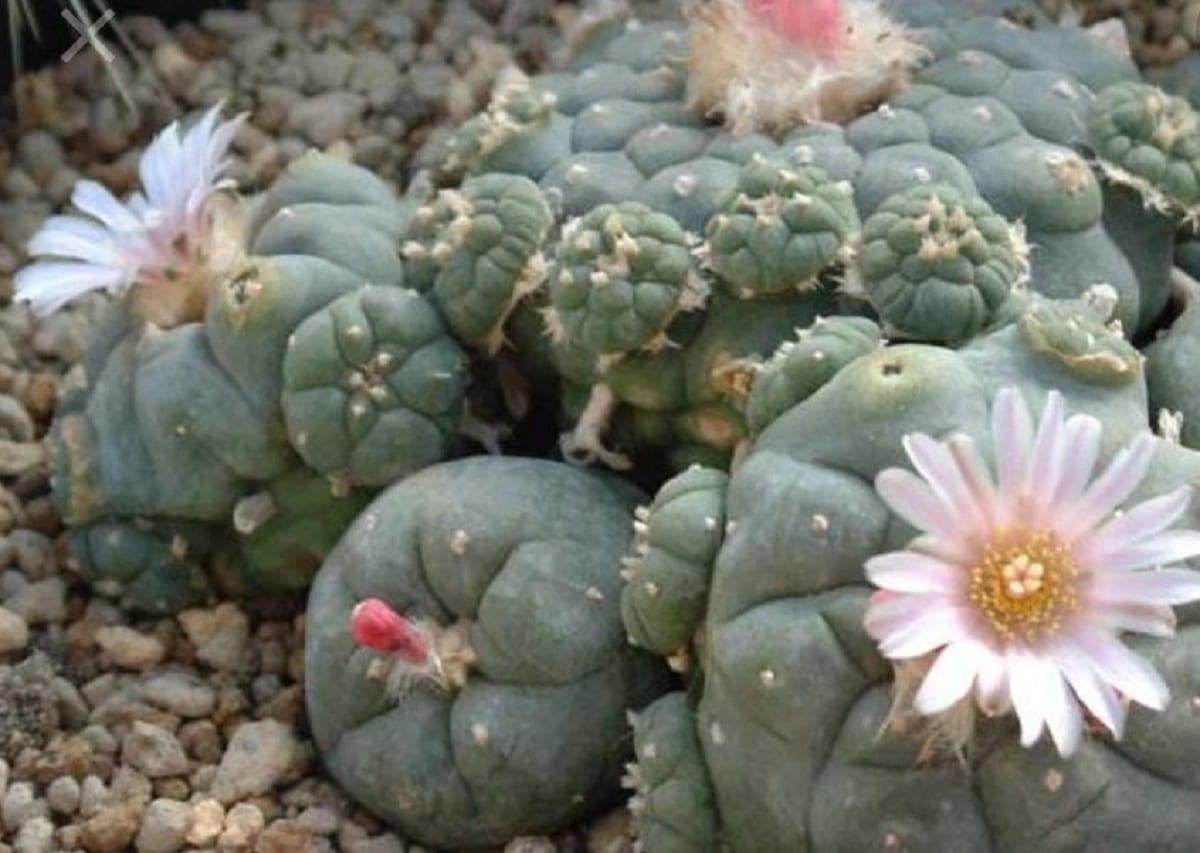
Beyond rarity and conservation, the intrinsic aesthetic appeal of Ariocarpus plays a pivotal role in driving their high valuation. Each species exhibits a unique constellation of geometric patterns, textures, and subtle coloration that transcend typical cactus forms. Their low-profile, often leafless appearance evokes the artistry of natural minimalism. This quiet elegance captivates collectors seeking specimens that embody both mystery and refinement.
Adding to their allure is the rarity of their blooms—delicate flowers that emerge unpredictably, offering ephemeral glimpses of color against rugged green-gray bodies. This transient beauty elevates Ariocarpus into the realm of living sculpture, prized not just as plants but as natural works of art. The rarity of both the plant and its flowers creates a deep psychological premium, where scarcity enhances desirability in an almost poetic fashion.
Conclusion: A Shift in Perception
To truly understand why Ariocarpus demand such extraordinary prices, one must embrace a layered perspective—where biology, ecology, horticulture, and ethics converge. These remarkable cacti are more than expensive curiosities; they are symbols of nature’s resilience and fragility, artifacts of meticulous dedication, and cautionary emblems urging conservation. Their cost is a reflection of the precious and precarious balance they inhabit.
Next time you encounter an Ariocarpus, consider the slow dance it performs with the desert, the nuanced human efforts nurturing its survival, and the profound story that each spine and tubercle tells. The price is not merely monetary but emblematic of a relationship with the natural world—one that invites respect, wonder, and a deepened sense of stewardship.
FAQ
What is the significance of Ariocarpus in conservation?
Ariocarpus species are often endangered due to over-collection, making their conservation vital for biodiversity.

Leave a Reply