
Short Answer
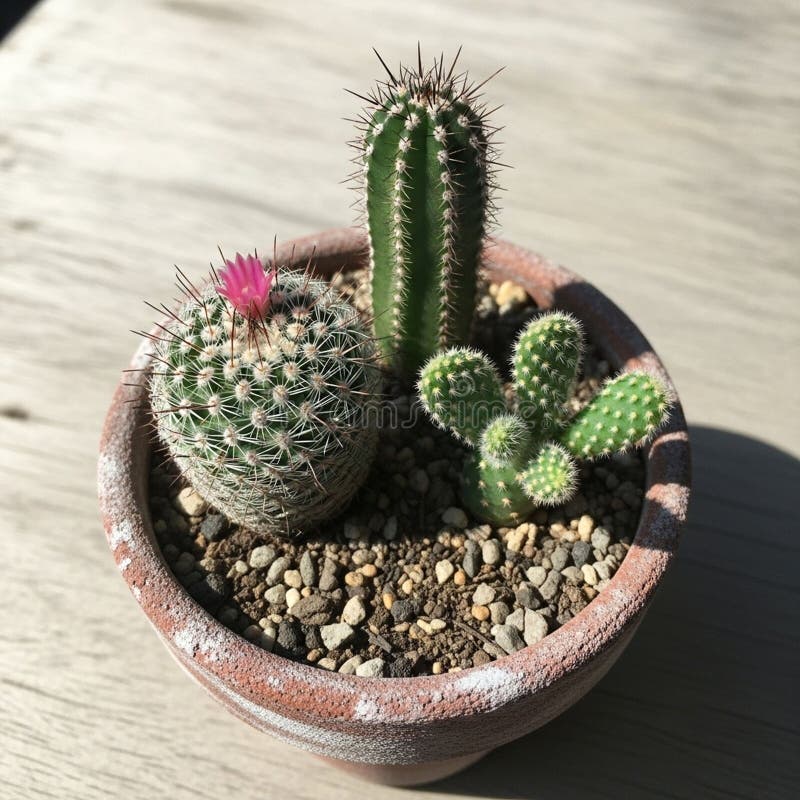
Imagine a desert bloom, a jewel-like cactus that defies aridity with its clustered, nipple-like tubercles and radiant flowers. Mammillaria, the genus of globular cacti, is a testament to resilience and beauty, thriving where others wither. Yet, beneath its spiny exterior lies a delicate balance of soil and nutrients—a hidden world where drainage whispers promises and mineral whispers secrets. To nurture these desert gems is to understand the earth they call home, a soil so porous it breathes, so balanced it cradles life in the harshest of climates. This is not just about dirt; it’s about crafting a sanctuary where spines can flourish and blossoms can unfurl.
The Alchemy of Drainage: Why Water Must Flee as Swiftly as It Arrives
In the realm of Mammillaria, water is both a lifeline and a death sentence. These cacti hail from the sun-scorched expanses of Mexico and the southwestern United States, where rain is a fleeting guest and the soil is parched for months on end. The key to their survival? A soil that treats moisture like a trespasser—quick to accept, quicker to expel. Traditional garden soil, dense and clinging, is a death trap, suffocating roots with stagnant dampness. Instead, envision a substrate that mimics the desert floor: gritty, aerated, and unapologetically porous.
Perlite and pumice, those volcanic allies, become the backbone of this arid haven. Their jagged edges create microscopic air pockets, ensuring roots never drown in their own thirst. Sand, too, plays a role—but not the fine, beach-like grains that compact over time. Coarse horticultural sand, sharp and unyielding, prevents compaction while allowing excess water to cascade through like a mountain stream. The result? A soil that drains with the efficiency of a desert wind, leaving roots dry enough to avoid rot but moist enough to sustain life.

The Mineral Mosaic: Crafting a Nutrient Palette for Spines and Blooms
Mammillaria may be survivors, but they are not indifferent to sustenance. The nutrients they crave are as precise as the spines that adorn their bodies. Nitrogen, the leafy green’s best friend, is a double-edged sword for these cacti—too much, and they stretch toward the sky, losing their compact, jewel-like form. Instead, a lean diet rich in phosphorus and potassium fuels their floral displays, encouraging those vibrant rings of blossoms that crown their crowns. Phosphorus, the architect of energy transfer, ensures each flower bud swells with potential, while potassium fortifies their defenses against the relentless sun.
But minerals are not just about the big three. Trace elements—magnesium, iron, calcium—are the unsung heroes, whispering to the plant in ways we barely notice. A deficiency in iron, for instance, bleaches the green from their tubercles, leaving them pallid and weak. Calcium, meanwhile, strengthens their skeletal spines, ensuring they stand proud against the elements. The soil, then, must be a mosaic of these elements, a carefully curated blend where each grain plays its part in the grand symphony of growth.
The pH Paradox: When Alkalinity Meets Acidity in a Delicate Dance
Soil pH is the silent puppeteer of nutrient availability, and for Mammillaria, the stage must be set just right. These cacti thrive in slightly alkaline conditions, where the pH hovers between 6.5 and 7.5—a range that ensures phosphorus remains accessible while keeping toxic aluminum at bay. Yet, this is not a rigid rule. Some species, like the delicate Mammillaria theresae, prefer a touch more acidity, their roots recoiling from the harshness of pure limestone. The solution? A soil mix amended with a handful of crushed limestone or oyster shell, or, for the more finicky, a dash of peat moss to gently nudge the pH downward.
Testing the soil’s pH is not just a chore—it’s an act of devotion. A simple kit, a swirl of distilled water, and a few drops of indicator dye reveal the hidden chemistry of your substrate. Adjustments, when needed, are made with the precision of a sculptor chiseling marble. Too alkaline? A sprinkle of sulfur or pine bark fines can bring balance. Too acidic? Crushed eggshells or a smidge of wood ash can restore harmony. The goal is not perfection, but equilibrium—a soil that hums with the right frequencies, allowing Mammillaria to thrive in its own quiet, spiny glory.
The Texture Tapestry: Weaving the Perfect Soil Fabric
A soil’s texture is its personality, a blend of particles that determines how it holds—or releases—life. For Mammillaria, the ideal fabric is coarse and unyielding, a tapestry woven from equal parts inorganic grit and organic matter. Start with a base of cactus or succulent mix, a commercial blend designed to mimic desert conditions. To this, add a generous helping of perlite or pumice—up to 50% of the total volume—to ensure drainage is never compromised. Sand, too, has its place, but only if it’s the right kind: coarse, angular, and free of silt that could smother roots.
Organic matter, though present in smaller quantities, is not to be overlooked. A sprinkle of coconut coir or well-aged compost provides just enough microbial life to break down nutrients without trapping excess moisture. The result is a soil that feels like a desert breeze—light, airy, and impossible to compact. When you squeeze a handful, it should crumble like dry leaves, never clump like wet clay. This is the texture that allows Mammillaria to anchor itself, to send out roots that explore the void, and to stand resilient against the elements.
The Seasonal Shift: Adapting Soil Care to the Cactus’s Rhythms
Mammillaria, like all living things, dances to the rhythm of the seasons. In the scorching summer, their growth slows, and their thirst diminishes. The soil must reflect this shift, becoming even more parched and porous to prevent heat stress. Reduce watering to a bare minimum, allowing the soil to dry out completely between drinks. In the cooler months, when dormancy beckons, the soil’s role changes once more. It must retain just enough moisture to prevent desiccation without awakening the plant prematurely. A light misting, perhaps, or a barely perceptible dampness at the base of the pot—enough to whisper of life, but never enough to drown it.
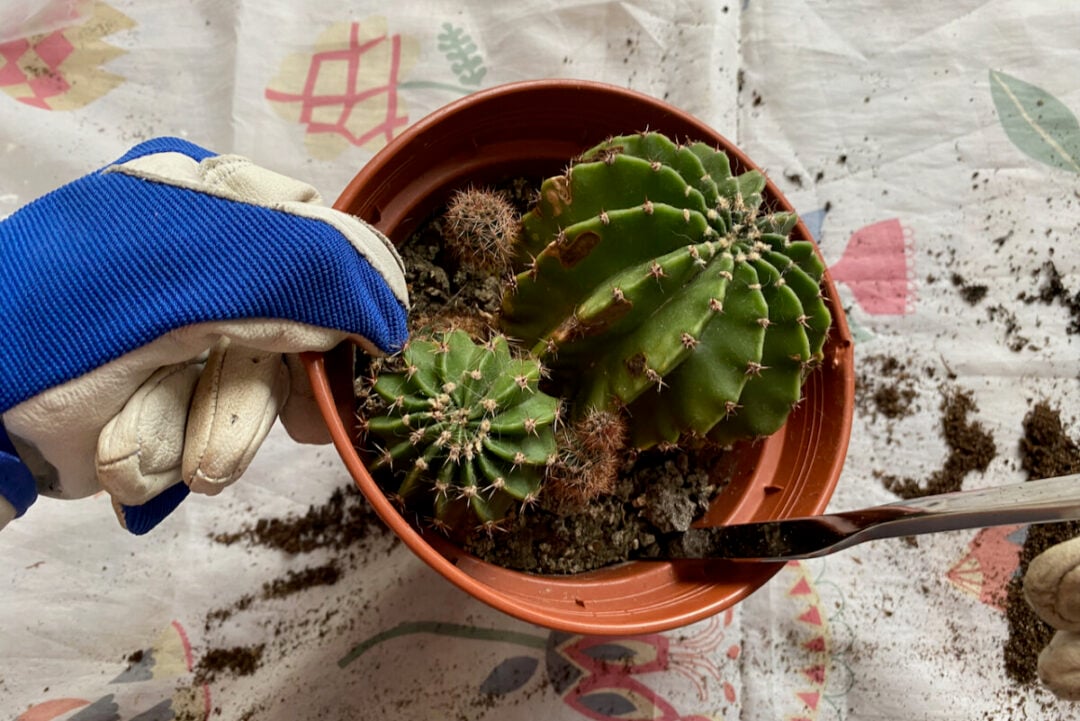
Even the act of repotting becomes a seasonal ritual. Spring, the time of renewal, is when Mammillaria are most receptive to a fresh start. Choose a pot only slightly larger than its predecessor, for these cacti prefer to be snug, their roots cradled in a cozy embrace. The soil mix, too, should be refreshed, its minerals replenished, its texture revitalized. As you gently tease the plant from its old home, observe its roots—are they plump and white, or shriveled and brown? Healthy roots are a sign of a soil well-tended; unhealthy ones, a call to adjust your care.
The Final Flourish: Observing, Adjusting, and Celebrating Growth
The true art of Mammillaria cultivation lies not in rigid rules, but in keen observation. Watch how the plant responds to its soil—does it stretch toward the light, a sign of nitrogen deficiency? Are its spines brittle, a whisper of calcium’s absence? Each symptom is a clue, a breadcrumb trail leading to the perfect blend of drainage and nutrients. Keep a journal, if you will, a record of watering schedules, soil amendments, and the plant’s progress. Over time, you’ll develop an intuition, a sixth sense for what your Mammillaria needs before it even asks.
And when, at last, those buds swell and burst into rings of pink or white or crimson, you’ll know you’ve done more than grow a cactus. You’ve crafted a miniature desert, a sanctuary where life thrives against the odds. The soil, once just dirt beneath your fingernails, has become a living canvas, a testament to the delicate balance between harshness and nurture. In that moment, the spines are not just defenses, but symbols of resilience. The blooms are not just flowers, but triumphs. And the soil? It is the silent hero, the architect of a quiet revolution in your hands.
FAQ
What type of soil is best for Mammillaria?
Mammillaria thrive in a porous, gritty soil that promotes excellent drainage and prevents root rot.
How often should I water my Mammillaria?
Water your Mammillaria sparingly, allowing the soil to dry out completely between waterings, especially in summer.
Leave a Reply