
Short Answer
Nestled within the sun-scorched expanses of Mexico’s diverse landscapes, cacti stand as silent sentinels of resilience, biodiversity, and cultural significance. From the arid stretches of the Chihuahuan Desert to the misty highlands of Oaxaca, these succulent marvels have thrived for millennia, shaping ecosystems and inspiring generations. Mexico, often hailed as the cradle of cactus diversity, hosts an astonishing array of genera, each with its own story of adaptation, beauty, and ecological importance. Whether you’re a seasoned botanist, an intrepid traveler, or simply a curious admirer of nature’s tenacity, exploring Mexico’s cacti offers a journey into a world where thorns conceal wonders and spines guard secrets. This article invites you to delve into the heart of Mexico’s iconic cactus genera, uncovering the narratives woven into their spines, the roles they play in their habitats, and the cultural threads that bind them to human history.
The Majestic Saguaro: A Monument of the Sonoran Desert
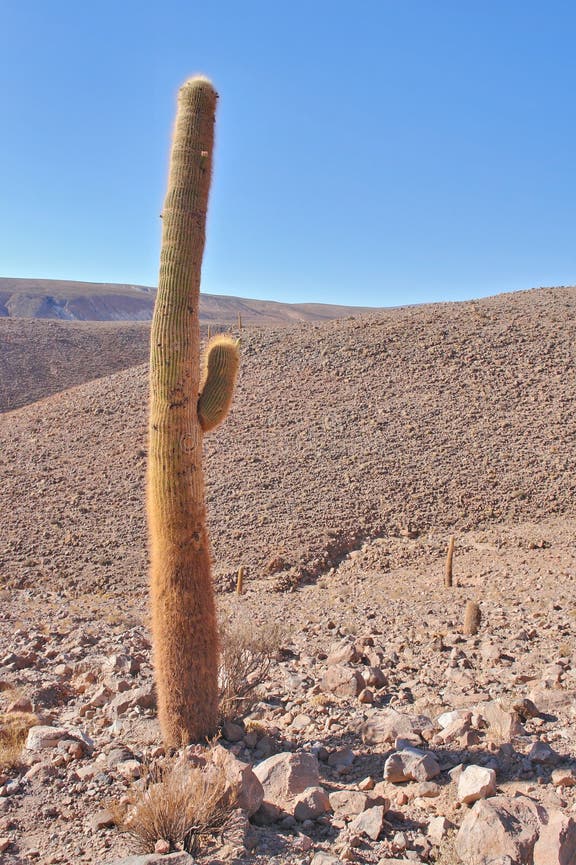
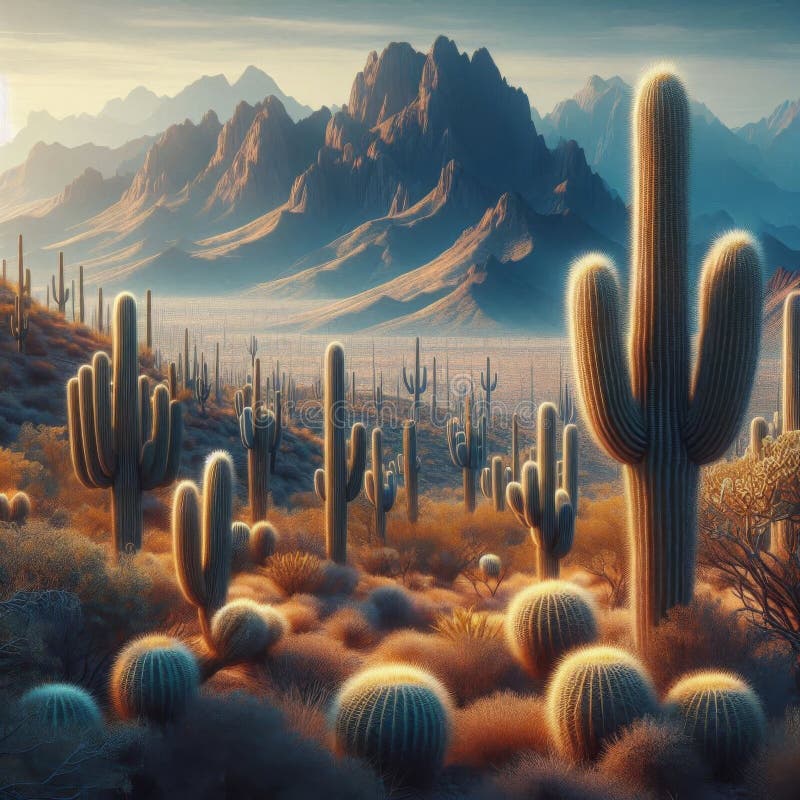
The saguaro (*Carnegiea gigantea*) is perhaps the most emblematic of Mexico’s cacti, its towering, ribbed columns piercing the horizon like ancient sentinels. Native to the Sonoran Desert, which straddles the U.S.-Mexico border, this slow-growing giant can live for over 150 years, its arms reaching skyward in a display of tenacious growth. Saguaro forests, such as those in the Reserva de la Biósfera El Pinacate y Gran Desierto de Altar, are living museums, where each cactus tells a story of survival against the odds. These giants are not merely plants; they are keystone species, providing nesting sites for Gila woodpeckers and Gilded flickers, whose abandoned cavities become homes for owls, kestrels, and even bats. The saguaro’s seasonal cycles—from the delicate white flowers that bloom in late spring to the ruby-red fruits that ripen in summer—are a testament to nature’s precision, a rhythm that has guided indigenous communities for centuries. For travelers, a visit to these forests is a pilgrimage to witness the saguaro’s grandeur, especially during the “flower moon” when the desert erupts in a fragrant, ephemeral spectacle.
The Whimsical Barrel Cactus: Nature’s Water Reservoir
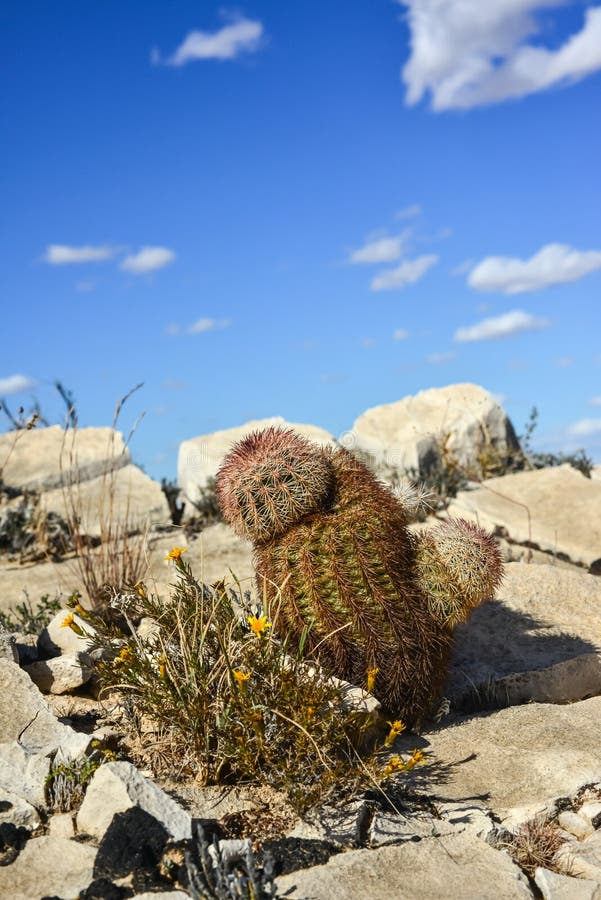
Among the most resilient of Mexico’s cacti is the barrel cactus (*Ferocactus* and *Echinocactus* genera), a stout, ribbed marvel that thrives in the harshest of environments. With their spherical or cylindrical forms, these cacti are veritable water tanks, storing precious moisture in their fleshy tissues to endure prolonged droughts. The *Ferocactus* species, often adorned with vibrant red or yellow flowers, are a sight to behold in the Chihuahuan and Sonoran Deserts. Meanwhile, the *Echinocactus grusonii*, or “golden barrel,” is a horticultural darling, its dense spines and golden-yellow blooms making it a favorite in gardens worldwide. Beyond their aesthetic appeal, barrel cacti play a crucial ecological role, offering sustenance to pollinators like bees and hummingbirds. Indigenous communities have long revered these cacti for their practical uses—from harvesting their edible fruits to crafting tools from their sturdy ribs. A walk through the arid landscapes where these cacti dominate is a lesson in adaptation, where every thorn and groove speaks of nature’s ingenuity.

The Ethereal Prickly Pear: A Culinary and Ecological Cornerstone
No exploration of Mexico’s cacti would be complete without delving into the prickly pear (*Opuntia* genus), a genus so ubiquitous it has become synonymous with Mexican culture. These flat, paddle-shaped pads and vibrant fruits—known as *tunas*—are staples in Mexican cuisine, from the tangy *nopales* salads to the sweet *mermelada* jams. The prickly pear’s adaptability is astounding; it thrives in coastal dunes, highland valleys, and even urban rooftops, its resilience making it a symbol of endurance. Ecologically, *Opuntia* species are vital, providing shelter and food for a myriad of creatures, from desert tortoises to roadrunners. Their flowers, a riot of yellows and oranges, attract pollinators in droves, ensuring the continuation of their lineage. For those eager to engage with Mexico’s cacti beyond observation, the prickly pear offers a tangible connection—its pads can be harvested, cooked, and savored, a delicious reminder of the land’s bounty.
The Enigmatic Old Man Cactus: A Beard of Wisdom
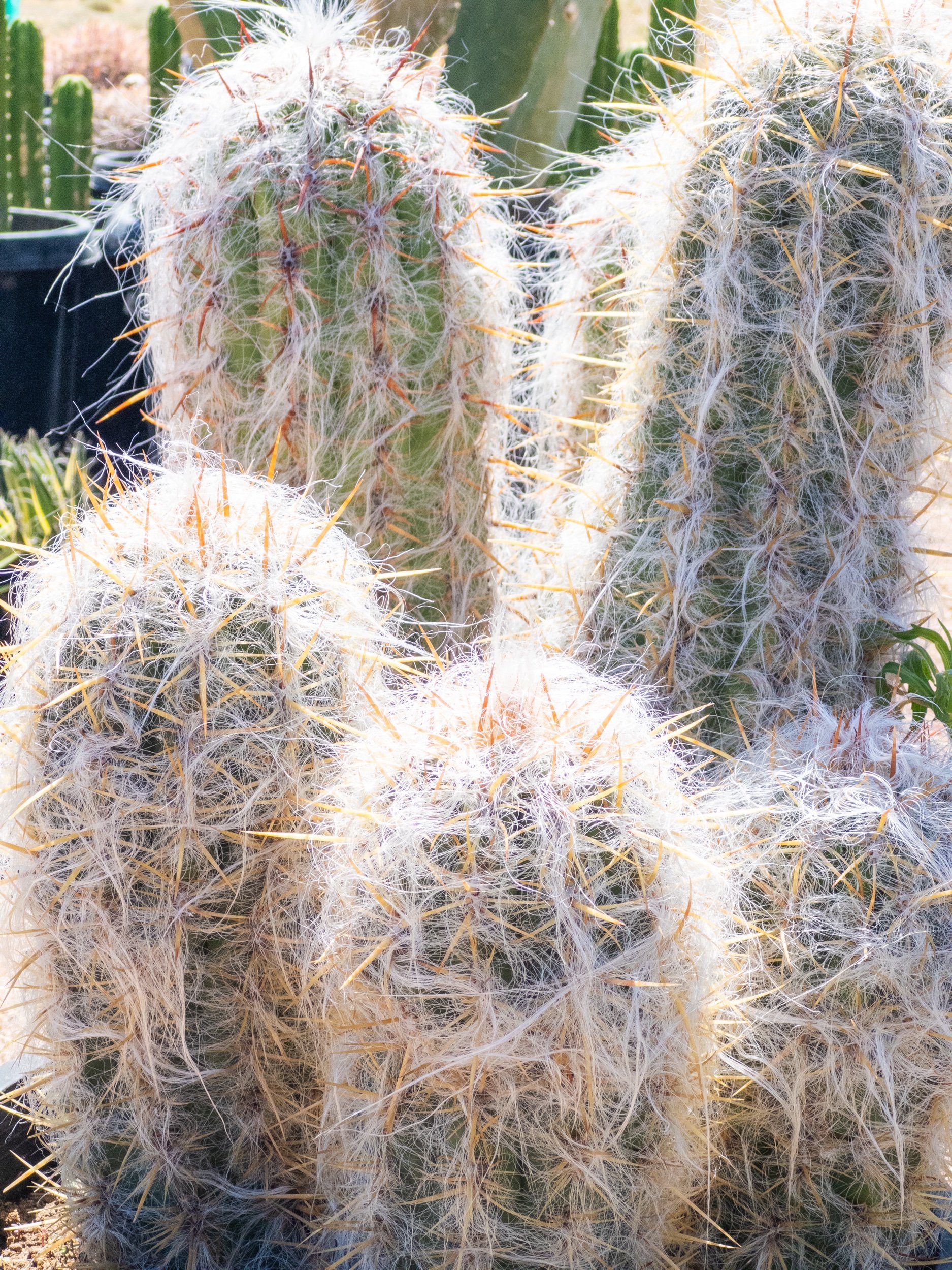
In the misty highlands of central Mexico, the old man cactus (*Cephalocereus senilis*) stands as a living relic, its dense, shaggy white hairs giving it the appearance of an ancient sage. This columnar cactus, native to the states of Hidalgo and Querétaro, is a slow grower, its lifespan stretching over centuries. The “beard” of white hairs is not merely decorative; it serves as a protective shield against the sun’s relentless rays and the chill of high-altitude nights. During the dry season, the old man cactus blooms with nocturnal flowers, a fleeting spectacle that draws in bats and moths as pollinators. Its cultural significance is equally profound, often featured in Mexican folklore as a symbol of wisdom and longevity. For photographers and nature enthusiasts, encountering this cactus in its natural habitat is a humbling experience, a reminder of the patience and perseverance required to thrive in Mexico’s diverse climates.
The Daring Peyote: A Sacred and Controversial Icon
Deep within the Chihuahuan Desert, the peyote cactus (*Lophophora williamsii*) grows in quiet obscurity, its small, spineless buttons holding a power that has shaped spiritual practices for millennia. Revered by indigenous groups such as the Huichol and Tarahumara, peyote is a sacrament in traditional ceremonies, its psychoactive properties facilitating visions and healing. The cactus’s legal status is a contentious issue, balancing cultural heritage with conservation efforts and regulatory concerns. Ecologically, peyote is a delicate species, its growth painfully slow—taking up to 30 years to mature—and threatened by overharvesting. For those interested in the intersection of botany, culture, and ethics, peyote offers a complex narrative, one that challenges perceptions of what it means to protect and preserve. Visiting the deserts where peyote grows is an opportunity to engage with a cactus that is as much a spiritual guide as it is a botanical wonder.
Conservation and the Future of Mexico’s Cacti
As climate change and human expansion encroach upon Mexico’s fragile ecosystems, the future of its iconic cacti hangs in a precarious balance. The illegal trade of rare species, such as the *Aztekium ritteri* from Nuevo León, poses a significant threat, with poachers stripping these slow-growing cacti from their habitats to feed a global demand for collectors. Conservation efforts, however, are gaining momentum. Protected areas like the Reserva de la Biósfera Tehuacán-Cuicatlán and the Sierra de San Francisco rock art region are safeguarding critical cactus habitats, while local communities are increasingly involved in sustainable harvesting and eco-tourism initiatives. For travelers and enthusiasts, supporting ethical cactus nurseries and respecting protected areas are small but meaningful ways to contribute to conservation. The story of Mexico’s cacti is one of fragility and fortitude, a call to action for those who wish to ensure these botanical treasures endure for generations to come.
The cacti of Mexico are more than mere plants; they are living chronicles of adaptation, culture, and resilience. From the towering saguaros that dot the deserts to the humble peyote that holds ancient wisdom, each genus tells a story of survival against the odds. For those who venture into Mexico’s arid landscapes, the rewards are manifold—whether it’s the thrill of spotting a rare *Turbinicarpus* in the wild, the joy of savoring *nopales* in a local market, or the quiet awe of witnessing a cactus bloom under the desert moon. These plants remind us that beauty and tenacity often thrive where others see only barrenness. So, lace up your hiking boots, pack your curiosity, and prepare to be enchanted by the cacti of Mexico—a world where every spine and petal holds a secret worth uncovering.
FAQ
What are the most iconic cactus species in Mexico?
The most iconic species include the Saguaro, Barrel Cactus, Prickly Pear, Old Man Cactus, and Peyote.
How do cacti adapt to their environment?
Cacti have evolved to store water, minimize water loss, and thrive in arid climates.
What is the cultural significance of cacti in Mexico?
Cacti are not only vital for biodiversity but also play a crucial role in traditional Mexican cuisine and indigenous spirituality.

Leave a Reply