

Short Answer
Imagine a world where nature sculpts living gemstones, each rib and spine a brushstroke in a masterpiece forged by time and resilience. Copiapoa species stand as verdant sentinels of the Chilean deserts, embodying an enigmatic allure that beckons collectors into their thorny embrace. These succulents, at once sculptural and formidable, are far more than mere plants; they are living relics of an ancient ecosystem, each variety whispering secrets of survival, adaptation, and exquisite rarity.
The Origins and Habitat of Copiapoa: Desert Jewels in Harsh Realms
Native exclusively to the arid deserts of northern Chile, particularly the Atacama Desert, Copiapoa species thrive in conditions that seem almost otherworldly. Their habitat is a crucible of extremes—scorching sunlight by day, biting cold at night, and scarce moisture punctuating the landscape like fleeting gold. This harsh environment has precipitated a remarkable evolutionary path, endowing Copiapoa with a rugged elegance—thick, ribbed stems coated in a powdery patina that reflects the sun’s harsh glare. Here, survival isn’t just about endurance, it’s an art form that has sculpted these cacti into living sculptures, adorned with spines that resemble the quills of mythical desert porcupines.

Morphological Marvels: Distinguishing Features and Their Collector’s Appeal
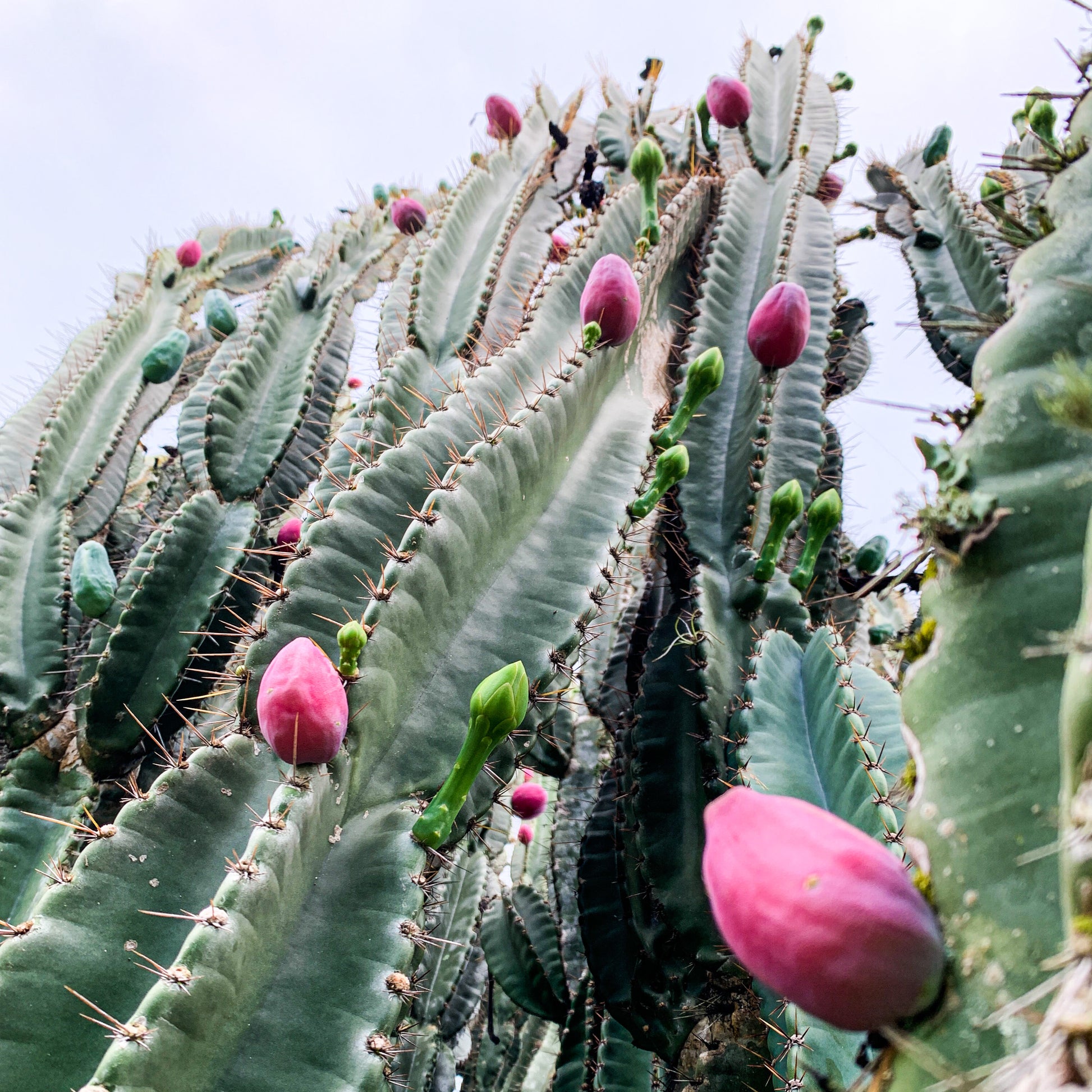
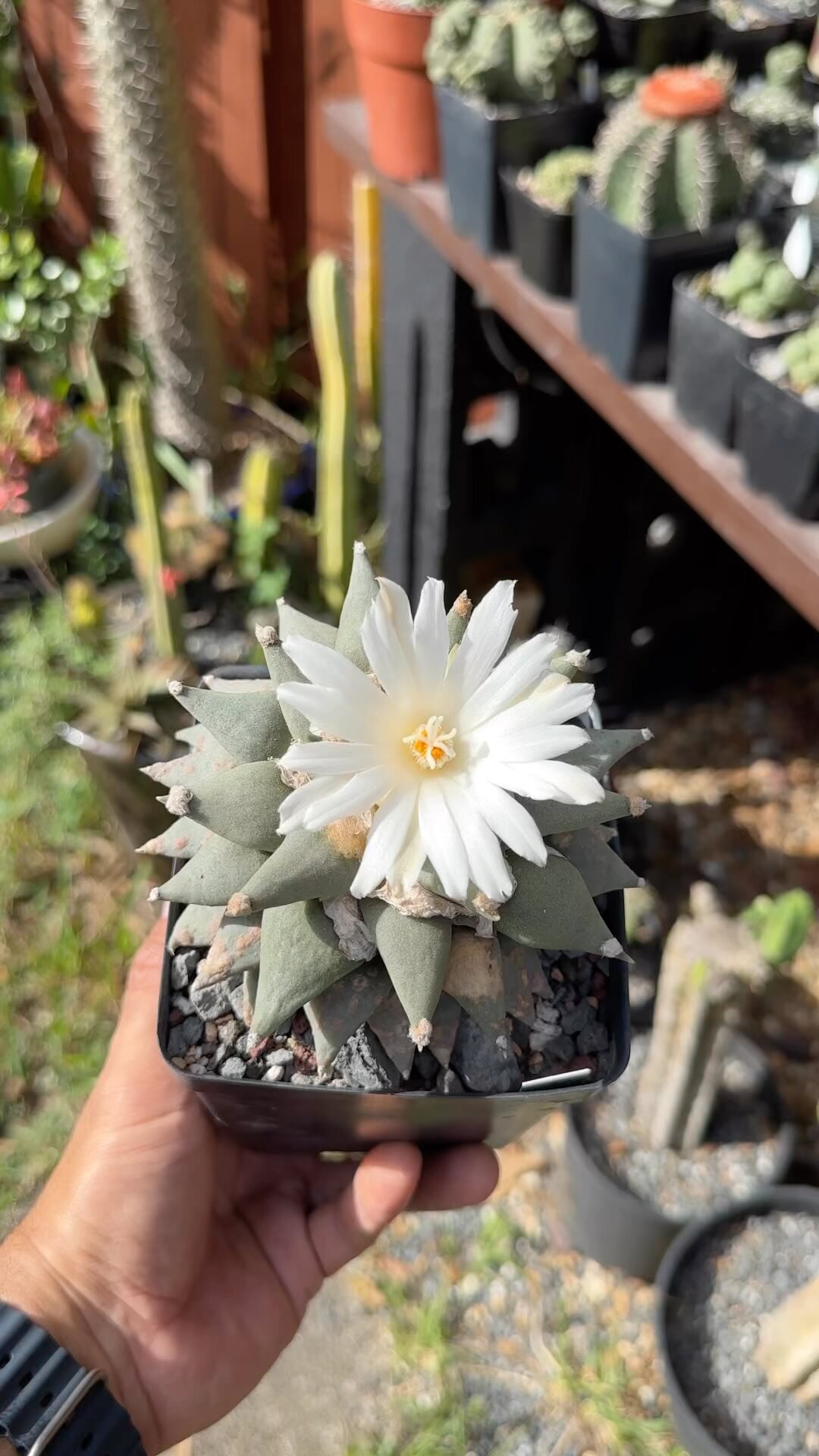
Each Copiapoa variety carries an identification code written in nature’s own language—the configuration of ribs, the density and color of spines, and the intriguing epidermal textures. From the towering Copiapoa cinerea, cloaked in silvery-blue wax and resembling a weathered sentinel, to the compact and globular Copiapoa gigantea, their forms summon both curiosity and admiration.
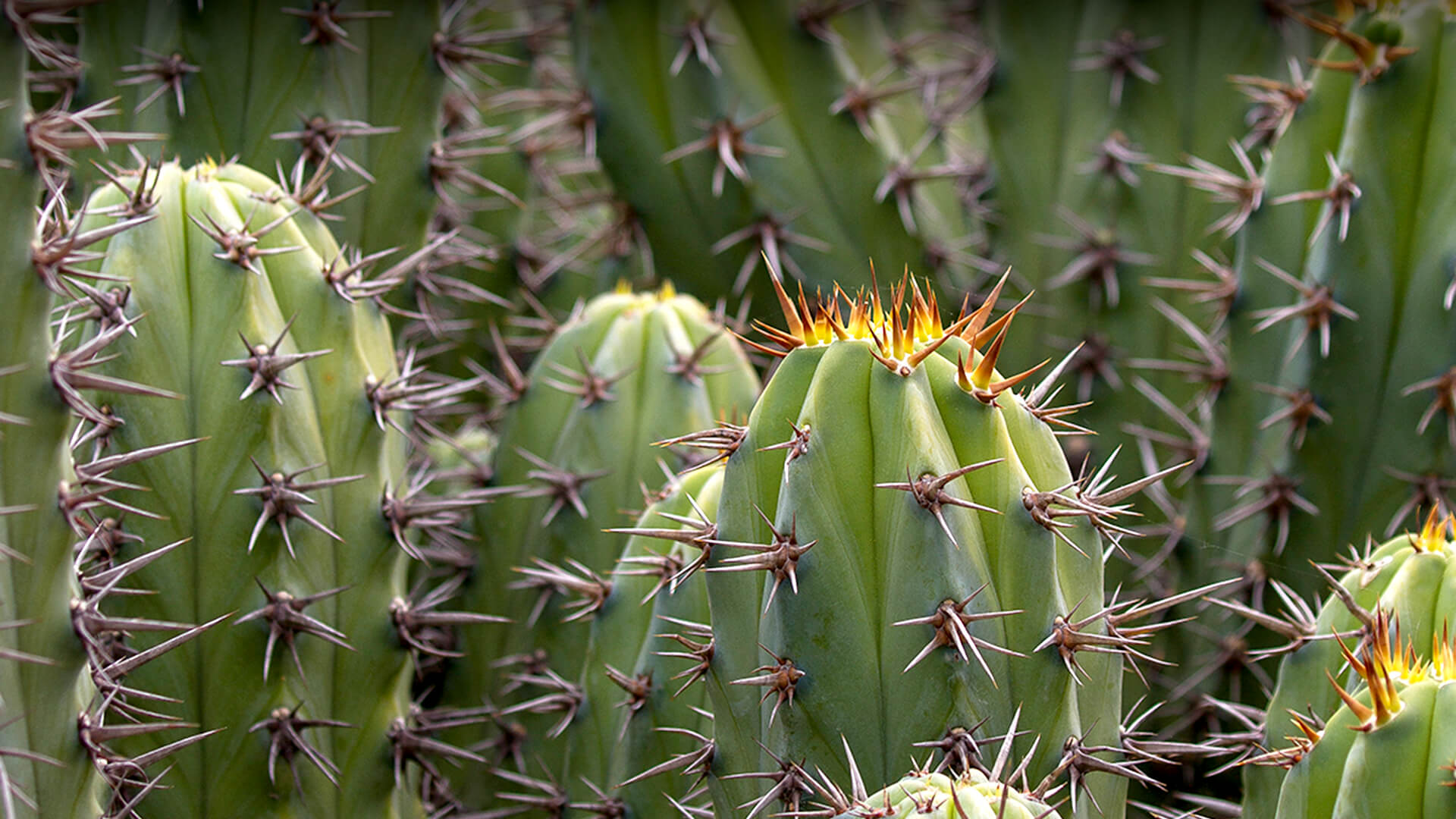
Collectors prize these subtle differences—the powdery epidermis that can range from chalky white to soft blue, acting like a solar shield; the spines that may be long, short, dense, or sparse, carrying an almost ethereal translucence in the right light. These attributes are not merely aesthetic; they speak volumes about the plant’s microhabitat and genetic lineage. Such nuanced detailing means that acquiring a rare Copiapoa is akin to possessing a living heirloom imbued with stories of the landscape it emerged from.

The Rarest Varieties: Gems Among Gems
Within the extensive Copiapoa genus, certain species stand out as true rarities—coveted not only for their scarcity but for their unique aesthetic and cultural resonance. Copiapoa cinerea var. columna-alba, often nicknamed the “white column”, offers a ghostly visage that seems sculpted from moonlight. Its rarity is amplified by a restricted geographical range and the slow, deliberate pace at which it grows.
Meanwhile, Copiapoa solaris exudes an almost solar brilliance with its golden hues, a visual paradox in the desert’s austere canvas. The pursuit of such varieties can be transformative for collectors, turning each acquisition into a narrative of exploration, patience, and respect for nature’s subtle beauty. These specimens act as tokens of an enduring mystery—plants that have endured epochs, whispering tales to those who are keen enough to listen.
Growing Copiapoa: A Symbiosis of Challenge and Reward
For collectors, cultivating Copiapoa is no casual endeavor. It requires a blend of scientific understanding and artistic intuition, akin to tuning a delicate instrument. These cacti demand an arid environment with excellent drainage and minimal interference—the mimicking of their native desert climate is paramount. Overwatering is a surefire way to extinguish the magic, turning these desert jewels into fragile crypts.
The slow growth characteristic of Copiapoa enhances their mystique. Patience is rewarded with gradual transformations as new ribs unfurl and spines crystallize, creating evolving sculptures that can live for decades under careful stewardship. Successful growers often become chroniclers of time, documenting the subtle changes and growth phases as if tending to a secret manuscript penned by the desert winds.
Conservation and Ethical Collecting: Preserving Nature’s Masterpieces
With rarity comes responsibility. Many Copiapoa species face threats from habitat destruction, illegal collection, and climate change. Ethical collectors understand that acquiring these plants is a privilege entwined with stewardship. Conservation efforts, including propagation in controlled environments and seed banking, are essential to ensure these species endure beyond their native range.
Participating in conservation-minded exchange networks guards against the depletion of wild populations. It transforms collecting from a mere hobby into a commitment—an oath to safeguard these desert marvels so future generations might also marvel at their thorny beauty. Responsible collection respects the delicate balance between admiration and preservation, recognizing that Copiapoa species are irreplaceable fragments of a desert’s soul.
The Collector’s Journey: More Than Just a Hobby
Collecting Copiapoa is a pilgrimage into the heart of the desert—an invitation to commune with plants that embody endurance and artistry in equal measure. Each specimen acquired carries with it the echoes of ancient winds and the shimmer of mirages, enveloping the collector in an experience that transcends mere possession.
To amass a collection is to curate a personal museum of nature’s resilience and creativity. It is the coalescence of patience, knowledge, and passion, where every new species adds a chapter to an unfolding story. The journey itself is as remarkable as the plants: an endless discovery illuminated by the quiet triumph of life against the odds.
FAQ
What are Copiapoa species?
Copiapoa species are cacti native to the arid deserts of northern Chile, known for their unique shapes and adaptations to harsh environments.
Why are Copiapoa species sought after by collectors?
Collectors prize Copiapoa species for their rare varieties, aesthetic appeal, and the stories they tell about survival and adaptation.
How should Copiapoa be cared for?
They require well-draining soil, minimal watering, and conditions that mimic their native desert habitat.
What conservation efforts are needed for Copiapoa?
Conservation efforts include propagation in controlled environments, seed banking, and promoting ethical collecting practices.

Leave a Reply