
Short Answer
Have you ever wondered what it takes to spot a cactus so extraordinary that it feels like nature’s own hidden gem? What if the challenge wasn’t just in seeing these spectacular plants, but in truly appreciating their exotic allure and rare existence? The world of cacti is far more dazzling and diverse than the ubiquitous desert silhouettes most of us picture. It conceals magnificent plants so rare and mysterious that each specimen could tell a botanical tale unlike any other. Welcome to a journey through the realm of the most rare and exotic cactus species—plants that captivate collectors, scientists, and dreamers alike.
Unveiling the Charm of Rare Cacti
The term “rare” in the context of cacti extends beyond mere scarcity. It mingles with the plant’s unique morphology, evolutionary history, and often, its restricted geographical footprint. Many of these cacti thrive in isolated niches or harsh microclimates, making their study and preservation a formidable challenge. Imagine wandering into arid zones where the air shimmers under a blazing sun, and spotting a cactus adorned with spike formations unlike any you’ve seen before—this is the fascination rare cacti inspire.

These plants dance on the borderline of fragility and resilience, surviving in fragmented habitats, often facing threats from climate change and human encroachment. Their rarity is a whisper of nature’s complexity and an invitation to delve deeper into evolutionary secrets.
The Peyote: A Sacred Rarity with a Mystical Aura
One cannot discuss rare cacti without mentioning the Peyote (Lophophora williamsii). This small, spineless cactus is famous for its psychoactive properties, long revered in indigenous spiritual ceremonies. But it’s also notorious for its slow growth and precarious population status. What makes Peyote so fascinating is the paradox it embodies: a cactus that is both humble in stature and monumental in cultural significance.

The Peyote’s rounded, button-like form is coated with delicate tufts, resembling tiny cushions punctuated along its surface. Its very survival is a tug-of-war between ancestral reverence and modern-day conservation challenges. The slow maturation cycle means that sustainable harvesting requires patience and profound respect, elevating Peyote to a symbol of botanical endurance and sacred mystery.
The Marvelous Morphology of Astrophytum: Stars Amongst Cacti
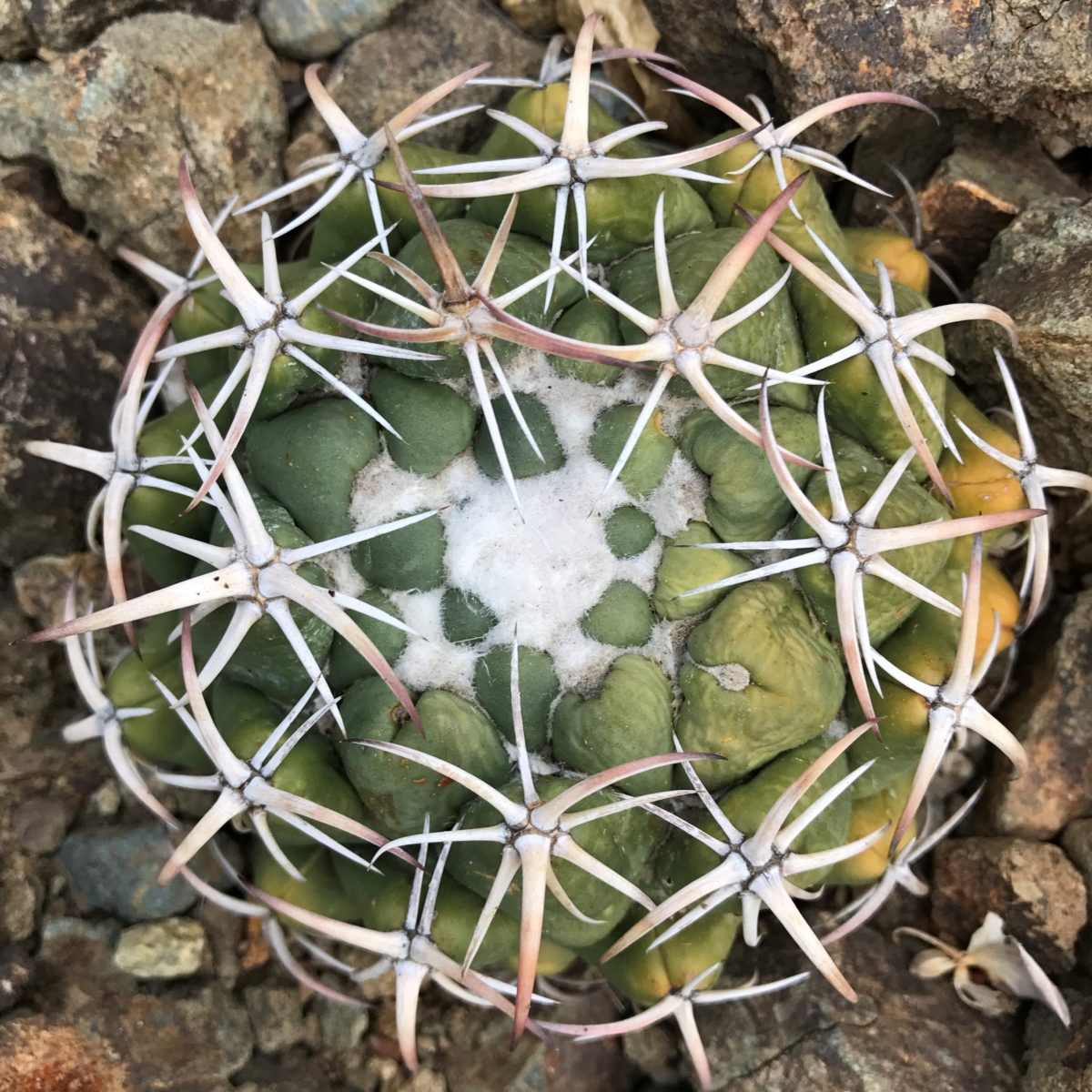
If you ever believed cacti all look alike, the Astrophytum genus is here to playfully defy that notion. Aptly named for their star-like appearance, species such as Astrophytum myriostigma boast geometric perfection and a nearly alien beauty. Their textured surfaces are often speckled with white flecks, mimicking constellations etched onto green canvases.
These rare cacti pose a different kind of challenge—can one truly capture their ethereal charm in mere photographs, or must one behold their form in person to grasp their extraordinary allure? Their very name hints at cosmic wonder, bridging desert earth with the vastness of the night sky.
Conservation Quandaries: Protecting Nature’s Desert Rarities
Encountering rare and exotic cacti prompts an urgent question: How can humanity balance curiosity and preservation? Many rare species exist precariously, vulnerable to exploitation and habitat loss. Illegal collection for private collections threatens wild populations, while climate change alters their fragile ecosystems.
Conservation efforts increasingly hinge on collaboration between botanists, local communities, and regulators. Seed banks, controlled propagation, and habitat restoration seek to shield these cactus treasures from extinction. It is an intricate dance that demands vigilance, respect, and a deep understanding of the interconnectedness of life.
The Allure for Collectors: More Than Just a Plant
For avid collectors and succulent enthusiasts, owning a rare cactus is like holding a piece of natural art—each spine and subtle hue telling a story of survival and adaptation. But the challenge is daunting; rarity often translates to difficulty in cultivation. These species may require precise soil compositions, microclimates, and meticulous watering schedules that mimic their native habitats.
Collection is not merely acquisition—it becomes a passionate dialogue with nature. The plants teach patience, observation, and awe. Their rarity pulses beneath their surface, inviting caretakers to become guardians of ancient green legacies.
A Testament to Evolution’s Ingenuity
Ultimately, the most rare and exotic cacti are living proof of nature’s ingenious adaptability and resilience. They beg us to reconsider our perceptions of desert landscapes—not just barren stretches of sand, but vibrant ecosystems harboring botanical marvels. Each species is an evolutionary masterpiece tailored to withstand extremes, from searing heat to prolonged drought.
As we marvel at these cacti, the playful challenge remains: can we rise to the occasion and honor their existence beyond admiration, by committing to their stewardship? In a world ever bent on rapid consumption, the slow, quiet persistence of rare cacti reminds us to slow down, look closer, and cherish the uncommon wonders thriving quietly in the harshest realms.

FAQ
What are some rare cactus species?
Some rare cactus species include the Peyote (Lophophora williamsii) and various species from the Astrophytum genus.
Why are rare cacti important?
Rare cacti are important for biodiversity and cultural significance, often facing threats from habitat loss and climate change.





Leave a Reply